
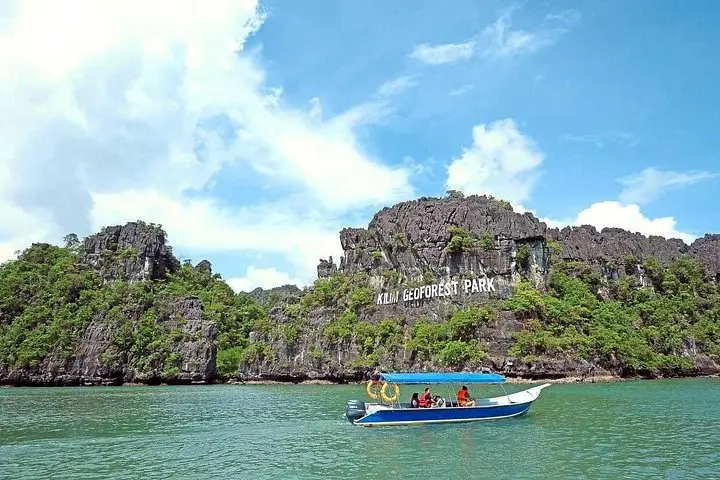
What the day feels like
The motor hums, then drops to a conversational purr as the mangrove corridor tightens. Water darkens like ink beneath dappled light; roots reach down like the fingers of an old sea-worn hand. You glide under a ceiling of epiphytic orchids and ferns, and every so often a kingfisher or brahminy kite punctuates the stillness with a flash of orange. This is the Kilim Geoforest Park — a UNESCO-designated landscape where limestone towers, tangled mangrove roots and winding rivers make up a living cathedral. To travel it by boat is to be invited into a private performance of geology, wildlife and coastal culture, one that finishes in a floating fish farm or a cliff-sheltered cave when you choose to step off and explore.
On the Langkawi Mangrove Boat Tour, the itinerary keeps its promise of close encounters. Over four hours you'll cross calm estuaries and narrow channels into hidden caverns like Bat Cave and the so-called Crocodile Cave (Gua Buaya). Guides — many of whom are local fishermen turned naturalists — read the water like sheet music: they point out tidal lines etched into limestone walls, call out eagle sightings, and slow the boat to a whisper for a kayak option if you want to push farther into the heart of the mangrove labyrinth. For anyone who’s ever wanted to see a coastline that is actively building itself — roots trapping sediment, mangrove seedlings colonizing new mudflats — this is the closest thing to watching shoreline evolution in real time.
The geology here is older than the island itself. Massive karst towers rising from the shallows are the visible edges of a sedimentary history carved over millions of years. The limestone cliffs preserve fossilized coral and ancient seabeds — proof that the sea has long been the region’s sculptor. Cultural threads are equally present: stilted fishing villages cling to the water’s edge, and floating restaurants and fish farms speak to an economy adapted to the tides. Local guides often tell stories of their grandparents who navigated these channels in dugout boats; the route is both a working waterway and a classroom where community memory is passed along with field identification tips.
Wildlife is the trip’s steady companion. Expect to see white-bellied sea eagles cruising the skyline and macaques active on the periphery, sometimes bold enough to inspect a visitor’s shoe from the deck. Monitor lizards, herons and kingfishers are practically on salary here. If you time the tour right you’ll watch the daily rhythm of the mangrove: crabs skittering at low tide, fiddler males waving oversized claws, and mudskippers hopping between pools. Eco-conscious operators will brief you on how to observe without disturbing — a small act that keeps the spectacle intact for everyone.
Practicalities matter here, and this tour respects that. The route is accessible to almost any traveler — no strenuous hikes or technical skills required — but weather and tides govern much of the experience. The standard outing lasts about four hours, enough time to see key features without feeling rushed and with options to add a seafood lunch at a floating restaurant or a guided kayak leg for an extra, low-impact exploration. If you’re coming from Pantai Cenang or Kuah, plan 20–40 minutes of transit to the Kilim jetty; many operators include transfers. Bring sunscreen, a hat, water, and a dry bag for your camera — salt spray and mangrove humidity will find anything left exposed.
The appeal of the Kilim cruise is both straightforward and layered. For families it’s a safe, sensory-rich half day; for photographers it’s a compact field of compositions — reflections, cliffs, and wildlife. For travelers intrigued by coastal science or community-based tourism, the floating fish farms and local guides provide a direct line into how people live with and from the sea. Book a morning departure to catch cooler light and the most active birdlife; afternoon trips can be more dramatic with slanted late light but often bring stronger winds.
If you’re planning this trip, choose an operator that emphasizes small groups and conservation. Ask whether their guides are local and certified, whether they limit disturbance to nesting sites and roosts, and if the floating lunches source seafood sustainably — those questions aren't picky, they’re part of keeping a geopark vibrant. To learn options and secure a slot, check the local operator page here: <a href='https://app.advcollective.com/local-experts/kilim-geoforest-cruise-langkawi-mangrove-boat-tour-bat-cave-adventure'>Kilim Geoforest Park mangrove boat tours</a>.
At its core, the Langkawi mangrove boat experience is a balance: an easy, accessible day that gives you rare access to a dynamic coastline while connecting you to the people and processes that maintain it. It’s a reminder that some of the most profound landscapes aren’t alpine summits or desert cathedrals but the soft, tenacious edge where land and sea grapple and create something new every tide.
Trail wisdom
Small choices, better day.
Book a Morning Slot
Mornings have calmer water and more active birdlife; aim to depart at first light for the best wildlife viewing and softer light for photos.
Bring a Dry Bag
Salt spray and wet boards are inevitable — protect electronics and extra layers with a small dry bag.
Wear Grippy Shoes
Non-slip deck shoes or sandals give secure footing when stepping on and off the boat and on floating platforms.
Ask About Kayak Options
If you want a quieter, up-close experience, request a kayak add-on when booking — it lets you reach narrower channels and small coves.
Local knowledge
Read the place, not just the route.
Watch for native species including White-bellied sea eagle, Long-tailed macaque.
Keep an eye out for wildlife during the transition between areas and habitats. Respect distance guidelines.
The geopark designation helps protect the area's unique geology and habitats; choose operators who minimize noise, avoid disturbing roosts, and support local conservation programs.
Follow the guide's instructions on size limits, ethical handling, and leave-no-trace practices.
Quiet kayaking channels away from the main jetty. Floating fish farms where guides explain local aquaculture practices
Locally recommended viewpoints and quiet spots known best to local operators.
The Kilim area has long been a working coastline of fishing communities; its karst landscape records ancient marine environments now exposed above sea level.
Maritime roots and regional tradition shape the waterways and working coasts.
Seasonal guide
Four versions of the same landscape.
Spring
Best forQuieter boat traffic · Early-morning birdwatching
ChallengesIntermittent showers · Humidity
Spring (local inter-monsoon season) brings variable showers and still-good wildlife viewing; mornings are often calmest.
Summer
Best forClear water reflections · Long daylight hours
ChallengesHigher temperatures · Occasional afternoon squalls
Summer offers bright light and warm water for floating-restaurant lunches but expect heat mid-day and short storms.
Fall
Best forMigratory birds (on occasion) · Dramatic skies
ChallengesStart of wetter monsoon patterns · choppier water on some days
Fall can get wetter as monsoon patterns shift; pick calm days early in the season for best results.
Winter
Best forDry, reliable weather · Better visibility
ChallengesHigher visitor numbers · Slightly cooler mornings
Local winter (peak tourist season) tends to be drier and most reliable for a full-day cruise — but book ahead.
Operator details
What the booking data adds.
Included
- ✓very simple lunch fried rice with chicken
- ✓sharing boat with option to private boat
Not included
- —personel expenses
- —Gratuities
- —tourist tax
- —Hotel Transfer
Good to know
- ✓Infants and small children can ride in a pram or stroller
- ✓Public transportation options are available nearby
- ✓Infants are required to sit on an adult’s lap
- ✓Not recommended for travelers with spinal injuries
- ✓Suitable for all physical fitness levels
- ✓Travelers must WhatsApp's the organizer number as provided in the booking so that they can share the actual locations to go
Pack with intention
What to bring.
Good to know
Common questions.
The standard tour runs about four hours, including stops at caves, cliffs and a floating fish farm; options may add a seafood lunch or kayaking.
Plan the edges
The details that make the day easier.
Kilim Geoforest Park is part of the Langkawi UNESCO Global Geopark, recognized for its karst landscapes and geological heritage.
After the cruise, head to Pantai Cenang for fresh seafood and a lively night market. Look for local dishes like ikan bakar (grilled fish) and laksa Kedah; small beachfront bars offer cold beer and sunset views.
- Closest airport
- Langkawi International Airport (LGK); Drive from Pantai Cenang to Kilim jetty: ~20–40 minutes (≈20 km); Cell service: patchy in mangrove channels—expect limited signal; Permits: no public permits usually required for tourist tours, but operator-managed access and fees may apply.
Support operators who follow no-feed policies for wildlife, use low-emission engines, and practice leave-no-trace at floating restaurant stops to protect mangrove ecosystems.
Explore by topic
Follow the threads.
Keep exploring
Make the story part of the trip.
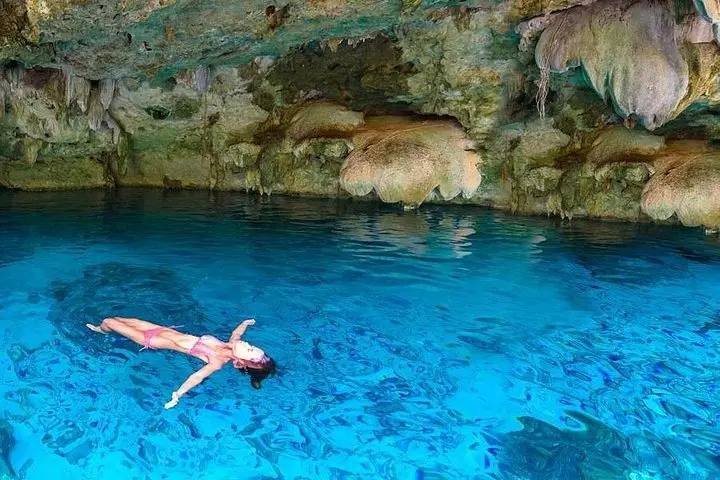 Related story
Dive into the Yucatán’s secret freshwater caverns and drift over the shallow reef gardens of Yalku Lagoon—an accessible, half-day snorkel pairing that blends geology, Mayan history, and vivid marine life.
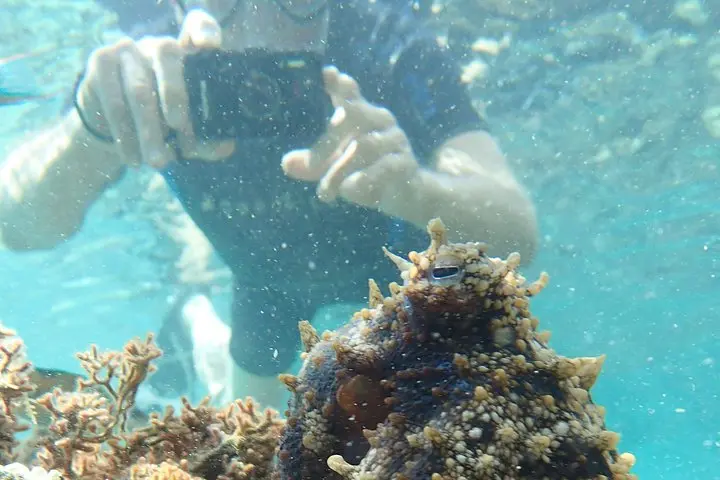 Related story
Slip beneath Porto Santo’s sunlit surface to find a mosaic of seagrass meadows, volcanic shelves, and playful schools of fish. This three-hour snorkeling tour pairs small-group access with local stewardship—ideal for travelers who value marine life over crowds.
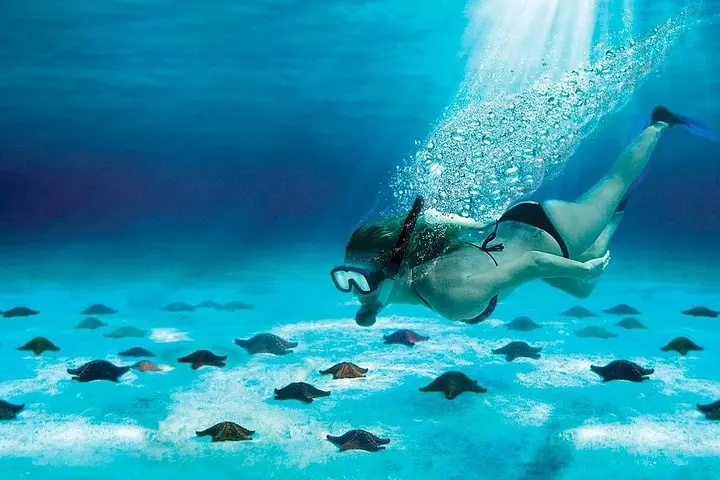 Related story
Spend a day on a high-speed boat exploring Cozumel’s famed reefs and the shallow sand flats of El Cielo. This full-day trip offers clear water, abundant marine life, and guided snorkeling at three prime sites—ideal for both first-timers and seasoned reef lovers.