
What the day feels like
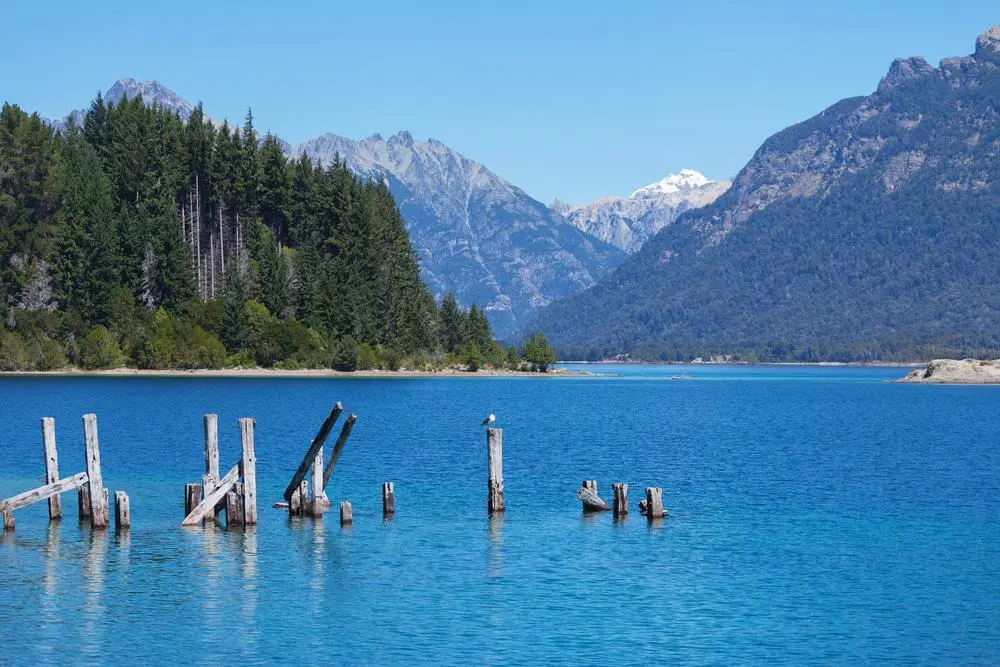
The boat eases away from Puerto Pañuelo and Lake Nahuel Huapi opens up like a blue fist—deep, cool, and edged with mountains. With each minute the mainland recedes, the noise of Bariloche—the chocolate shops, the chairlifts, the cathedral bell—fades until all that remains is wind and water. Then the trees appear: a stand of cinnamon-barked trunks, glowing against the lake, as if someone had painted the shore with warm light. You have reached the Quetrihué Peninsula and the Los Arrayanes forest; minutes later, a short hop across a sheltered inlet drops you on Victoria Island (Isla Victoria), where trails weave through native forest, volcanic sand beaches, and orchards of beech and coihue. It feels private, even though thousands pass through each year.
Victoria Island sits in the heart of Nahuel Huapi National Park, a landscape carved by glaciers and stitched with volcanic soils. The lake itself is a relic of ice—deep basins scooped out and filled by meltwater—and its coves and peninsulas reflect that sculptural history. The island and the neighboring Quetrihué peninsula host two of the park’s most singular ecosystems: a mixed temperate forest on Victoria Island and, on Quetrihué, the near-pure stand of Arrayán trees (Luma apiculata), whose smooth, reddish bark and twisted forms create a forest that looks engineered for a fairytale.
This is also a place layered with human history. Indigenous Mapuche and Tehuelche peoples left traces along the island’s beaches—rock paintings and archaeological sites that hint at seasonal camps and lake-based subsistence. In the early 20th century European settlers augmented the island’s flora with introduced species and small orchards; today the remains of old settlements punctuate the trails and the National Park guides use them to tell the island’s story of use, change, and conservation.
You can experience the place two ways: as a short, interpretive visit—an hour or two of boardwalks and photo stops—or as a full-day hike. Boats from Llao-Llao’s Puerto Pañuelo run regularly; most public excursions combine a stop at the Arrayanes boardwalk with a landing at Puerto Anchorena on Victoria Island. From there, options range from a gentle 1–2 km walk to Playa del Toro—where volcanic sand meets a pale, glacial surf—to longer loops of 4–8 km that cross ridgelines and return along secluded coves. Expect mixed terrain: packed dirt, roots, wooden boardwalks through marshy areas, and short stair sections; elevation change is modest, but trails wind, so wear shoes with confident grip.
Practical tip: mornings are quieter and often clearer. Wind tends to pick up in the afternoon across Nahuel Huapi, which can make the boat ride choppier and the light harsher for photos. If you want an uncrowded lunch on a pebble beach with a view back to the Andes, book an early departure and bring a compact picnic.
Why go? Victoria Island is approachable Patagonia: big landscapes without the long trek. You get intimate close-ups—Arrayán trunks like polished columns, coihue leaves trembling with lake breeze, and volcanic sand that squeaks beneath your boots. National Park guides add context: pointing out medicinal plants, explaining the island’s regeneration since park status, and locating quiet coves where otters and waterfowl often forage. For families or travelers short on time, a guided loop delivers natural history, gentle exercise, and a chance to stand on beaches that still hold traces of ancient peoples.
How to plan: most visitors take a boat tour that combines Quetrihué and Victoria. If you want autonomy, there are longer navigations and private-boat options that let you hop between anchorages. Dress in layers—lake wind and mountain sun can exist in the same hour—carry at least 1–1.5 liters of water per person for half-day trips, and bring a rain shell year-round. Respect the park: stay on trails, don’t pick plants, and follow guidance on access to sensitive archaeological sites. The National Park charges and operating rules may be enforced at the park’s entry points and boat terminals; most tour operators handle permits as part of the ticket.
For photographers, the Arrayanes stand is prime at low sun: the cinnamon bark reflects warm light and makes the trunks almost luminous against winter shadows. For hikers, the longer island circuits reveal changing forest types and a sense of remoteness—there are viewpoints that open to the Nahuel Huapi basin and to the sculpted ridges of the Andes. Birders should watch the shoreline for black-necked swans and small cormorants; rarer species like the endangered huemul deer live in the park interior, though sightings on the island are uncommon.
In short, Victoria Island is one of Patagonia’s most accessible intense-nature experiences. It asks little—an easy boat hop, a few hours on foot—and gives a lot: unique forest, clear water, quiet beaches, and a chance to read the long story of glaciers, trees, and people written on the landscape. Whether you come with a guide and a packed lunch, or on a luxury day trip from Bariloche, the island rewards attention. Walk slowly, listen for wind in the Arrayanes, and notice the way the lake seems to hold its breath—a patient, watchful presence that, for a few hours, invites you to do the same.
Trail wisdom
Small choices, better day.
Take the early crossing
Morning departures are usually calmer and less crowded, giving better light for the Arrayanes and quieter beaches on Victoria Island.
Wear grippy footwear
Trails include roots, packed earth and wooden boardwalks—trail runners or low hiking shoes are ideal.
Bring a small picnic
On-site services are limited at Puerto Anchorena; a lightweight lunch and water make a beach stop more enjoyable.
Follow park rules
Stay on designated paths and don’t touch archaeological sites—National Park guides enforce conservation measures.
Local knowledge
Read the place, not just the route.
Watch for native species including Andean condor (soaring over ridgelines), Southern river otter / coipo along secluded coves.
Keep an eye out for wildlife during the transition between areas and habitats. Respect distance guidelines.
Nahuel Huapi National Park protects these ecosystems—stay on trails, respect archaeological sites, and use registered operators to limit impact.
Follow the guide's instructions on size limits, ethical handling, and leave-no-trace practices.
Playa del Toro: volcanic sand beach with inland cave paintings and afternoon light for photos. Quiet Mirador near Puerto Anchorena: short uphill scramble yields expansive views of the Nahuel Huapi basin
Locally recommended viewpoints and quiet spots known best to local operators.
Mapuche and Tehuelche peoples used the lake’s islands seasonally; later European settlement introduced orchards and small clearings whose traces remain on Victoria Island.
Maritime roots and regional tradition shape the waterways and working coasts.
Seasonal guide
Four versions of the same landscape.
Spring
Best forWildflowers · Migratory birds · Fewer crowds
ChallengesUnpredictable showers · Cool mornings
Spring (Sept–Nov) brings fresh growth and bird activity; pack a rain layer and expect cool mornings that warm by midday.
Summer
Best forWarm weather · Calmer boat conditions · Extended daylight
ChallengesHigher visitor numbers · Stronger afternoon winds
Summer (Dec–Feb) is the most popular time—long days and warm air make beach lunches pleasant, but arrive early to beat crowds and wind.
Fall
Best forAutumn color · Crisp air · Photography
ChallengesShortening days · Cooler water temperatures
Fall (Mar–May) delivers rich foliage and clear light; temperatures drop earlier, so layer up and plan for earlier returns by boat.
Winter
Best forSnow-capped views · Quieter trails · Dramatic light
ChallengesCold, limited services · Possible reduced boat schedules
Winter (Jun–Aug) offers stark, beautiful contrasts and fewer people—check boat operations and expect brisk temps and crisp, low sun.
Pack with intention
What to bring.
Good to know
Common questions.
Most scheduled boats run 30–60 minutes depending on route and stops; combined tours that include the Arrayanes generally quote about one hour on the water.
Plan the edges
The details that make the day easier.
The Arrayanes forest on the Quetrihué Peninsula is dominated by Luma apiculata (Arrayán), a myrtle species with distinctive cinnamon-colored bark; some trees in Nahuel Huapi are centuries old and the stand is globally rare.
San Carlos de Bariloche blends Patagonian outdoor culture with Swiss-style chocolate shops and craft breweries; try a slice of local smoked trout or an artisanal chocolate after your hike and visit a Mapuche craft stall to learn about traditional weaving.
- Departure
- Puerto Pañuelo (Llao-Llao). Boat time: 30–60 min. Trip length: half- to full-day. Recommended: early start, layered clothing, 1–1.5 L water. Park rules enforced—stay on trails.
Use licensed operators, avoid single-use plastics, and follow National Park guidelines—these measures protect fragile forest stands and archaeological sites for future visitors.
Explore by topic
Follow the threads.
Keep exploring
Make the story part of the trip.
 Related story
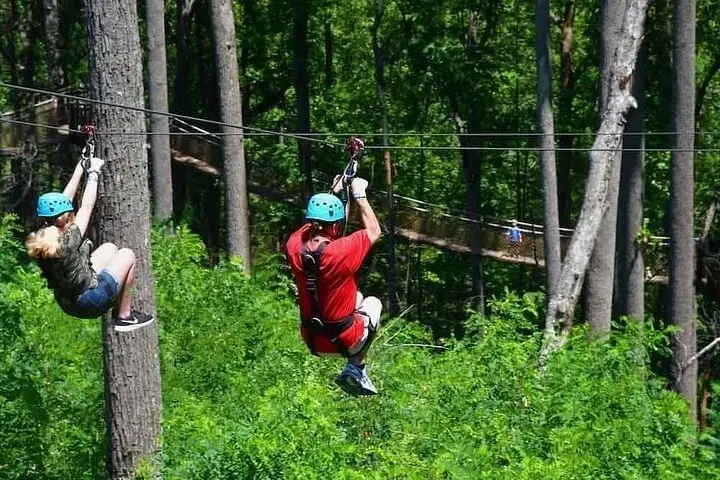
Less than two hours from Nairobi, Kereita Forest pairs hands-on canopy adventure with quiet montane trails and a sobering colonial history—perfect for families, teams, and curious travelers seeking a full-day pulse of nature.
 Related story
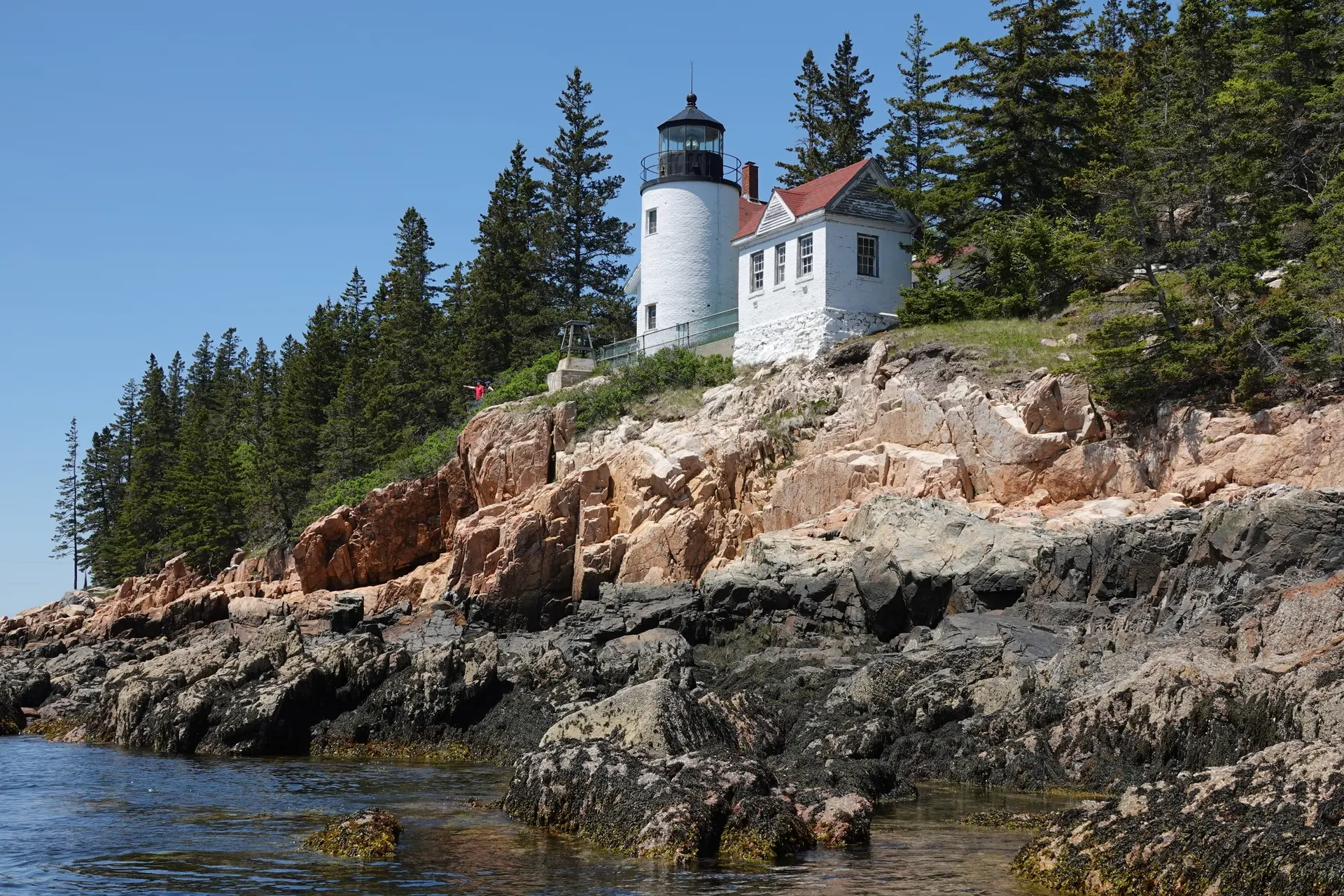
Set out from Bass Harbor for a private, customizable day on Blue Hill Bay — lighthouses, puffins, seals, and the chance to feel Acadia from the water. Small groups, local captains, unforgettable views.
 Related story
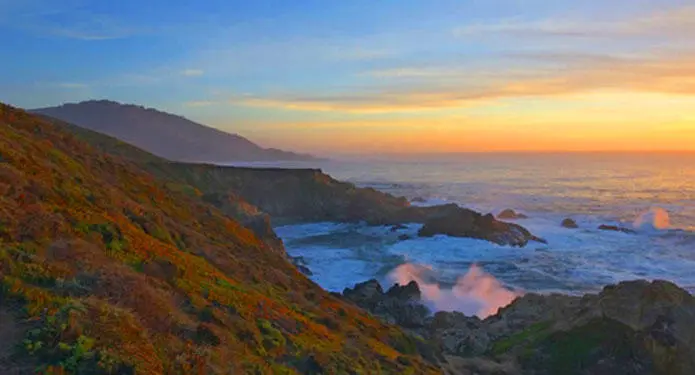
In four hours you can move from shaded canyon ferns to wind-scoured coastal ridgelines, guided by someone who knows where the light—and the hidden views—live. This private half-day hike on the Monterey Peninsula or Big Sur is compact, curated, and perfect for travelers who want depth without a multiday commitment.