
What the day feels like
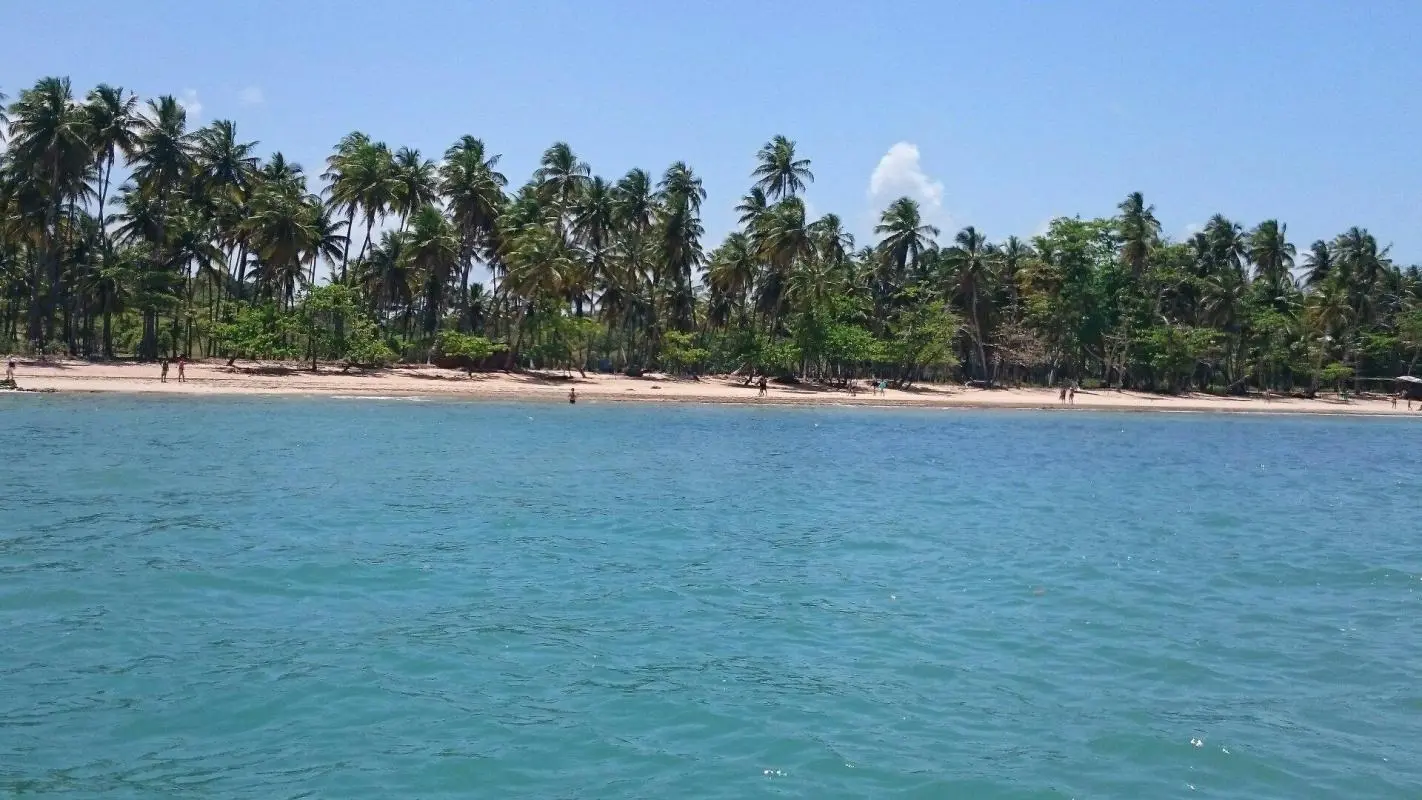
You arrive by boat with salt on your lips and the island a slow silhouette against a luminous Atlantic. Boats ease up to sand instead of docks; people hop into shallows and drag luggage to the narrow lane that threads the village. That first hour on Tinharé is decisive: the island either uncoils its charms immediately—turquoise shallows, wide beaches, palm shadows—or it rewards patience, revealing tide pools, clifftop views, and a village rhythm that runs on ferries, foot traffic, and seafood eaten with bare hands.
Tinhare Island, home to the village of Morro de São Paulo, is the kind of place where geography shapes behavior. The island is narrow but long, its western shore a sequence of beaches—Primeira, Segunda, Terceira, Quarta, Quinta—that run like pages you can flip through. Each beach has a distinct personality. Segunda Praia hums with bars and daylife; Quarta Praia stretches wild and quiet with tide pools and reef flats at low tide. Between them, narrow paths climb low headlands and thread coconut groves. The climb up to the island's lighthouse is short and honest, the payoff a sweep of ocean and the pattern of boats carving lines across the bay.
Geology here is straightforward and beautiful: Pleistocene sand ridges, sandstone outcrops, and coral reef shelves that appear and vanish with the tide. Those reef flats are restorative for snorkelers and revealing for anyone willing to watch the water: stars of sea urchins, clusters of crabs, and small fish that dart like punctuation marks. The mangrove fringes on the island’s eastern side hold another face of Tinharé—still water, root tangles, and the small, secret life of crabs and birds.
History and culture arrive through the narrow streets. Morro de São Paulo grew as an outpost in the Portuguese colonial era and later as a waypoint for ships; today, tourism is the economy, but the village keeps its fishing rhythms. Local restaurants serve moqueca and grilled fish, but there's also a strong surf of backpacker-friendly eateries, pizzerias, and beach bars. Conversations on the sand drift from fishing techniques to ferry schedules; nightlife clusters around simple stages and pulsing dance venues, but the island keeps the noise compact and the night sky wide.
Why go? Because Tinharé is a compact, tangible island experience that suits multiple appetites. If you want easy beach days, Segunda Praia and Third Beach give you umbrellas, snacks, and a scene. If you want solitude, Quarta and Quinta are long enough to find single stretches of sand even in high season. If you want a short hike that yields a big view, the lighthouse trail is 20–40 minutes of switchbacks and exposed sand with roughly 80–120 meters of cumulative elevation gain, depending on your route. If you want water time, snorkeling across shallow reef gardens and day trips by boat to nearby islands are the default activities.
Practical edge: Tinharé is a walking island. Vehicles are minimal, so plan to carry your gear and book transfers in advance on busy weekends. Fast boats from Salvador take roughly 2–3 hours; from Valença, the crossing is nearer to an hour. Tides matter—rocky reefs, pools, and some boat landings change dramatically with the water level. If you plan to explore reefs, time low-tide windows for walking the flats and high-tide windows for snorkeling.
For planning, remember these figures: expect 15–45 minutes of walking between the main village and Segunda Praia, 20–40 minutes to the lighthouse from the village center depending on pace, and between 30–90 minutes to walk from Segunda to Quarta Praia, depending on whether you follow beach or trail. Water clarity fluctuates with swell and seasonal runoff; the clearest months are the drier months in the Southern Hemisphere winter.
Gear and logistics are simple but meaningful: sturdy water shoes or light trail shoes make reef walks and shingly beaches easier; reef-safe sunscreen protects coral and your skin; a light daypack and refillable water bottle are essential because shade can be scarce between palms. Accommodation ranges from thatched pousadas to boutique guesthouses; book ahead in high season or around Brazilian holidays.
If you look for the island's quieter edges, ask local guides about short boat trips to nearby islets and reefs, or a mangrove paddle at dawn. Expect the island to be friendly rather than curated—trails may be sandy, signage minimal, and hospitality warm. That combination is the appeal: an island that gives you raw access to beach, reef, and village life without the scaffolding of a larger resort.
Tinhare is not hyper-challenging; it is, instead, an island that rewards simple curiosity. Walk deliberately at low tide and you’ll find tide pools like living skylines; climb deliberately to the headland and the wind will rearrange your plans. Bring patience and sturdy sandals, and you’ll have a memorable mix of beach ease, short hikes, and salt-and-wood culture that feels both familiar and distinctly Bahian.
Trail wisdom
Small choices, better day.
Respect the tides
Plan reef walks and snorkeling around low- and high-tide windows; exposed reefs at low tide are walkable but not swimmable, and some landings are boat-dependent at high tide.
Hands-free travel
Bring a comfortable daypack and a small dry bag—ferries and beach landings often require carrying your gear across sand and shallow water.
Foot protection
Use sturdy water shoes or light trail shoes for reef flats and rocky stretches to avoid cuts and slippery rocks.
Cash and timing
Carry small bills—some pousadas and beach vendors prefer cash—and book boat transfers early in high season to avoid sold-out sailings.
Local knowledge
Read the place, not just the route.
Watch for native species including Carijó terns and other shorebirds, Small reef fish and hermit crabs in tide pools.
Keep an eye out for wildlife during the transition between areas and habitats. Respect distance guidelines.
Reef health depends on responsible snorkeling, reef-safe sunscreen, and avoiding trampling of tide pools; support local businesses that practice low-impact tourism.
Follow the guide's instructions on size limits, ethical handling, and leave-no-trace practices.
Walk the low-tide reef flats near Quarta Praia for tide pools and small marine life.. Early-morning mangrove paddles on the eastern side reveal shorebirds and quiet channels rarely visited by day-trippers.
Locally recommended viewpoints and quiet spots known best to local operators.
Morro de São Paulo developed as a strategic port and small settlement in colonial times; its layout and some older structures reflect that maritime past.
Maritime roots and regional tradition shape the waterways and working coasts.
Seasonal guide
Four versions of the same landscape.
Spring
Best forshoulder-season rates · calmer seas for snorkeling · blossoming coastal vegetation
Challengesoccasional rain showers · transitioning water temperatures
Spring offers fewer crowds and improving sea conditions, though short rain showers are possible as the region moves toward its wet season.
Summer
Best forwarmest water · lively nightlife · long daylight hours
ChallengesBrazilian summer holidays bring crowds · higher rainfall and humidity
Summer is lively and warm—great for swimming and evenings on the sand—but expect more tourists and periodic heavy rain from December to March.
Fall
Best fordrier weather begins · clear water windows · comfortable evenings
Challengesvariable ferry schedules during shoulder periods · some businesses may close mid-month
Fall is a comfortable time with improving sea clarity and fewer crowds, making it ideal for combined beach-and-hike days.
Winter
Best forclearest water · driest conditions · best hiking weather
Challengescooler nights · busiest tourist season in June–August
Southern Hemisphere winter (June–August) is typically drier with excellent visibility for snorkeling and comfortable hiking temperatures, but it's also the busiest period.
Pack with intention
What to bring.
Good to know
Common questions.
Fast boats from Salvador take roughly 2–3 hours depending on sea conditions; alternately, combined van/ferry transfers from Valença are shorter by sea (about 1 hour) and popular with travelers.
Plan the edges
The details that make the day easier.
Tinhare Island is best known for the village of Morro de São Paulo, a popular Bahian destination accessible by fast boat from Salvador; the island's beaches are named in sequence (Primeira, Segunda, Terceira, Quarta, Quinta) and each offers a distinct atmosphere.
Pousadas, beach bars, and small seafood restaurants serve baiano dishes like moqueca and acarajé alongside strong coffee and cold local beers; evenings often include live music and simple beach parties.
- Know-before-you-go
- fast-boat ride from Salvador (~2–3 hours), walking island—no cars, book high-season stays early, low-tide windows change reef access, carry cash for small vendors.
Use reef-safe sunscreen, avoid walking on coral or in tide pools, and support locally owned pousadas and guided tours to ensure tourism benefits the island community.
Explore by topic
Follow the threads.
Keep exploring
Make the story part of the trip.
 Related story
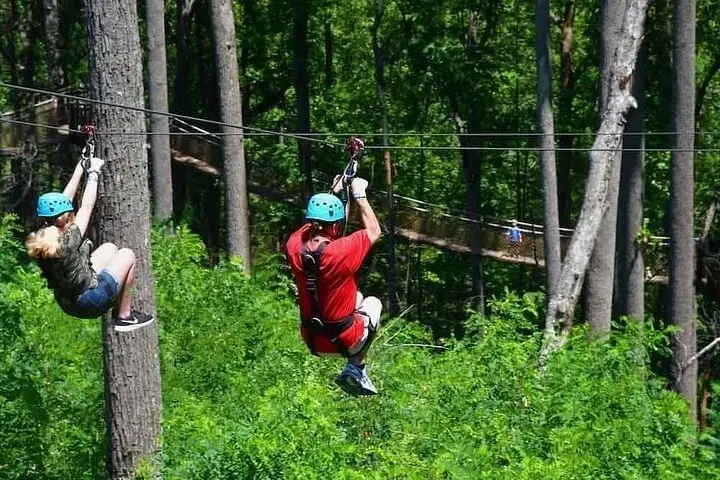
Less than two hours from Nairobi, Kereita Forest pairs hands-on canopy adventure with quiet montane trails and a sobering colonial history—perfect for families, teams, and curious travelers seeking a full-day pulse of nature.
 Related story
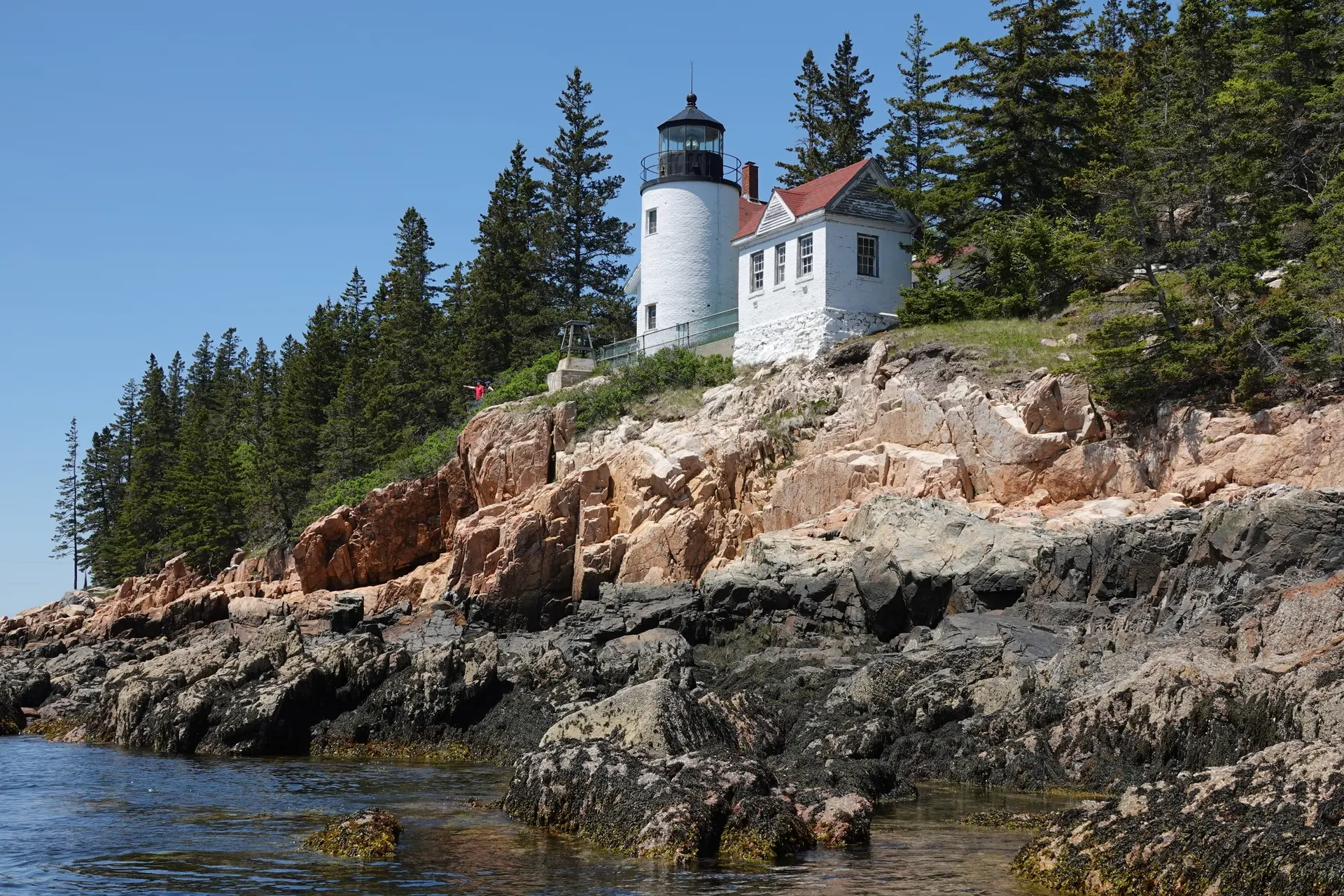
Set out from Bass Harbor for a private, customizable day on Blue Hill Bay — lighthouses, puffins, seals, and the chance to feel Acadia from the water. Small groups, local captains, unforgettable views.
 Related story
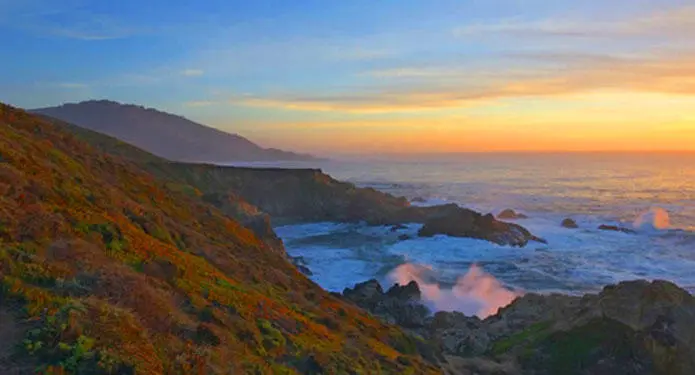
In four hours you can move from shaded canyon ferns to wind-scoured coastal ridgelines, guided by someone who knows where the light—and the hidden views—live. This private half-day hike on the Monterey Peninsula or Big Sur is compact, curated, and perfect for travelers who want depth without a multiday commitment.