
What the day feels like
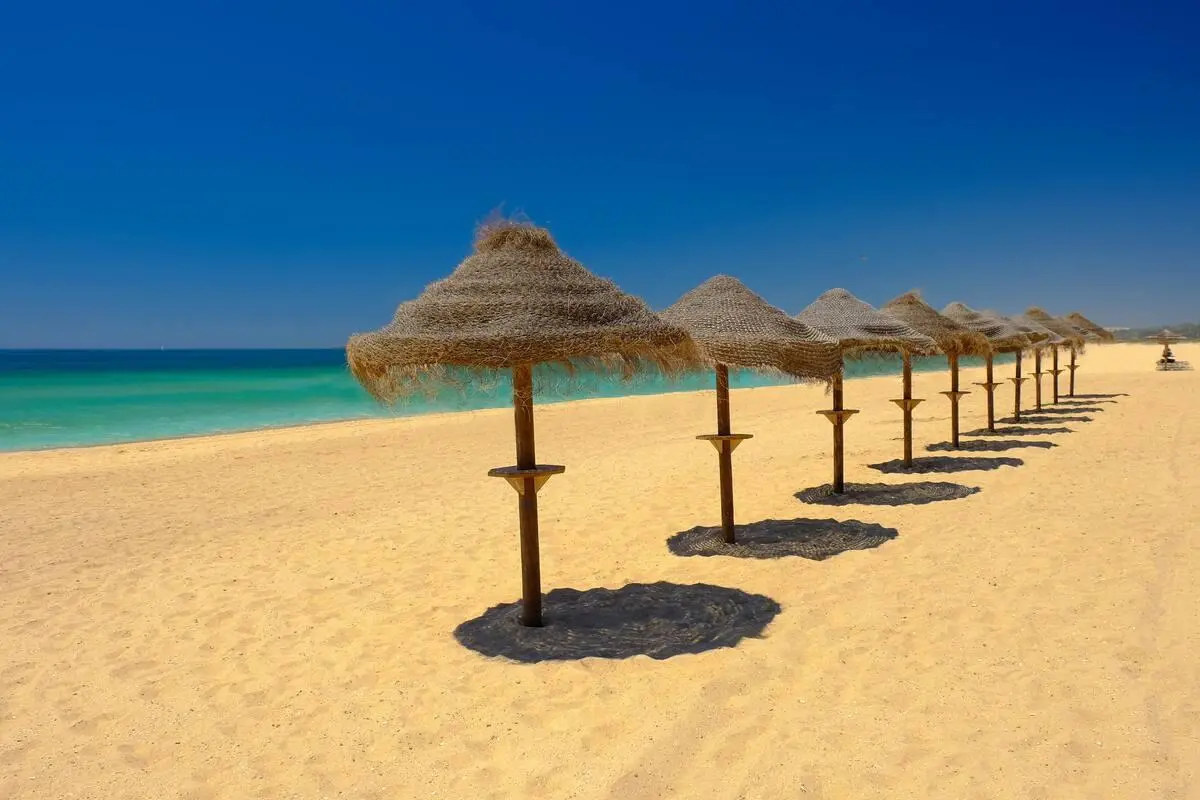
The boat slips from the bay before the light softens into noon, the motor a low, steady heartbeat beneath the teak deck. Onboard, the horizon feels like a promise: a strip of white sand, a bargain of sky and limestone cliffs, and below, water that shifts from aquamarine to an impossible Mediterranean blue. This is Kiotari Beach — not the loud, club-studded shore of travel brochures but a sun-bleached ribbon on Rhodes’s southeast flank where the sea invites you with deliberate calm.
Kiotari’s first impression is tactile. The sand is warm and coarse beneath barefoot, the Tamarisk trees lining the road offer small, brackish shade, and the surf tugs at your ankles as if testing your resolve. But the real magnet here is offshore: a day-sailing trip along the Lindos coastline that threads hidden coves, snorkel-ready reefs, and a “Blue Lagoon” so clear you can count the shadow of your fingers under the surface. On a small, six-hour day sail limited to six people, the Aegean becomes intimate — a place of quiet conversation, lemon-scented sailing spray, and the sudden, joyous flash of dolphins cutting across your bow.
Geologically, Kiotari sits on the same limestone spine that shapes much of Rhodes’s eastern shore — cliffs and terraces weathered into soft ledges, pockets of scrub that scent the air with thyme in July. Historically, this stretch of coast is in Lindos’s province, an area layered with the footprints of civilizations; the Acropolis of Lindos, clinging to its promontory nearby, was a Hellenistic stronghold and later a Byzantine watchpost. That history is visible in the stones of the villages and the slow, local rhythms: fishermen hauling modest nets, tavernas serving grilled octopus, and small family-run hotels that remember what hospitality means.
The day sail that most visitors sign up for from this stretch is built for easy pleasure. Expect a professional skipper, a light lunch and drinks, a couple of long snorkel stops in sheltered coves, and the luxury of a small group where everyone gets a turn to sun on the foredeck or sit in the shaded cockpit. The voyage typically loops along the Lindos-Pefkos coastline and may return via Lardos — a coastline of small beaches and rugged coves that reward swimmers and camera shutters alike.
This slot of the Aegean is not a high-adrenaline playground. The sail is best described as moderate: it asks only that you be comfortable on a small boat and able to swim. But it yields big returns — quiet bays, the possibility of dolphins, and snorkel sites where Posidonia-covered bottoms hide wriggling sea life. If you’re a hiker, combine the sail with a morning walk up to the Acropolis of Lindos before boarding; if you’re a family, pick a later July morning when the water is warmest.
Practical edge: book early. Operators run small boats (often max six people), so availability during July and August is limited. Meltemi winds can flare in midsummer; the sea that flatters you in June can be choppier in July and August, and captains will adjust routes accordingly. Sunscreen and water shoes are not optional here — the limestone seabeds and sun-slick decks reward preparedness.
Local culture is part of the journey. After a swim off a sun-dappled cove, lunch is likely a mezzé of grilled fish, lemon-dressed salads, and crusty bread — simple, local, and satisfying. In the villages around Kiotari, you’ll find small bakeries turning out koulouri and family tavernas where locals linger over raki and stories until late.
For planning: aim for early summer or late September to enjoy warm water and lighter crowds. Bring a snorkel mask if you’re particular about fit; while tours provide basic gear, a personal mask will be clearer and more comfortable. Keep an eye on conservation: the seagrass meadows that cushion these waters are vital habitat and easily damaged; follow your captain’s guidance on anchoring and avoid stepping on Posidonia when snorkeling.
At dusk, head to a taverna in nearby Lindos for a slow meal and a view of the Acropolis lit like an island of stone against the darkening sky. The day’s tide and the island’s ancient patience conspire to make Kiotari more than a stop on a map — it’s a seaside chapter where the sea speaks softly, and you can choose to listen.
Why go? Because Kiotari offers the best of small-boat sailing on Rhodes: intimate group sizes, approachable swims, a coastline that mingles natural beauty with history, and a chance — often realized — to spot dolphins in the blue. It’s the kind of day that’s both restful and rich in encounters: a pinch of motion, generous light, and the sea reminding you that travel is, at its best, a practice in attending.
If you’re planning the trip, match your expectations to the season, respect the marine environment, and lean into the slow pleasures: an unhurried swim, a nap on the foredeck, and a glass of chilled white wine while the captain points out a distant bluff. Kiotari isn’t flashy. It’s honest: a beach that keeps company with the Aegean, a coastline shaped by time, and a sailing day that gives you small, unforgettable pieces of a larger Greek island story.
Trail wisdom
Small choices, better day.
Book small-group sails early
Tours are limited to a few passengers; reserve weeks in advance during July–August to secure preferred dates and times.
Bring reef-safe sunscreen
Protect the water and your skin—many tours enforce reef-safe products to preserve Posidonia meadows and marine life.
Pack water shoes
Limestone coves and uneven pebbly beaches reward protective footwear for easy entry and exit during snorkel stops.
Time it to avoid the Meltemi
If you’re sensitive to wind, choose June or September; July–August can bring stronger northerly Meltemi winds that alter itineraries.
Local knowledge
Read the place, not just the route.
Watch for native species including Bottlenose dolphins, Loggerhead sea turtles (Caretta caretta).
Keep an eye out for wildlife during the transition between areas and habitats. Respect distance guidelines.
Seagrass (Posidonia oceanica) meadows are vital to local marine ecosystems; operators avoid anchoring on these beds and encourage guests to use reef-safe products.
Follow the guide's instructions on size limits, ethical handling, and leave-no-trace practices.
A sheltered north-facing cove between Kiotari and Lardos with glassy water for kids’ snorkeling. A small family taverna in Pefkos that serves grilled local fish with lemon and thyme—arrive early for terrace seating at sunset
Locally recommended viewpoints and quiet spots known best to local operators.
The Lindos area near Kiotari has been inhabited since ancient times; the Acropolis of Lindos reflects Hellenistic and Byzantine layers of history visible across the coast.
Maritime roots and regional tradition shape the waterways and working coasts.
Seasonal guide
Four versions of the same landscape.
Spring
Best forCalmer seas · Wildflower-covered headlands · Fewer crowds
ChallengesCooler water temperatures · Unpredictable early winds
Spring offers quieter beaches and blooming scent on the headlands; water can still be cool but sailing is generally pleasant for daytime trips.
Summer
Best forWarm water swims · Long daylight hours · Consistent boat schedules
ChallengesPeak crowds · Meltemi winds in July–August
Summer is peak season with warm sea temps and many daily departures; expect crowds and occasionally choppier conditions when the Meltemi blows.
Fall
Best forWarm seas lingering into September · Reduced crowds · Clear visibility for snorkeling
ChallengesShortening daylight · Some operators reducing schedules late in season
Early fall (September) is often the sweet spot—warm water, calmer seas, and fewer tourists; by late fall services taper off.
Winter
Best forStorm-watching and low-season quiet · Photography of rough-coast drama
ChallengesMost tours suspend operations · Cool, windy weather
Winter is off-season for day sails; the coastline is dramatically beautiful but boat tours are limited and sea conditions are often unsuitable for swimming.
Pack with intention
What to bring.
Good to know
Common questions.
Typical day sails last about six hours, including multiple swim and snorkel stops and a light lunch.
Plan the edges
The details that make the day easier.
The Medieval City of Rhodes—on the same island—is a UNESCO World Heritage Site, reflecting Rhodes’s long history as a crossroads in the Aegean.
Meals are often fresh and local: expect grilled fish, lemon, capers, and simple salads in family-run tavernas; pair with local rosé or chilled white wine and end with a spoonful of loukoumi or baklava.
- Duration
- ~6 hours | Group size: up to 6 | Inclusions: captain, light lunch, drinks, toilet onboard | Departure area: Lindos
- Pefkos coast | Best for
- swimmers, small groups, families.
Choose operators who limit group sizes, use designated moorings, and enforce reef-safe product use; avoid single-use plastics and follow no-touch rules in seagrass meadows.
Explore by topic
Follow the threads.
Keep exploring
Make the story part of the trip.
 Related story
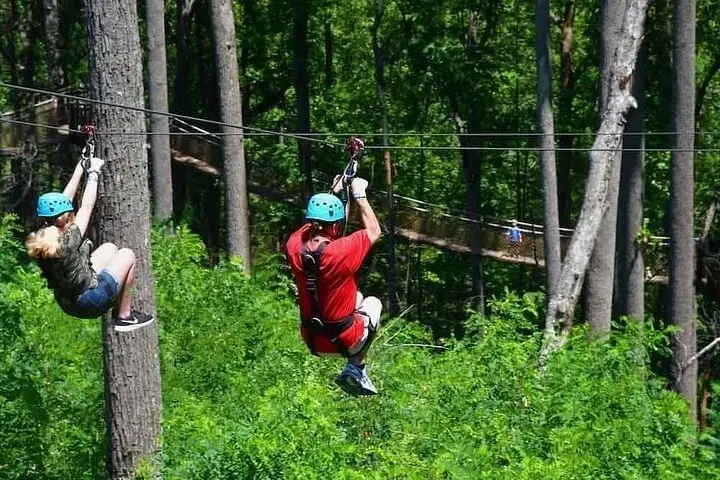
Less than two hours from Nairobi, Kereita Forest pairs hands-on canopy adventure with quiet montane trails and a sobering colonial history—perfect for families, teams, and curious travelers seeking a full-day pulse of nature.
 Related story
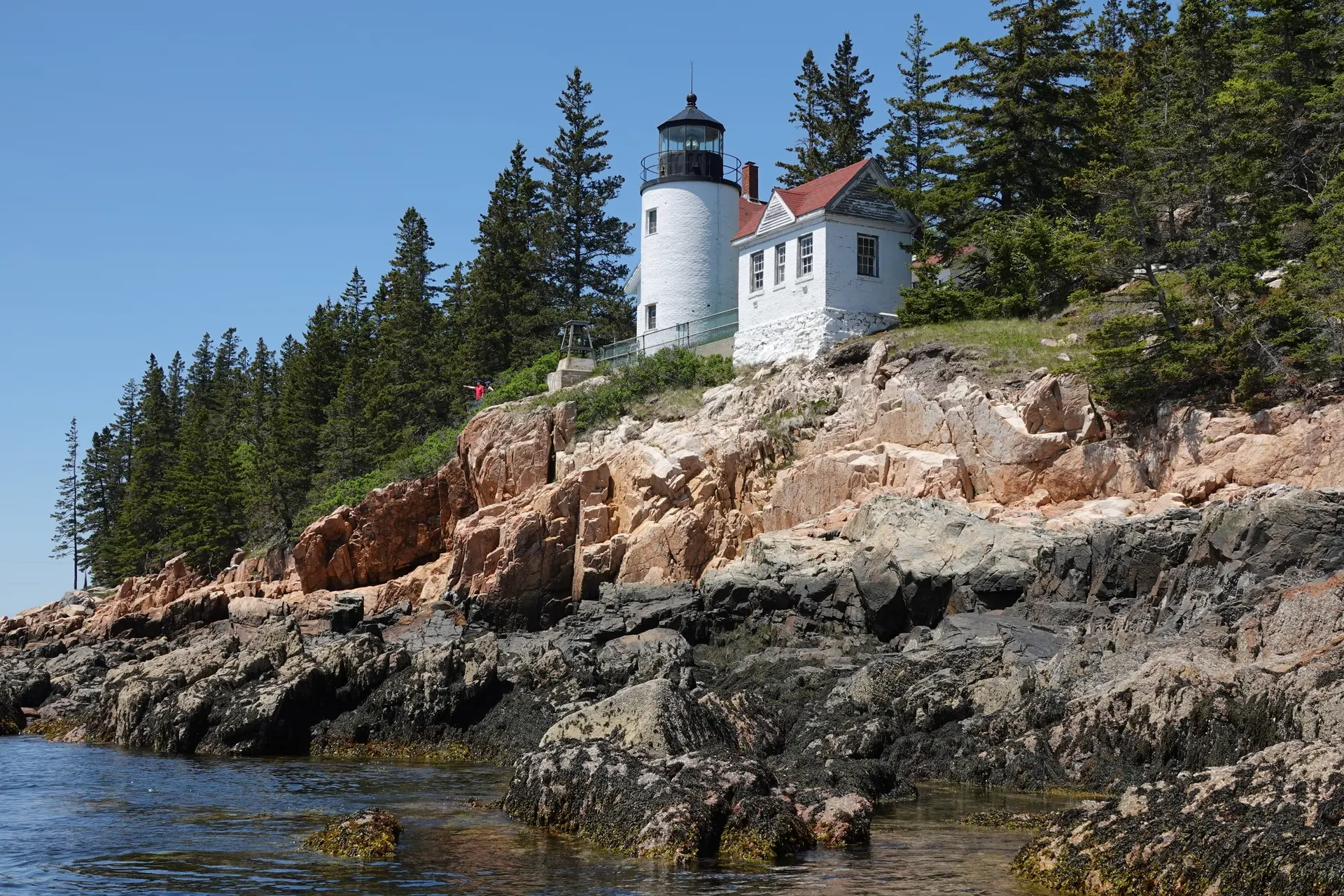
Set out from Bass Harbor for a private, customizable day on Blue Hill Bay — lighthouses, puffins, seals, and the chance to feel Acadia from the water. Small groups, local captains, unforgettable views.
 Related story
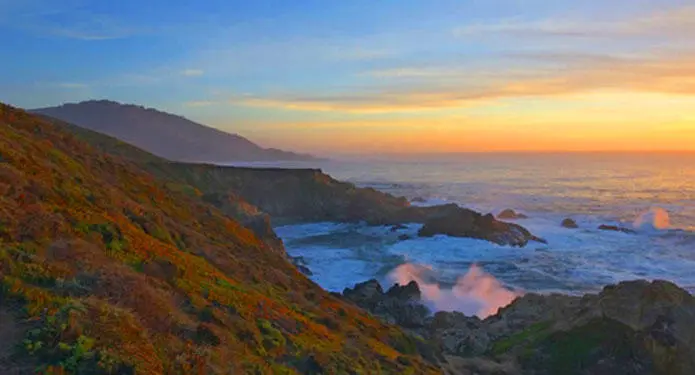
In four hours you can move from shaded canyon ferns to wind-scoured coastal ridgelines, guided by someone who knows where the light—and the hidden views—live. This private half-day hike on the Monterey Peninsula or Big Sur is compact, curated, and perfect for travelers who want depth without a multiday commitment.