
What the day feels like
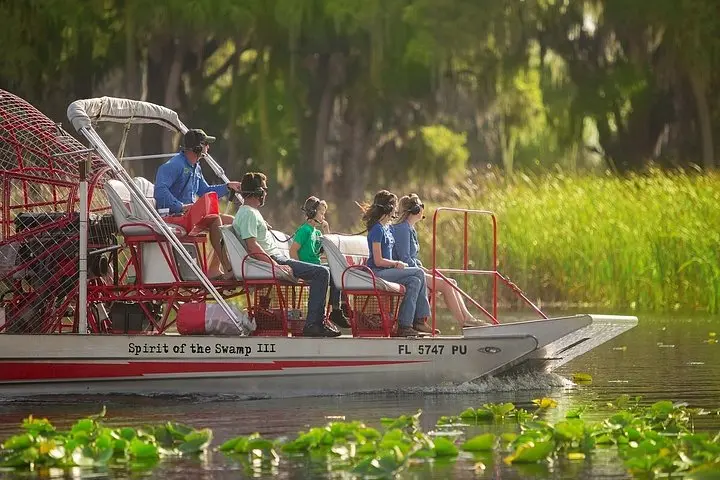
The airboat wakes like an impatient animal—metal teeth spinning, a low thunder that vibrates the hull under your feet—then surges forward, carving a silver ribbon across a mirror of marsh grass. In Kissimmee, ninety minutes is enough time to feel the world tilt: the city grid fades behind you, the soft geometry of sugarcane and subdivisions gives way to ragged green, and the wetlands open like a secret. Your private captain eases you into that silence-between-engines that only marsh people know, and for a moment the only conversation is the slosh of reeds and the sharp, impatient call of a limpkin somewhere over the sawgrass.
This is Central Florida away from the theme-park neon: an old landscape that predates settlement and now exists at a crossroads. The shallow marshes around Kissimmee are the northern headwaters of the Everglades—Shingle Creek runs through this basin—and the hydrology here is simple and profound. Water moves slowly south, carrying with it a collagen of life: alligators lying flat as knots of wood; great egrets that pin themselves like white punctuation against the horizon; turtles sunning on emergent logs. On a private airboat, you’re not just watching wildlife, you’re moving through the water as it moves through history.
Geologically, the low ridge-and-basin topography of Central Florida channels the rainfall into a mosaic of marshes and sloughs that have, for millennia, defined human settlement in the region. Indigenous peoples used these waterways as thoroughfares; later, cattlemen and citrus farmers learned to read the flood cycles. Today, the marshes are a fragile edge—pressured by development, water management changes, and invasive species—but still remarkably rich. Piloting an airboat through the grass is a practical, direct way to sense those dynamics: you get close enough to see the telltale scar on a gator’s tail, the tiny arrow of a swallow’s flight, and the shifting seam where dark peat gives way to open water.
A 90-minute private airboat tour in Kissimmee is short enough for anyone to handle and long enough to reach quieter channels. Because this tour is private, captains can thread into narrower sloughs, linger for good light, and answer questions without cutting the experience short. There are no grand overlooks or summit certificates—this is observation by intimacy. You’ll hear a captain point out how water depth affects wading-bird feeding, why certain plants root in patches, and where turtles haul out when the sun is high. Keep your camera ready; the light in these wetlands is wide and honest, and the animals have a practiced tolerance for the hum of an airboat.
Practical planning matters more here than bravado. The summer sun in Florida is relentless; boat spray, sunscreen, and a hat are your friends. Mosquitoes are seasonal actors—annoying but manageable with DEET or permethrin-treated clothing when necessary. Most operators provide lifejackets and water, but on a private tour you should confirm exactly what’s included. The trip runs 90 minutes and typically departs from Kissimmee-area launches; the tour price starts from about $79 per person but varies with private-group rates and extras.
Culturally, Kissimmee sits at a crossroads of Floridian identities—Old Florida hunting and ranching, a huge Hispanic and Caribbean community, and the newer tourist economy radiating out from Orlando. After a wetland run, local flavors are a treat: a simple plate of black beans and rice or the Cuban-Dominican hybrids you’ll find in downtown Kissimmee feel like a good, grounding next chapter to the morning’s wildlife theatre. Old Town Kissimmee, with its retro carnival aesthetic, often serves as a surprising and friendly bookend to the quiet of the marsh.
If you go: choose morning slots for softer light and calmer winds, and avoid the late-afternoon thunderstorms of summer. Ask to go deeper than the main channels; private tours sell their time by access, and most captains know little, seldom-seen forks that reward patience. Bring a mid-range telephoto for wildlife (200–300mm is practical), polarized sunglasses to reduce glare, and layers—early mornings in winter can be cool on the water.
On a private airboat you’ll find a rhythm that alternates between gust and hush, speed and slow drift. There’s an elemental satisfaction in watching the landscape unfold—shallow water interleaved with islands of marsh grass like pieces of a living mosaic—and in the knowledge that this place exists because water keeps moving through it. For travelers who crave wildlife and want an accessible, hands-on way to connect with Florida’s wet side, a 90-minute private airboat tour in Kissimmee is efficient, intimate, and honest. It’s not a theme-park spectacle; it’s a small wilderness, moving just slowly enough for you to notice the details.
Trail wisdom
Small choices, better day.
Morning Light Is Best
Book early departures for calmer winds, cooler temperatures, and the best wildlife activity.
Bring Layered Clothing
Early mornings can be cool on the water; mid‑day can be hot and wet—layers keep you comfortable.
Pack Water & Sunscreen
Even on short tours you’ll be exposed to sun and spray—hydrate and protect your skin.
Listen to Your Captain
Captains know the marsh’s pulse—follow guidance about leaning, stepping, and no‑feeding rules for wildlife.
Local knowledge
Read the place, not just the route.
Watch for native species including American Alligator, Great Egret.
Keep an eye out for wildlife during the transition between areas and habitats. Respect distance guidelines.
Local conservation groups work to protect Shingle Creek and adjacent marshes—support guided tours that practice leave‑no‑trace and avoid disturbing nesting sites.
Follow the guide's instructions on size limits, ethical handling, and leave-no-trace practices.
Shingle Creek headwaters access points and small canoe launches for a quieter paddle. Old Town Kissimmee for retro shops and a low‑key meal after your tour
Locally recommended viewpoints and quiet spots known best to local operators.
Shingle Creek is often cited as the northernmost headwaters of the Everglades and has long been a corridor for Indigenous people and early settlers.
Maritime roots and regional tradition shape the waterways and working coasts.
Seasonal guide
Four versions of the same landscape.
Spring
Best forBirdwatching · Mild temperatures · Photographic light
ChallengesVariable water levels · Early migratory movements
Spring offers mild weather, active wading birds, and excellent light—expect shifting water depths as the marsh responds to seasonal rains.
Summer
Best forLush vegetation · Alligator visibility · Longer daylight
ChallengesAfternoon thunderstorms · High heat and humidity
Summer shows the wetlands at their greenest but plan for heat, insects, and frequent storm cells—morning trips are preferable.
Fall
Best forFewer crowds · Comfortable temperatures · Post‑breed wildlife activity
ChallengesHurricane season tail effects · Cooling nights
Fall balances warm days with cooler mornings—wildlife is active after breeding season and crowds thin out.
Winter
Best forCooler mornings · Clear air for photography · Migratory birds
ChallengesCool temperatures on the water · Some species less active
Winter brings crisp light and comfortable temps for touring; mornings are brisk but often the most photogenic.
Operator details
What the booking data adds.
Included
- ✓Playground
- ✓Restrooms
- ✓Ear Protection
- ✓Pavilions
- ✓Parking Fees
Not included
- —Sun Block
Good to know
- ✓Suitable for all physical fitness levels
- ✓Ages 2 and under must weigh at least 18 lbs. to ride the boat.
- ✓The total weight of the group should be not greater than 1200 lbs.
Pack with intention
What to bring.
Good to know
Common questions.
Captains can often get within safe viewing distance of basking alligators—typically tens of feet—without disturbing them; exact proximity depends on animal behavior and safety regulations.
Plan the edges
The details that make the day easier.
Shingle Creek, which runs through Kissimmee, is recognized as the northernmost headwater of the Everglades—an important hydrological connection in South Florida.
After your tour, head into downtown Kissimmee for Cuban‑influenced sandwiches, fresh seafood plates, or a local craft brewery—Old Town offers retro rides and casual eateries that pair well with a wetland morning.
- Closest airport
- Orlando International Airport (MCO)
- Typical drive
- ~25–35 minutes to Kissimmee launch sites
- Cell service
- Good near town, intermittent in remote marsh channels
- Permits
- None for commercial tours—book online and check parking fees
This area is part of the larger Everglades watershed—choose operators that practice responsible wildlife viewing, stay in designated channels, and pack out all trash to minimize impact.
Explore by topic
Follow the threads.
Keep exploring
Make the story part of the trip.
 Related story
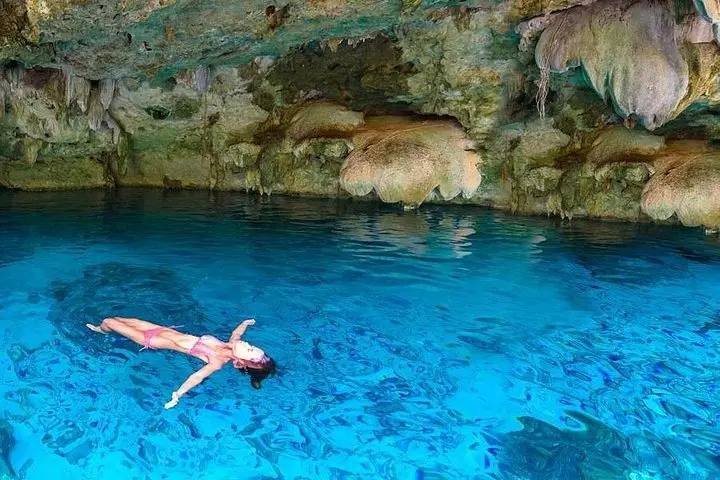
Dive into the Yucatán’s secret freshwater caverns and drift over the shallow reef gardens of Yalku Lagoon—an accessible, half-day snorkel pairing that blends geology, Mayan history, and vivid marine life.
 Related story
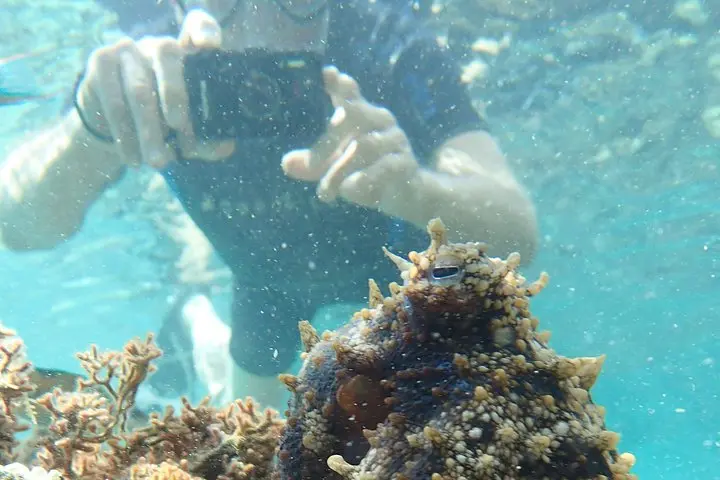
Slip beneath Porto Santo’s sunlit surface to find a mosaic of seagrass meadows, volcanic shelves, and playful schools of fish. This three-hour snorkeling tour pairs small-group access with local stewardship—ideal for travelers who value marine life over crowds.
 Related story
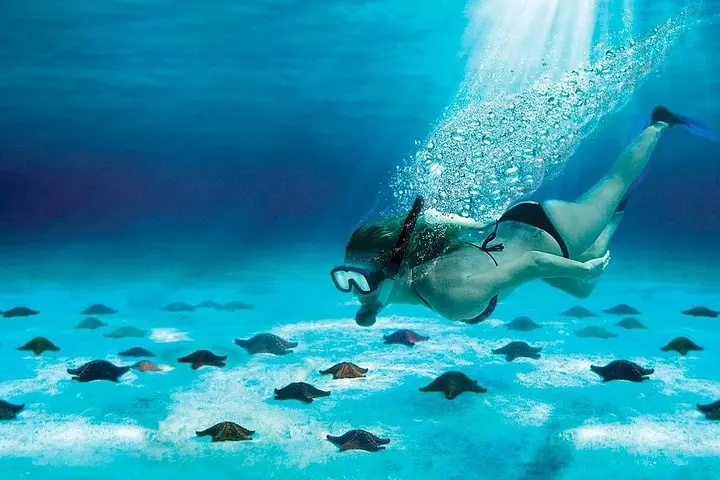
Spend a day on a high-speed boat exploring Cozumel’s famed reefs and the shallow sand flats of El Cielo. This full-day trip offers clear water, abundant marine life, and guided snorkeling at three prime sites—ideal for both first-timers and seasoned reef lovers.