
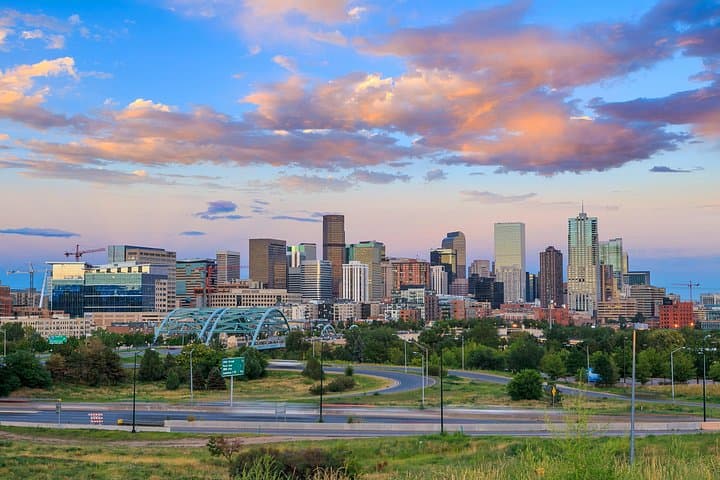
What the day feels like
The headphones click into place and the city leans in. At street level Denver is compact and candid — a sprawl of sandstone facades, craft-beer patios, and the steady shuffle of commuters — but the audio tour peels back a second layer: stories of gold rush gambits, railway fortunes, and the small, stubborn neighborhoods that stitched the Mile High City together.
Start where the rails still hum: Union Station’s clocktower keeps a careful eye on arrivals, while the 16th Street Mall stretches like a promise of storefronts and street musicians daring you to wander. For 90 minutes the app becomes your guide, narrator and occasional instigator — dropping trivia, prodding you toward a side street, coaxing you to solve a puzzle that ends with a view over the Platte River. The route feels like a conversation with Denver: brisk, occasionally witty, always rooted in place.
Geology and altitude are quiet characters in the story. Denver sits on a high plain at the edge of the Rockies; the Front Range looms to the west, granite and uplifted sediment visible on clear days. That geologic drama is why the city exists here at all — trails of minerals and the 1858 Colorado Gold Rush that first drew prospectors and then railroad barons. The city’s architecture remembers those decades: brick warehouses in LoDo (Lower Downtown) with ironwork balconies, ornate sandstone civic buildings that mark a time when Denver wanted to look like it would last forever.
Culturally, the audio tour is smart about texture. It traces the arc from Indigenous presence to Denver’s founding and boom years, names the communities that shaped neighborhoods, and drops modern notes — the craft-brew scene that sprang from Basque-immigrant and miner hangouts, the galleries along Santa Fe, and the revitalized waterfront at Confluence Park where kayakers and dog walkers claim the same sun. The app’s games give the history a tactile edge: identifying old storefront motifs, matching years to events, or recording a short group answer to a local riddle. It’s playful without being trivial.
Practically speaking this is a walking tour built for people who like to think on their feet. Expect 1.8–2.5 miles of mostly flat pavement and occasional city steps; Denver’s elevation is the real variable rather than steep terrain. The walk’s brevity is deliberate: 90 minutes is enough to create momentum without fatigue, and the private-tour option means your group can take a longer coffee break without losing narrative continuity.
Timing matters. Late spring and early fall bring the softest light and the most cooperative weather; summer offers long evenings but sudden afternoon storms are frequent. Winter temperatures can be bracing; if you come in snowy months, plan for icy sidewalks. The app works offline once downloaded, but you’ll want a charged phone, good headphones, and a portable battery if you plan to take photos or detour into museums.
There’s also a civic chorus playing in the background: ongoing river restoration projects, community murals, and small businesses staking claims in gilt-fronted buildings. That makes the tour both an orientation to the city and a reminder that urban places are living landscapes — histories layered on present-day livelihoods.
Why choose an audio tour over a standard walking guide? Because it lets you move at human speed and still catch the big arcs. Instead of following a group led by a single personality, the app hands narration to a producer who knows when to be concise and when to linger. For solo travelers, it feels like a companion; for groups it becomes a shared puzzle that turns downtown into a playground.
For a first-time visit to Denver, this is an efficient, uplifting introduction. For repeat visitors or locals, the puzzles and lesser-known vignettes — the story of a vanished theater, the origin of a street nickname — make it worth taking again. The tour’s private option turns it into a low-stress team-builder or celebration: a bachelorette party that wants to laugh and learn, a birthday group that prefers a walking scavenger hunt to a bar crawl.
Finish near Civic Center Park or the Confluence, and you’ll have plenty of options to extend the day: a museum visit, a coffee in Larimer Square, or a pint at a brewery that remembers when the neighborhood smelled more of coal smoke than coffee beans. That aftertaste — good urban food, accessible public spaces, and stories that stick — is the real takeaway. This audio tour delivers Denver in human-sized bites: immediate, rooted, and quietly proud of its altitude.
If you go: give yourself a fully charged phone, commit to walking at least two miles, and leave time afterward to sit somewhere local and let the city’s murmur settle into something you’ll remember.
Trail wisdom
Small choices, better day.
Charge your device
Bring a portable battery and fully charge your phone—audio and GPS drain power quickly.
Bring comfortable shoes
Expect 1.8–2.5 miles on pavement—supportive walking shoes will keep you moving easily.
Hydrate at altitude
Denver sits at 5,280 ft—sip water before and during the walk to avoid mild altitude effects.
Download offline
Download the tour content and map before you start to avoid data issues and ensure smooth playback.
Local knowledge
Read the place, not just the route.
Watch for native species including Peregrine falcons nesting on downtown buildings, Ducks and occasional herons along the Platte River.
Keep an eye out for wildlife during the transition between areas and habitats. Respect distance guidelines.
River restoration projects along the South Platte and Cherry Creek focus on habitat and public access—stick to designated paths and support local conservation groups.
Follow the guide's instructions on size limits, ethical handling, and leave-no-trace practices.
Alley murals off Larimer Square. River overlook at Confluence Park
Locally recommended viewpoints and quiet spots known best to local operators.
Denver grew quickly after the 1858 Colorado Gold Rush and was shaped by railroads and mining fortunes; Union Station and LoDo preserve much of that 19th-century character.
Maritime roots and regional tradition shape the waterways and working coasts.
Seasonal guide
Four versions of the same landscape.
Spring
Best forMild temperatures · Blooming parks · Fewer tourists
ChallengesUnpredictable showers · Cool evenings
Spring brings comfortable walking weather and flowering trees, though brief rain showers are common—dress in layers.
Summer
Best forLong daylight hours · Outdoor patios · Evening events
ChallengesAfternoon thunderstorms · Strong sun at altitude
Summer evenings are long and lively; start earlier to avoid sudden storms and use sunscreen for high-altitude sun.
Fall
Best forCrisp air · Fall foliage · Festival season
ChallengesShortening days · Variable temps
Fall is ideal for clear skies and mild weather; pack a light jacket for cooler mornings and nights.
Winter
Best forSnow-dusted cityscapes · Fewer crowds · Holiday markets
ChallengesIcy sidewalks · Cold temps
Winter offers stark beauty and quieter streets—wear traction-friendly boots and an insulated layer.
Operator details
What the booking data adds.
Included
- ✓Digital Copies of your scavenger hunt photos
- ✓App Access
- ✓Customer support
Good to know
- ✓Wheelchair accessible
- ✓Infants and small children can ride in a pram or stroller
- ✓Service animals allowed
- ✓Public transportation options are available nearby
- ✓Not recommended for travelers with spinal injuries
- ✓Not recommended for pregnant travelers
- ✓Not recommended for travelers with poor cardiovascular health
- ✓Travelers should have at least a moderate level of physical fitness
Pack with intention
What to bring.
Good to know
Common questions.
The experience is 90 minutes and typically covers about 1.8–2.5 miles of mostly flat urban terrain.
Plan the edges
The details that make the day easier.
Denver’s State Capitol has a step on its exterior marked at exactly 5,280 feet above sea level — the origin of the city’s ‘Mile High’ nickname.
After the tour, grab a sandwich or pastry at Denver Central Market, stroll Larimer Square for historic brick and boutique shopping, then finish with a beer at Wynkoop Brewing Company near Union Station to taste a slice of local history.
- Closest airport
- Denver International Airport (DEN) — ~25–30 miles to downtown; Start point: Union Station, Downtown Denver; Driving: 25–40 minutes from DEN depending on traffic; Cell service: Reliable in downtown area; Permits: None required for the public audio tour
Support local businesses along the route, use public transit to reach the start, and avoid littering—urban ecosystems like the Platte River corridor benefit from responsible visitor behavior.
Explore by topic
Follow the threads.
Keep exploring
Make the story part of the trip.
 Related story
Less than two hours from Nairobi, Kereita Forest pairs hands-on canopy adventure with quiet montane trails and a sobering colonial history—perfect for families, teams, and curious travelers seeking a full-day pulse of nature.
Set out from Bass Harbor for a private, customizable day on Blue Hill Bay — lighthouses, puffins, seals, and the chance to feel Acadia from the water. Small groups, local captains, unforgettable views.
In four hours you can move from shaded canyon ferns to wind-scoured coastal ridgelines, guided by someone who knows where the light—and the hidden views—live. This private half-day hike on the Monterey Peninsula or Big Sur is compact, curated, and perfect for travelers who want depth without a multiday commitment.