
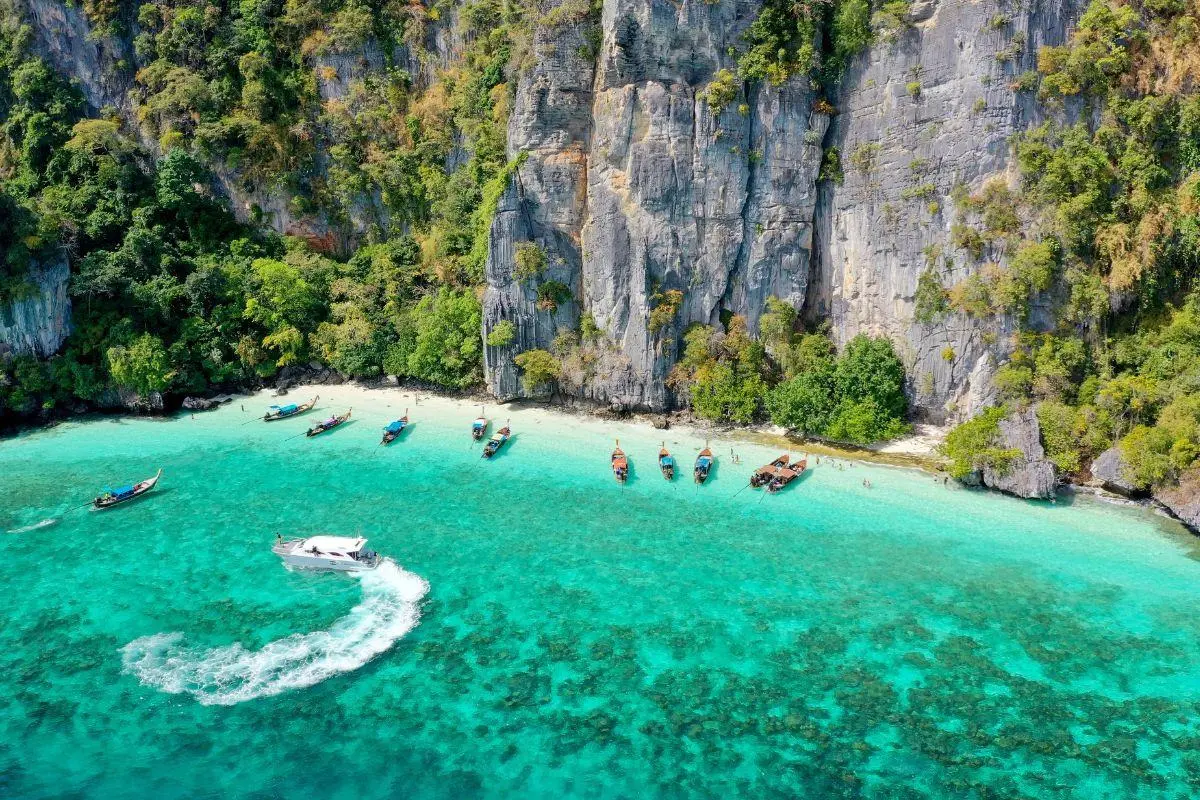
What the day feels like
The boat slips close to a reef of limestone teeth and turquoise that seems painted rather than real. A cluster of ragged rocks parts like a stage curtain, and behind it a narrow crescent of sand appears—Monkey Beach—its shoreline rimmed with casuarina trees and the quick, curious movements of long-tailed macaques. The first thing you notice is not the monkeys, though; it’s the sound of water tapping and the sea shrugging at the sand. Then one of the macaques leans forward, head cocked, as if to greet you, and the place crystallizes into a compact, vivid portrait of island life: exuberant, slightly mischievous, and unavoidably wild.
Monkey Beach sits on the northeastern edge of Ko Phi Phi Don, part of Hat Noppharat Thara–Mu Ko Phi Phi National Park. It’s one of those short, intense destinations—easy to reach from Tonsai Bay by longtail or speedboat, yet it feels like a different world. Boats unload visitors, photographers angle for the perfect shot of a macaque perched on a boulder, and snorkelers slip into water so clear you can watch coral gardens undulate with every current. Despite the crowds in high season, the beach still manages to feel immediate and elemental: waves that dare you to wade, cliffs that watch your passage, and the animals that claim the sand as their own.
Geology and history are close companions here. The Phi Phi archipelago was thrust out of the Andaman Sea by tectonic forces that folded limestone into dramatic cliffs and sheltered lagoons. Those same cliffs—jagged, karst towers—frame Pileh Lagoon and the famous Maya Bay nearby. For centuries, local fishermen and nomadic sea peoples navigated these waters; now speedboats stitch the islands into day-trip itineraries. Conservation pressures and overtourism have reshaped access—Maya Bay’s periodic closure is a reminder that these places are fragile and need breathing room to recover.
Culture on Phi Phi is island-paced and informal. Tonsai Village is where travelers land, and its low-rise cluster of guesthouses, restaurants, and dive shops is the hub. The national park controls visitor numbers and regulates activities, but it’s the local guides and boat captains—many born and raised in nearby provinces—who shape the experience: recommending a quiet stretch of beach, pointing out a nesting swiftlet cave, or timing a snorkeling stop to the hour when the water is most forgiving.
Why go to Monkey Beach now? For the simple, immediate pleasures: snorkeling over healthy reefs close to shore; watching macaques go about their business with brazen indifference; and using the beach as a waystation on a longer speedboat loop that includes Bamboo Island, Pileh Lagoon, and Viking Cave. Tours range from budget-friendly group speedboats to private yacht charters and evening cruises that queue up bioluminescent plankton—a nocturnal magic trick when the sea seems to have its own stars.
Practical edge: Monkey Beach is compact—expect a short landing area where boats dock and visitors filter in. Many day trips include a buffet lunch on Phi Phi Don, snorkeling gear, life jackets, and an English-speaking guide; premium options add scuba diving and private yacht comfort. If you prefer to walk, there’s a jungle path from Tonsai that takes 20–40 minutes and offers a quieter, sweat-earned arrival—but note the trail can be muddy and steep in wet months. Be realistic about your time: most speedboat tours allot 30–60 minutes for Monkey Beach—enough for a swim and a short stroll, not a long beach day.
Safety and etiquette matter. Monkeys here are habituated: they’ll inspect bags, snag food, and occasionally take what’s left unattended. Do not feed them. Store snacks and loose items in waterproof bags or leave them on the boat. Keep a respectful distance—macaques are wild animals and can bite. For snorkeling, reef-safe sunscreen and a basic mask set are sufficient; the currents around Phi Phi can be deceiving, so wear a life jacket if you’re not a strong swimmer.
Timing is everything. Early mornings are calmer—boats are fewer, light is soft for photographs, and the monkeys are more active on the sand. Late afternoons offer a different mood: the sea turns to oil-sheened teal, and fewer day-trippers mean more room to breathe. If you’re chasing a quieter experience, choose an afternoon tour that visits other islands first and drops you at Monkey Beach later in the day.
Conservation and local impact are part of the visit now. The national park enforces rules for anchoring, waste disposal, and beach access to protect coral and shoreline vegetation. Travelers can help by avoiding single-use plastics, choosing tour operators that follow park guidelines, and skipping interactions that alter monkey behavior—feeding is the fastest way to create dependency and conflict.
Logistics: From Phuket or Krabi, you’ll join a speedboat or a catamaran that usually includes hotel pickup. Expect a 45–90 minute transit depending on departure point and boat type. Bring cash for small purchases on Phi Phi Don and a lightweight dry bag for cameras and phones. If you plan to dive, book through reputable dive operators that service the area’s protected reefs.
Monkey Beach is not a remote wilderness expedition; it’s a concentrated island experience that blends wildlife encounters, snorkeling, and the theatre of boat travel. Approach it with curiosity, common sense, and a willingness to move on to less crowded coves during your trip, and it will repay you with crystalline water, nimble local monkeys, and the particular hush that comes when sea and sand briefly agree to show you something honest and unscripted.
Recommended tours include full-day Phi Phi speedboat circuits that pair Monkey Beach with Maya Bay, Pileh Lagoon, Bamboo Island, and Khai Nai—the classic route for first-time visitors. For a slower taste, a private yacht or late-afternoon cruise that includes snorkeling and a possible plankton display will change the tempo and the memory you take home.
Trail wisdom
Small choices, better day.
Arrive early or late
Morning light and late afternoons have fewer crowds and better photos; mid-day is busiest and hottest.
Secure your gear
Store food and loose items on the boat or in sealed bags—monkeys quickly target backpacks and cameras.
Use reef-safe sunscreen
Protect coral by choosing mineral-based sunscreen and rinsing off before snorkeling.
Respect the wildlife
Do not feed or attempt to touch macaques; observe from a distance to avoid bites and behavioral changes.
Local knowledge
Read the place, not just the route.
Watch for native species including Long-tailed macaque, Tropical reef fish (parrotfish, butterflyfish).
Keep an eye out for wildlife during the transition between areas and habitats. Respect distance guidelines.
The national park enforces seasonal closures and anchoring rules to protect coral and nesting sites; visitors are encouraged to avoid single-use plastics and not to feed wildlife.
Follow the guide's instructions on size limits, ethical handling, and leave-no-trace practices.
Pileh Lagoon — a jade-green sink surrounded by towering cliffs for sheltered snorkeling. Khai Nai Island — a small, less-crowded white-sand spit ideal for afternoon swims
Locally recommended viewpoints and quiet spots known best to local operators.
The Phi Phi islands are part of Hat Noppharat Thara–Mu Ko Phi Phi National Park and were historically used by fishermen and seafarers before tourism expanded in the late 20th century.
Maritime roots and regional tradition shape the waterways and working coasts.
Seasonal guide
Four versions of the same landscape.
Spring
Best forCalmer seas · Fewer tourists than peak winter · Good snorkeling
ChallengesOccasional afternoon showers · Humidity increases
Late spring keeps reduced crowds and warm water—expect intermittent showers and lush island vegetation.
Summer
Best forLower prices · Longer daylight hours · Boat-based island hopping
ChallengesMonsoon swells can close some routes · Rougher sea conditions
Summer can be hit-or-miss: excellent value but watch weather updates and flexible itineraries.
Fall
Best forQuieter beaches · Dramatic skies · Potential for bioluminescence on clear nights
ChallengesMaya Bay closed annually Aug 1–Oct 1 for rehabilitation · Shorter windows for calm seas
Autumn brings transitional weather—some closures but rewarding solitude on clear days.
Winter
Best forDry, calm seas · Peak visibility for snorkeling · Best weather Nov–Apr
ChallengesHighest visitor numbers · Advance bookings required
Winter (the dry season) is ideal for stable sea conditions and clear snorkeling, but arrive early in season to avoid crowds.
Pack with intention
What to bring.
Good to know
Common questions.
Most visitors arrive by longtail or speedboat from Tonsai Pier on Ko Phi Phi Don; many day tours from Phuket or Krabi include a stop at Monkey Beach.
Plan the edges
The details that make the day easier.
The Phi Phi islands, including Monkey Beach on Ko Phi Phi Don, are part of Hat Noppharat Thara–Mu Ko Phi Phi National Park, established in 1983 to protect the archipelago's marine and terrestrial ecosystems.
Tonsai Village is where island life happens—family-run seafood shacks, Thai curries, fresh fruit stands, and small dive shops. Try local grilled fish and a mango sticky rice at a beachside stall after your boat returns.
- Access
- boat from Tonsai Pier; Time from Phuket: 45–90 min by speedboat; Permits: national park fees often included in tour price; Cash: bring THB for small purchases; Best time: Nov–Apr for calm seas.
Choose operators that respect park anchoring rules, use reef-safe products, and discourage wildlife feeding; small choices—no plastic bottles, no touch photos—help protect coral and macaque health.
Explore by topic
Follow the threads.
Keep exploring
Make the story part of the trip.
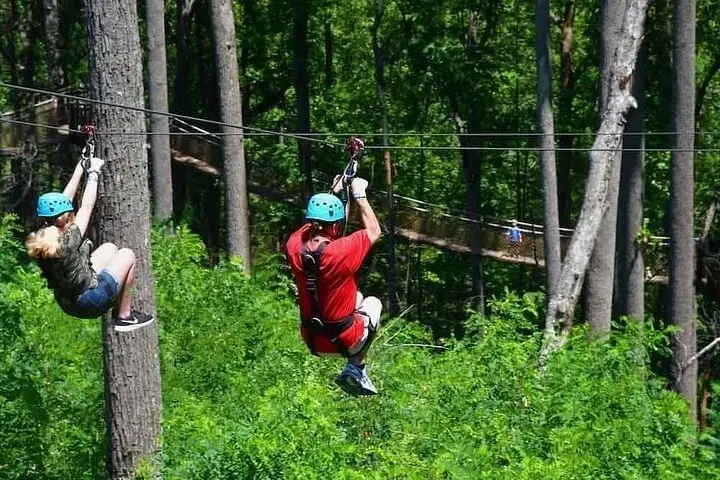 Related story
Less than two hours from Nairobi, Kereita Forest pairs hands-on canopy adventure with quiet montane trails and a sobering colonial history—perfect for families, teams, and curious travelers seeking a full-day pulse of nature.
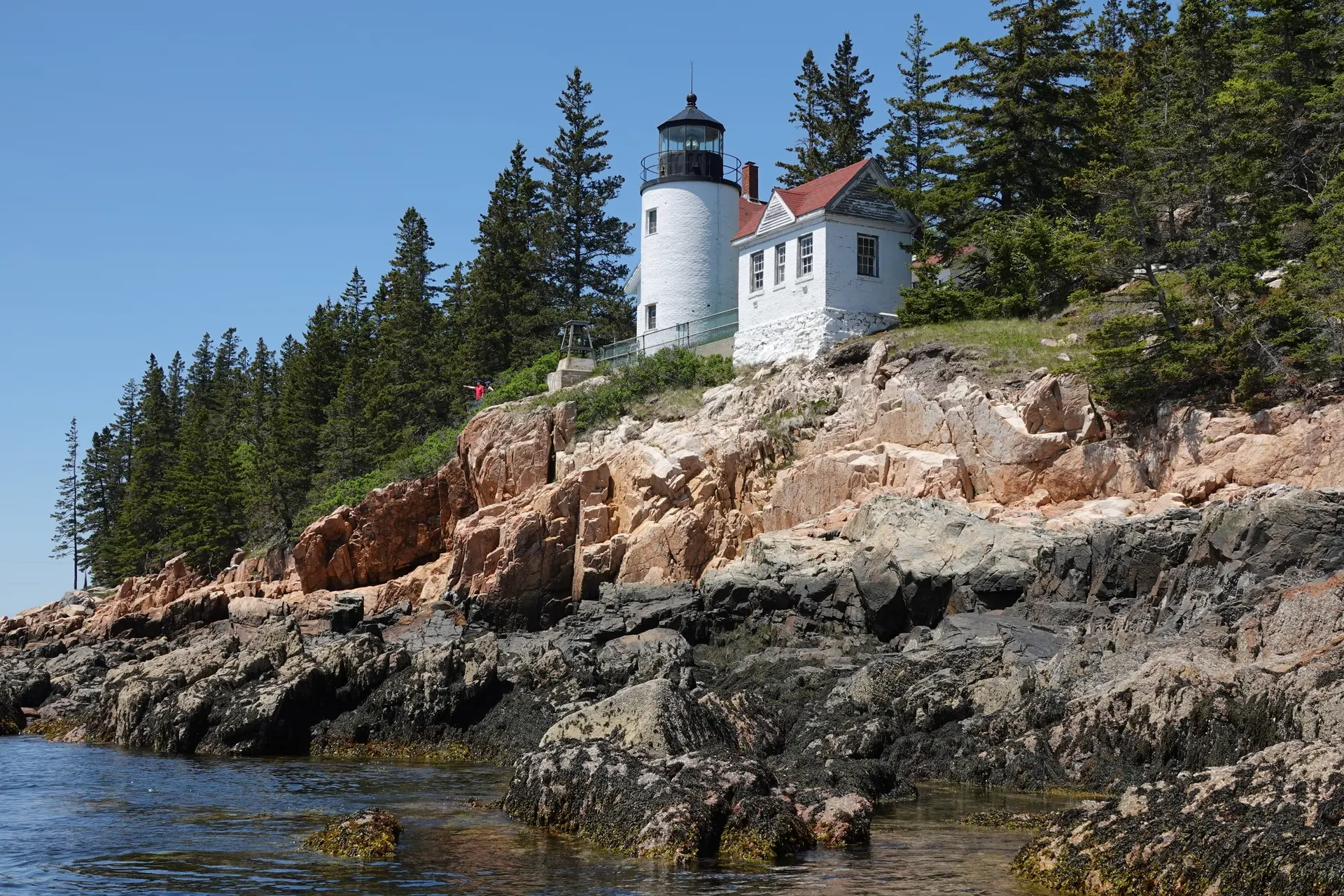 Related story
Set out from Bass Harbor for a private, customizable day on Blue Hill Bay — lighthouses, puffins, seals, and the chance to feel Acadia from the water. Small groups, local captains, unforgettable views.
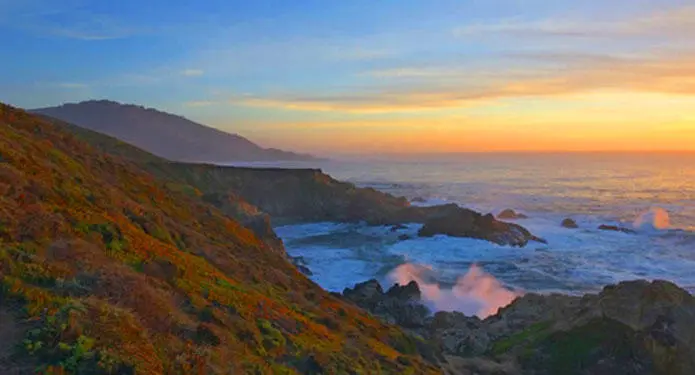 Related story
In four hours you can move from shaded canyon ferns to wind-scoured coastal ridgelines, guided by someone who knows where the light—and the hidden views—live. This private half-day hike on the Monterey Peninsula or Big Sur is compact, curated, and perfect for travelers who want depth without a multiday commitment.