
What the day feels like
The motorized canoe parts the river like a question, and the forest answers in layered sound: a low rumble of insects, the metallic chirp of unseen birds, and somewhere upriver a family of howler monkeys marking their territory with baritone whoops. On this 5-day Amazon Jungle Adventure, Manaus shrinks behind you—an architectural heartbeat of opera houses and rubber-era grandeur—and the river becomes the road, the rainforest both bedroom and classroom. You're traveling where water dictates schedules and trees keep time.
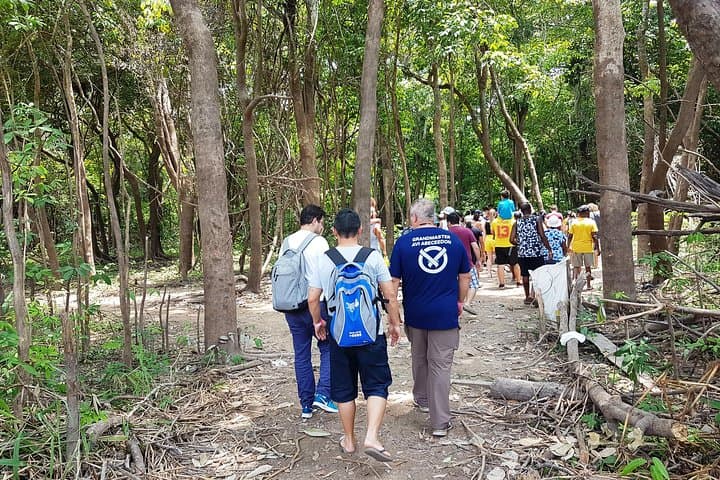
Daylight on the Amazon is bright and immediate. Mornings bring a cool, wet clarity: mist lifts off oxbow lakes and reveals glossy leaves like mirrors. Nights are humid and close, full of chorus and stealth. Expect a rhythm of short hikes along soft, sometimes muddy trails, slow boat transfers between channels, and nights spent in basic jungle lodging or riverside camps where electricity is intermittent and the only alarm is the daybreak chorus.
There’s geology written into every bend of this basin. The Amazon—cutting across a continental-scale lowland—carries a suspended history of erosion and deposition; oxbow lakes form where a river once looped and then surrendered. Soil here is often nutrient-poor, which is why the frenetic abundance of life seems counterintuitive: the rainforest survives through rapid nutrient cycling and complex ecological partnerships. Indigenous people and riverine communities have navigated and managed this balance for millennia, shaping a cultural mosaic of craft, medicine, and river lore that still informs how guides read the water and the weather.
Culturally, Manaus is the usual departure point. Built by rubber wealth in the 19th century—its Teatro Amazonas a gilded relic—you’ll find modern tour operators, local markets selling açaí and smoked fish, and boat mechanics who know every hidden channel. Once outside the city, the culture simplifies to river-time: seasonal fishing, chamomile-pungent stews of tucupi and jambu in local dishes, and an economy that hinges on sustainable tourism more and more each year.
Why sign up? For the obvious reasons—wildlife you won’t see anywhere else, the unnerving intimacy of a rainforest night, and the river’s slow pedagogy—and for smaller rewards: an early-morning paddle among water lilies, a piranha fishing lesson where every tug is a reminder that life here bites back, and the humbling sight of a pink river dolphin pivoting at the boat’s wake. Practical travelers will also appreciate that this particular trip is compact and bookable from Manaus, with instant confirmation and free cancellation—helpful logistics for both planners and impulsive travelers.
That said, the Amazon is not a gentle postcard. Expect humidity that clings like second skin, mosquitoes that treat netting like challenge, and trails that become ankle-deep mud in a tropical downpour. Physical demands are moderate—short uphill scrambles are rare, but you’ll be on your feet for several hours across the day, often on uneven, rooty ground. The trip’s roughly five days and four nights give you enough time to see river and shore ecologies shift with light and tide without the fatigue of a longer expedition.
Practical planning hinges on preparation more than bravado. Bring breathable long sleeves and pants to limit insect exposure; a good headlamp for nocturnal wildlife watches; a lightweight waterproof jacket for tropical squalls; and a pair of sturdy hiking shoes that can get wet and dry quickly. Hydration is non-negotiable—bring a reusable bottle and consider purification tablets if you plan to refill from natural sources. Guides will take care of local navigation, but your comfort depends on sensible layering and a willingness to simplify.
Safety and conservation are two sides of the same coin here. Stick to your guide’s path, avoid touching wildlife, and decline to feed animals—you’re a visitor, not a patron of their behavior. Use reef-safe sunscreen and biodegradable insect repellent to protect waterways, and pack out any non-biodegradable trash. The region’s biodiversity is fragile and priceless; responsible travelers are part of the solution.
For photographers and quiet observers, the Amazon rewards patience. Dawn and dusk are best for active wildlife; bright midday light is great for canopy textures and macro shots of leaves and insects. Slow your pace—wildlife in this forest notices motion, and stillness will yield better sightings than speed.
Logistics: the published price starts around USD 700, and the operator lists instant confirmation and free cancellation—convenient if your travel window is narrow. You’ll start in Manaus and spend several hours daily in boats and on short jungle hikes. The tour’s moderate pace makes it accessible for casual hikers who are comfortable in hot, humid conditions and for seasoned adventurers looking for a concentrated, wildlife-rich experience without the endurance demands of a full expedition.
The Amazon changes you in incremental ways. You measure distance in hours of river, not miles; you learn the language of bird calls and the weather-eye of a local guide; you rediscover the thinness of human control. Come ready to get wet, to rise very early for the first light, and to be small in a very big place. If you leave with more questions than answers, that’s part of the point—the river keeps them for you, like a book sealed by the current.
Trail wisdom
Small choices, better day.
Dress for bugs and sun
Lightweight long sleeves, long pants, and a wide-brim hat protect you from mosquitoes and sun during midday boat transfers.
Bring a headlamp
Night walks and riverside camps rely on headlamps—keep extra batteries in a dry bag.
Hydrate and purify
Carry a reusable bottle; carry purification tablets or a filter if you’ll refill from natural sources.
Protect camera gear
Use waterproof cases or dry bags—humidity and river spray are constant threats.
Local knowledge
Read the place, not just the route.
Watch for native species including Amazon river dolphin (boto), Howler monkeys.
Keep an eye out for wildlife during the transition between areas and habitats. Respect distance guidelines.
Support operators who follow strict ‘no feed’ wildlife policies, use biodegradable products, and hire local guides—sustainable tourism helps preserve fragile riverine ecosystems.
Follow the guide's instructions on size limits, ethical handling, and leave-no-trace practices.
Early-morning paddle among flooded forest channels at first light. An evening caiman-spotting cruise in quiet side channels
Locally recommended viewpoints and quiet spots known best to local operators.
Manaus rose to wealth during the 19th-century rubber boom—Teatro Amazonas remains a gilded symbol of that era—and river cultures have inhabited the basin for millennia.
Maritime roots and regional tradition shape the waterways and working coasts.
Seasonal guide
Four versions of the same landscape.
Spring
Best forLower river levels · Shoreline wildlife spotting
ChallengesUnpredictable showers · Some muddy trails
Spring begins to shift toward the wet season—expect a mix of dry days good for shoreline walks and sudden tropical rain.
Summer
Best forLush canopy imagery · Abundant insects and frog activity
ChallengesHigh humidity · Frequent heavy rain
Summer is typically wetter: rivers rise, trails flood, and boat travel dominates—bring waterproof gear.
Fall
Best forRiver fishing · Fewer tourists
ChallengesRising water can alter itineraries · Increased insect activity
Fall often sees increasing water levels; expect more time in boats and prime conditions for fishing and dolphin sightings.
Winter
Best forDry-season trails · Clear early-morning wildlife viewing
ChallengesCooler nights · Lower water limits some boat access
Winter—roughly July–September—is the drier, clearer time with exposed sandbanks and excellent wildlife visibility.
Operator details
What the booking data adds.
Included
- ✓Lunch
- ✓Dinner
- ✓Breakfast
Not included
- —Alcoholic drinks (available to purchase)
- —Hotel pickup and drop-off
Good to know
- ✓Infants are required to sit on an adult’s lap
- ✓Not recommended for pregnant travelers
- ✓Not recommended for travelers with poor cardiovascular health
- ✓Travelers should have at least a moderate level of physical fitness
- ✓Children must be accompanied by an adult
- ✓Vegetarian option is available, please advise at time of booking if required
Pack with intention
What to bring.
Good to know
Common questions.
Check with your healthcare provider for recommended vaccinations (yellow fever is commonly advised for Amazon travel) and consider malaria prophylaxis depending on your itinerary and health history.
Plan the edges
The details that make the day easier.
During the rubber boom (late 19th–early 20th century), Manaus became a wealthy port city and built the ornate Teatro Amazonas—an opera house still open to visitors today.
Back in Manaus, try regional dishes like tacacá or grilled tambaqui and sample açaí bowls at the market—finish an expedition day with a cold beer near the Adolpho Lisboa Municipal Market or, for history buffs, a visit to Teatro Amazonas.
- Closest airport
- Manaus–Eduardo Gomes Intl (MAO)
- Typical river transfer
- 2–4 hours from Manaus by motorized canoe
- Cell service
- limited beyond city
- Permits
- no special permits usually required for tourist visits—confirm with operator
Use reef-safe sunscreen, avoid single-use plastics, follow guide instructions to minimize disturbance, and consider tipping local guides and staff to support community livelihoods.
Explore by topic
Follow the threads.
Keep exploring
Make the story part of the trip.
 Related story
Less than two hours from Nairobi, Kereita Forest pairs hands-on canopy adventure with quiet montane trails and a sobering colonial history—perfect for families, teams, and curious travelers seeking a full-day pulse of nature.
Set out from Bass Harbor for a private, customizable day on Blue Hill Bay — lighthouses, puffins, seals, and the chance to feel Acadia from the water. Small groups, local captains, unforgettable views.
In four hours you can move from shaded canyon ferns to wind-scoured coastal ridgelines, guided by someone who knows where the light—and the hidden views—live. This private half-day hike on the Monterey Peninsula or Big Sur is compact, curated, and perfect for travelers who want depth without a multiday commitment.