
What the day feels like
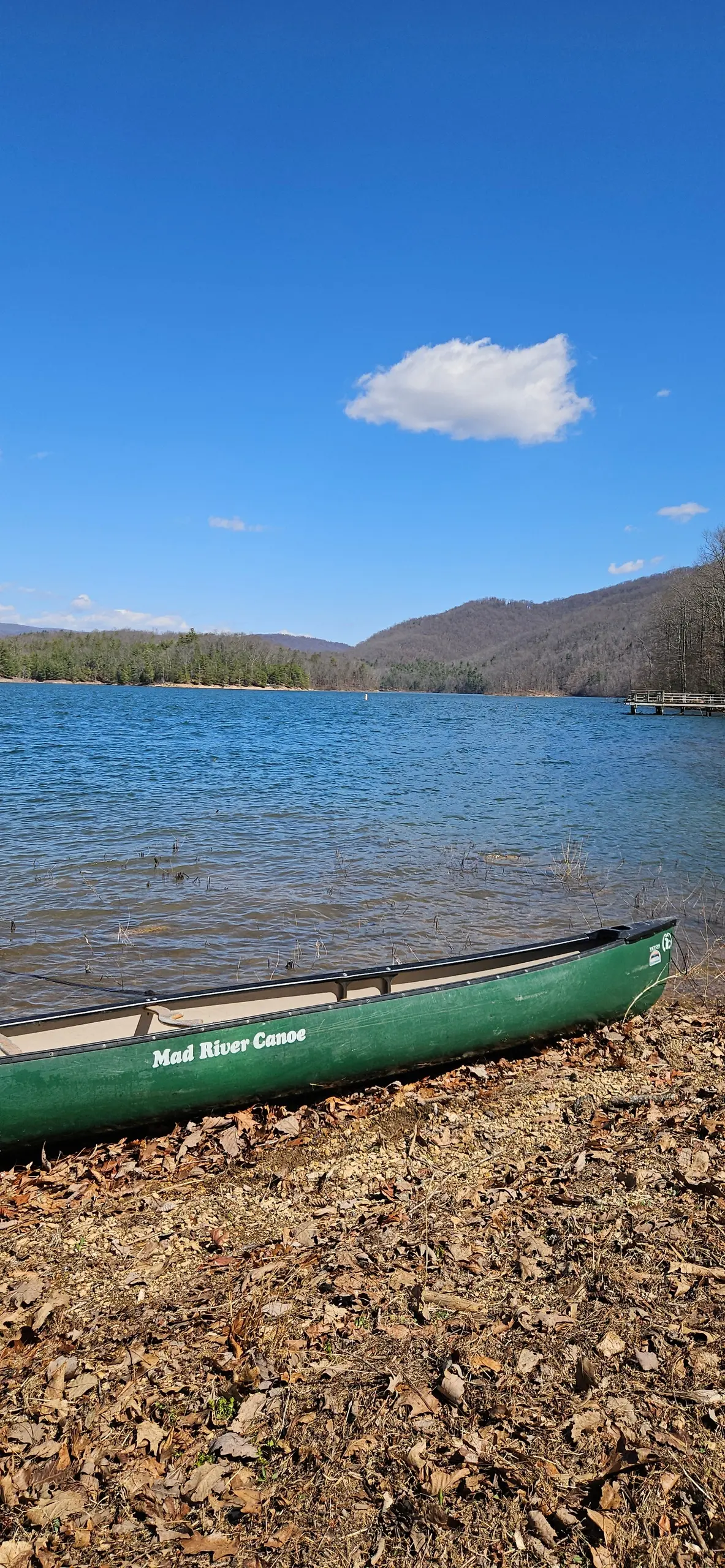
By late morning the water has simplified into a sheet of glass. You push off from Coles Point and the motor hum of the last wake fades; the only sound left is paddle rhythm and the occasional snap of a distant branch. The mountains lean in around you—rounded, timbered ridges that give the lake its private, almost secretive quality—and for a spell the day is purely yours. This is Lake Moomaw: 42 miles of shoreline carved into the Allegheny Highlands, where paddleboards, kayaks, and canoes are the best way to read the landscape.
Lake Moomaw doesn’t shout. It tucks itself into folded ranges of the George Washington and Jefferson National Forests, created behind Gathright Dam in 1979, and it rewards slow, deliberate exploration. Rent a board or a canoe from the operator at 1903 Dressler Drive and arrange a shuttle to Coles Point; by midmorning you can be gliding beneath hemlock and oak canopy, picking a private cove for a floating lunch. If you want a small portable base, book the 10 x 10 floating dock—an instant island for sunbathing, snorkeling, or waiting out an afternoon breeze.
Geology shows itself in gentle ways here. You won’t find sheer cliffs or glacier-carved fjords; instead the shoreline is a study in Appalachian persistence: folded sedimentary rock, hollows filled by millennia of stream flow, and a lakebed that drops away into cool, tannic water. The effect is pastoral more than theatrical, a place where birds and deer mark time more than visitors.
Culturally, Lake Moomaw is a local escape rather than a tourist spectacle. Nearby towns like Covington and Goshen are small, service-oriented communities with country diners, hardware stores, and friendly outfitter knowledge. Locals who’ve been coming since childhood treat the coves like family cabins—everyone knows which bays are best for wind protection, which points warm first in late afternoon, and which channels hold the most bass come summer fishing season.
That mix of low-key culture, clean water, and long, quiet shoreline is why a day rental here feels different from a crowded resort lake. You’re more likely to run into a heron than a charter; loons sometimes call from the center on still mornings; and a paddle can end with a sunset that stains the mountain slopes copper. If you want to read more about formalized full-day trips and booking options, check the operator’s detailed full-day paddle adventure listing: <a href="https://app.advcollective.com/local-experts/explore-lake-moomaw-full-day-paddle-adventure-virginia-mountain-lake">Lake Moomaw full-day paddle adventure</a>.
Practical edge: rentals are straightforward. Book a paddleboard, kayak, or canoe for a self-carry day rental, or schedule delivery to Coles Point with a 9:00 AM drop and a 6:00 PM pickup. Every rental includes paddles, a life jacket (PFD), and a dry bag—small conveniences that make a big difference when you’re miles from shore. Kids six and up can join; multi-day and camping packages are available for families who want to sleep under stars and launch again at first light.
Where to go on the lake depends on wind and intention. If you want sheltered paddling and easy wildlife viewing, head for the coves on the eastern shoreline where hemlock stands and shallow flats encourage amphibians and shorebirds. For open-water mileage and long sightlines, point your craft south toward the dam; the lake widens here and gets reflective in calm conditions. Fishing anglers will find largemouth and smallmouth bass in structural zones—rocky points and submerged timber—and a quiet canoe makes a stealthy platform.
Safety and timing: wind is the main variable. Mornings are often the calmest window; afternoons can turn breezy as valleys thermally activate, especially in summer. Always wear your PFD, secure gear in the provided dry bag, and check the day’s forecast before you go. Because cell service is spotty in parts of the basin, leave a float plan with someone in town and consider a whistle or small VHF if you’ll be far from shore.
If you want to extend the day, consider combining your rental with an evening campstay—bookings sometimes pair gear with nearby primitive campsites where you can paddle back to a shoreline firepit and sleep to loons and wind. For food and a post-paddle beer, locals point to Covington for honest, no-fuss eateries and to nearby Hot Springs for mineral baths and a historic inn experience; neither is more than a short drive from the launch points.
Beyond the how-to, Lake Moomaw rewards the slowest travel. Sit on the floating dock and watch minnows fork under shade, or glide into a silent inlet and let a heron test your composure. There’s a kind of attentiveness the lake asks for: notice the water, notice the light, notice how the trees rearrange the silhouette of the mountains. It’s quiet company, but it’s company worth keeping.
Book smart: reserve delivery early for weekend dates and holiday weeks; if you choose self-carry, plan for a longer setup time and arrive with roof racks or a van-sized vehicle. Bring layered clothing—mornings near the water can be cool, afternoons warm—and pack a small first-aid kit and extra water. Then, when you push off, slow your breathing and let the lake decide your pace.
Trail wisdom
Small choices, better day.
Start Early
Mornings are typically the calmest and coolest—launch before thermal winds pick up for the best conditions.
Wear Your PFD
A life jacket is included—use it, especially with kids or in open water; conditions can change quickly.
Protect Against Wind
Plan routes that hug coves when afternoon breezes develop; open-water crossings can be unexpectedly choppy.
Keep Gear Dry
Use the provided dry bag for keys, snacks, and phone—water and pockets don’t mix well here.
Local knowledge
Read the place, not just the route.
Watch for native species including Great blue heron, White-tailed deer.
Keep an eye out for wildlife during the transition between areas and habitats. Respect distance guidelines.
The lake and surrounding forest are managed for multiple uses—pack out all waste, use biodegradable sunscreen, and avoid disturbing shoreline vegetation.
Follow the guide's instructions on size limits, ethical handling, and leave-no-trace practices.
Eastern coves near Coles Point—calm water and birdlife. Floating dock anchor spots—perfect for a private swim or picnic
Locally recommended viewpoints and quiet spots known best to local operators.
Lake Moomaw formed after the completion of Gathright Dam in 1979 and sits within the George Washington and Jefferson National Forests.
Maritime roots and regional tradition shape the waterways and working coasts.
Seasonal guide
Four versions of the same landscape.
Spring
Best forWildflower viewing · Migratory birds · Cool-weather paddling
ChallengesHigher water and run-off · Unpredictable weather
Spring brings green banks and flowing tributaries—expect chilly water temperatures and occasional high-water channels after rains.
Summer
Best forWarm water swims · Long paddles · Family days
ChallengesAfternoon winds · Higher visitation on weekends
Summer is prime paddle season—warm days and long light—but plan around afternoon breezes and book rentals in advance.
Fall
Best forLeaf color cruises · Quiet solitude · Cool paddling mornings
ChallengesShorter daylight · Cooler water
Fall foliage makes the shoreline dramatic and quieter; bring layers for chilly mornings and dusk paddles.
Winter
Best forFrozen-lake photography · Solitude · Clear, crisp air
ChallengesIce and unsafe paddling · Cold temperatures · Limited services
Winter is mostly for viewing from shore; paddling is generally not recommended when temperatures bring ice or very cold water.
Pack with intention
What to bring.
Good to know
Common questions.
The minimum age is 6 for riders; children under 13 should be supervised in the same craft with a responsible adult.
Plan the edges
The details that make the day easier.
Lake Moomaw’s reservoir was created following construction of Gathright Dam in 1979, and the lake now provides 42 miles of largely undeveloped shoreline.
After a day on the water, stop in nearby Covington for a homestyle meal or drive to Hot Springs for mineral baths; local taverns and general stores often have the best intel on quiet coves and fishing hotspots.
- Closest major airport
- Roanoke–Blacksburg Regional (ROA) ~1.5–2 hours drive; Meeting point: 1903 Dressler Drive; Driving time from Covington: ~25–40 minutes; Cell service: intermittent on the lake; Permits: No special permit for day rentals—follow forest and lake rules.
Lake Moomaw sits within national forest lands—pack out trash, avoid single-use plastics, and stay off fragile shoreline vegetation to protect wildlife habitat.
Explore by topic
Follow the threads.
Keep exploring
Make the story part of the trip.
 Related story
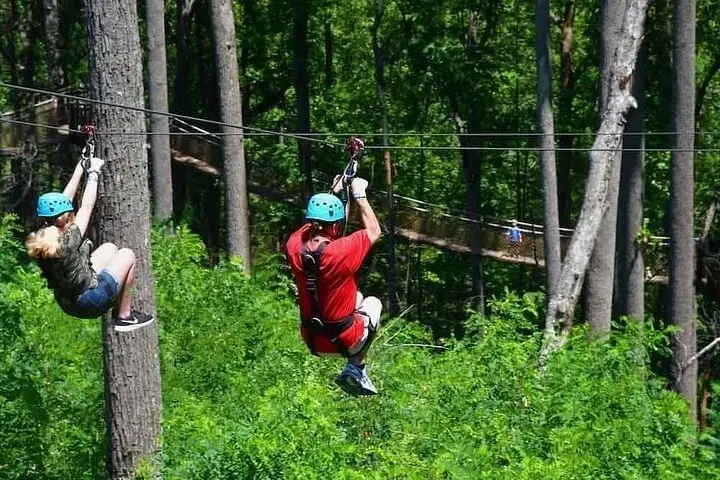
Less than two hours from Nairobi, Kereita Forest pairs hands-on canopy adventure with quiet montane trails and a sobering colonial history—perfect for families, teams, and curious travelers seeking a full-day pulse of nature.
 Related story
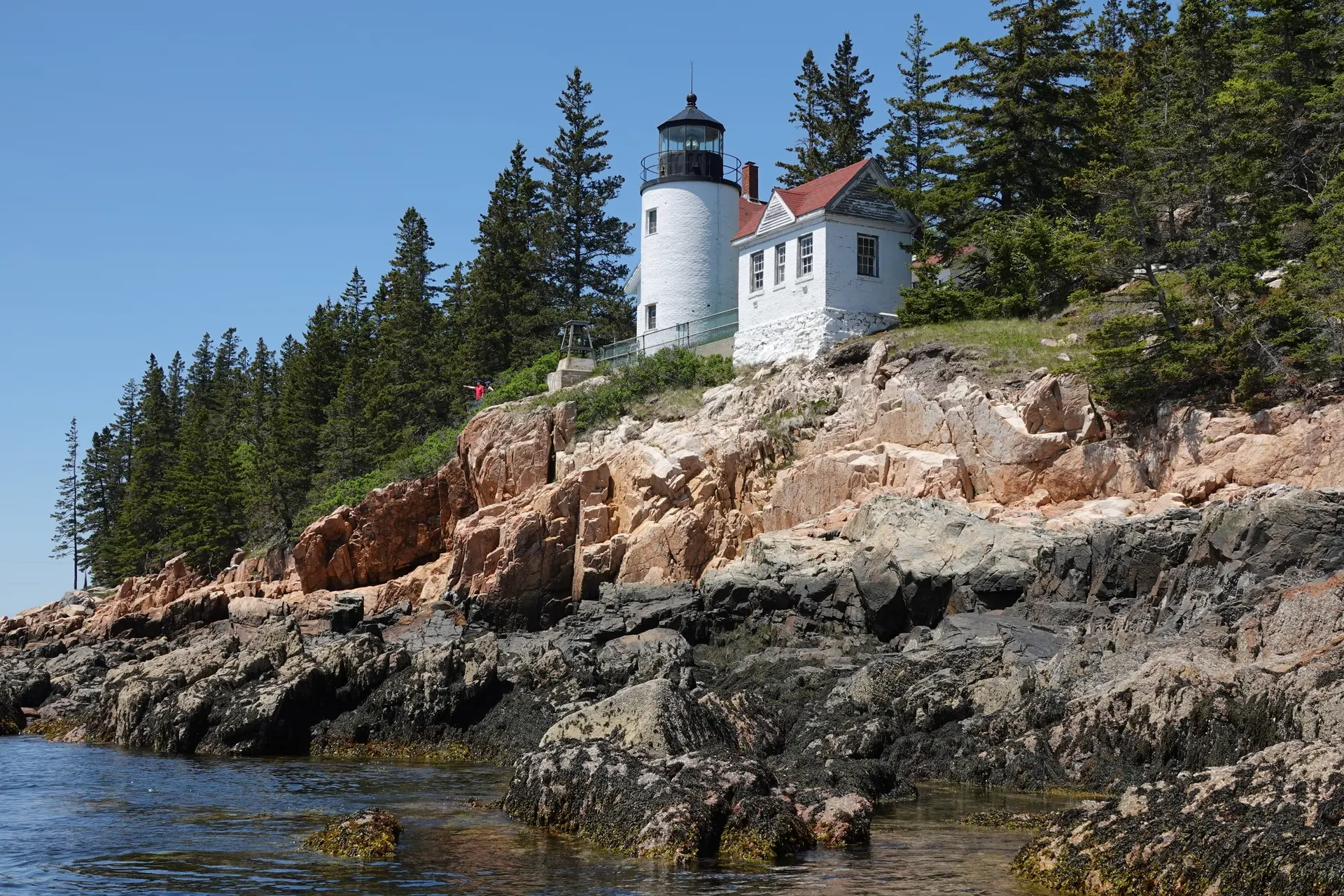
Set out from Bass Harbor for a private, customizable day on Blue Hill Bay — lighthouses, puffins, seals, and the chance to feel Acadia from the water. Small groups, local captains, unforgettable views.
 Related story
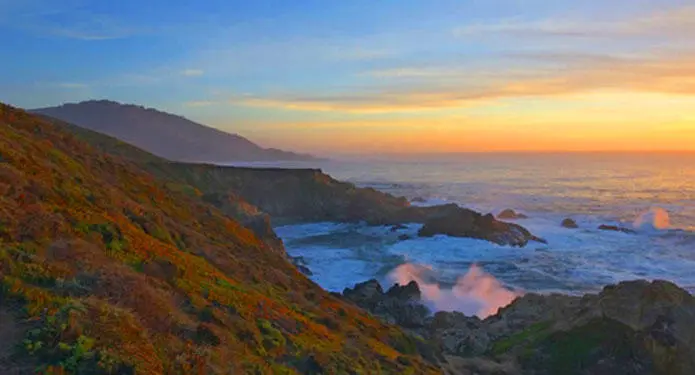
In four hours you can move from shaded canyon ferns to wind-scoured coastal ridgelines, guided by someone who knows where the light—and the hidden views—live. This private half-day hike on the Monterey Peninsula or Big Sur is compact, curated, and perfect for travelers who want depth without a multiday commitment.