
What the day feels like
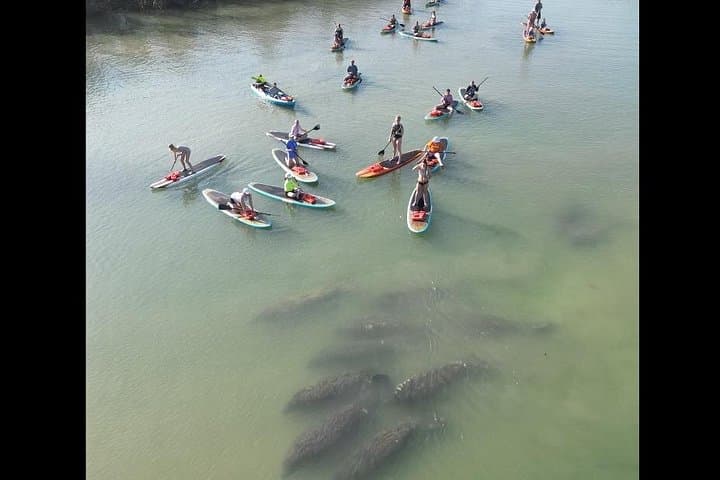
You push off from a low, shingled launch on a calm morning and instantly the ocean sighs at your back. The guide counts heads, adjusts a leash, and sends you into the maze of channels where the Atlantic and the intracoastal lip one another like old friends. Mangroves lean close, their roots threading the water; ospreys wheel overhead like punctuation marks. A pod of bottlenose dolphins slips through the chop ahead—sleek, curious, and unbothered—surfacing in a rhythm that seems designed to slow you down. Later, as you drift quietly in a shallow grass bed, a manatee exhales near your bow, a gentle, heated breath that fogs the air on a cool morning. Something about its slow confidence makes the water feel ancient and welcoming at once.
This is New Smyrna Beach—less polished than nearby Daytona but richer for it—a place where the coastline holds both a working maritime history and an estuary so productive it hums. The New Smyrna Dolphin and Manatee Kayak and SUP Adventure Tour trades the high-speed spectacle of big-boat wildlife watching for intimacy. You aren’t an audience member; you’re a participant, paddling corridors carved by currents where sea life goes about its day. Tour guides here are storytellers and safety officers, part naturalist and part paddling coach, and their local knowledge turns a casual morning on the water into a lesson in ecology and a kind of gentle diplomacy with wildlife.
Geologically, this corner of Florida is young and sandy—barrier islands and tidal inlets that shift with storms and seasons. The shallow flats and seagrass beds that fringe New Smyrna are living habitat: nurseries for fish, feeding grounds for manatees, and the backdrop for a complex food web. That biodiversity is what makes paddling here so reliably rewarding. The Indian River Lagoon system nearby is famously diverse; small things—conchs, fiddler crabs, juvenile fish—animate the margins, and larger animals come through predictably. The region’s history layers on top: New Smyrna was first colonized by Dr. Andrew Turnbull in 1768; its identity has always been half maritime, half agrarian, with a long relationship to fishing, citrus, and the sea.
Culturally, the town is anchored by Flagler Avenue, where old Florida beach cottages, surf shops, and coffee bars rub shoulders with fresh-caught seafood restaurants. Guides often stop at quiet sandbars and tiny barrier islands where you can stretch, examine shell middens, and get a short lesson in local history—why the inlet sits where it does, how tides sculpt the shoreline, and why the mangroves are both fragile and indispensable.
Practically: this is a two-hour guided trip that suits a wide range of travelers. Paddling is steady but not grueling—you’ll cover a few coastal miles at a relaxed pace, with frequent stops for wildlife viewing and interpretation. The guides steer you into calm channels and across shallow flats where dolphins braid through the wakes, and they’ll help you spot manatees congregating in the grass beds. Expect flat water in most conditions, though mornings are typically the calmest and offer the best chances for close encounters.
What sets this tour apart is how it balances accessibility with authenticity. You don’t need advanced skills to join—basic paddling competence and a willingness to follow a guide’s direction are enough—but the experience is rich for anyone who cares about the natural world. For photographers, SUPs and kayaks put you at water level for evocative, low-angle shots: tight portraits of dolphin eyes, slow-motion slashes through shallow seagrass, and the awkward, beautiful bulk of a grazing manatee.
Safety and stewardship are woven through the experience. Guides emphasize keeping a respectful distance from wildlife, not feeding animals, and using reef-safe sunscreen to protect seagrass and marine life. The tour is an ideal day activity—family-friendly, easily paired with a morning on the beach or an afternoon at a nearby museum—and it’s often rated highly by reviewers for its thoughtful, educational approach.
If you’re planning this trip, pick a morning for calmer water and cooler temperatures, wear water shoes, and bring a small waterproof camera if you want keepsakes without risking your phone. Above all, go ready to slow down: nature’s timetable governs here, not yours. When a pod of dolphins decides to pause and inspect the group, it’s a reminder that the real draw isn’t a checklist of species but the feeling of being allowed into an ecosystem’s rhythm for a short while.
Why paddle with a local outfitter rather than rent on your own? Local guides read the tides and wildlife better than a map can; they know where manatees are likely to feed, how channels shift after storms, and where a sandbar will provide a perfect break. That local knowledge elevates an outing from nice to memorable.
On balance, the New Smyrna Dolphin and Manatee Kayak and SUP Adventure Tour is an elegantly simple promise: time on the water, close-up wildlife viewing, and a learning experience delivered with safety and respect. It rewards patience and rewards curiosity. For travelers who want more than a drive-by look at marine life—those who want to feel the current and hear the breath of the sea—this tour is a considered, accessible way to meet Florida’s marine residents on their terms.
Trail wisdom
Small choices, better day.
Go early for calm water
Morning launches usually mean flatter water, cooler air, and a higher likelihood of close wildlife encounters.
Wear water shoes
Shallow paddling areas and sandbar stops can be rocky or shelly; water shoes protect feet and improve traction.
Use reef-safe sunscreen
Protect yourself and the seagrass ecosystem by choosing a non-nano, oxybenzone-free sunscreen.
Bring a small dry bag
Keep keys, snacks, and a phone protected; a 5–10L bag is usually sufficient.
Local knowledge
Read the place, not just the route.
Watch for native species including Bottlenose dolphin, West Indian manatee.
Keep an eye out for wildlife during the transition between areas and habitats. Respect distance guidelines.
Operators emphasize no-touch wildlife policies, reef-safe sunscreen, and staying in designated channels to protect seagrass beds and nursery habitat.
Follow the guide's instructions on size limits, ethical handling, and leave-no-trace practices.
Quiet mangrove cut channels reachable only by kayak or SUP. Secluded sandbars near the inlet that are perfect for a short beach stop
Locally recommended viewpoints and quiet spots known best to local operators.
New Smyrna Beach was first colonized in 1768 by Dr. Andrew Turnbull and has long been shaped by fishing, maritime trade, and coastal agriculture.
Maritime roots and regional tradition shape the waterways and working coasts.
Seasonal guide
Four versions of the same landscape.
Spring
Best forMild temperatures · Calm mornings · Migratory birdwatching
ChallengesOccasional cold fronts · Higher boat traffic on holidays
Spring offers mild weather and quiet water windows—excellent for paddling and photography.
Summer
Best forWarm water viewing · Lush seagrass · Family outings
ChallengesHeat, humidity, afternoon thunderstorms
Summer brings warm seas and abundant life but plan for early starts to avoid storms and heat.
Fall
Best forFewer crowds · Comfortable temps · Good visibility
ChallengesHurricane season carryover some years · Variable winds
Fall often delivers calm, warm days and thinner crowds—ideal if you time around storm windows.
Winter
Best forManatee sightings in cooler weather · Clear light · Calmer offshore conditions
ChallengesCooler air and water · Shorter daylight hours
Winter can concentrate manatees in certain areas; dress warmly and expect brisk mornings.
Operator details
What the booking data adds.
Included
- ✓Paddles
- ✓Kayaks
- ✓life vests
Not included
- —Gratuity
Good to know
- ✓Service animals allowed
- ✓Public transportation options are available nearby
- ✓Not recommended for travelers with poor cardiovascular health
- ✓Suitable for all physical fitness levels
Pack with intention
What to bring.
Good to know
Common questions.
The guided paddle is approximately two hours, including time for wildlife viewing and a brief stop on a sandbar or island.
Plan the edges
The details that make the day easier.
The Indian River Lagoon system near New Smyrna is one of North America’s most biodiverse estuaries, home to thousands of species of plants and animals.
After your paddle head to Flagler Avenue for fresh-caught seafood and craft beer—stop by a local café for a post-paddle coffee or grab oysters at a waterfront shack; the area’s small shops and galleries reward a slow stroll.
- Closest airport
- Daytona Beach International Airport (DAB) ~20 minutes drive; Driving distance from downtown New Smyrna Beach: under 15 minutes to most launch areas; Cell service: generally available but may be spotty inside dense mangrove channels; Permits: no personal permit required for guided tours—check with operator for specifics.
This estuarine system is sensitive—use reef-safe sunscreen, keep a respectful distance from wildlife, avoid trampling seagrass, and pack out all trash to protect nursery habitat.
Explore by topic
Follow the threads.
Keep exploring
Make the story part of the trip.
 Related story
Less than two hours from Nairobi, Kereita Forest pairs hands-on canopy adventure with quiet montane trails and a sobering colonial history—perfect for families, teams, and curious travelers seeking a full-day pulse of nature.
Set out from Bass Harbor for a private, customizable day on Blue Hill Bay — lighthouses, puffins, seals, and the chance to feel Acadia from the water. Small groups, local captains, unforgettable views.
In four hours you can move from shaded canyon ferns to wind-scoured coastal ridgelines, guided by someone who knows where the light—and the hidden views—live. This private half-day hike on the Monterey Peninsula or Big Sur is compact, curated, and perfect for travelers who want depth without a multiday commitment.