
What the day feels like
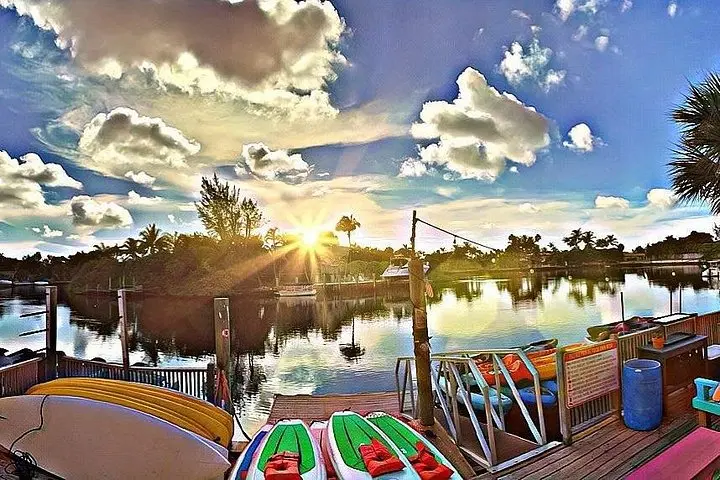
The morning opens orange over the Intracoastal, light slipping between palm fronds and the polished bows of yachts. You push off from a low dock into a waterway that could be mistaken for a private postcard: mansions float behind hedges, a marina yawns with motorboats, and in the gaps between development, mangrove roots knot the shallows into a green maze. The sound is surprising—only water and the distant hum of a bridge, punctuated by the high calls of ibis and the occasional snort of a curious dolphin. Here, thirty minutes from downtown Fort Lauderdale, a one-hour kayak rental becomes a concentrated lesson in coastal ecology and urban nature: the city’s waterways daring you to look closer.
This is the appeal of a self-navigated eco-paddle: proximity and contrast. You can glide past waterfront homes and within a blink be threading tunnels of red and black mangroves, their prop roots like the ribs of an old boat. Mangroves are not just scenery; they are living shoreline engineers—root systems that trap sediment, buffer storm surge and feed shrimp and small fish that, in turn, support manatees and wading birds. On a clear day you’ll spot juvenile fish flashing beneath the surface and ospreys folding their wings as they hunt from channel markers. For travelers who want wildlife without hours of driving, this half-hour paddle from Fort Lauderdale’s center delivers.
Fort Lauderdale’s relationship with water goes deep. Developed in the late 19th and early 20th centuries, the city embraced canals and the Intracoastal as its defining infrastructure, earning the nickname “Venice of America.” Today, the waterways serve recreation and transportation and are also the frontlines of conservation efforts: local groups monitor seagrass beds and work to protect mangrove stands from development and boat wake erosion. A short paddle is as much civic education as it is exercise—when you see the shoreline up close it becomes easier to understand why local nonprofits petition for speed zones and restoration projects.
The rental operation offers flexibility: a wide selection of kayaks and stand-up paddleboards, free parking, music on the deck and cold drinks to sell the notion that an urban paddle can be both easy and revitalizing. If you’re new to paddling, the self-guided format is forgiving—channels are generally calm and marked, and staff provide a brief orientation and a map. More experienced paddlers can use the hour to explore side channels or to quietly stake out a mangrove inlet for birds.
Practicalities matter. The advertised one-hour session is compact—factor in a short safety briefing, rigging and a little time to get comfortable. Dress for sun and saltwater: a quick dip from your craft is possible, especially if you get curious about the shallows. Bring reef-safe sunscreen and a dry bag for a phone or camera. For timing, mornings and early evenings are best for light and wildlife; mid-afternoon is brighter but busier with motor traffic.
Booking is straightforward and instant, which makes this a perfect add-on to a day in town. To reserve your slot and read more about local guides and route suggestions, check the tour page here: <a href="https://app.advcollective.com/local-experts/fort-lauderdale-kayak-rental-mangrove-eco-paddle-self-guided-waterway-tour">Fort Lauderdale kayak rental and mangrove eco-paddle</a>. If you want to plan a longer outing, that same portal lists local experts who can stitch together a longer route or provide guided options.
Who is this for? City travelers who want nature without the drive; families looking for a calm introduction to paddling; photographers wanting reflective water and dramatic boat-lined backgrounds; and anyone curious about Florida’s coastal ecosystems. The hour-long format keeps it accessible—no heavy gear, no long commitment—while still offering a meaningful taste of the region’s ecology and lifestyle.
Leave with a few place-based habits: keep a respectful distance from wildlife, avoid touching mangrove roots, and paddle slowly through narrow channels to minimize wake. If you’re planning a visit in peak season, reserve early and aim for shoulder hours for the best light and the fewest boats.
For visitors, this paddle is a tidy, satisfiable way to experience Fort Lauderdale from the water: urban edge on one side, a pocket of wild on the other. It shows how a modern waterfront city and a fragile coastal ecosystem can coexist, if tended with care. When you return to the dock, the deck’s cold drinks taste like a small victory and the sight of a heron lifting from a root feels like an earned postcard memory. Book a slot, learn a route, and let the seawater push you forward — the city’s waterways are waiting.
Trail wisdom
Small choices, better day.
Start at Sunrise
Morning light reduces boat traffic and increases chances of seeing dolphins and manatees.
Use Reef-Safe Sunscreen
Protect yourself and the marine environment by choosing biodegradable, reef-safe formulas.
Secure Valuables
Bring a small dry bag or waterproof phone case; docks are low and splash risk is real.
Mind the Wake
Paddle slowly in narrow channels to reduce wake and avoid disturbing shoreline habitats.
Local knowledge
Read the place, not just the route.
Watch for native species including Bottlenose dolphins, West Indian manatees.
Keep an eye out for wildlife during the transition between areas and habitats. Respect distance guidelines.
Mangroves and seagrass beds near the city are actively monitored and restored; paddlers should avoid trampling roots and use designated launch points to reduce shoreline erosion.
Follow the guide's instructions on size limits, ethical handling, and leave-no-trace practices.
Hugh Taylor Birch State Park’s inland canoe trails for a quieter paddle. A short detour to the Las Olas Riverwalk for coffee and waterfront people-watching
Locally recommended viewpoints and quiet spots known best to local operators.
Fort Lauderdale developed as a water-based town in the late 19th and early 20th centuries and is often called the "Venice of America" for its extensive canals and waterways.
Maritime roots and regional tradition shape the waterways and working coasts.
Seasonal guide
Four versions of the same landscape.
Spring
Best forMigratory birds · Mild weather · Calmer seas
ChallengesOccasional cold fronts · Higher spring-break crowds
Spring offers comfortable temperatures and active birdlife, though weekends can be busier with local boaters.
Summer
Best forLong daylight · Warm water swims · Abundant marine life
ChallengesHeat and humidity · Afternoon thunderstorms
Summer brings hot, humid conditions and frequent afternoon storms; morning paddles are best.
Fall
Best forClear skies · Lower humidity · Good water visibility
ChallengesHurricane season tail risk early fall · Variable boat traffic
Fall often has excellent light and comfortable conditions, but check forecasts during hurricane season.
Winter
Best forMilder temperatures · Calmer currents · Peak tourist season
ChallengesCooler mornings · Higher visitor numbers
Florida winter is dry and mild, making it the optimal season for comfortable paddles and wildlife viewing.
Operator details
What the booking data adds.
Included
- ✓Free Guest Parking!
- ✓Complimentary Photos and Videos
- ✓Kayak and Paddle
- ✓Life Jacket
Not included
- —Water or any drink for Hydration (available for separate purchase)
- —Waterproof Phone Case (available for separate rental or purchase)
- —Waterproof Bag (available for separate rental or purchase)
- —Bring your own Towel, bathing suit, and sun-screen
Good to know
- ✓Wheelchair accessible
- ✓Infants and small children can ride in a pram or stroller
- ✓Service animals allowed
- ✓Public transportation options are available nearby
- ✓Suitable for all physical fitness levels
Pack with intention
What to bring.
Good to know
Common questions.
No; the rental operation provides a short orientation and the routes are suitable for beginners, though basic paddling skills help.
Plan the edges
The details that make the day easier.
Fort Lauderdale is often called the "Venice of America" and is commonly cited as having over 165 miles of navigable waterways—a legacy that shaped the city's recreational culture.
After your paddle, head to Las Olas Boulevard for waterfront dining and craft beers; 15th Street Fisheries and local taco spots offer fresh seafood and a relaxed view of the marina to round out the day.
- Closest airport
- Fort Lauderdale-Hollywood International (FLL, ~15 minutes); Driving from downtown Fort Lauderdale: 5–15 minutes depending on launch; Cell service: generally good near shore, may weaken inside mangrove tunnels; Permits: none required for casual rentals; free parking advertised.
Mangroves are protected habitat—pack out all trash, avoid standing on roots, and choose reef-safe sunscreen to reduce chemical runoff.
Explore by topic
Follow the threads.
Keep exploring
Make the story part of the trip.
 Related story
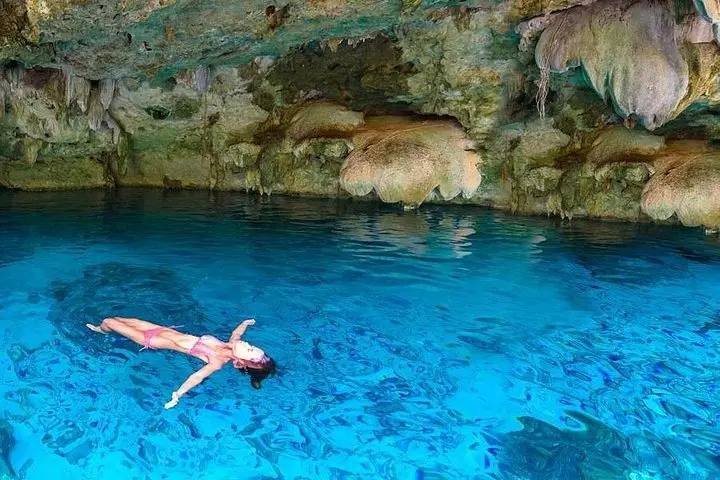
Dive into the Yucatán’s secret freshwater caverns and drift over the shallow reef gardens of Yalku Lagoon—an accessible, half-day snorkel pairing that blends geology, Mayan history, and vivid marine life.
 Related story
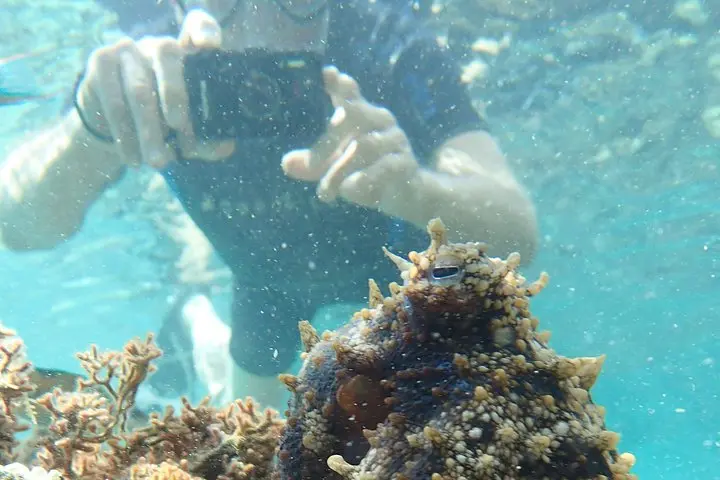
Slip beneath Porto Santo’s sunlit surface to find a mosaic of seagrass meadows, volcanic shelves, and playful schools of fish. This three-hour snorkeling tour pairs small-group access with local stewardship—ideal for travelers who value marine life over crowds.
 Related story
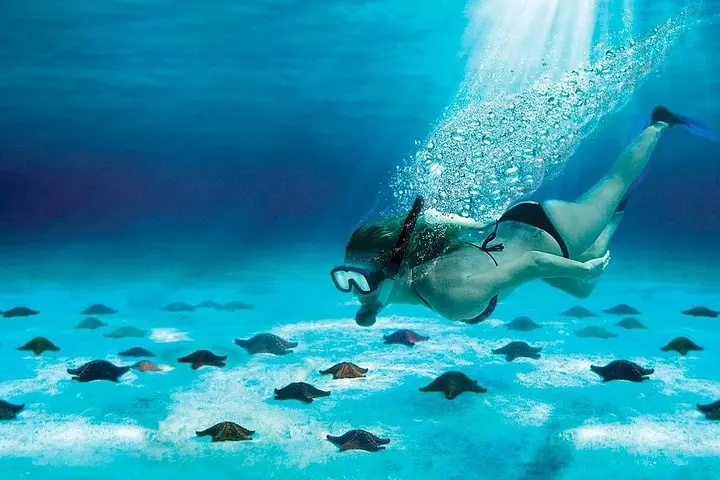
Spend a day on a high-speed boat exploring Cozumel’s famed reefs and the shallow sand flats of El Cielo. This full-day trip offers clear water, abundant marine life, and guided snorkeling at three prime sites—ideal for both first-timers and seasoned reef lovers.