
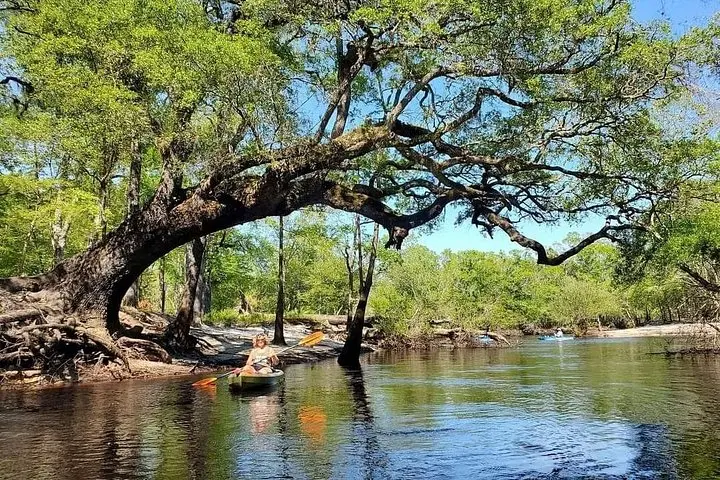
What the day feels like
You push off from a low cedar ramp and the river takes you. At first the paddle strokes are deliberate—shoulders finding rhythm, water whispering against plastic hulls—then the current, dark and slow, begins to pull you into the Waccamaw’s old-wood cadence. Spanish moss brushes the sky, dragonflies stitch the sunlit edges of the river, and every bend rearranges the scenery: a rookery of herons on a fallen cypress, a turtle sunning like a thumbnail on a log, an osprey circling with the kind of interest that makes you check your camera. Two hours feels like an expedition and an afternoon at once.
This guided Kayak River Tour to a Private Island folds natural history, Lowcountry ecology, and straightforward paddling into a tidy, accessible outing. Based out of the Myrtle Beach area, the tour threads a stretch of the Waccamaw River—one of the Southeast’s blackwater rivers known for tannin-stained water and slow-moving channels—before delivering you to a 48-acre private island to explore shoreline, salt-tolerant trees, and shallow marsh fringes. Guides point out the flora and fauna as you go: pileated woodpeckers drum in the canopy, great egrets pose like sentries, and at the right time of year you can spot fledgling toads and the quick flash of fish seeking shelter in submerged roots.
The Waccamaw’s geology and history are quiet but vital to the feel of the trip. Blackwater rivers like this one form where organic material leaches tannins into slow-moving water over swamps and wetlands; the hue looks deep brown but is startlingly clear. For centuries the Waccamaw braided lifeways for local communities—indigenous Waccamaw people, early rice planters, and modern conservationists—who each recognized its role as a corridor for wildlife and a source of food and transport. Today the river is a mix of private land, managed preserves, and public access points, where visitors can witness a living Lowcountry ecosystem without the crowds that shoulder the nearby beaches.
Your guides do more than navigate. They read the river like a friend: where the current will slacken, which oxbow might harbor an alligator (rare here but possible), and which feeder creek is worth a quick detour for birds. They also teach tidy, practical skills—how to brace, how to lean into wind, how to move quietly so a skittish marsh hen won’t bolt. The private-island stop is the trip’s reward: a chance to land, stretch, and explore a shoreline that feels removed from development. It’s also a reminder that much of the Lowcountry is a patchwork of private stewardship and public interest; these islands survive because people choose to manage them thoughtfully.
Why go? For ease as much as spectacle. The tour’s two-hour window fits neatly into vacation itineraries, taking beginners and moderately experienced paddlers through calm water with a high payoff of wildlife and scenery. It’s also a reliable childhood-friendly option—families commonly join, and guides tailor pace and instruction accordingly. For photographers and birders it’s a low-stress platform for good sightings, and for locals it’s a refreshing way to see a familiar coastline from a different angle.
Practicalities matter. The tour runs about 120 minutes and typically covers 3–6 miles depending on route and current; bring a sense of adventure, a baseline fitness level for continuous paddling, and shoes that can get wet. Expect patchy cell service on the water—download directions and meet-up details before you launch—and plan for sun and mosquitos depending on the season. The tour is priced from $62 and includes a day pass; book early in high season for preferred launch times.
Beyond the paddle, tie the experience to place: spend the morning at a state park trailhead, paddle midday, then return to Myrtle Beach or nearby Murrells Inlet for fresh shrimp and Lowcountry sides at the MarshWalk. Local outfitters and guides often double as stewards—ask about invasive species prevention and clean-boat practices—and consider a follow-up visit to the Waccamaw National Wildlife Refuge to expand what you’ve seen on the water into longer hikes.
If you want a short, sensory-rich introduction to the Lowcountry that still rewards attention and quiet observation, this is a trip that delivers. The Waccamaw doesn’t shout. It invites. Let it.
Trail wisdom
Small choices, better day.
Start Early or Late
Launch at first light or late afternoon to avoid midday sun and catch birds when they’re most active.
Wear Quick-Dry Layers
Light synthetic clothing and a long-sleeve sun shirt will keep you comfortable and protect from sun and insects.
Bring A Dry Bag
Use a small dry bag for phone, keys, and snacks—guides will photo-spot but you’ll want your essentials protected.
Listen To The Guide
Guides scout hazards and wildlife—follow their pacing and landing instructions for safety and best sightings.
Local knowledge
Read the place, not just the route.
Watch for native species including Great Blue Heron, River Turtle species (common slider).
Keep an eye out for wildlife during the transition between areas and habitats. Respect distance guidelines.
The river flows through a mix of private and public lands; visitors are encouraged to avoid shore erosion, pack out trash, and practice clean-boat measures to prevent invasive species.
Follow the guide's instructions on size limits, ethical handling, and leave-no-trace practices.
Paddling the upper oxbows near Conway for quieter birding. Murrells Inlet MarshWalk for post-paddle seafood and sunset views
Locally recommended viewpoints and quiet spots known best to local operators.
The Waccamaw River corridor has long supported indigenous peoples and later Lowcountry communities that relied on its fisheries and tidal wetlands.
Maritime roots and regional tradition shape the waterways and working coasts.
Seasonal guide
Four versions of the same landscape.
Spring
Best forBird migration · Mild temperatures · Fledgling wildlife
ChallengesIncreased insects · Unpredictable spring storms
Spring brings active birdlife and pleasant air temperatures—pack insect repellent and be ready for a sudden shower.
Summer
Best forWarm water paddling · Evening wildlife activity · Family trips
ChallengesHot sun · Higher mosquito activity · Afternoon thunderstorms
Summer paddles are lively and warm; start early or choose an evening slot to avoid the heat and storms.
Fall
Best forComfortable weather · Good visibility for birds · Lower insect activity
ChallengesShorter daylight hours · Cooler mornings
Fall often offers the most comfortable paddling conditions with crisp mornings and clear air for photography.
Winter
Best forQuiet river time · Sharp light for photos · Less boat traffic
ChallengesCooler water and air temps · Fewer active reptiles and amphibians
Winter trips are peaceful and clear; layer up and expect fewer herps but good light for landscapes.
Operator details
What the booking data adds.
Included
- ✓Professional guide
- ✓Use of kayak, paddle and life jacket
Good to know
- ✓Service animals allowed
- ✓Public transportation options are available nearby
- ✓Infants are required to sit on an adult’s lap
- ✓Travelers should have at least a moderate level of physical fitness
Pack with intention
What to bring.
Good to know
Common questions.
No; the tour is designed for beginners and intermediate paddlers—guides give basic instruction and choose calm routes.
Plan the edges
The details that make the day easier.
The Waccamaw River is a blackwater river running roughly 140 miles through North and South Carolina—its tannin-stained waters support distinct wetland ecosystems.
After the paddle, head to Murrells Inlet’s MarshWalk for fresh shrimp and Lowcountry favorites, or grab a local craft beer in Myrtle Beach—Lowcountry cuisine and seafood shacks are a perfect complement to a day on the river.
- Closest airport
- Myrtle Beach International Airport (MYR) | Typical drive from Myrtle Beach: 20–30 minutes | Cell service: Patchy on river stretches—download directions and meet details ahead of time | Permits: Day pass included with tour; check operator notes for private island access
Practice leave-no-trace on shorelines, avoid trampling native vegetation, and clean boats between launches to prevent the spread of invasive aquatic species.
Explore by topic
Follow the threads.
Keep exploring
Make the story part of the trip.
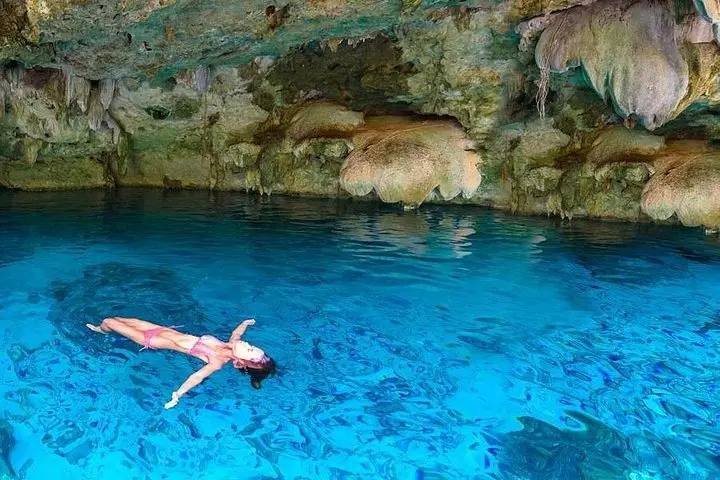 Related story
Dive into the Yucatán’s secret freshwater caverns and drift over the shallow reef gardens of Yalku Lagoon—an accessible, half-day snorkel pairing that blends geology, Mayan history, and vivid marine life.
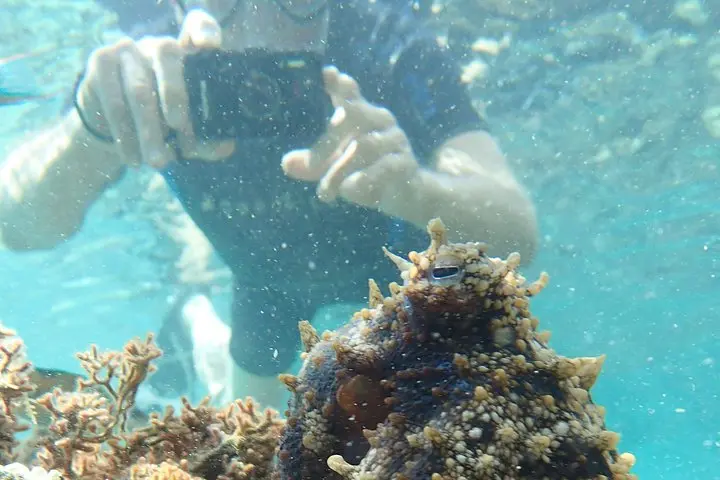 Related story
Slip beneath Porto Santo’s sunlit surface to find a mosaic of seagrass meadows, volcanic shelves, and playful schools of fish. This three-hour snorkeling tour pairs small-group access with local stewardship—ideal for travelers who value marine life over crowds.
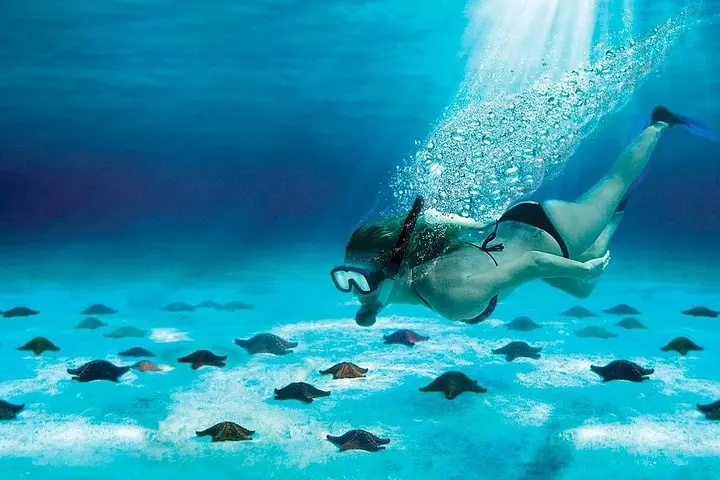 Related story
Spend a day on a high-speed boat exploring Cozumel’s famed reefs and the shallow sand flats of El Cielo. This full-day trip offers clear water, abundant marine life, and guided snorkeling at three prime sites—ideal for both first-timers and seasoned reef lovers.