
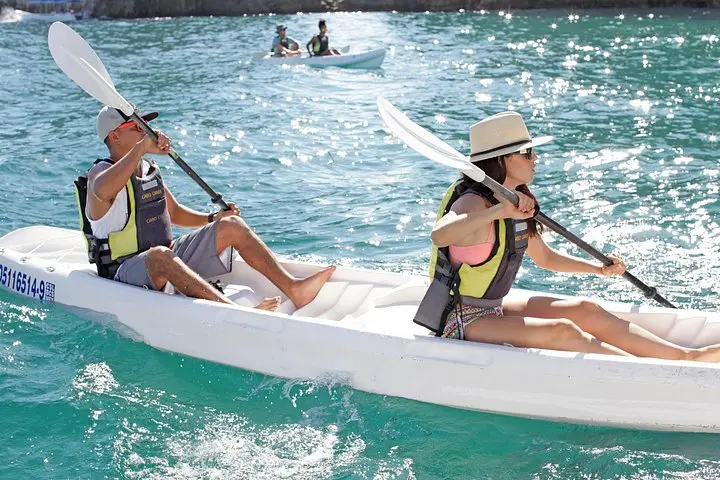
What the day feels like
The first time you see El Arco—Land's End—it's a punctuation mark at the bottom of Baja that somehow looks both carved and grown. From the water the rock towers with a wind-sanded delicacy, and the sea around it is an active reader: surfacing with a spray of anchovy, slapping against the base, and steering brown-and-white pelicans into quick vertical dives. You launch from Medano Beach, adjust your life vest, and let the hull cut the bay. The town of Cabo San Lucas slides behind you—white buildings, palms leaning like old friends—and ahead is the bright, salt-dusted business of the sea. This is a short trip with a lot of personality: a 90– to 120-minute window into tectonic time, local culture, and a chance to float up close to a sea lion colony that sees humans as curious bystanders rather than predators. It’s the kind of outing that tastes like citrus and sunscreen and leaves you with the satisfying ache of real movement.
The geology here is straightforward and dramatic. The Baja Peninsula is a rift edge between the Pacific and the Gulf of California; the cliffs and arches at Land's End are the result of millions of years of uplift and coastal erosion. Water, literally, has been doing the drafting. Those forces create the arches, the stacked tablets of volcanic rock and granite that make for dramatic visuals and a sheltered swim when the wind cooperates. There’s an ecological choreography too: the mixing of currents brings nutrients that feed bait fish, which attract pelicans, dolphins, and the sea lions clustered on the rocks. In winter, migrating gray and humpback whales carve long, rolling tracks through these same waters.
Cabo’s culture is built around the sea. Once a sleepy fishing village, Cabo San Lucas has long balanced local life with visitors arriving to taste fresh ceviche, take a pangero out for a half-day, or simply linger on the sand. A guided kayak tour translates that balance into an accessible experience: you’re not just ticking off a postcard sight, you’re learning to read the bay—how tide and wind affect your line, where currents thin at the mouth of the straits, and how local skippers and kayakers give way to wildlife.
Why go by kayak instead of a glass-bottom boat or a zodiac? Proximity and pace. Paddling lets you choose your approach, hold a respectful distance from the sea lions, and slip into shallow coves that motorized craft avoid. On most guided departures you’ll paddle 1.5–3 miles total depending on routes and conditions, with time to stop, stretch, and snorkel. The trip runs 90–120 minutes, which is enough to feel engaged without exhausting first-time paddlers.
Practicalities matter here: wind direction is king. Mornings on the bay are often glassy, afternoons can build a steady offshore that turns easy paddling into a workout and shortens your window for getting close to the Arch. Salt, sun, and spray are constant companions—bring a good hat, reef-safe sunscreen, and a water bottle. Guides will provide safety gear and basic instruction, but a bit of paddling familiarity—knowing how to brace and switch strokes—makes the outing more fun.
If you want to thread local life into the trip, plan time before or after your paddle for the restaurants and taco stands along the Malecon and Medano Beach. Fresh-caught fish, grilled shrimp, and a cold Mexican cerveza are the tidy, delicious punctuation for a morning on the water. For wildlife watchers, schedule a trip between December and April for the added possibility of whale sightings, but note that these months are also popular and trips can fill.
Safety and sustainability go hand-in-hand. Guides will brief you on how to observe sea lions—never approach pups, avoid loud splashing near rookery rocks, and keep a respectful distance. The best operators enforce maximum group sizes to minimize disturbance. Also note that weather or swell can force operators to stay closer to shore; that’s not a cancellation, it’s responsible seamanship.
For planning: the tour is compact, family-friendly, and frequently available as an instant-confirmation activity. It’s a good half-day option if you're slotting in snorkeling, a glass-bottom boat ride, or a relaxed afternoon on the beach. For photographers, the morning light is kinder on the arch and the water; a wide-angle lens and a floating strap keep your gear safe.
A kayak trip to El Arco is compact adventure with clear returns: immediate, sensory, and eminently shareable. You leave with salt in your hair and a clearer sense of why this coastline fascinates both casual travelers and committed ocean lovers. To book a guided departure that paddles toward the arch and the sea lion colony, consider a reputable local operator that emphasizes small groups and respectful wildlife viewing, such as the experienced guides listed here: <a href='https://app.advcollective.com/local-experts/kayak-tour-in-cabo-san-lucas-bay-paddle-to-el-arco-sea-lions'>Kayak Tour Cabo San Lucas Bay</a>. For a deeper look at routes and timing, the same resource is a helpful planning hub: <a href='https://app.advcollective.com/local-experts/kayak-tour-in-cabo-san-lucas-bay-paddle-to-el-arco-sea-lions'>paddle to El Arco and the sea lions</a>.
Once you’ve paddled, eat like a local—fresh fish, lime, and a quiet beer—and tuck this outing into a longer Baja itinerary. Simple, sea-level adventures like this are how most travelers begin to understand the peninsula: not as a backdrop to a resort, but as a living coastline that rewards curiosity and respect.
Trail wisdom
Small choices, better day.
Launch time matters
Book a morning slot to avoid afternoon winds and get calmer water for paddling and photography.
Respect the rookery
Keep distance from sea lion rocks—guides will enforce a buffer to protect wildlife and keep you safe.
Hydrate and salt-manage
Bring a liter of water and a salty snack; sun and spray accelerate dehydration on short tours.
Secure your gear
Use a floating strap or dry bag for phones and cameras; waves and quick maneuvers can toss belongings.
Local knowledge
Read the place, not just the route.
Watch for native species including California Sea Lion, Brown Pelican (and seasonal migrating whales).
Keep an eye out for wildlife during the transition between areas and habitats. Respect distance guidelines.
Local operators follow wildlife-viewing guidelines to avoid disturbing sea lion rookeries; choose companies that limit group size and use non-invasive routes.
Follow the guide's instructions on size limits, ethical handling, and leave-no-trace practices.
Paddle quieter coves near Lands End for tide pools and small marine life. Walk the short headlands around Medano Beach for sunset views away from crowds
Locally recommended viewpoints and quiet spots known best to local operators.
Cabo San Lucas evolved from a fishing village into a major tourist hub; Land's End has long been a navigational landmark for mariners.
Maritime roots and regional tradition shape the waterways and working coasts.
Seasonal guide
Four versions of the same landscape.
Spring
Best forCalmer seas · Wildlife viewing · Mild temperatures
ChallengesOccasional onshore winds · Crowded weekends
Spring offers stable weather and good visibility for snorkeling and wildlife watching, though weekends can be busy.
Summer
Best forWarm water · Long daylight · Snorkeling
ChallengesHot sun · Hurricane season risk · Stronger afternoon breezes
Summer brings warmth and bright water but also higher heat and the possibility of tropical storms—check forecasts.
Fall
Best forFewer crowds · Lower prices · Good light
ChallengesResidual summer swell · Variable weather
Fall can be an economical time to visit with pleasant mornings, but late-season storms are possible.
Winter
Best forWhale watching · Crisp mornings · Stable offshore conditions
ChallengesCooler air and water · Peak visitation
Winter brings migrating whales and clear mornings; plan ahead for popular tour slots.
Operator details
What the booking data adds.
Included
- ✓Use of Snorkelling equipment
Not included
- —Photos
Good to know
- ✓Public transportation options are available nearby
- ✓Not recommended for travelers with spinal injuries
- ✓Not recommended for pregnant travelers
- ✓Not recommended for travelers with poor cardiovascular health
- ✓Suitable for all physical fitness levels
Pack with intention
What to bring.
Good to know
Common questions.
Most guided tours run between 90 and 120 minutes, including paddling and brief wildlife stops.
Plan the edges
The details that make the day easier.
El Arco (Land's End) marks the southern tip of the Baja California Peninsula where the Pacific Ocean and the Sea of Cortez meet, and it's a longtime seasonal haul-out for California sea lions.
After your paddle, head to Medano Beach for casual beachfront eats—look for fresh fish tacos, ceviche, and local beers. Walk the marina for artisan shops and an easy sunset view.
- Closest airport
- Los Cabos International (SJD) ~40–45 minutes drive to Cabo San Lucas
- Trailhead
- Medano Beach (town launch)
- Driving distance from nearest town
- central Cabo San Lucas
- Cell service
- Good in town, intermittent near Land's End
- Permits
- None typically required, operator-licensed tours recommended
Choose operators that enforce distance from rookery sites, avoid single-use plastics, and brief guests on wildlife-friendly behavior; never feed or approach sea lions.
Explore by topic
Follow the threads.
Keep exploring
Make the story part of the trip.
 Related story
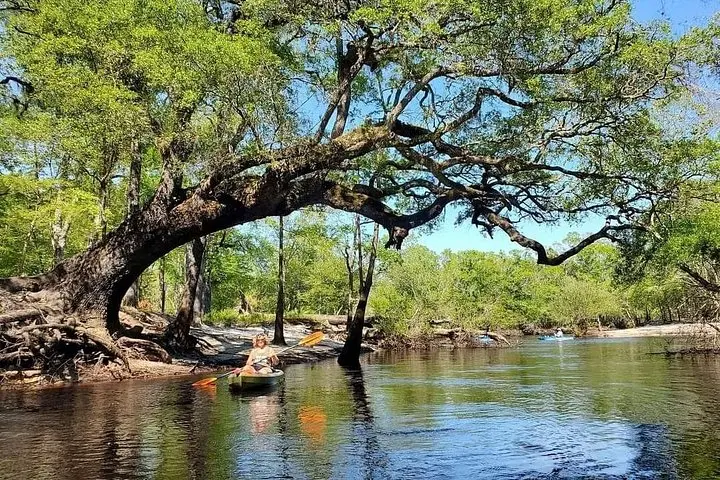
Two hours on the Waccamaw River, a private island to explore, and a surprisingly intimate look at Lowcountry life—this guided kayak tour balances easy paddling with high wildlife payoff.
 Related story
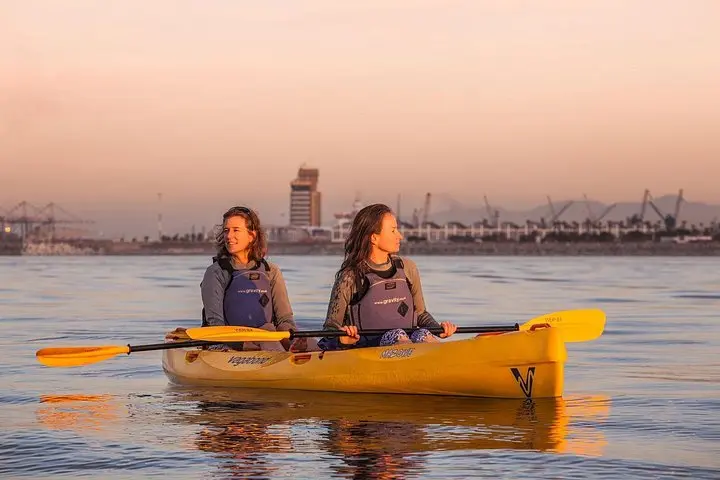
Paddle beneath the flat summit of Table Mountain and meet Cape Town from the water—dolphins breaching, whales passing in season, and the city unfolding along a coastline of layered geology and living history.
 Related story
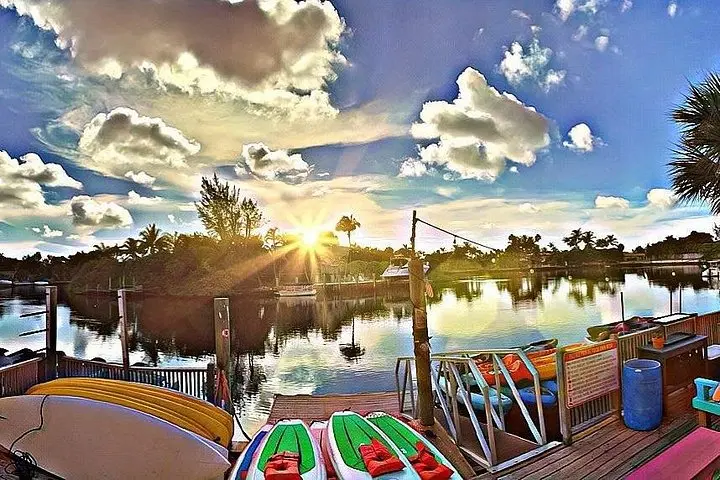
A one-hour, self-guided kayak rental transforms Fort Lauderdale’s canals into a classroom: mangroves, dolphins, and waterfront mansions set the scene. This concise eco-paddle is perfect for travelers who want wildlife and shoreline history without a long drive.