
What the day feels like
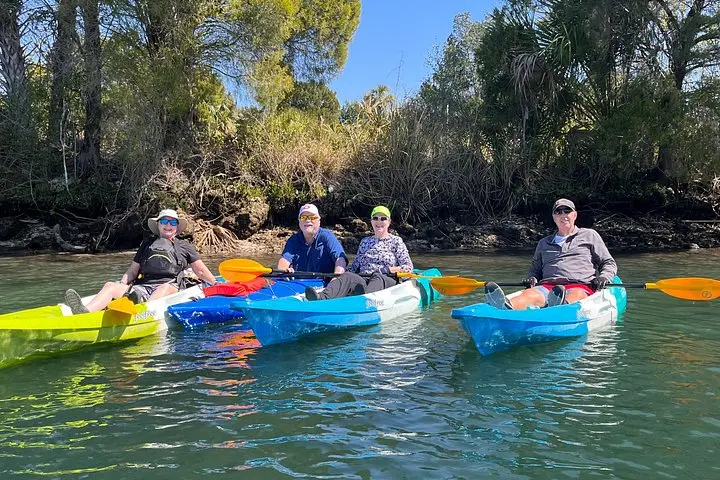
On a glass-calm morning in Kings Bay, the world reduces to two rhythms: the soft chop of a kayak slicing the mirror and the patient exhale of a manatee surfacing somewhere ahead. You push off from a private dock—no long shuttle, no busloads—and within minutes the shoreline recedes into a band of mangroves, and the springs’ warm water begins to thread cool clarity through the bay. This is Crystal River: a place where freshwater springs hold winter-warm refuge for Florida’s West Indian manatees and where a guided 3-hour single-kayak trip turns wildlife viewing into an intimate, low-impact encounter.
The geology here is quiet but persistent. Kings Bay is fed by a cluster of first- and second-magnitude springs that bubble up from limestone caverns carved over eons. Those springs keep bay temperatures several degrees warmer than the surrounding Gulf, and when winter tightens elsewhere, the manatees come here like commuters to a perpetual warm front. Human history runs deep, too: this coastline has been inhabited for thousands of years—evidence visible at nearby shell mounds and archaeological sites—while later settlers carved a living from fishing, oystering, and hospitality. Today, the stewardship of these waters is layered: state protections, local guides, and conservation-minded businesses orient the visitor experience toward observation and respect.
The guided single-kayak adventure (bookable through local operators departing from private docks) is less about adrenaline and more about timing, patience, and the small choreography of approach. Guides teach paddling basics and manatee etiquette—how to drift, when to stay silent, and why hands-off rules protect both you and the animals. The payoff is cinematic yet understated: a gray, barrel-shaped body rising like a slow submarine; whiskered muzzle breaking the surface to snort; and the surprising grace of a creature that moves through water with the casual authority of one who has earned the right to linger.
Why take a guided tour instead of going it alone? Three reasons. First, guides know the bay’s subtle currents and the springs’ eddies, which means you spend less time hunting and more time watching. Second, regulations and conservation protocols matter—guides interpret them in real time so your experience is legal and ethical. Third, local guides add context: they point out shell middens, interpret ecosystem interactions (how submerged aquatic vegetation feeds manatees), and share practical tips for photography, timing, and comfort on the water.
Practicalities: the trip is a solid half-day investment—about three hours total on the water. Expect calm-flat to mildly chop-prone conditions, depending on morning breezes and boat traffic. The access point is close to downtown Crystal River, so you won’t burn time on a long transfer; guides launch from private docks mere minutes from springs like Three Sisters. Booking ahead is a must in winter months when manatee counts spike and spaces fill quickly. Operators typically include life jackets, paddles, and brief instruction; dress for getting a little wet and for Florida’s sun.
Timing is everything. Midday light is great for photos, but early morning brings quieter water and better chances of seeing manatees clustered near spring heads. Winter—roughly December through March—draws the biggest concentrations of manatees. If you come in shoulder seasons, you’ll trade large groups for a more solitary water experience and warmer air temperatures.
A few etiquette notes that matter: keep your distance unless a manatee approaches, don’t chase or try to ride them, and follow guide directions. These are wild animals that rely on the bay’s thermal refuge; disturbance can push them away from critical habitat. The experience is designed to protect that balance—your guide’s job is to maximize sightings while minimizing stress on the animals and habitat.
Photographers should bring a telephoto or mid-range zoom and waterproof protection for their gear. Low-angle shots from the kayak capture the scale of the animals against the water; backlit portraits at sunrise can be compelling, but watch exposure on reflective water. If you want in-frame bubbles and close interaction, the best shots often arrive when you simply stop paddling and let the scene come to you.
For anyone who wants to turn this outing into a weekend escape, Crystal River offers a compact, convivial waterfront town with seafood restaurants, boat ramps, and a small but thoughtful tourism infrastructure. After your paddle, a lunch of local grouper or oysters, a walk through a small museum or archaeological site, and a visit to a local craft brewer or cafe round out the day. The point here is proximity: the adventure begins and ends near town, which keeps logistics simple and the experience refreshingly local.
Safety, gear, and seasonality are straightforward. Bring layered quick-dry clothing, reef-safe sunscreen, a hat, and a small dry bag for a phone, snacks, and water. If you’re visiting in winter, a thin neoprene top or splash jacket helps in the morning chill. Guides supply PFDs and instruction, so even first-time kayakers can feel secure with competent leadership.
This is a place for slow attention: the patient scanning of open water, the hush that accompanies a group when a manatee surfaces, and the awareness that you’re seeing an ecological phenomenon that depends on care. Book a guided trip to Kings Bay, and you’re not just paying for an hour on the water—you’re investing in a practiced, ethical encounter that leaves the animals where you found them: peaceful and wild.
Reserve a spot and read local guides at this link: <a href="https://app.advcollective.com/local-experts/crystal-river-kings-bay-kayak-3-hour-guided-manatee-paddle">Kings Bay Kayak 3-Hour Guided Manatee Paddle</a>. Whether you come for the manatees, the water’s clarity, or the quiet of paddling out at dawn, the bay rewards patience with moments you won’t forget.
Trail wisdom
Small choices, better day.
Time it for morning calm
Early departures mean flatter water and quieter crowds—plan to launch at sunrise or within the first two hours after dawn.
Respect manatee etiquette
Let animals approach you, don’t touch or chase them, and follow your guide’s directions to avoid disturbing habitat.
Protect electronics
Keep phones and cameras in a small dry bag or waterproof case to avoid spray and accidental drops.
Dress for wet and sun
Wear quick-dry layers and reef-safe sunscreen; mornings can be cool but you’ll warm up fast while paddling.
Local knowledge
Read the place, not just the route.
Watch for native species including West Indian manatee, Wading birds (herons and egrets).
Keep an eye out for wildlife during the transition between areas and habitats. Respect distance guidelines.
Local guides follow manatee protection rules and state guidelines; stick to marked channels, avoid seagrass, and never feed or touch wildlife to minimize disturbance.
Follow the guide's instructions on size limits, ethical handling, and leave-no-trace practices.
Three Sisters Springs viewing boardwalk for shore-based observation. Small local shell middens and interpretive signs near downtown Crystal River
Locally recommended viewpoints and quiet spots known best to local operators.
Kings Bay’s springs have long supported indigenous communities; nearby archaeological sites and shell mounds reflect thousands of years of coastal habitation.
Maritime roots and regional tradition shape the waterways and working coasts.
Seasonal guide
Four versions of the same landscape.
Spring
Best forCalmer crowds · Warmer air · Wildlife viewing
ChallengesVariable manatee numbers · Increased boat traffic later in season
Spring eases temperatures and offers pleasant paddling; you may see fewer manatees than in winter but enjoy quieter paddles and blooming shoreline plants.
Summer
Best forWarm water swimming · Submerged vegetation viewing · Long daylight hours
ChallengesHigher afternoon storms · Heat and sun exposure
Summer brings hot, humid conditions and occasional thunderstorms—morning paddles are best for weather and comfort.
Fall
Best forFewer tourists · Comfortable temperatures · Good transition wildlife viewing
ChallengesHurricane season tail risks · Variable water clarity
Fall offers fewer crowds and comfortable paddling days, though late-season storms can affect plans and visibility.
Winter
Best forManatee aggregation · Cooler air temperatures · Photographic light
ChallengesHigher demand and bookings · Cool mornings on the water
Winter is prime for seeing large numbers of manatees in Kings Bay—book early and favor mid-morning launches for best encounters.
Operator details
What the booking data adds.
Included
- ✓Kayak, paddle, life jacket, whistle and professional guide is included.
Not included
- —Bottled water
Good to know
- ✓Service animals allowed
- ✓Infants are required to sit on an adult’s lap
- ✓Not recommended for travelers with spinal injuries
- ✓Not recommended for travelers with poor cardiovascular health
- ✓Travelers should have at least a moderate level of physical fitness
Pack with intention
What to bring.
Good to know
Common questions.
No—guided trips include basic instruction and are designed for beginners; guides pair participants to match ability when necessary.
Plan the edges
The details that make the day easier.
Kings Bay hosts one of the largest winter aggregations of West Indian manatees in the United States, drawn to the consistent 72°F spring-fed waters.
After your paddle, grab a seafood lunch at a waterfront spot serving local grouper or oysters, then stroll Crystal River’s small downtown for shops and local history exhibits—simple, local meals and friendly service are the pillars of post-paddle life here.
- Closest airport
- Tampa International (TPA) ~1.5 hours drive; Launch: private docks in Crystal River near Three Sisters Springs; Driving distance from downtown Crystal River: under 10 minutes; Cell service: generally good in town, patchy near springs; Permits: no special permit for guided tours, but manatee protection regulations apply.
This area is home to sensitive seagrass beds and manatee habitats—follow guide instructions, use reef-safe sunscreen, pack out trash, and avoid disturbing animals or shoreline vegetation.
Explore by topic
Follow the threads.
Keep exploring
Make the story part of the trip.
 Related story
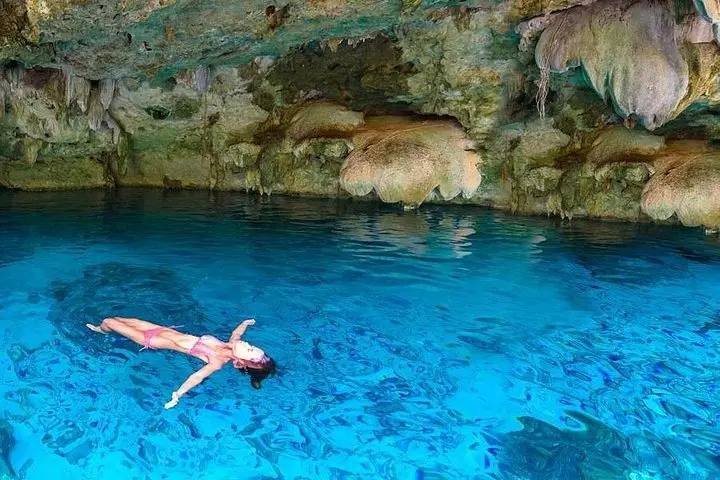
Dive into the Yucatán’s secret freshwater caverns and drift over the shallow reef gardens of Yalku Lagoon—an accessible, half-day snorkel pairing that blends geology, Mayan history, and vivid marine life.
 Related story
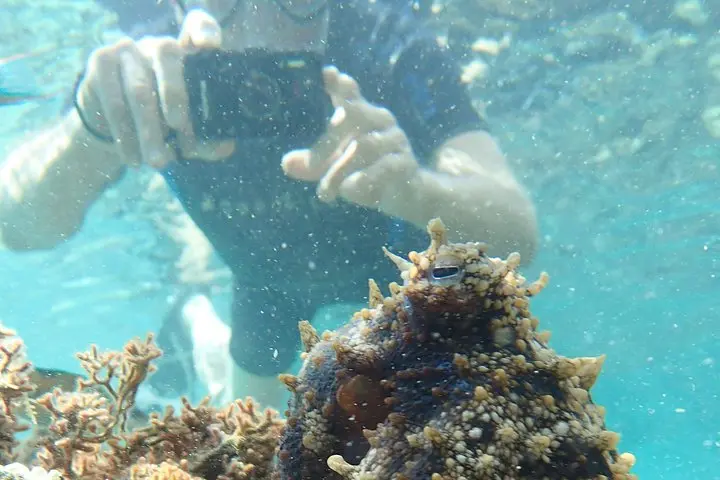
Slip beneath Porto Santo’s sunlit surface to find a mosaic of seagrass meadows, volcanic shelves, and playful schools of fish. This three-hour snorkeling tour pairs small-group access with local stewardship—ideal for travelers who value marine life over crowds.
 Related story
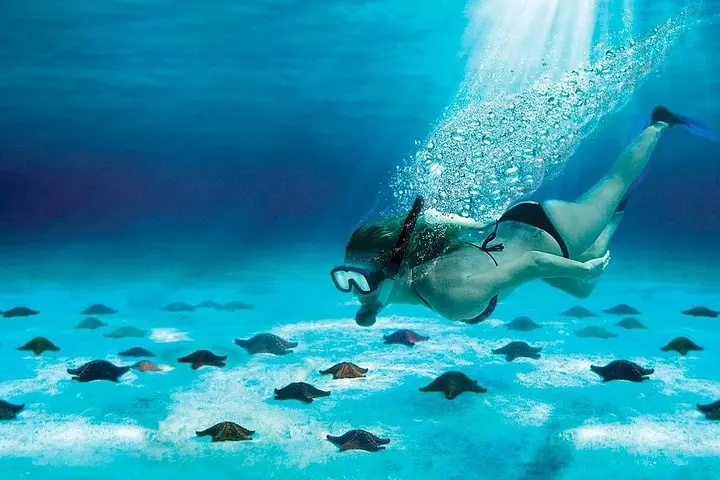
Spend a day on a high-speed boat exploring Cozumel’s famed reefs and the shallow sand flats of El Cielo. This full-day trip offers clear water, abundant marine life, and guided snorkeling at three prime sites—ideal for both first-timers and seasoned reef lovers.