
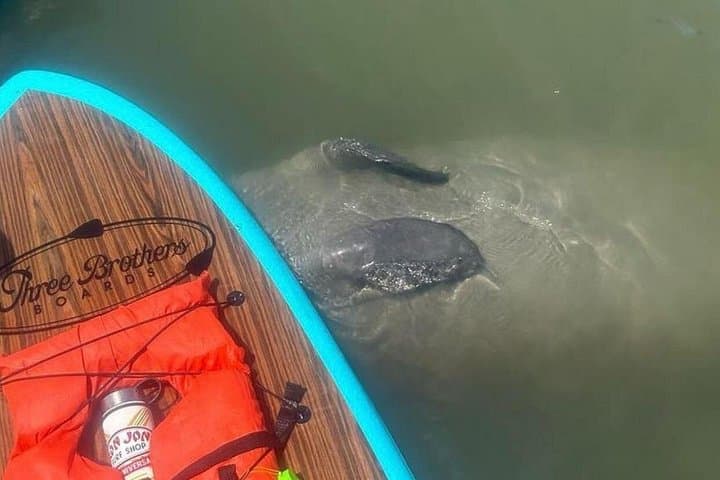
What the day feels like
The estuary wakes slow and glass-smooth at first light, a silver sheet that trembles only where fish cut the surface. A rosary of mangrove roots pockets the water, and the morning smells of salt and decaying oak—clean, alive, insistently local. You push off from a small launch and the shoreline exhales: gulls shuffle, a heron stalks like a thin statue, and then there is a blow—soft, playful—followed by the back of a dolphin arching clean as a coin. When you paddle for two hours through the waterways around St. Augustine, these moments arrive with a blunt, generous frequency; the animals aren’t staged for you, but the water here is generous with encounters.
This is a half-day that moves at water’s tempo. The tour runs roughly 120 minutes, and it’s built to be inclusive—advertised for ages 6 to 84—and that’s no empty claim. Guides set a steady, conversational pace, alternating instruction with long, quiet glides that let wildlife pick their own distance. On a SUP (stand-up paddleboard) you feel small and honest; on a kayak, you are lower, more intimate with the current. Either way, the marshes, lagoons, and inlets around St. Augustine create a stage where West Indian manatees, bottlenose dolphins, and the occasional loggerhead sea turtle perform in ways that are both unflashy and unforgettable.
Geology and history are part of the background soundtrack. St. Augustine rests on a limestone shelf carved by ancient sea levels; the estuaries you cross are the modern mouths of rivers that have been moving sediment and salt for millennia. Spanish galleons once hugged these shores, and the city’s colonial streets—less than a 20‑minute drive from many launch points—still hum with those layered narratives. Today, the human story here balances tourism, fishing, and conservation. Florida’s coastal communities have learned that healthy seagrass beds and clean inlets are not just ecological necessities but economic lifelines: they support manatees, fish stocks, and the very experiences visitors come to chase.
The wildlife encounters are what sell the tour on Instagram, but what keeps people remembering it is the texture of the place: the way currents nudge your board, the hush when a manatee surfaces nearby and the water breathes around you, the slick barnacle scar of a turtle’s back as it tilts for air. Guides emphasize respectful distance—never interfering—and that etiquette is part of the story of long-term stewardship here. In winter months manatees are especially visible as they follow warm currents and spring-fed outflows; in summer the estuary’s high tide expands and the birds thicken.
Practical side: this isn’t an expedition. It’s an accessible wildlife tour with instant confirmation, free cancellation, and a price that starts from $65 per person. Guides are experienced and safety-focused; flotation devices, basic instruction, and route guidance are included. Yet good preparation makes the difference between simply seeing animals and feeling like you were part of the place for a morning. Time your trip for early morning or late afternoon to dodge heat and boat traffic; carry layered sun protection; and keep water sealed and phones in waterproof cases for real-time photos.
What to expect during the two-hour outing: a short safety briefing and gear fit, a few minutes of paddling instruction if you’re on a SUP, and then an exploratory loop through estuarine channels. There will be stretches of slow paddling where guides scan the shallows for manatee breath or turtle heads, and sometimes the whole group will drift while a pod of dolphins arcs and plays nearby. If you want a quieter experience, request a smaller group or a kayak. The tour’s family-friendly approach makes it ideal for multi-generational outings, but people with limited mobility should check launch accessibility in advance.
Beyond the water: St. Augustine rewards a longer stay. After your paddle, consider a stroll down historic St. George Street, a seafood lunch at a local waterfront café, or a visit to the Castillo de San Marcos to connect the natural and cultural history that defines this region. The tour operator’s repeat appearances on national TV (including the Travel Channel) speak to both the reliability of sightings here and the quality of the guiding.
Final note: wildlife encounters are never guaranteed, but the combination of seagrass, warm Gulf Stream-influenced currents, and protective estuarine habitat makes St. Augustine one of the few reliable places on the East Coast to see West Indian manatees and frequent dolphins within a short distance of shore. Approach the water with curiosity and caution, and you’ll come away with vivid stories—plus photos that won’t fully capture the quiet of being inches away from a turtle exhaling into the morning light.
Trail wisdom
Small choices, better day.
Go Early
Wildlife is most active and boat traffic is lowest at dawn—aim for the first morning tour to maximize sightings.
Waterproof Your Tech
Bring a waterproof case or dry bag for phones and cameras—splashes are frequent and spontaneous.
Respect Wildlife Distance
Keep a comfortable distance and follow guide instructions—never chase or touch marine animals.
Layer Sun Protection
Combining a hat, lightweight long sleeve, and reef-safe sunscreen protects you from sun and reflects heat off the water.
Local knowledge
Read the place, not just the route.
Watch for native species including West Indian Manatee, Bottlenose Dolphin.
Keep an eye out for wildlife during the transition between areas and habitats. Respect distance guidelines.
The estuary supports seagrass beds vital to manatees and turtles—guides prioritize no‑contact viewing and encourage leaving no trace to protect fragile shoreline habitats.
Follow the guide's instructions on size limits, ethical handling, and leave-no-trace practices.
Kayak-friendly inlets near the city’s north end that draw fewer crowds. Small waterside cafés in Vilano Beach for post-paddle seafood and local beers
Locally recommended viewpoints and quiet spots known best to local operators.
St. Augustine is the oldest continuously occupied European-established settlement in the continental U.S.; its coastal waterways have supported indigenous peoples, colonial trade, and modern conservation efforts.
Maritime roots and regional tradition shape the waterways and working coasts.
Seasonal guide
Four versions of the same landscape.
Spring
Best forMild temperatures · Paddling comfort · Birdwatching
ChallengesOccasional spring storms · Migratory bird traffic
Spring offers comfortable water temperatures and active wildlife—expect pleasant paddling and robust birdlife, but watch for passing fronts.
Summer
Best forWarm water · Long daylight hours · Family trips
ChallengesHeat and humidity · Afternoon thunderstorms · Increased boat traffic
Summer brings high visibility in warm water but also heat and frequent afternoon storms—early starts are best.
Fall
Best forCalmer seas · Fewer crowds · Comfortable weather
ChallengesHurricane season tail risks · Variable temperatures
Fall often delivers calm mornings and thinner crowds; check tropical weather forecasts during the season.
Winter
Best forManatee viewing · Clear, crisp days · Lower humidity
ChallengesCooler water temperatures · Shorter daylight hours
Winter concentrates manatees in warmer outflows and can be excellent for sightings, but dress warmly for winds and cooler paddling.
Operator details
What the booking data adds.
Included
- ✓Paddle boards or kayaks, paddles, life vests, tour guide
Not included
- —Gratuity
Good to know
- ✓Service animals allowed
- ✓Public transportation options are available nearby
- ✓Not recommended for travelers with poor cardiovascular health
- ✓Suitable for all physical fitness levels
Pack with intention
What to bring.
Good to know
Common questions.
No—tours include basic instruction and are geared to beginners; guides stay with groups and adjust pace for mixed-ability participants.
Plan the edges
The details that make the day easier.
St. Augustine’s Matanzas River estuary hosts large seagrass beds that are critical habitat for West Indian manatees and juvenile sea turtles—restoration projects in the area have increased habitat quality in recent decades.
After paddling, head to St. Augustine’s historic district for fried shrimp and a cold craft beer at a waterfront tavern, or try a local oyster spot on Anastasia Island; for dessert, the ice cream shops near the Castillo make a welcome cooldown.
- Closest airport
- Jacksonville International (JAX) ~45 minutes drive; Typical drive from downtown St. Augustine: 10–20 minutes to common launch points; Cell service: generally good but spotty in mangrove channels; Permits: none required for typical commercial tours—check with operator for private launches.
This estuary is ecologically sensitive—use reef‑safe sunscreens, avoid disturbing wildlife, and pack out all trash; supporting licensed local guides helps fund conservation and responsible access.
Explore by topic
Follow the threads.
Keep exploring
Make the story part of the trip.
 Related story
Less than two hours from Nairobi, Kereita Forest pairs hands-on canopy adventure with quiet montane trails and a sobering colonial history—perfect for families, teams, and curious travelers seeking a full-day pulse of nature.
Set out from Bass Harbor for a private, customizable day on Blue Hill Bay — lighthouses, puffins, seals, and the chance to feel Acadia from the water. Small groups, local captains, unforgettable views.
In four hours you can move from shaded canyon ferns to wind-scoured coastal ridgelines, guided by someone who knows where the light—and the hidden views—live. This private half-day hike on the Monterey Peninsula or Big Sur is compact, curated, and perfect for travelers who want depth without a multiday commitment.