
What the day feels like
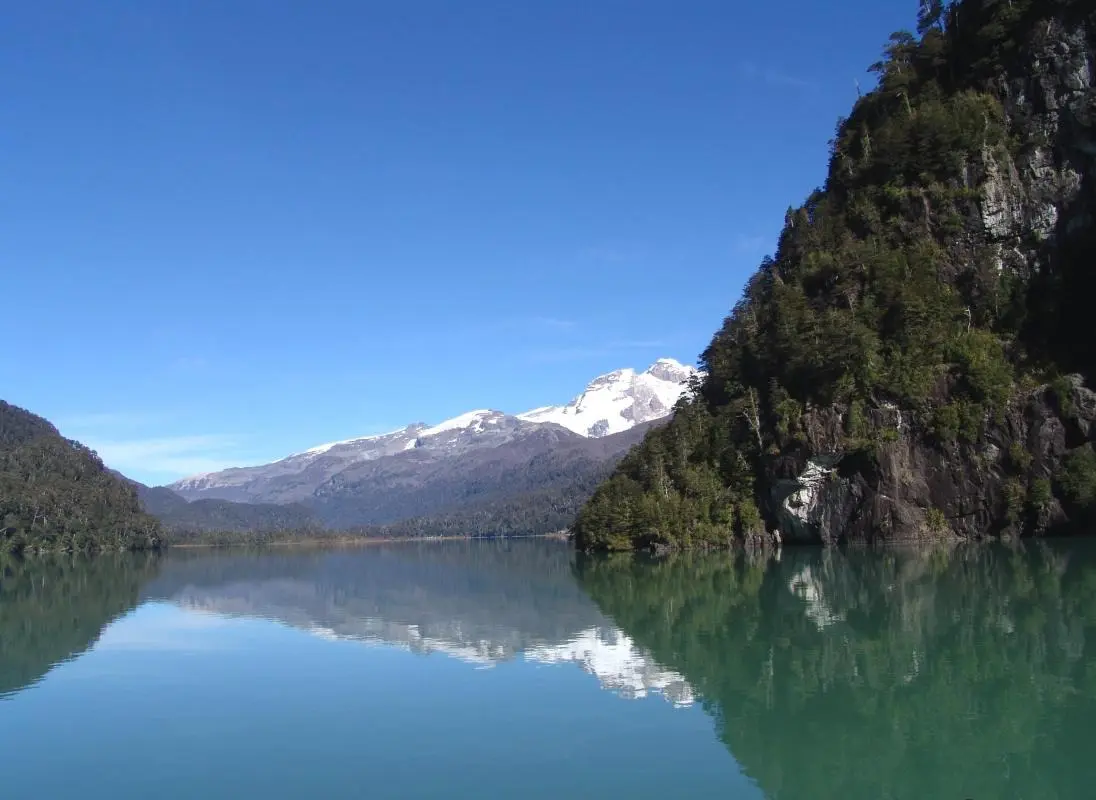
The catamaran slips away from the jagged silhouette of San Carlos de Bariloche and the lake breathes out an entire landscape. You watch the town shrink into a rim of chocolate shops and red-tile roofs, then the water turns a thicker, deeper blue and the mountains lean in closer. By the time the shoreline breaks into a handful of inlets and the first skinny trunks of the Arrayanes forest appear—bark gleaming like cinnamon under midday sun—you know this isn’t a standard day trip. This is Puerto Blest: a threshold where Nahuel Huapi’s dark water and the temperate rainforest of Argentine Patagonia intersect, and where a handful of short but precise hikes and a slow boat ride make for one of the region’s most satisfying outdoor days.
Puerto Blest sits at the head of a fjord-like arm of Lake Nahuel Huapi, sheltered by basalt shoulders carved by ice ages. Geologically this place is a cusped meeting of glacial scours and volcanic highlands; the mountains here are younger, jagged and steep, and the lakes fill the valleys like bottled light. The human history is no less layered: Mapuche and Tehuelche communities long used the waterways for travel and trade, Spanish and Argentine explorers followed in the 19th century, and the area was later folded into Nahuel Huapi National Park, Argentina’s first national park, established in 1934.
The experience at Puerto Blest is defined by transitions. The water dares you to slow down—its glass, its choppy impatience in a breeze—and the forest answers with hush and shade. On the north shore, the Arrayanes forest (best known on the nearby Isla de los Arrayanes) reads like a storybook of cinnamon trunks and soft, deep needles. On land, trails meander through evergreen canopy and the sudden explosive green of ferns and moss. Waterfalls like Cascada Los Cántaros punctuate those walks; their spray feels like a small, persistent weather system that exists just for you.
Why go? For a day it composes a compact Patagonia: a long boat trip that crosses a great lake, quiet walks in a rare forest, and a short climb to a viewpoint over a glacial valley. It’s ideal for people who want a lot of varied scenery without committing to multi-day treks—families, photographers, or anyone who’s spent a couple of nights in Bariloche and wants to pivot from the chocolate shops to something elemental.
What to expect on the itinerary: most visitors begin in Bariloche and board a catamaran near Puerto Pañuelo. The water crossing to Puerto Blest typically takes about 1.5–2.5 hours depending on stops—many operators include Victoria Island and an Arrayanes segment—so bring a jacket and a sense of leisure. At the dock there are short, well-maintained trails. The hike to Cascada Los Cántaros is a concise 1–2 kilometers round-trip with roughly 100–200 meters of elevation gain on dirt and some boardwalk sections; allow 30–60 minutes depending on pace. For a view, a short climb from the bay to a rocky outcrop gives wide angles across the lake and mountain teeth beyond. There is little in the way of services at Puerto Blest beyond a rustic visitor area and sometimes a small lodge or kiosk, so treat the day as self-contained.
Practical edge: timing is everything. Morning launches across Nahuel Huapi bring calmer water and better light for photography; afternoon weather in the lake basin can build wind and short, sharp showers. Dress in layers—sun early, rain possible by midday—and plan your water and snacks accordingly. Footwear should be sturdy trail shoes; many trails are damp and can be slick with moss. If you have limited time, opt for a direct transfer that focuses on Puerto Blest and the waterfall; if you're chasing the famed Arrayanes forest, choose an itinerary that includes Victoria Island.
Culture and local flavor are subtle but present. Bariloche’s craftspeople and chocolatiers are not far away; Mapuche cultural presence is real though often understated in the visitor narrative. Locally operated boat tours tend to be smaller and more informative; look for operators who employ local guides or provide bilingual explanation on the ecology of Nahuel Huapi National Park. Conservation matters here: the South Andean deer (huemul) is endangered and the park uses restricted zones and seasonal closures to protect sensitive habitat.
Who this suits: hikers who want short, manageable trails and photographers after wet-forest and waterfall subjects; families wanting an outdoors day with low technical demand; and travelers who like their scenery in quick succession—water then forest then waterfall. Bring patience for the boat crossings and curiosity for the small details—the pattern of lichens on a boulder, the way the current edges under the dock.
Planning tips: book boat crossings in high season (December–March) and get an early slot to avoid afternoon wind. If you’re prone to seasickness, take medication before boarding—some crossings can be lumpy. The park enforces basic conservation rules; stick to marked trails and avoid feeding wildlife. If you want to linger and explore more, consider combining the Puerto Blest day with a visit to nearby Frías Lake or a longer paddle in a rented kayak where permitted.
When you step back aboard to head home, the mountains seem calibrated to meet you: different at every angle, a memory assembled piece by piece. Puerto Blest is not a single vantage; it’s a sequence—boat, forest, waterfall—that rewards a slow, attentive pace. It’s Patagonia pared down to a few clear acts, each coaxing you to look, listen and move with care.
Length & logistics summary: allow a full day from Bariloche (6–10 hours including transfers depending on itinerary); trails are short and non-technical but damp; services at Puerto Blest are limited so come prepared. For most visitors, it’s the perfect tonic after a few days in town: a clean, bright slice of Patagonian water and forest that feels both remote and entirely feasible.
Trail wisdom
Small choices, better day.
Take an early boat
Morning crossings mean calmer water and better light for photos; afternoon winds can make the ride rougher.
Layer for sudden weather
Temperate rainforest can switch from sun to drizzle—pack a waterproof shell and insulating mid-layer.
Bring snacks and water
There are limited services at Puerto Blest—carry enough water and energy-rich snacks for the full day.
Watch your step on wet sections
Boardwalks and mossy rocks can be slippery—sturdy, grippy trail shoes reduce risk.
Local knowledge
Read the place, not just the route.
Watch for native species including Andean condor, South Andean deer (huemul).
Keep an eye out for wildlife during the transition between areas and habitats. Respect distance guidelines.
The area is managed to protect fragile species like the huemul and the unique Arrayanes forest; follow marked trails and choose certified operators to minimize impact.
Follow the guide's instructions on size limits, ethical handling, and leave-no-trace practices.
Cascada Los Cántaros—a short, impressive waterfall a 30–60 minute walk from the dock. A small viewpoint trail above Puerto Blest that offers wide-angle views of the fjord and surrounding peaks
Locally recommended viewpoints and quiet spots known best to local operators.
Puerto Blest forms part of Nahuel Huapi National Park, Argentina’s first national park (established in 1934), and lies within territory historically used by Mapuche peoples.
Maritime roots and regional tradition shape the waterways and working coasts.
Seasonal guide
Four versions of the same landscape.
Spring
Best forwildflower displays · birdwatching · cooler hiking conditions
Challengesvariable weather · trail muddiness · cold mornings
Spring brings fresh green and active birdlife but expect changeable weather and muddy trails after snowmelt.
Summer
Best forcalm boat crossings · long daylight · warmer temperatures
Challengescrowds · strong midday sun · possible afternoon winds
Summer is peak season with the warmest water and most boat schedules; book early and start in the morning to avoid winds and crowds.
Fall
Best forautumn color in riparian foliage · quieter trails · cool, crisp light for photos
Challengesshortening daylight · cooler nights · reduced boat frequency
Fall offers crisp air and quieter shorelines—pack warm layers for the cooler temperatures and earlier sunsets.
Winter
Best forsnow-capped mountain vistas · austerely beautiful landscapes · photography of stark contrasts
Challengesreduced services · colder conditions · limited boat operations
Winter quiets the area—many operators reduce departures and some services close; come prepared for cold conditions if you visit.
Pack with intention
What to bring.
Good to know
Common questions.
Depending on the route and stops (e.g., Victoria Island, Arrayanes), the crossing typically takes 1.5–2.5 hours one-way—plan on a full day with transfers.
Plan the edges
The details that make the day easier.
Nahuel Huapi National Park was Argentina’s first national park, established in 1934, and protects a mix of Andean mountains and Patagonian lake systems.
Pair the trip with Bariloche’s famed chocolate shops and wood-fired lamb asado; respect Mapuche cultural sites and seek local-led experiences when possible.
Support certified local operators, stay on marked trails to protect fragile understory plants, and never approach or feed wildlife—especially the endangered huemul.
Explore by topic
Follow the threads.
Keep exploring
Make the story part of the trip.
 Related story
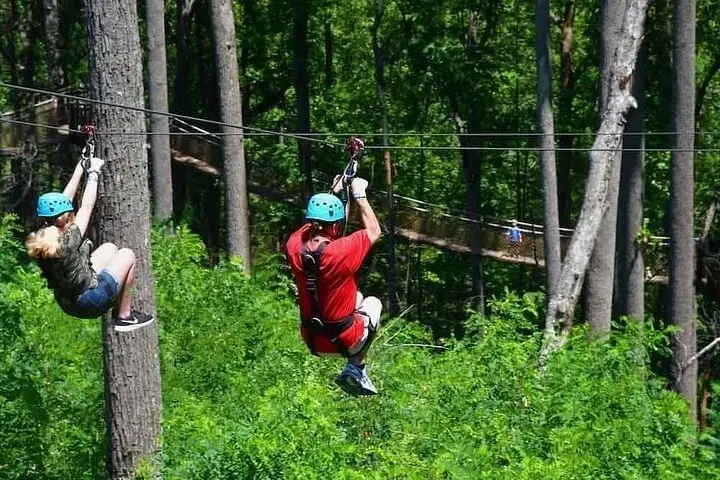
Less than two hours from Nairobi, Kereita Forest pairs hands-on canopy adventure with quiet montane trails and a sobering colonial history—perfect for families, teams, and curious travelers seeking a full-day pulse of nature.
 Related story
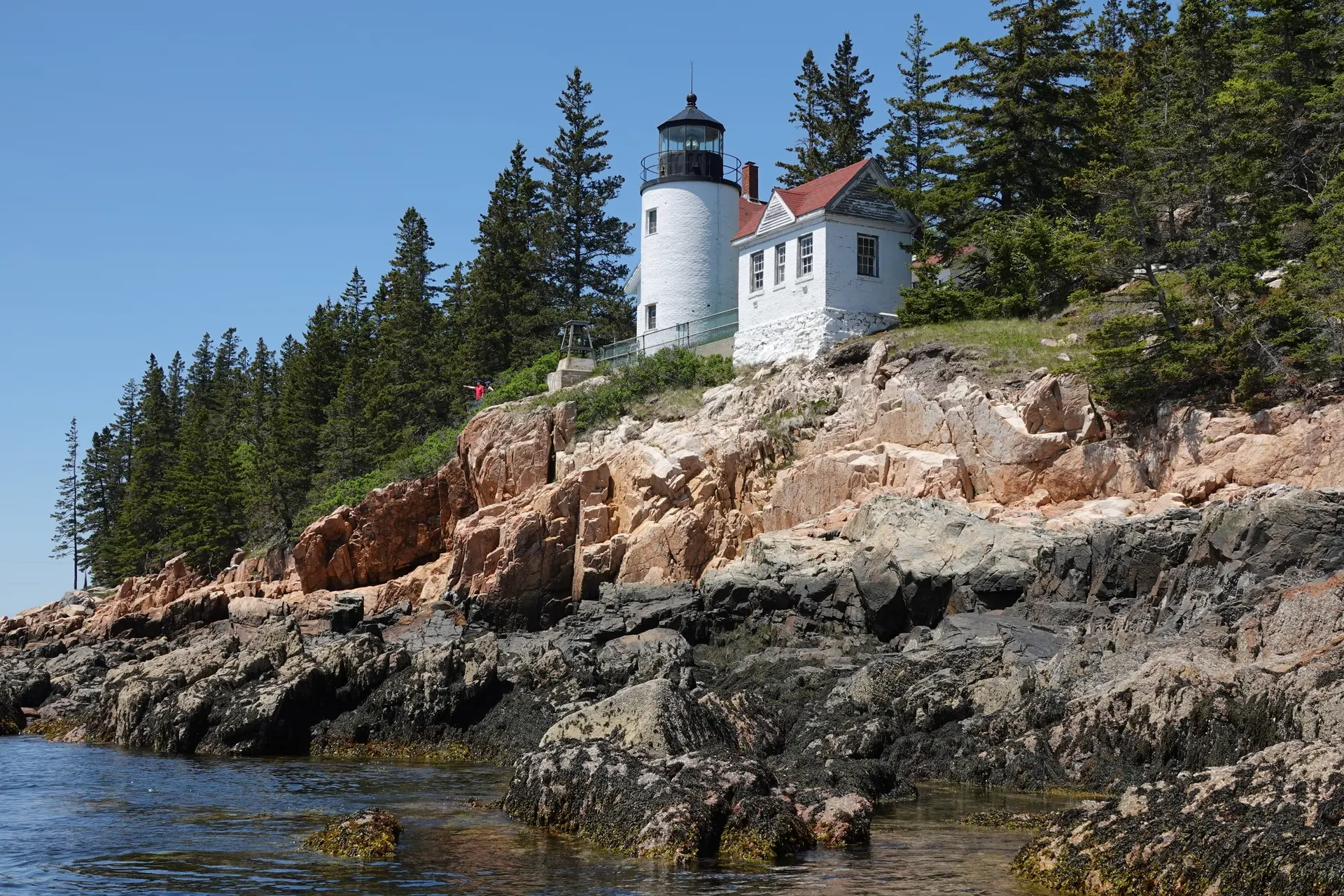
Set out from Bass Harbor for a private, customizable day on Blue Hill Bay — lighthouses, puffins, seals, and the chance to feel Acadia from the water. Small groups, local captains, unforgettable views.
 Related story
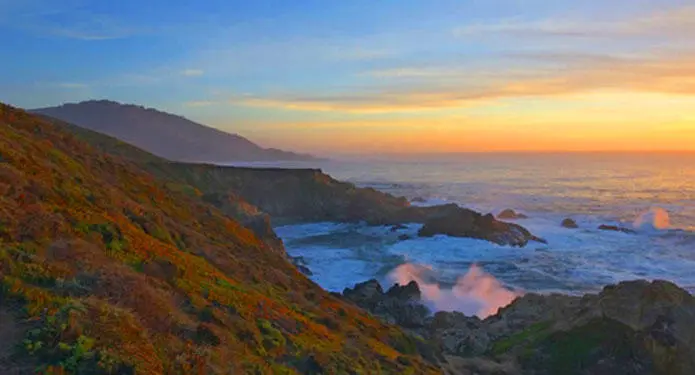
In four hours you can move from shaded canyon ferns to wind-scoured coastal ridgelines, guided by someone who knows where the light—and the hidden views—live. This private half-day hike on the Monterey Peninsula or Big Sur is compact, curated, and perfect for travelers who want depth without a multiday commitment.