
What the day feels like
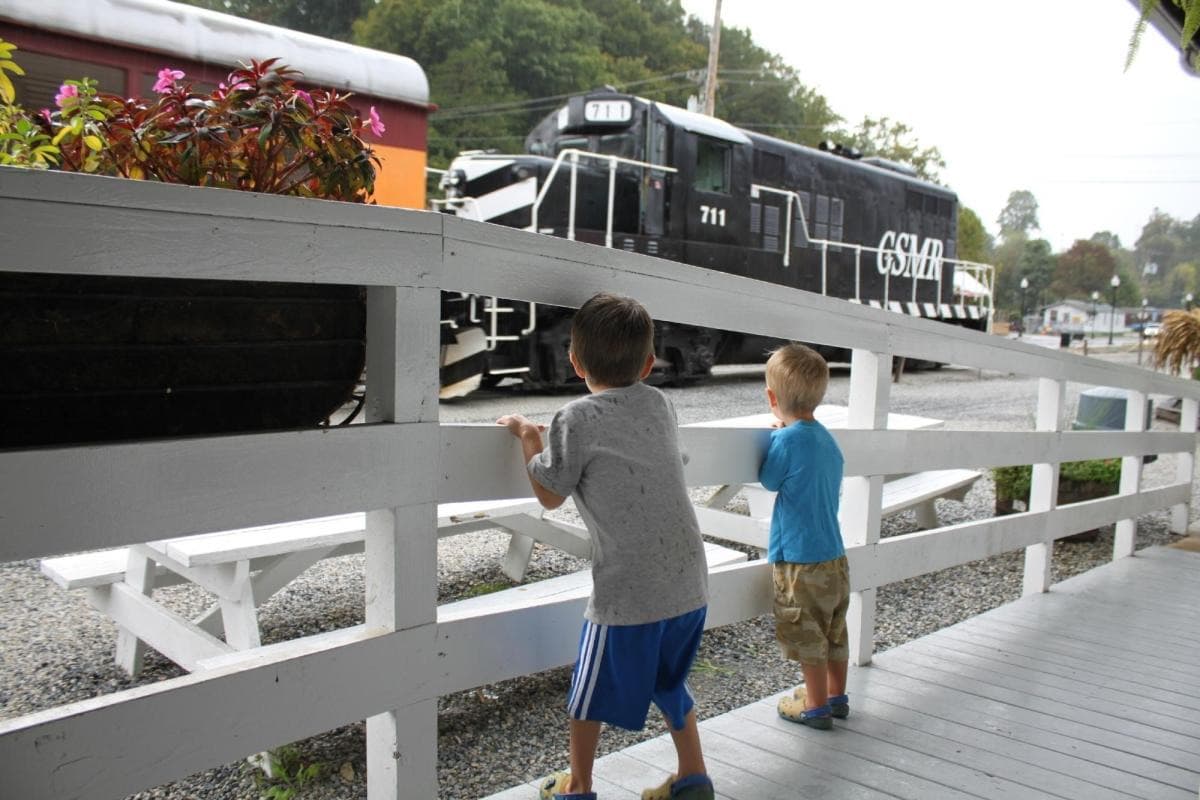
The depot breathes steam and history as the morning sunlight sifts through the chestnut- and oak-lined streets of Bryson City. A whistle cuts the air—sharp, insistent—and a locomotive shudders as if waking from a long Appalachian dream. You step onto the platform and the mountains, visible like slow-moving waves, feel closer. Below, the Tuckasegee River carves a bright, restless line through rock; above, the ridgelines hold a quiet that demands attention. On the Great Smoky Mountains Railroad, the landscape is not merely backdrop. It’s an active participant: the gorge dares you to slow down, the river nudges you toward its curves, and every cliffside seems to keep an eye on the train’s slow crawl.
The Great Smoky Mountains Railroad (GSMR) operates out of Bryson City, North Carolina, and specializes in scenic excursions that trace rail corridors once essential to commerce and settlement in the region. The line follows the Tuckasegee River through a corridor carved over millennia, then threads into the Nantahala Gorge—places where geology and human history intersect. The rails themselves are a living artifact; they run along grades and trestles that tell a story of 19th- and 20th-century engineering, lumber booms, and communities shaped by the roadbed that connected them.
Geologically, the Smokies are ancient—the oldest mountains in North America—and their rounded summits, deep hollows and fast rivers reflect a long history of uplift and erosion. On a GSMR excursion you'll pass rock faces polished by water, river bends littered with boulders, and terraces where floodplain forests gather. Culturally, these tracks thread through territory steeped in Appalachian traditions: small towns, craft shops, and local eateries that still serve pan-fried trout and biscuits. The railroad helped keep many of those places connected; today it carries visitors in a way that honors the slower rhythms of mountain life.
What makes a rail trip in the Smokies special is how the experience balances comfort and wildness. Unlike a trail hike where the effort brings the view, the train concentrates the visual rewards: sweeping river panoramas, glacially rounded boulders, trembling rhododendron corridors, and—most famously—fall color explosions. Excursions vary: short, 90-minute trips for a quick immersion; half-day runs that linger in the Nantahala Gorge; and special event trips—dinner trains, themed rides and seasonal runs—when the railroad leans into atmosphere as much as scenery. Most travelers find the sweet spot in a half-day ride that allows time to watch light move across the valley and to take in the small moments: a family of mergansers skimming the river, a freight crew at a crossing, plumes of steam rising from the engine against a clear Appalachian sky.
Practicality sits quietly beside the romance. Trains depart from the warmly tended depot in Bryson City—plan to arrive at least 30 minutes early during high season. Seating is assigned on many runs; window seats along the river side fill first. Fall is the high season for foliage, and mid-October is prime for peak color, but spring’s fresh green and late-summer’s river power are compelling in different ways. Weather in the mountains is changeable; layers matter more than fashion. Binoculars, a camera with a zoom lens, and a refillable water bottle will keep you engaged between commentary stops.
Accessibility is better than most mountain experiences: the railroad lets you sit back and watch the landscape pass, which is a boon for travelers who want the outdoors without steady exertion. Still, some trains include short walking opportunities at river stops or village landings—bring supportive footwear. Dining and concessions vary by trip; for a relaxed experience, pack snacks if you have dietary needs or plan to buy locally in Bryson City after your return.
For planning: buy tickets in advance for popular dates (especially weekend fall runs), check the timetable for seasonal schedules, and note that special-event trains can sell out. Morning light favors east-facing vistas in the lower valley; afternoon light deepens the colors along ridgelines. Consider timing your trip with other local activities—whitewater rafting trips on the Nantahala River, short hikes to waterfalls, or a meandering afternoon in downtown Bryson City where galleries and breweries provide a warm post-ride welcome.
Onboard, listen for commentary from conductors who blend railroad lore with local history: stories of timber drives, of the rail line’s role during economic transitions, and of community efforts that preserved the corridor after passenger service waned. Respect the rhythm of the ride—soft voices, slow movements to the windows, and a willingness to be present. The best rail trips ask for none of the exhaustion of multi-day backpacking and still deliver a depth of place that lingers.
If you’re chasing a single, unmissable image, go in October as the maples and oaks ignite, and position yourself on the river side of the train. If you want winter clarity, choose a weekday in late fall for thin air, longer lines of sight and the quiet of a landscape shedding leaves. For families or mixed-ability groups, a daytime excursion is the most forgiving: limited stairs, predictable stops, and a steady rhythm that suits all ages.
Ultimately, the appeal of the Great Smoky Mountains Railroad is its ability to connect a traveler to the Smokies’ layered story—geology, river systems, Appalachian culture—without demanding the physical toll of a long trail. It’s a doorway into the region: a measured, sensory-rich way to watch time and weather change the landscape as the train moves on. The whistle fades, the depot returns to privacy, and you step back into town with a clearer sense of how the mountains breathe—and how the river keeps daring you to come back.
Trail wisdom
Small choices, better day.
Book fall runs early
Peak foliage trains sell out—reserve seats at least a month ahead for October weekends.
Pick the river-side seat
Choose the side that faces the Tuckasegee River for the best uninterrupted views and photo opportunities.
Layer and prepare for wind
Even on warm days, higher valley winds and train movement make a lightweight windproof layer useful.
Bring binoculars and a zoom lens
Wildlife and distant ridge details are best appreciated with optics—phone cameras alone often fall short.
Local knowledge
Read the place, not just the route.
Watch for native species including Bald eagle, White-tailed deer.
Keep an eye out for wildlife during the transition between areas and habitats. Respect distance guidelines.
The railroad partners with regional conservation groups to promote responsible visitation—stay on board where directed and pack out any trash to minimize impact.
Follow the guide's instructions on size limits, ethical handling, and leave-no-trace practices.
Stop in Dillsboro for artisan shops and a quieter riverside walk. Look for small pull-outs along the line where photographers often catch unique river reflections
Locally recommended viewpoints and quiet spots known best to local operators.
The GSMR runs on historic railroad corridors that once supported timber and community transport; the current scenic operations began when local preservation efforts repurposed the line for tourism and heritage.
Maritime roots and regional tradition shape the waterways and working coasts.
Seasonal guide
Four versions of the same landscape.
Spring
Best forWildflower viewing · Birdwatching · Mild temperatures
ChallengesOccasional heavy rains · Runoff can swell rivers and limit stops
Spring brings fresh green and blossoms along the riverbanks—expect cool mornings and a lively, wet landscape.
Summer
Best forLonger daylight · Family trips · Water-focused activities
ChallengesAfternoon storms · Higher humidity and bugs
Summer offers warm, long days and energetic rivers; aim for morning departures to avoid late-day storms.
Fall
Best forPeak foliage · Photography · Special-event trains
ChallengesCrowds and sold-out runs · Cooler mornings
October is the visual high point—maples and oaks explode in color, and daylight angles are ideal for photos.
Winter
Best forCrisp visibility · Quiet landscapes · Shorter lines
ChallengesCold temps and occasional snow · Reduced schedules on some routes
Winter delivers clear, crystalline views and fewer visitors, though services may be limited and temperatures low.
Pack with intention
What to bring.
Good to know
Common questions.
Excursions range from about 90 minutes for short runs to half-day trips of 4–5 hours for routes that extend into the Nantahala Gorge.
Plan the edges
The details that make the day easier.
The Great Smoky Mountains Railroad began operations in 1988 using former Southern Railway corridors, helping to revitalize Bryson City's tourism economy.
Bryson City offers Appalachian-style restaurants, local craft shops, and small breweries—perfect for rounding out a rail day with regional trout, biscuits, and handcrafted goods.
- Departure
- Bryson City depot | Duration: 1.5–5 hrs | Book: Recommended in advance for peak season | Accessibility: Moderate—steps to board, minimal walking | Best time: Mid-October for foliage
Respect wildlife by remaining on the train when requested, pack out all trash, and support local conservation groups that maintain river corridors and forest health.
Explore by topic
Follow the threads.
Keep exploring
Make the story part of the trip.
 Related story
Less than two hours from Nairobi, Kereita Forest pairs hands-on canopy adventure with quiet montane trails and a sobering colonial history—perfect for families, teams, and curious travelers seeking a full-day pulse of nature.
Set out from Bass Harbor for a private, customizable day on Blue Hill Bay — lighthouses, puffins, seals, and the chance to feel Acadia from the water. Small groups, local captains, unforgettable views.
In four hours you can move from shaded canyon ferns to wind-scoured coastal ridgelines, guided by someone who knows where the light—and the hidden views—live. This private half-day hike on the Monterey Peninsula or Big Sur is compact, curated, and perfect for travelers who want depth without a multiday commitment.