
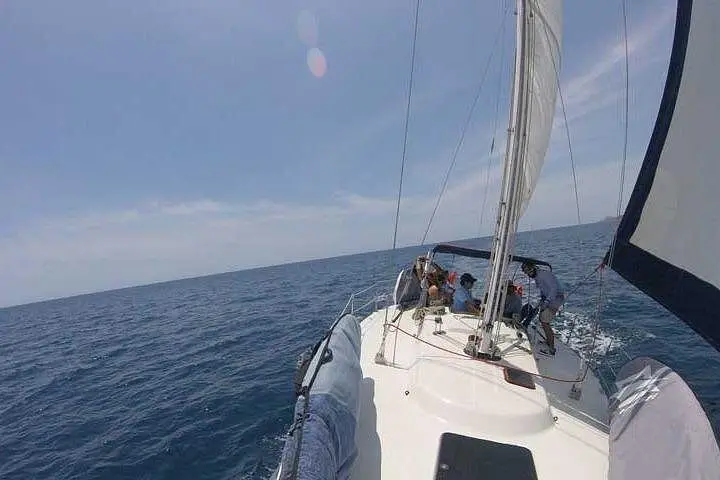
What the day feels like
The boat slips away from the marina with a soft metal sigh and a last glance at the cluster of sportfishing towers and waterfront restaurants that crowd Cabo San Lucas. You feel the motion immediately—the swell rocking a rhythm underfoot, salt air pressing cool and bright against your face, and the coastline of Baja unfurling like a film reel: honey-colored cliffs, arches carved by centuries of wind and surf, and the sudden punctuation of El Arco at Land’s End. For four hours, this small vessel becomes a floating daydream: a place to snorkel where rock and reef bruise turquoise into brilliant blues, to paddleboard into a quiet cove with the ocean nudging you forward, and to sip a cold drink while the Pacific and the Sea of Cortez flirt on the horizon.
This Sailing Snorkel Adventure is straightforward in its promise—sail, snorkel, paddle, relax—but rich in the details that make a trip memorable. Skilled local crews run the show: they tack the boat into calmer pockets, point out migratory birds and the slick dorsal fins of curious fish, and set the water toys out with clinical ease. The itinerary typically includes a stop at a protected bay for snorkeling—often around reefs that sit near Cabo’s famous rock formations—then a paddleboard session for anyone who wants to feel the current beneath their board, and plenty of time to soak up the sun on deck. A premium bar and light bites are standard, turning a practical day at sea into a small celebration.
Cabo’s coastline is geology on display. The peninsula is the exposed edge of an ancient rift where the North American Plate meets the Pacific; the rising and falling of sea levels and relentless wind have sculpted arches and spires, including the iconic El Arco. The nearby Sea of Cortez, Jacques Cousteau’s “aquarium of the world,” supports one of the planet’s most biodiverse marine environments—think schools of angelfish, trumpetfish, and occasionally larger residents like rays and sea turtles. Historically, this stretch of water was a maritime crossroads for indigenous communities and later for Spanish explorers and whalers; today it’s a playground for sport fishers and eco-conscious travelers.
Practicalities are straightforward. The trip runs about four hours (operators list a fixed duration of roughly 240 minutes), and group sizes are small enough to feel intimate. Expect clear instructions from the crew before you enter the water; life vests and snorkeling gear are supplied, though bringing your own mask often gives better fit and visibility. The operator’s pricing starts around $149 USD per person with modest extra charges possible for premium seating or upgrades. Bookings often offer free cancellation policies but note that confirmations may be manual and depend on weather and sea conditions—conditions that in Cabo can flip from glassy calm to windy over an afternoon.
Timing matters. Early-morning sails tend to find the sea calmer and the light more luminous for underwater color. Midday brings warmer water and livelier surface conditions—good for paddling and for those who like their sun strong. The area sees peak marine activity at different seasons: winter and spring are whale-watching heavy, while late spring and summer offer clearer, warmer water for snorkeling. Remember that summer is also hurricane season in the eastern Pacific—operators monitor conditions closely and will reschedule if the sea turns unsafe.
What to expect physically: the water is inviting but not without challenge—snorkeling can require basic comfort with waves and currents, and paddleboarding rewards balance and core strength. Dress in a swimsuit, bring reef-safe sunscreen, a sun shirt, and shoes that are easy to slip on and off. Hydrate before you go and plan to take it easy if you’re prone to seasickness: ginger, wristbands, and motion-stability medication work well on small to moderate swells.
On a local level, the trip is also a cultural stepping stone. The marina and town of Cabo San Lucas pulse with a hospitality industry born of decades of tourism—seafood stands selling fresh ceviche, family-run barraquitos (beach bars), and small markets where artisans sell woven goods. Many crews source snacks and beverages locally, which keeps money flowing to the community and gives travelers a small taste of Baja flavor.
For travelers chasing a compact but high-reward day trip—families, couples, or solo adventurers who want sunlit ocean time without committing to a multi-day liveaboard—this sail-and-snorkel offers an excellent balance of activity and ease. It’s not a technical dive or a hardcore expedition, but it is a chance to touch one of the world’s great seas, to paddle in a sheltered cove while pelicans wheel overhead, and to surface from a snorkel and watch the boat’s wake slope toward the horizon.
If you want to lock it in, local experts run curated departures that combine knowledge of the safest spots with a sense of pace that keeps the day fun and relaxed. For bookings and more details about route options, snorkel areas, and what the day looks like from the crew’s point of view, check this local expert listing: https://app.advcollective.com/local-experts/cabo-san-lucas-sailing-snorkel-adventure-day-sail-snorkel-paddleboard. It’s the quickest way to see what’s included, confirm availability, and choose the right departure time for your plans.
At the end of four hours, you step back onto the marina docks slightly sunburnt, buoyed by salt and the small, persistent grin that comes with time well spent at sea. The memory you carry is sensory—light on the water, a paddleboard skimming across a blue that goes on and on, and the simple pleasure of a cold drink while the coastline slides by. It’s a half-day that feels full.
Trail wisdom
Small choices, better day.
Bring a snug mask
Personal snorkeling masks often fit better and reduce fogging compared with rented gear—improves visibility and comfort.
Use reef-safe sunscreen
Apply mineral-based sunscreen before boarding to protect coral and marine life; reapply as directed.
Time for calmer seas
Choose early-morning departures for smoother water and clearer snorkeling conditions.
Mind your balance
If paddleboarding, bring water shoes with grip and brace for rolling swells; squat to stand for stability.
Local knowledge
Read the place, not just the route.
Watch for native species including Green sea turtles, Humpback whales (seasonal).
Keep an eye out for wildlife during the transition between areas and habitats. Respect distance guidelines.
Operators and local groups promote reef-safe sunscreen and responsible wildlife viewing—avoid touching coral and keep a respectful distance from marine mammals.
Follow the guide's instructions on size limits, ethical handling, and leave-no-trace practices.
Santa Maria Bay—calmer snorkeling with abundant reef life. Lover’s Beach—sheltered cove with scenic rock formations
Locally recommended viewpoints and quiet spots known best to local operators.
Cabo San Lucas grew from a fishing village into a major tourist hub; its rock formations like El Arco are natural landmarks long noted by sailors and fishermen.
Maritime roots and regional tradition shape the waterways and working coasts.
Seasonal guide
Four versions of the same landscape.
Spring
Best forWhale sightings · Mild temperatures
ChallengesWindy afternoons · Higher lodging demand
Spring offers whale activity and comfortable air temperatures, but be prepared for breezier afternoons that can make seas choppier.
Summer
Best forWarm water snorkeling · Longer daylight
ChallengesHot sun · Hurricane season risk (late summer/fall)
Summer brings warm, clear water ideal for snorkeling and paddling, though it’s also peak sun and part of the hurricane season.
Fall
Best forFewer crowds · Calmer seas (early fall)
ChallengesVariable weather · Higher risk of tropical storms later in season
Early fall can yield calm seas and thinner crowds; monitor forecasts as storm risk increases later in the season.
Winter
Best forWhale watching · Crisp, clear light
ChallengesCooler breezes · Shorter days
Winter is prime for whale watching and dramatic coastal light, though air and water temperatures are cooler and winds can pick up.
Operator details
What the booking data adds.
Included
- ✓Alcoholic Beverages
- ✓Lunch
- ✓Use of Snorkelling equipment
- ✓Surf Up paddle Equipment
Not included
- —Gratuities
- —Port Fee, Sailing Snorkel Adventure
- —Transportation
Good to know
- ✓Infants are required to sit on an adult’s lap
- ✓Not recommended for travelers with spinal injuries
- ✓Not recommended for pregnant travelers
- ✓Not recommended for travelers with poor cardiovascular health
- ✓Travelers should have at least a moderate level of physical fitness
Pack with intention
What to bring.
Good to know
Common questions.
The outing is approximately 4 hours (about 240 minutes) from boarding to return to the marina.
Plan the edges
The details that make the day easier.
Cabo sits at the southern tip of the Baja California Peninsula where the Pacific Ocean meets the Sea of Cortez—an area famed for its high marine biodiversity and seasonal whale migrations.
After your sail, wander the marina-side restaurants for fresh fish tacos and ceviche; try a local craft beer or a classic margarita at a seaside bar while you watch the sunset and chat with crew members who often share fishing and local lore.
- Closest airport
- Los Cabos International Airport (SJD) ~45-minute drive to Cabo San Lucas
- Meeting point
- Marina Cabo San Lucas
- Cell service
- reliable in town, patchy at sea
- Permits
- none required for private tour departures
Use reef-safe sunscreen, avoid single-use plastics, and observe a no-touch policy with coral and wildlife to minimize impact on critical marine habitats.
Explore by topic
Follow the threads.
Keep exploring
Make the story part of the trip.
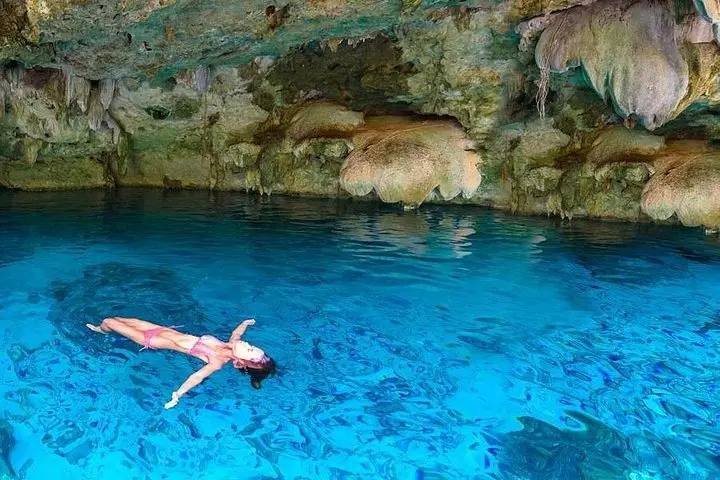 Related story
Dive into the Yucatán’s secret freshwater caverns and drift over the shallow reef gardens of Yalku Lagoon—an accessible, half-day snorkel pairing that blends geology, Mayan history, and vivid marine life.
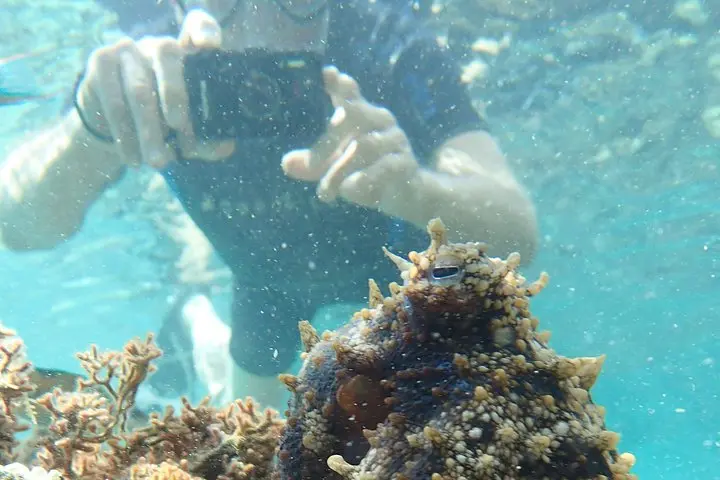 Related story
Slip beneath Porto Santo’s sunlit surface to find a mosaic of seagrass meadows, volcanic shelves, and playful schools of fish. This three-hour snorkeling tour pairs small-group access with local stewardship—ideal for travelers who value marine life over crowds.
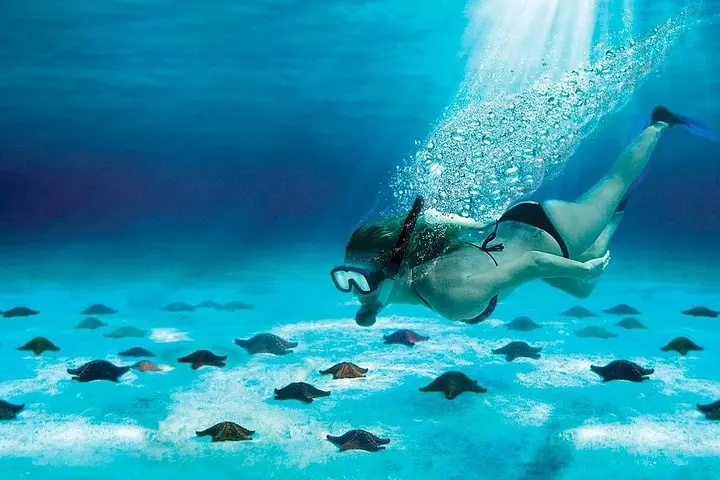 Related story
Spend a day on a high-speed boat exploring Cozumel’s famed reefs and the shallow sand flats of El Cielo. This full-day trip offers clear water, abundant marine life, and guided snorkeling at three prime sites—ideal for both first-timers and seasoned reef lovers.