
What the day feels like
The first light in the Sacred Valley feels deliberate, as if the high Andes have timed the sunrise to wake even the sleepiest traveler. A thin ribbon of mist hugs terraced fields while llamas graze under the watchful stone of Inca walls—walls that have held soil, water and history for half a millennium. You move slowly at first, not from fatigue but from altitude and the instinct to measure every step against this place: the air, the color of the sky, the crack of a distant dog barking through a village.
This seven-day tour—starting in Lima and threading through Cusco, the Sacred Valley, Rainbow Mountain and Machu Picchu—refuses to be the kind of trip you can squeeze into a checklist. It’s a series of deliberate exposures to scale: coastal metropolis to highland capital to crystalline ruins suspended on a ridge above the Urubamba River. The contrast is instructive. Lima is a hungry, salt-and-sea city where ceviche steam rises from sidewalk stands; Cusco sits at 3,400 meters, its Plaza de Armas ringed by colonial balconies that rest on Inca foundations. Somewhere between them is the Andes’ blunt geology: folded strata, uplifted plateaus, and the erosive patience of rivers that have carved valleys over millennia.
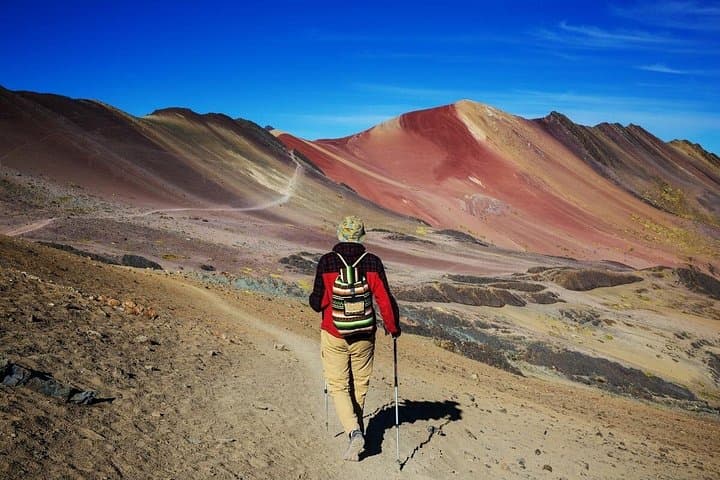
History is built into the route. Cusco was the Inca capital and remains a living museum—cobblestone streets lead to markets where weavers keep ancient dyeing practices alive. The ruins at Ollantaytambo and Pisac show how the Inca solved problems we still contend with: irrigation, terrace agriculture, and resilient architecture. Rainbow Mountain—Vinicunca—owes its palette to mineral layers exposed by glacier retreat and erosion. Machu Picchu, often visited at dawn, is an archaeological tightrope between human craft and dramatic topography; it still feels like a place held in trust rather than fully owned.
Nature here is conversational. Rivers dare you to follow their courses, and cloud bands push warm and cold air across ridgelines in conversations that decide where weather will rain. You become fluent quickly: how the thin air tugs at your lungs, how the sun at 4,000 meters burns differently, and how sudden afternoon storms can turn a clear day into a wet, slippery scramble.
This tour is not a technical climb. Expect sustained walking, steep acclimatization days, and short hikes that hit high altitudes—Rainbow Mountain reaches roughly 5,200 meters and demands respect. Distances are manageable: short drives from Cusco to Sacred Valley sites, a two-hour train from Ollantaytambo to Aguas Calientes, and 2–4 hours of exploring on foot at Machu Picchu. Still, altitude transforms the math; a typical day might feel twice as long as it should.
Why do it? Because the trip stitches together a cultural arc you can’t get on a single hike or a single museum visit. You’ll walk Inca terraces, stand in plazas where rituals once unfolded, eat with local families, and watch mountain color change minute to minute. You’ll also experience practical travel logistics refined by a local operator—Signature DMC—with guides who parse altitude, crowd timing, and where to find the best markets in Cusco.
Practical edge: bring time to acclimatize. Two nights in Cusco before hitting higher passes is a sensible baseline. Hydration isn’t optional; aim for at least three liters of water a day when you’re walking. Keep your pace steady on uphill sections and consider mild acetazolamide if you’re prone to altitude sickness, after consulting a doctor. Footwear should be broken-in hiking shoes with good tread—mud and slick stone are common in the highlands.
Timing matters. The dry season (May–September) offers more stable weather for Rainbow Mountain and clearer views at Machu Picchu, but shoulder months like April and October see fewer crowds and still manageable conditions. Ticketing matters too: Machu Picchu and the train routes have regulated slots; your operator arranges these, but double-check what’s included to avoid surprise costs.
There’s an ethical layer to the experience. Much of the region’s economy depends on tourism; choose operators and restaurants that employ locals and respect community protocols. Stay on designated paths to protect fragile puna grasslands, and never remove artifacts or stones. Leave early for popular sites to see them with softer light and fewer people—Machu Picchu at dawn is worth the alarm.
At the end of a day, the practical blends with the poetic: hot coca tea, a steaming plate of local stew, and a quiet moment looking past terraces into a valley that has seen empires rise and recede. This tour is a careful sequence of exposures—to altitude, history, geology and human craft—built so travelers can leave with a sense of place and a checklist of experiences: a market breakfast in Cusco, a solitary look at Machu Picchu’s agricultural terraces, the thin-oxygen high of Rainbow Mountain’s summit, and the patient hum of village life in the Sacred Valley.
If you want a trip that balances awe with logistics—where every day has both a cultural lesson and a packing list—this seven-day route is a rare fit. It’s not the easiest travel you’ll ever do. But it’s rigorous in a way that rewards planning, respect for place, and the simple act of walking through ancient landscape with attentive feet.
Trail wisdom
Small choices, better day.
Acclimatize in Cusco
Spend 48 hours in Cusco before ascending to Rainbow Mountain to reduce altitude sickness risk and adjust pace.
Hydration + Electrolytes
Carry at least 2–3 liters of water and electrolyte tablets for high-altitude days—water needs increase with elevation.
Timing for Machu Picchu
Book early morning entrance slots to avoid crowds and catch the best light; trains and entry pass must be reserved in advance.
Footwear and Traction
Use sturdy, broken-in hiking shoes with good tread—rain and melt can make trails slippery.
Local knowledge
Read the place, not just the route.
Watch for native species including Andean condor, Vicuña.
Keep an eye out for wildlife during the transition between areas and habitats. Respect distance guidelines.
Highland ecosystems are fragile; stick to marked trails, avoid single-use plastics, and support community-run lodgings and guides to ensure tourism revenue benefits locals.
Follow the guide's instructions on size limits, ethical handling, and leave-no-trace practices.
Early morning San Pedro Market in Cusco for local produce and textiles. Small workshops in Ollantaytambo where artisans still weave using ancestral techniques
Locally recommended viewpoints and quiet spots known best to local operators.
Cusco was the administrative and ceremonial center of the Inca Empire; many colonial buildings were built on top of Inca foundations, creating a layered urban history.
Maritime roots and regional tradition shape the waterways and working coasts.
Seasonal guide
Four versions of the same landscape.
Spring
Best forFewer crowds · Shoulder-season prices
ChallengesUnpredictable rain · Cool nights
(Sept–Nov) Spring brings warming weather after the dry season with fewer visitors but occasional showers; visibility is generally good.
Summer
Best forDry trails · Clear mountain views
ChallengesCold nights · Higher daytime UV
(May–Sept) The dry season is the clearest time for Rainbow Mountain and Machu Picchu, but temperatures dip at night and sun exposure is strong.
Fall
Best forLower crowds · Lush valleys
ChallengesPossible rain · Trail muddiness
(Mar–Apr) Transition season with greener landscapes; expect occasional rain that can make trails slick.
Winter
Best forOff-peak travel deals · Crisp air
ChallengesCold evenings · Limited services in remote areas
(Dec–Feb) Wet season brings heavy rains higher in the Andes, which can disrupt trains and access to high passes.
Operator details
What the booking data adds.
Included
- ✓Round-trip shared transfer from your hotel in Cusco to Ollantaytambo Station
- ✓Shared half-day tour of Lima
- ✓Lunch
- ✓Private Airport Pick-Up and Drop-Off in Lima
- ✓Full-day shared hike to Vinicunca (Rainbow Mountain)
- ✓Breakfast
- ✓Shared tour to Machu Picchu with an on-site guide
- ✓Bilingual Guide in English and Spanish on Tours
- ✓2 Nights Accommodation in a 4 * Hotel in Lima (Standard room)
- ✓Private Airport Pick-Up and Drop-Off in Cusco
- ✓One-way Voyager train and 360° return train from/to Ollantaytambo Station
- ✓4 Nights Accommodation in a 4 * Hotel in Cusco (Standard room)
- ✓Half-day shared tour in Cusco
Not included
- —Flights not included
- —Alcoholic and non-alcoholic beverages during meals.
- —Meals not mentioned in the itinerary.
- —Tickets to parks, museums, churches, or tourist sites not mentioned in the itinerary.
- —Tips for guides, drivers, and other service stuff.
Good to know
- ✓Travelers should have at least a moderate level of physical fitness
- ✓Rates do not apply to special dates such as Christmas and New Year's.
- ✓Children must be accompanied by an adult
- ✓This package is non-refundable and cannot be modified or canceled.
- ✓Rates are per person. If you are a solo traveler, you will have single occupancy. If there are two or more travelers, you will have double or triple occupancy. If single occupancy is required, we can certainly provide a quote.
- ✓The order of the activities included in your itinerary may be affected due to operational, climatic, or logistical factors.
- ✓We are not responsible for any changes or modifications that need to be made due to the lack of information submission or incomplete or incorrect information provided. Any adjustments that involve extra costs will be at the passenger’s expense. Before traveling and/or purchasing your ticket, we recommend that you check with the relevant embassy or consulate for the necessary documentation to travel (travel documents, customs, health, among others). You can also consult the International Air Transport Association (IATA) website. It is the passenger's responsibility to be informed about the requirements set by the different authorities.
- ✓Information about Machu Picchu: The first entry to the citadel requires mandatory accompaniment by a guide. Please note that the guided tour lasts approximately 2 hours and 30 minutes. The visiting route within Machu Picchu and the schedules are subject to availability. To purchase Machu Picchu entrance tickets, it is necessary to provide the full name, date of birth, nationality, and passport number of the passengers, which must match the valid passport used for the trip. Please keep in mind that entry tickets to the citadel are non-refundable once purchased.
- ✓On all train services to Machu Picchu, passengers may only carry hand luggage (backpack, handbag, or briefcase) on the train to/from Machu Picchu, with a maximum weight of 5kg / 11lb. Your main luggage will be waiting for you at your selected hotel.
- ✓Make sure to check with your embassy if you need a VISA to enter Peru (or any other country included in your itinerary). We are not responsible if you do not have all the necessary documentation to enter the country. Foreign travelers visiting Peru must ensure that their passport is valid for at least six months to enter the national territory.
- ✓Please note that Cusco and Machu Picchu are located in a high-altitude region. We recommend: drinking plenty of water, avoiding alcohol and tobacco, refraining from strenuous physical activity (walk slowly and rest when needed), and eating light meals.
- ✓IMPORTANT INFORMATION: Machu Picchu tickets are limited and managed by Peruvian authorities. Your booking is conditional on our confirmation of ticket availability for your chosen date. We recommend booking in advance, as daily entry is limited and in high demand.
- ✓Important Note: We recommend contacting us before booking your flights so we can advise you on the most suitable schedules to ensure you arrive on time for all the tours included in your itinerary.
Pack with intention
What to bring.
Good to know
Common questions.
Yes. Spending two nights in Cusco before higher-altitude excursions significantly lowers your risk of altitude sickness.
Plan the edges
The details that make the day easier.
Machu Picchu was built in the mid-15th century under the Inca emperor Pachacuti and was largely unknown to the outside world until American historian Hiram Bingham brought it to international attention in 1911.
After a long day in the Sacred Valley, head to Cusco’s San Pedro Market for hearty soups and roasted corn, then try a local brew or chicha morada in a small plaza bar. In Aguas Calientes, sample trout and Andean potatoes at family-run restaurants—supporting local kitchens keeps tourism benefits close to communities.
- Closest airport
- Alejandro Velasco Astete International Airport (CUZ) in Cusco; Driving: Cusco to Rainbow Mountain ~3 hours, Cusco to Ollantaytambo ~1–1.5 hours; Cell service: patchy above 3,500 m and in remote valleys; Permits: Machu Picchu entry and train tickets required; Rainbow Mountain may require a day-entry ticket.
This itinerary crosses fragile high-altitude ecosystems and community lands—pack out all trash, stay on established paths, and choose guides who contribute to local stewardship programs.
Explore by topic
Follow the threads.
Keep exploring
Make the story part of the trip.
 Related story
Less than two hours from Nairobi, Kereita Forest pairs hands-on canopy adventure with quiet montane trails and a sobering colonial history—perfect for families, teams, and curious travelers seeking a full-day pulse of nature.
Set out from Bass Harbor for a private, customizable day on Blue Hill Bay — lighthouses, puffins, seals, and the chance to feel Acadia from the water. Small groups, local captains, unforgettable views.
In four hours you can move from shaded canyon ferns to wind-scoured coastal ridgelines, guided by someone who knows where the light—and the hidden views—live. This private half-day hike on the Monterey Peninsula or Big Sur is compact, curated, and perfect for travelers who want depth without a multiday commitment.