
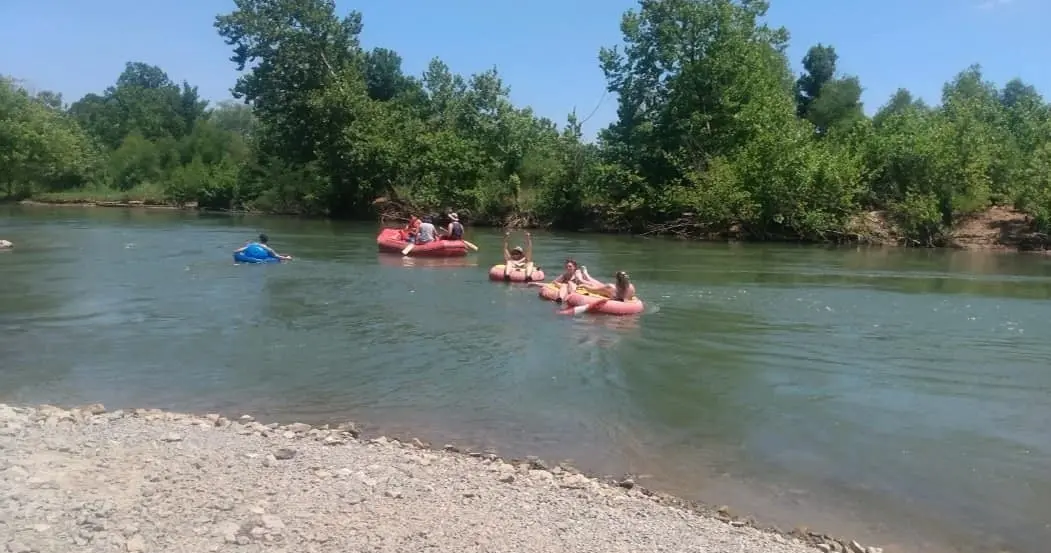
What the day feels like
The current nudges you first—a gentle, constant insistence that matches the rhythm of the rental cabin’s porch swing hours upstream. You push off from a low wooded bank and the trees take over: sycamore trunks mottled with light, willow tips skimming like tentative fingers, and a soundtrack of insects and wingbeats. For the next three to four hours you and your chosen vessel drift through a working landscape where timber and river meet small-town Arkansas. It’s exactly the kind of unhurried escape that Stubblefield Floats in Pocahontas built its reputation on.
Stubblefield’s Dalton-to-Shanty float is simple in logistics and rich in small details. The company ferries cabin guests upriver, places you in the exact bend where the current is forgiving, and drops you into a six-mile corridor that reads like an open-air lesson in local ecology. You move with the water—no engines, no schedules—only the occasional instruction from staff who manage your pickup and the return of your boat. Life vests are required by their policy, and the constant reminder keeps the experience casual without sacrificing safety.
Geologically, this stretch sits on the transition between the Ozark uplift and the broad alluvial plains that drain into the White River system. The river’s slow meanders mean fewer dramatic drops but more of what makes a float memorable: backchannels, log jams that form micro-habitats, and sandbars that invite a mid-float pause. Culturally, Pocahontas and the surrounding Randolph County were settled in the early 19th century; the river figured into logging and small-scale transport, shaping the towns you pass within sight or a short drive.
Why float here rather than on a busier river? It’s the intimacy. You’ll pass patches of riverbank where the blackened stumps of old cypress punctuate sunlit water, where great blue herons stand like sentries, and where the chances of spotting a shy river otter or a snapping turtle spike if you’re quiet. The staff at <a href="https://app.advcollective.com/local-experts/stubblefield-floats-pocahontas-ar">Stubblefield Floats</a> stage these trips for cabin guests, meaning the whole thing feels like a custom invitation rather than an assembly-line outing.
Practically speaking: a six-mile float averages three to four hours depending on how often you stop for a skinny-dip, birdwatching, or photos. Pack a small dry bag with sunscreen, a camera, and a water bottle. Footwear that can get wet—and won’t fall off when you step into slick sandbars—keeps the day easy. Because Stubblefield’s crew handles the logistics, you can treat the float as a seamless extension of your stay: they shuttle you up, you drift back, and they manage the boats at the end.
Timing matters. Early morning and late afternoon reduce boat traffic and add the soft light that photographers and photographers-of-moments love. Summer is peak season for warmth and swimming, spring brings high water and lush banks, and fall offers cooler floats and leaves edging into color. Winter floats are possible but chilly; the atmosphere becomes more solitary, and you trade swims for scope-and-sip coffee moments.
Expectations aside, safety is straightforward: wear the provided life vest, keep personal flotation devices on children at all times, and listen to staff guidance about snags and natural obstacles. The river’s surprises are mostly rustic—submerged timber, sudden shallows, and eddies beneath fallen trees—so a calm, attentive paddling style keeps you moving and relaxed. The trip is ideal for mixed groups—couples, families with older kids, and small friend pods—because the pace is adjustable and the 6-mile distance isn’t physically demanding.
After the float, the small-town rhythm of Pocahontas makes it easy to extend the day. Local diners and markets serve straightforward fare—think fried catfish, barbecued pork, and pie—paired with the kind of down-home hospitality that follows you back to your cabin. The float itself acts as a natural punctuation mark: a morning on the water, an afternoon on the porch, a slow dinner followed by a blueprint of stars.
If you’re planning a trip, book your cabin stay with the float in mind. Having Stubblefield’s crew coordinate the shuttle and pickup minimizes the fiddly logistics that can turn a good idea into a chore. Bring a dry bag, leave a small cooler on shore for snacks, and leave your high-heeled expectations at the dock—this is a river experience that rewards simplicity.
For anyone who wants an easy-access water day that still feels like something earned, the Dalton-to-Shanty float is a tidy, riverwise answer. It’s where seasonal light, attentive staff, and slow water combine to produce a day that’s restorative without being inert. When the current does the work and the landscape leans in, you realize the river is doing what rivers do best: making time feel looser, and the world outside a little further away. To plan a float or ask about cabin-only scheduling, go directly to the Stubblefield Floats listing at <a href="https://app.advcollective.com/local-experts/stubblefield-floats-pocahontas-ar">Stubblefield Floats</a> and read their guest details before you go.
Ready to float? The river is waiting.
Trail wisdom
Small choices, better day.
Wear the Life Vest
Stubblefield requires life vests for all guests—keep it on while on the water to stay safe around snags and sudden shallow patches.
Use a Small Dry Bag
Protect your phone, keys, and camera in a 5–10L dry bag—easy to carry and keeps essentials safe during swims or sudden splashes.
Choose the Right Footwear
Water shoes or sturdy sandals with straps prevent lost footwear on slippery sandbars and make re-boarding simple.
Plan for Shade & Sunscreen
Even under trees, reflective water increases sun exposure—bring SPF and a hat for long float days.
Local knowledge
Read the place, not just the route.
Watch for native species including Great Blue Heron, River Otter.
Keep an eye out for wildlife during the transition between areas and habitats. Respect distance guidelines.
Protect riparian habitat by packing out trash, removing invasive plants from gear, and following staff guidance to avoid sensitive shoreline areas.
Follow the guide's instructions on size limits, ethical handling, and leave-no-trace practices.
Early-morning backchannels near Dalton where herons hunt in shallow pools. Sandbar pull-outs by Shanty that make ideal picnic stops and quiet swims
Locally recommended viewpoints and quiet spots known best to local operators.
Pocahontas is the county seat of Randolph County, settled in the early 19th century; the river corridor supported logging and small-scale transport historically.
Maritime roots and regional tradition shape the waterways and working coasts.
Seasonal guide
Four versions of the same landscape.
Spring
Best forWildflowers along banks · Higher, swifter floats · Bird migration sightings
ChallengesHigher water levels · Stronger currents · Cooler mornings
Spring floods raise the river and deepen channels—scenic and lush, but expect faster currents and cooler temperatures.
Summer
Best forSwimming breaks · Long daylight hours · Warmer, calmer water
ChallengesHeat and sun exposure · Increased visitor numbers · Afternoon storms
Summer is ideal for leisurely floats and swims; go early to avoid heat and afternoon thunderstorms.
Fall
Best forCrisp air and leaf color · Lower, mellower flows · Fewer crowds
ChallengesCooler water · Shorter daylight hours
Fall brings cooler air and colorful banks—great for photographers and quieter trips—dress in layers for changing temps.
Winter
Best forSolitude · Crisp, clear light · Bold wildlife sightings
ChallengesVery cold water temps · Fewer support services · Limited swimming
Winter floats are stark and peaceful; plan for cold conditions and reduced on-river services.
Pack with intention
What to bring.
Good to know
Common questions.
No—Stubblefield Floats provides life vests and requires guests to wear them for safety, but you may bring a personal PFD if you prefer.
Plan the edges
The details that make the day easier.
Pocahontas, Arkansas, is the county seat of Randolph County and was incorporated in the 1830s, with the surrounding rivers historically important to timber and transport.
After the float, head into downtown Pocahontas for classic small-town dining—think fried catfish, barbecue, and pie—or pick up provisions at a market to grill back at the cabin.
- Closest airport
- Jonesboro (JBR) ~1–1.5 hours drive; Driving distance from Pocahontas town center: under 30 minutes; Cell service: intermittent along river—expect gaps; Permits: none required for private floats; Reservations recommended for cabin guests.
This river corridor is ecologically sensitive—pack out all trash, avoid disturbing bank vegetation, and rinse and inspect boats to prevent spread of invasive species.
Explore by topic
Follow the threads.
Keep exploring
Make the story part of the trip.
 Related story
Aksla is the small mountain that makes Ålesund legible: 418 steps, sweeping panoramas, and a short tour that threads architecture and coastline into 90 minutes of memorable sightlines. Perfect for anyone who wants a quick, high-reward encounter with Norway’s west coast.
 Related story
The New York Public Library’s Main Branch is more than a photo stop—it's a civic living room, an architectural landmark, and a waypoint for walking tours that stitch together Midtown’s history, films, and holiday rituals. Here's how to make the most of a visit.
 Related story
Five miles of riverfront walking that reveal NYC’s quieter rhythms—Riverside Park pairs easy urban hiking with history, birdlife and a front-row view of the city’s climate resiliency efforts. Walk a stretch or follow the Greenway; either way, the Hudson makes its presence felt.