
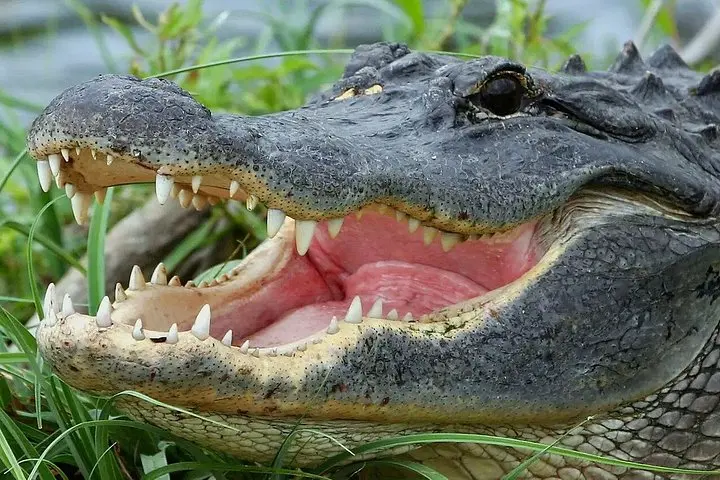
What the day feels like
You feel it before you see it: a low, mechanical breath that rolls across open water and through a stand of sawgrass. Then the airboat appears—a flat-bottomed, fan-driven craft—and the pilot eases onto the throttle so the hull skims the wetland like a fingertip on glass. Salt-spray and marshy perfume mingle; fiddler crabs scatter like punctuation on the shoreline. A great white egret lifts in a slow, deliberate question. The Everglades, that vast slow-moving river of grass, stretches away in a close, green hush.
This is not a wilderness of peaks and ridgelines but of flow—water that moves so slowly it shapes whole communities of life. The Everglades Airboat Adventure is less a hike than a translation: you trade footfall for fan-thrum, trail for ribbon of water, and, in return, you enter a landscape that resists hurry. Over roughly 4–5 hours (the booking lists the full outing at about 270 minutes), guides thread a route through marsh channels and shallow bays, pausing at pockets of open water where wading birds wheel, turtles bask on half-submerged logs, and alligators lounge like small, prehistoric logs with eyes.
Geology and hydrology explain why this place feels unlike any other U.S. National Park. The Everglades are a broad, slow sheetflow of freshwater spilling south out of Lake Okeechobee across a limestone bedrock—an ancient platform peppered with solution holes and mangrove-lined estuaries. That sheetflow created the conditions for sawgrass prairies, sloughs, and mangrove islands where freshwater meets tidal salt. The result is a patchwork of microhabitats: a spoonbill’s shallow hunting ground one bend, a fiddler crab city the next.
Human history here is layered. Indigenous peoples, including the Miccosukee and Seminole, have navigated and stewarded these landscapes for centuries. Later, homesteaders, hunters, and the post-war tourism boom shaped the region’s modern identity. Today, the Everglades are both a protected National Park and a project—large-scale restoration plans and water management policies attempt to undo a century of drainage, agriculture, and development.
An airboat ride is part theater, part field trip. Pilots serve as interpreters and safety officers, pointing out roseate spoonbills, nesting ospreys, and the telltale triangular snout of an alligator. You’ll hear practical tips—keep hands inside the railing, don’t dangle cameras near the water—and local color: where Monday’s sunrise brought a mass of ibis, or where a patch of mangrove is rebounding after restoration. Because routes vary with tides and seasons, every trip is a little improvisation, tuned to conditions and wildlife movement.
Why take this particular adventure? It’s efficient: in a few hours you cover a lot of habitat and see species that would otherwise require days of slow hiking or a network of boats. It’s visceral: the fan’s vibration and the smell of mud and mangrove make the Everglades bodily, not just scenic. And it’s approachable: families and novice outdoor travelers can access remote-sounding places with expert guides and no technical skills.
That said, the experience demands a bit of preparation. Airboats are loud—bring ear protection. Bring sun protection; this is low canopy, high exposure. In summer, mosquitos and no-see-ums come with the territory, so long sleeves and repellent are advised. Timing matters: the dry season (roughly November–April) concentrates wildlife and reduces mosquitoes; the wet season floods sawgrass but brings neon-green growth and abundant birdlife.
Practical details that matter: this tour runs roughly 4–5 hours from pick-up to return (the product lists a total duration of 270 minutes). FromPrice is advertised at about $69 USD, making it an accessible day trip from Miami or other South Florida bases. Many operators list free cancellation—confirm at booking—and most departures leave from staging areas near Homestead or the western Everglades where boat channels allow easy access.
On the conservation side, the Everglades are fragile. Restoration projects are ongoing, and wildlife is protected; feeding animals or disturbing habitat is both illegal and harmful. Choose operators who emphasize responsible wildlife viewing—keeping distance, minimizing engine time near roosts, and supporting local conservation efforts.
If you go: plan a morning trip to catch cooler air and active birds; pack water, layers for changing sun and wind, and a waterproof pouch for cameras and phones. Ask your guide about local spotting: Shark Valley’s observation tower and Flamingo’s shoreline are nearby extensions that reward a slower look. Finally, pair the day with an element of local flavor—fresh seafood in Everglades City, Cuban sandwiches in Homestead, and a roadside fruit-stand stop for adventurous sips of key lime or mango.
You leave an airboat with ears ringing and boots smelling of marsh, but also with a sense of scale: the Everglades is a system, a slow-motion wild, and an ecosystem that, more than ever, needs informed visitors. The ride puts you alongside it—not above—and for a few hours it asks you to slow down to its pace.
Trail wisdom
Small choices, better day.
Bring ear protection
Airboats are loud—pack foam earplugs or noise-cancelling headphones to protect kids and sensitive ears.
Dress for sun and bugs
Wear lightweight long sleeves, a wide-brim hat, and reef-safe sunscreen; in summer add insect repellent.
Waterproof your camera
Wind-driven spray and muddy splashes are common—use a dry bag or waterproof pouch for electronics.
Keep a respectful distance
Do not feed or harass wildlife; follow your guide’s instructions for safe viewing and photography.
Local knowledge
Read the place, not just the route.
Watch for native species including American alligator, Roseate spoonbill.
Keep an eye out for wildlife during the transition between areas and habitats. Respect distance guidelines.
Large-scale restoration projects (like the Comprehensive Everglades Restoration Plan) are ongoing; choose operators who minimize disturbance and support local conservation efforts.
Follow the guide's instructions on size limits, ethical handling, and leave-no-trace practices.
Shark Valley Observation Tower for a panoramic marsh view. Everglades City waterfront eateries and seafood shacks
Locally recommended viewpoints and quiet spots known best to local operators.
The Everglades formed as a slow sheetflow from Lake Okeechobee and was later designated a World Heritage Site and International Biosphere Reserve in recognition of its unique subtropical ecosystem.
Maritime roots and regional tradition shape the waterways and working coasts.
Seasonal guide
Four versions of the same landscape.
Spring
Best forMigratory birds · Mild temperatures
ChallengesIncreasing insects later in season · Variable water levels
Spring brings returning birds and warming days—great for photography and active wildlife sightings, but expect more bugs as temperatures rise.
Summer
Best forLush green growth · Fewer tourists
ChallengesHigh heat and humidity · Heavy rains and storms
Summer is peak water season with dramatic green growth and abundant life, but plan for afternoon thunderstorms and robust insect activity.
Fall
Best forCalmer waters · Lower humidity
ChallengesHurricane season residuals early fall · Warm days still possible
Fall cools gradually—early season can be wet, but later months offer comfortable conditions and active wildlife as the landscape transitions.
Winter
Best forDry-season wildlife concentration · Cool mornings
ChallengesLower water levels in some channels · Potentially brisk mornings
Winter (dry season) is the most reliable time to see concentrated wildlife and enjoy cooler, drier conditions for an airboat trip.
Operator details
What the booking data adds.
Included
- ✓Airboat ride
Good to know
- ✓Infants are required to sit on an adult’s lap
- ✓Travelers should have at least a moderate level of physical fitness
Pack with intention
What to bring.
Good to know
Common questions.
The total outing is about 4–5 hours (the operator lists a fixed duration of about 270 minutes), typically including transfer and stops for wildlife viewing.
Plan the edges
The details that make the day easier.
The Everglades is the only place in the world where both American alligators and American crocodiles coexist in the wild.
After a ride, head to Everglades City for shrimp and stone-crab specialties at waterfront spots, or stop in Homestead for Cuban coffee and the famous fruit shakes at Robert Is Here; for a low-key local beer, try a small brewpub in Homestead.
- Closest airport
- Miami International Airport (MIA). Typical driving time from Miami: 45–60 minutes to Homestead-area launch sites. Cell service: patchy to none in many marsh areas. Permits
- passes
- Entrance fees may apply for Everglades National Park staging areas—confirm with your operator before arrival.
This wetland is a fragile restoration landscape—do not feed or approach wildlife, pack out all trash, and choose operators who prioritize low-impact routes and support local conservation work.
Explore by topic
Follow the threads.
Keep exploring
Make the story part of the trip.
 Related story
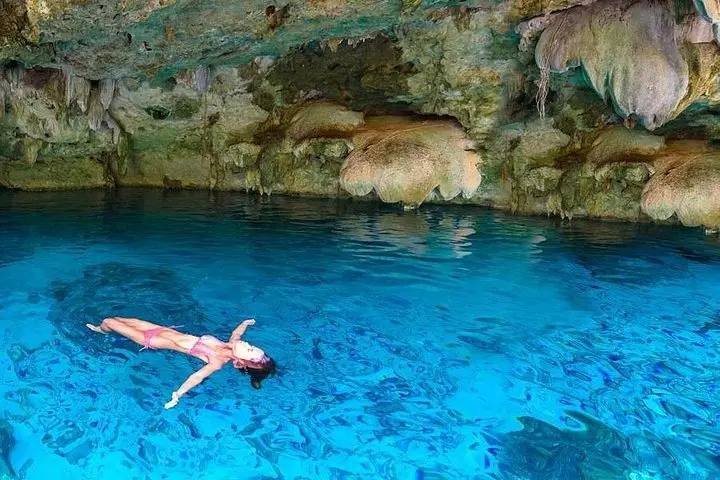
Dive into the Yucatán’s secret freshwater caverns and drift over the shallow reef gardens of Yalku Lagoon—an accessible, half-day snorkel pairing that blends geology, Mayan history, and vivid marine life.
 Related story
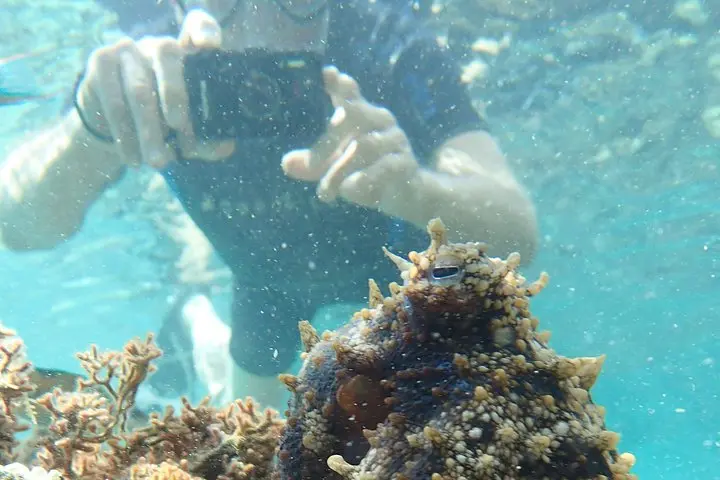
Slip beneath Porto Santo’s sunlit surface to find a mosaic of seagrass meadows, volcanic shelves, and playful schools of fish. This three-hour snorkeling tour pairs small-group access with local stewardship—ideal for travelers who value marine life over crowds.
 Related story
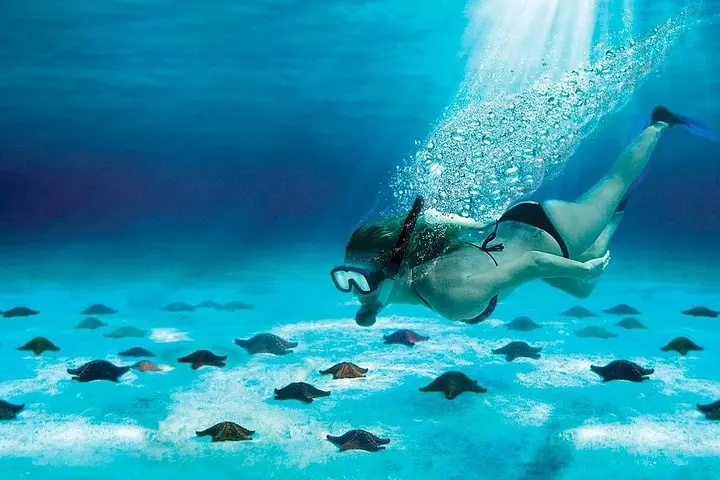
Spend a day on a high-speed boat exploring Cozumel’s famed reefs and the shallow sand flats of El Cielo. This full-day trip offers clear water, abundant marine life, and guided snorkeling at three prime sites—ideal for both first-timers and seasoned reef lovers.