
What the day feels like
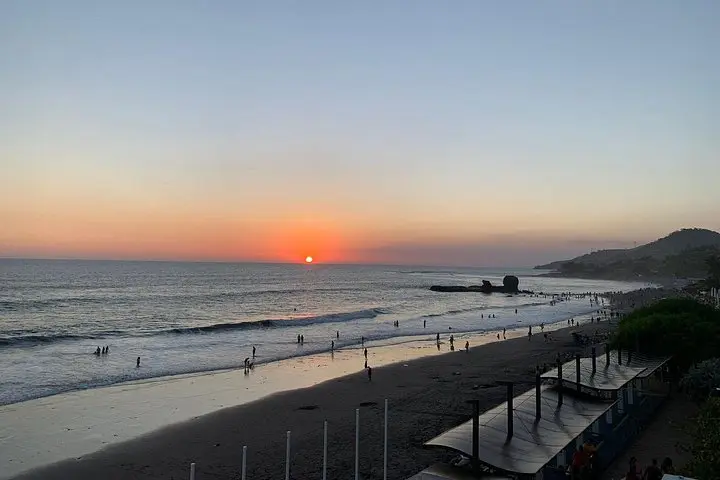
The morning arrives like a promise—salt on the air, a horizon cupped by low clouds, and the steady percussion of surf against black volcanic sand. You step off a narrow street into a scattering of stalls, where women in bright scarves chop lime into fragile mounds of ceviche and fishermen haul coolers toward an open flame. For seven hours, this is the cadence: walk, taste, watch, wade. The tour called Surf City is less about mastering a wave and more about being stitched into a working coast—its tides, kitchens, and the people who read both with hard-earned patience.
You begin on foot, moving through a town that owes its character to salt and commerce. Buildings tilt toward the sea; painted signs advertise pescado encebollado and the famed seafood soup that, depending on who you ask, is the heart of the coast. Behind the food stands, the Pacific is already at work—long rolling sets and occasional thunderous barrels that dare you to come closer. The day is curated by local guides—folks who know where the freshest catch is landed and which tide pool will fill from the ocean to become a private salt-fed plunge pool with an impossible view.
Geologically, this stretch of El Salvador’s coastline is young and angular—born of volcanic violence and then smoothed by heat and water. Black sand beaches and basalt outcrops frame coves where currents collect seaweed and small life. It’s a working shoreline, where the economy still hums with boats and nets more than boutique resorts. Historically, same currents that pull surf carry stories: pre-Columbian trade routes, colonial fishing harbors, and the modern recovery of communities rebuilding around tourism and sustainable seafood.
Culturally, Surf City is a lesson in immediacy. Conversations happen over plates of fish stuffed with shrimp and by the long rows of seafood soup that steam in iron pots. The guides move between Spanish and the local vocabulary of the sea—names for swell directions, wind shifts, and fish that don’t translate nicely into guidebooks. For travelers, that’s the point: you’re not observing a curated postcard but being introduced to how a coastal community reads its environment and prepares its food.
Midday is for the saltwater pool. Tidal channels push ocean water through a carved lip and hold it in a shallow basin—an unlikely infinity pool that smells faintly of kelp and sun-warmed rock. Sit, float, or hop in; the water is clean and immediate, a private Pacific experience without a fence. Nearby, a small cluster of vendors grills fish stuffed with shrimp on skewers, and you’ll taste the difference: heat applied to a catch minutes after it leaves the sea.
Practicalities anchor the romance. The tour lasts about seven hours, includes multiple walking segments along uneven coastal paths and over black sand, and includes at least one seated seafood meal. Expect a mix of paved alleys, sandy stretches, and rock ledges; the terrain is friendly but occasionally sharp underfoot. The price is accessible—around $89 per person—and the tour is highly rated by the modest number of reviewers, a sign of an intimate, locally run experience rather than a mass-market operation.
Who should go? Day trippers who want a cultural and marine snapshot; food lovers eager to sample regional seafood prepared by people who grew up on it; intermediate travelers comfortable walking several miles across shifting terrain and in direct sun. Bring reef shoes or sturdy sandals, reef-safe sunscreen, and at least two liters of water. Cash is useful: many vendors operate informally.
Safety and respect are part of the itinerary. Guides know where it’s safe to enter tide pools and which rocks hide crunchy sea urchin spines. They also know the community: tipping helps, so does buying a soup from a vendor rather than bringing a cooler and skipping the market. And be mindful—this is a working coast. Nets and boats are livelihoods, and respectful distance keeps both safe.
By late afternoon, the town softens. Swells that once seemed formidable become a steady lullaby as the sun drops into the Pacific. You’ll leave with a handful of sensory memories—a forkful of bright ceviche, the grit of volcanic sand between toes, and the way a saltwater pool captured a sweep of ocean inside a natural frame. Surf City isn’t a single highlight so much as a stitched experience: food, people, and place folded into a single, honest coastal day.
If you go, don’t aim to conquer the sea. Aim to be welcome in it. Let the guides point the way and let your pace match theirs. The best souvenir isn’t a T-shirt; it’s a memory of how a coastline can teach you the rhythms of a community that still lives by the tide.
Trail wisdom
Small choices, better day.
Bring reef shoes
Routes include rocky tidal pools and black-sand stretches—protect your feet from sharp rock and hot sand.
Carry 2 liters of water
Seven hours in coastal sun and wind dehydrates fast; refill where available from vendors.
Use reef‑safe sunscreen
Protect your skin and the marine environment—avoid oxybenzone and similar chemicals.
Have small bills/cash
Local markets and food stalls often accept only cash; small denominations make tipping easier.
Local knowledge
Read the place, not just the route.
Watch for native species including Frigatebirds, Olive Ridley sea turtles (nesting in season).
Keep an eye out for wildlife during the transition between areas and habitats. Respect distance guidelines.
Local groups monitor beach health and turtle nesting—support sustainable seafood vendors and avoid single‑use plastics.
Follow the guide's instructions on size limits, ethical handling, and leave-no-trace practices.
Punta Roca viewpoint for dramatic surf observation. Mercado de Mariscos in La Libertad—an authentic fish market experience
Locally recommended viewpoints and quiet spots known best to local operators.
Coastal towns here grew around colonial fishing ports and pre‑Columbian trade routes; many communities retain fishing as the economic backbone.
Maritime roots and regional tradition shape the waterways and working coasts.
Seasonal guide
Four versions of the same landscape.
Spring
Best forMilder temperatures · Cleaner post-wet-season beaches
ChallengesOccasional onshore winds · Higher humidity some days
Spring balances surfable swells with clearer skies—good for walking, pool dips, and seafood feasts.
Summer
Best forLarger swells for experienced surfers · Lush coastal vegetation · Longer daylight hours
ChallengesHigher chance of afternoon storms · Sea conditions can be rougher
Summer (local wet season) brings the biggest surf—great for watching or advanced surfing, but expect periodic rain.
Fall
Best forConsistent offshore wind windows · Warm water · Quieter beaches
ChallengesResidual storm activity depending on hurricane season · Some services scale back
Fall offers warm water and solid swell consistency—ideal for extended beach time and exploring tide pools.
Winter
Best forDry weather and sunshine · Cooler evenings · Easier travel logistics
ChallengesSmaller surf days at times · Peak tourist season means busier spots
Winter’s dry season is the most comfortable for travelers seeking sun and seafood without heavy rains.
Operator details
What the booking data adds.
Included
- ✓Private transportation
- ✓Bottled water
- ✓Air-conditioned vehicle
Not included
- —Gratuities
- —Lunch
Good to know
- ✓Infants and small children can ride in a pram or stroller
- ✓Public transportation options are available nearby
- ✓Infants are required to sit on an adult’s lap
- ✓Suitable for all physical fitness levels
Pack with intention
What to bring.
Good to know
Common questions.
Yes—many activities are on shore and the tidal pool is shallow in spots, but non‑swimmers should avoid deeper ocean entry and follow guide instructions.
Plan the edges
The details that make the day easier.
Punta Roca in La Libertad is internationally renowned as one of the Pacific’s best right‑hand point breaks, helping put El Salvador on the global surf map.
After the day, head to La Libertad’s Mercado de Mariscos for a second helping of seafood soup, then look for a small beachfront palapa serving cold Salvadoran beer (Pilsener) while locals play dominoes—it’s the best low-key way to digest a day on the coast.
- Closest airport
- Monseñor Óscar Arnulfo Romero Intl. (SAL); Driving distance: ~45–60 minutes from San Salvador to La Libertad; Cell service: generally good in towns, patchy on remote stretches; Permits: none required for day tours; Meeting point: confirmed at booking.
This coastline supports nesting turtles and small‑scale fisheries—pack out trash, choose reef‑safe sunscreen, and buy seafood from vendors practicing sustainable catch methods.
Explore by topic
Follow the threads.
Keep exploring
Make the story part of the trip.
 Related story
Aksla is the small mountain that makes Ålesund legible: 418 steps, sweeping panoramas, and a short tour that threads architecture and coastline into 90 minutes of memorable sightlines. Perfect for anyone who wants a quick, high-reward encounter with Norway’s west coast.
 Related story
The New York Public Library’s Main Branch is more than a photo stop—it's a civic living room, an architectural landmark, and a waypoint for walking tours that stitch together Midtown’s history, films, and holiday rituals. Here's how to make the most of a visit.
 Related story
Five miles of riverfront walking that reveal NYC’s quieter rhythms—Riverside Park pairs easy urban hiking with history, birdlife and a front-row view of the city’s climate resiliency efforts. Walk a stretch or follow the Greenway; either way, the Hudson makes its presence felt.