
What the day feels like
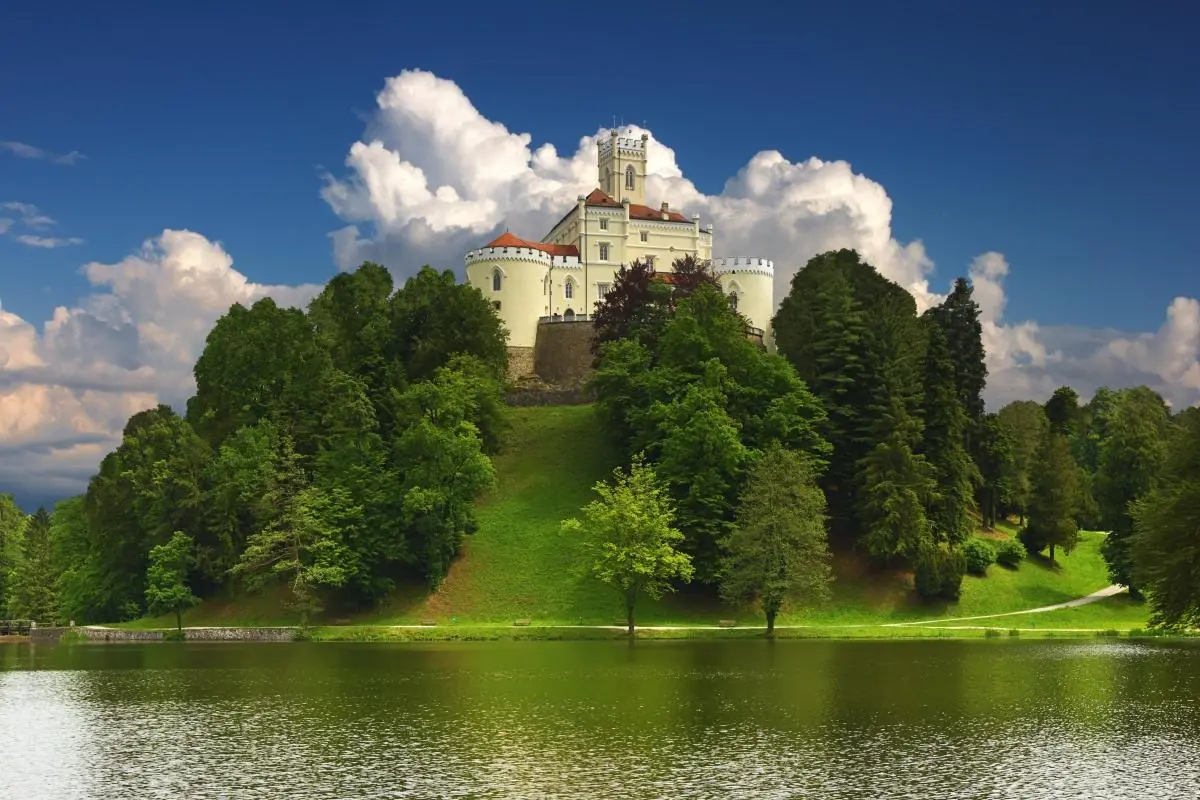
You arrive on a low, mist-softened morning, the road folding through beech and fir until a turreted silhouette lifts out of the trees. Trakoscan Castle perches like an afterthought of another century—stone walls, slate roofs, and a small mirror of a lake at its feet that keeps the whole scene in perfect balance. The air smells of damp leaf litter and wood smoke, and as you step onto the lane that threads the castle’s park, the place does what the best heritage sites do: it makes you slow down.
Trakoscan Castle is not a theme-park replication of medieval life; it is a lived landscape. Its present shape owes as much to 19th-century Romantic restoration as to feudal necessity. The Drašković family, who rebuilt and furnished the castle as a gentlemen’s residence, left rooms packed with period furniture, hunting trophies, and family portraits that read like a social history of Croatian nobility from the 14th to the 20th century. Outside, the artificial lake and landscaped promenades are artifacts of the same era—an aristocratic idea of nature, tempered and curated.
The castle is set in Hrvatsko Zagorje, the northern Croatian hills that spill down toward Varaždin and Zagreb. Geology here is gentle—rolling ridges, karst outcrops, and deep, loamy soils that hold forests and meadow. The modest altitude makes Trakoscan an all-season draw: spring wildflowers around the lake, summer green that goes on for miles, golden larch and beech at fall, and a still, quiet snowdress in winter that turns the whole compound cinematic.
Culturally, Trakoscan sits within a region where baroque town squares, thermal springs, and open-air ethnographic museums tell the story of Croatian life across centuries. It’s common—recommended, even—to pair a visit to Trakoscan with a trip to Varaždin, the Baroque jewel once the capital of Croatia, or the Krapina Neanderthal Museum for a much older horizon. Day-trip operators from Zagreb make those pairings easy: private tours combine Trakoscan with Varaždin’s cobbled streets or with the museum complexes and village-museums of Kumrovec and Veliki Tabor.
On the ground, the visit is tactile. Start at the lakeside promenade; a half-hour loop gives you differing perspectives of the castle, reflections shifting with wind and cloud. Move to the castle courtyards and step inside to the museum: the rooms are compact, and many are accessed by narrow stone staircases—expect uneven surfaces and a few flights to the upper galleries. The best guide will stitch family anecdotes to architectural details—why the drawing room is arranged the way it is, how the hunting trophies arrived, and which rooms doubled as wartime headquarters in the 20th century.
Beyond the main visit, Trakoscan rewards small detours. There is a modest hill viewpoint that looks down on the lake and the wider valley, and a network of forest trails where you can stretch legs away from the midday coach crowd. The castle café and a handful of local restaurants in nearby villages serve simple regional staples—comforting soups, roasted meats, and Zagorje specialties like štrukli, a baked cheese-and-dough dish that reads like local heart food.
Preparation is straightforward but worth some thought. The castle’s paths are mostly gravel and compacted earth; bring good shoes and a waterproof layer in spring and fall. Summers are pleasant but can be sunny on exposed promenades, so sun protection matters. If you’re arriving by car or on a private tour from Zagreb (roughly a 1–1.5 hour drive depending on traffic), factor in time for both the interior museum and the outdoor circuit—plan 2 to 4 hours if you want to move at an unhurried pace and take photos.
For travelers who prefer a curated experience, private day trips bundle Trakoscan with Varaždin, Kumrovec (Tito’s birthplace and open-air museum), Veliki Tabor, or the Krapina Neanderthal Museum—each pairing changes the story arc of your day. Varaždin adds baroque architecture and a lively lunch scene; Krapina adds deep time and archaeology; Kumrovec gives an ethnographic counterpoint with late 19th-century village life. Guides can tailor the route to avoid crowds or linger on photographic vantage points.
Logistics aside, the place asks for attention. Respect the rooms (many hold fragile textiles and finishes), follow paths, keep voices low in the museum, and, if you’re wandering the trails, be mindful that parts of the park are managed woodland—look, but don’t disturb. Conservation here is active: restoration projects rely in part on admission revenue and responsible visitors.
Trakoscan’s charm is that it reads like an intimate story rather than a grand narrative: a house with a lake, a family and its objects, and a landscape that was designed to frame that life. It’s easy to romanticize castles; the more useful response is to approach Trakoscan with curiosity and a readiness to notice small things—a carved credenza, a fishing cottage on the lake, the way winter light slants across a hunting portrait. Those details anchor the visit.
Who should do this trip? Anyone who enjoys compact cultural sites with strong landscape settings: day-trippers from Zagreb, families wanting a readable museum, photography enthusiasts, and walkers who like short loops in forested settings. It’s not a strenuous destination, but it rewards slower movement and thoughtful observation.
If you go, leave time afterward for a late lunch in Varaždin or a short detour to a nearby village for a plate of local cheese and a sip of regional wine. Trakoscan is a day that unfolds gently—designed landscapes, lived-in rooms, and a lake that keeps your reflection company while you think about the past and the many small choices that made it visible.
Trail wisdom
Small choices, better day.
Wear grippy shoes
Paths are gravel and stone; comfortable, supportive footwear will make courtyard stairs and lakeside walks easier.
Start early for calm light
Mornings bring softer reflections on the lake and fewer coach groups—great for photos and quieter exploration.
Combine nearby sites
Pair Trakoscan with Varaždin or Krapina on a private day trip from Zagreb to make the most of the region.
Carry small cash
Local cafés and small shops may prefer cash for snacks or local crafts.
Local knowledge
Read the place, not just the route.
Watch for native species including roe deer, kingfisher.
Keep an eye out for wildlife during the transition between areas and habitats. Respect distance guidelines.
Ongoing conservation work relies on visitor revenue; stick to marked paths and avoid touching historic textiles and furniture to help preserve the site.
Follow the guide's instructions on size limits, ethical handling, and leave-no-trace practices.
The small belvedere above the lake (short uphill path) for unobstructed castle reflections. Forest trails behind the castle that lead to quiet picnic clearings and old stone markers
Locally recommended viewpoints and quiet spots known best to local operators.
Trakoscan’s present romantic appearance comes from a 19th-century restoration by the Drašković family; the castle’s museum preserves interiors spanning the 14th–20th centuries.
Maritime roots and regional tradition shape the waterways and working coasts.
Seasonal guide
Four versions of the same landscape.
Spring
Best forwildflowers around the lake · cool walking conditions · birdwatching
Challengesmuddy trails after rain · variable temperatures
Spring brings green resurgence and blossoms; trails can be wet after storms, so waterproof footwear is advised.
Summer
Best forlong daylight for photography · pairing with nearby towns · outdoor café breaks
Challengessun on exposed promenades · peak tourist numbers
Warm, pleasant days make the lakeside ideal, but plan for shade and avoid midday heat on busy weekends.
Fall
Best forautumn color in the park · crisp light for photos · quieter trails
Challengesshorter days · cooler mornings
Fall’s golden beech and larch make the castle extra photogenic—bring layers for brisk mornings.
Winter
Best forsnow-dusted scenes · low-season solitude · dramatic light
Challengesicy paths · reduced services
Winter can be magical under snow, but expect limited hours and potentially icy trails—spikes are useful.
Pack with intention
What to bring.
Good to know
Common questions.
Plan 2–4 hours to tour the interior museum, walk the lakeside promenade, and visit the viewpoint; combine with nearby Varaždin for a full day.
Plan the edges
The details that make the day easier.
Trakošćan’s familiar lakeside landscape was shaped in the 19th century during a Romantic-era redesign by the Drašković family; the castle museum houses furnishings spanning several centuries.
Hrvatsko Zagorje’s food is hearty and regional—look for štrukli (baked cheese pastry), slow-roasted meats, and local wines served in family-run konobas and guesthouses.
- Drive time from Zagreb
- ~1–1.5 hours; plan 2–4 hours on site; ticketed museum with seasonal hours; combine with Varaždin or Krapina for full-day itineraries.
Stay on marked trails, avoid touching or leaning on historic surfaces, and consider booked small-group tours that minimize vehicle congestion and support local guides.
Explore by topic
Follow the threads.
Keep exploring
Make the story part of the trip.
 Related story
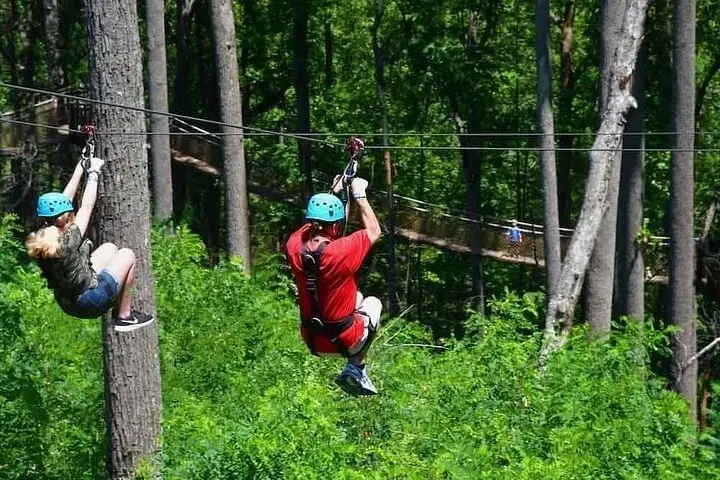
Less than two hours from Nairobi, Kereita Forest pairs hands-on canopy adventure with quiet montane trails and a sobering colonial history—perfect for families, teams, and curious travelers seeking a full-day pulse of nature.
 Related story
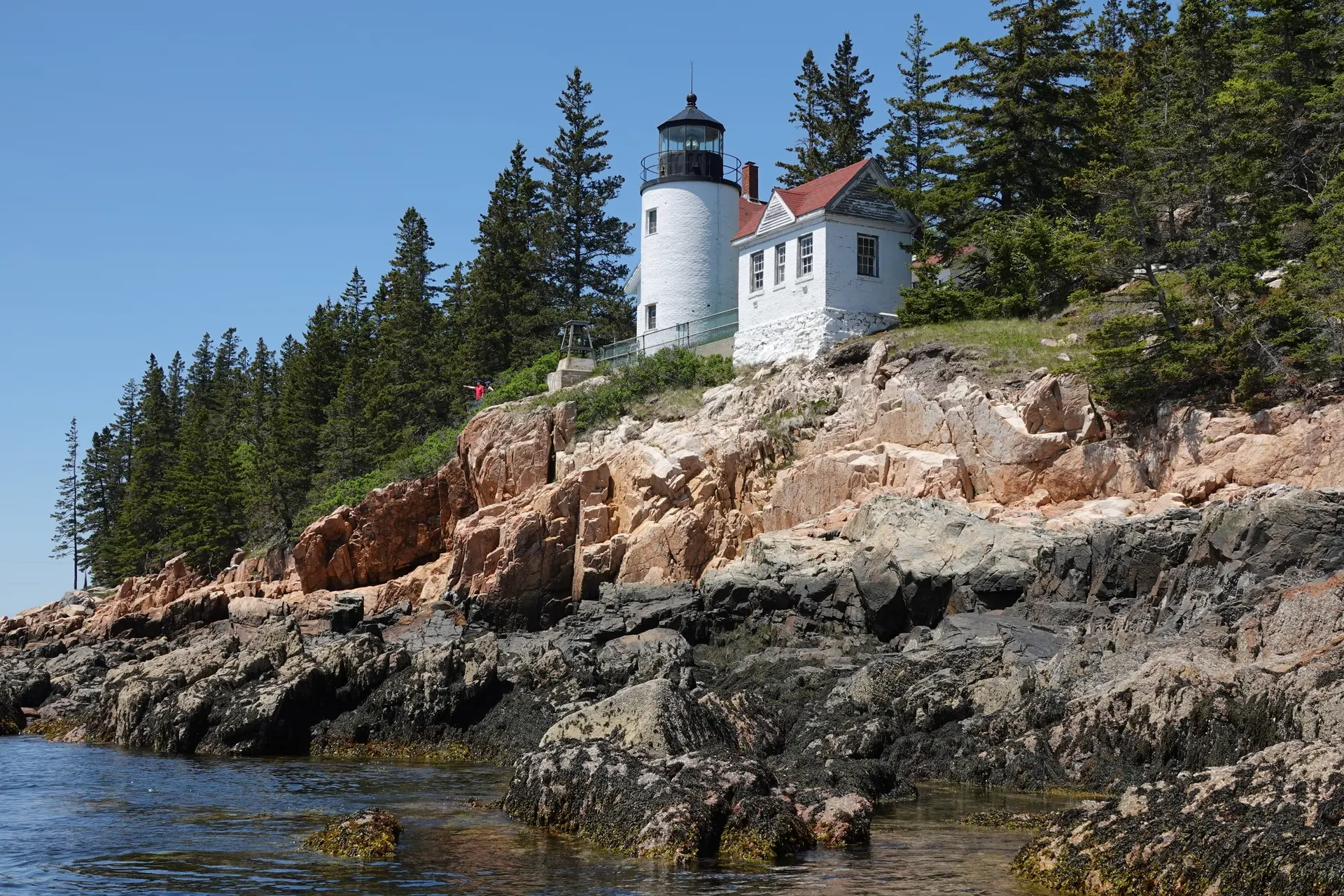
Set out from Bass Harbor for a private, customizable day on Blue Hill Bay — lighthouses, puffins, seals, and the chance to feel Acadia from the water. Small groups, local captains, unforgettable views.
 Related story
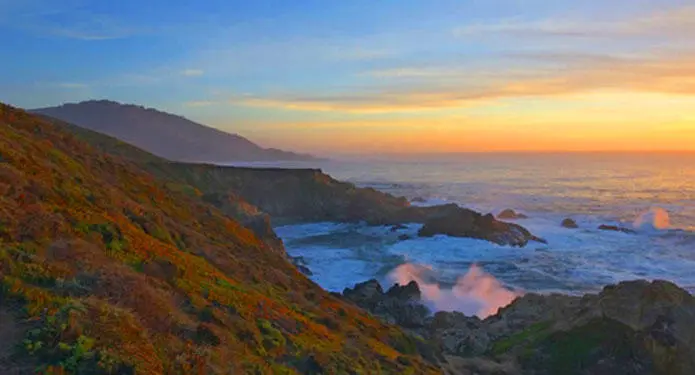
In four hours you can move from shaded canyon ferns to wind-scoured coastal ridgelines, guided by someone who knows where the light—and the hidden views—live. This private half-day hike on the Monterey Peninsula or Big Sur is compact, curated, and perfect for travelers who want depth without a multiday commitment.