
What the day feels like
You start on a mist-soft morning with water lapping against a lagoon that seems to breathe. A low, brackish fog drifts between the Knysna Heads—two sandstone sentinels that guard the estuary and make the harbor feel like a secret. Andre, your guide, checks gear with a calm certainty: maps folded, radios on, and a grin that suggests he knows precisely where the best light will be for a photo finish. In two hours he promises to show you the Garden Route in a way the guidebooks rarely do—fast enough to fit between commitments, slow enough to feel like you learned something.
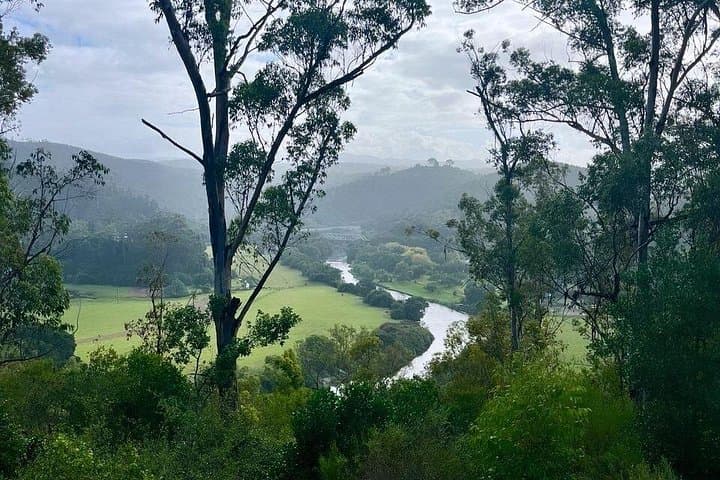
This is a tour designed to give you a concentrated encounter with one of South Africa’s most beloved stretches of coast: the Garden Route. Rather than one long, arduous trail, expect a curated sequence of landscapes—coastal cliffs that catch the wind like sails, narrow singletrack threading indigenous forest, and calm estuary water where kayaks slice a smooth path toward hidden coves. Nature here behaves like an active host: the surf dares you to pay attention, the forest leans close enough to smell the damp earth, and the tidal lagoon keeps its own slow clock.
Geologically, the Garden Route is a mosaic. Ancient sandstone and quartzite form dramatic headlands while softer sediments have been carved into sheltered coves and estuaries. The Knysna Heads themselves are a vivid example: wave-sculpted cliffs that funnel the lagoon’s exchange with the Indian Ocean and give the area its dramatic marine influence. The result is biodiversity—coastal scrub, afro-temperate forest, and estuary habitats—that supports species you won’t find anywhere else.
Culturally, the region has long been a meeting place. Indigenous Khoisan peoples first navigated these coasts, reading currents and seasonal tides. Later, the town of Knysna developed as a timber and oyster hub; today its markets hum with artisanal crafts and seafood that speaks to the estuary’s bounty. Guides like Andre often blend natural history with local lore—why a particular headland got its name, or which forest clearing holds a rare orchid—so your two-hour outing becomes a compact lesson in place as much as an outdoor pulse-raiser.
What you’ll actually do depends on the day: a two-hour kayak across a placid lagoon, a loop that trades singletrack for beach views, or a brisk mountain-bike leg through shaded forest. The terrain is variable—sandy shorelines, rockier coastal grooves, and roots-and-rutted forest paths—so expect to switch gait and gears. If you opt for kayaking, the estuary’s tide and wind dictate the route; on land, the trails are generally short but technical enough to demand attention. This format makes it ideal for travelers who have limited time but want to feel they’ve touched several signature Garden Route environments.
Practical details matter here. The experience runs about two hours and is best booked through a local guide service—your leader will shape the route by tide, wind, and group ability. Price starts affordably, making it an accessible way to test the Garden Route’s waters before committing to multi-day treks. Because coastal weather can change fast, timing matters: mornings are cleaner for photography and calmer for paddling; afternoons bring a stronger onshore breeze that can make the Heads dramatic but the water choppy.
Safety and comfort are straightforward if you prepare. Wear sturdy trail shoes for mixed terrain, or bring water shoes for kayaking. Layers are crucial; the coast carries coolness even in summer and fog can roll in unexpectedly. Hydration and sun protection are non-negotiable—salt and sun combine to make a day out deceptively taxing. Listen to your guide about local wildlife: estuary sightings often include cormorants, herons, and—if you’re lucky—the endemic Knysna seahorse in sheltered eelgrass beds.
Why do this trip instead of hiking a long trail or booking a full-day expedition? Because it compresses the Garden Route’s variety into a single sensory loop. In two hours you’ll feel the difference between wind-bleached headlands and sheltered forest, learn which local products to look for at Knysna’s markets, and come away with specific recommendations for longer adventures. It’s a high-value sampler: you get the expertise of a guide, the flexibility to match your pace, and a clear orientation to the region if you plan to stay longer.
For travelers who want to extend the experience: pair this outing with the Featherbed Nature Reserve ferry and trail, spend an afternoon on a longer estuary paddle to tidal lagoons, or take a coastal drive to Wilderness National Park for dune and lagoon landscapes. Back in town, Knysna’s oyster bars and craft breweries provide a fitting post-adventure ritual—salt-scrubbed hands and a cold beer are an excellent metric of a day well spent.
If you go, think like a local: rise with the tide for calm water; respect closures and nesting grounds; and come with a camera, but also a readiness to put the lens down and simply listen. The Garden Route’s best lines are both visual and auditory—the slap of waves against rock, the hush under canopy, and the soft, secretive calls of estuarine birds. Two hours here won’t solve everything, but it will make you want more, which is precisely the point. Emerging from the final stretch, you’ll have a compact sense of place and a map in your head of where to return next.
Trail wisdom
Small choices, better day.
Time your tide
Book a morning slot for calmer estuary paddling and softer light for photos.
Layer up
Coastal conditions shift quickly—pack a light windbreaker even on warm days.
Footwear matters
Use grippy trail shoes for mixed terrain or water shoes if kayaking is on the plan.
Protect from sun & salt
Apply reef-safe sunscreen and bring a wide-brim hat; salt spray amplifies sun exposure.
Local knowledge
Read the place, not just the route.
Watch for native species including Knysna seahorse (endemic), African fish eagle and estuary waders.
Keep an eye out for wildlife during the transition between areas and habitats. Respect distance guidelines.
The area overlaps with Garden Route National Park zones—respect trail closures, avoid disturbing shoreline habitats, and use reef-safe sunscreen to protect marine life.
Follow the guide's instructions on size limits, ethical handling, and leave-no-trace practices.
Featherbed Nature Reserve ferry and guided shore walk for layered history and views. Small estuary coves accessible only by kayak at low tide
Locally recommended viewpoints and quiet spots known best to local operators.
Knysna grew as a timber and oyster town; its estuary has long been central to local livelihoods and maritime culture.
Maritime roots and regional tradition shape the waterways and working coasts.
Seasonal guide
Four versions of the same landscape.
Spring
Best forWildflower displays · Milder weather · Birdwatching
ChallengesChangeable rainfall · Pollen in forests
Spring brings flowering fynbos and active birdlife; trails are lush but check for recent rains that can make paths slick.
Summer
Best forWarm water paddles · Long daylight hours · Beach views
ChallengesStronger onshore winds · Higher visitor numbers
Summer is ideal for kayaking and late-afternoon swims, but plan morning outings to avoid afternoon wind build-up and crowds.
Fall
Best forClear skies · Calmer seas · Photography
ChallengesCooling evenings · Occasional rain fronts
Autumn offers crisp light and fewer people—excellent for photography and singletrack rides.
Winter
Best forStorm-watching · Dramatic coastal scenery · Fewer tourists
ChallengesCooler temperatures · Rougher seas and higher swell
Winter creates dramatic seascapes and quieter trails; choose sheltered routes and heed guide advice about surf conditions.
Operator details
What the booking data adds.
Included
- ✓Guided Services only. All equipment and entrance fees excluded
Not included
- —Local Craft Beer available on request
- —Private transportation
- —Meals
Good to know
- ✓Service animals allowed
- ✓Public transportation options are available nearby
- ✓Infants are required to sit on an adult’s lap
- ✓Not recommended for travelers with spinal injuries
- ✓Not recommended for travelers with poor cardiovascular health
- ✓Suitable for all physical fitness levels
Pack with intention
What to bring.
Good to know
Common questions.
The standard guided outing is approximately two hours, offering a condensed sample of coastal, forest, and estuary highlights.
Plan the edges
The details that make the day easier.
The Knysna estuary is home to the Knysna seahorse (Hippocampus capensis), an endemic and endangered species found only in a few South African estuaries.
After a paddle or ride, head into Knysna for oysters at a waterfront restaurant, sample craft beers at a local microbrewery, and browse small galleries selling woodcrafts—this stretch pairs outdoor time with fresh seafood and artisanal community flavor.
- Closest airport
- George (GRJ) ~40 km; Typical meeting point: Knysna waterfront or nearby trailhead; Driving distance from town: 0–20 minutes depending on exact route; Cell service: generally available in town, patchy on some coastal trails; Permits
- fees
- possible reserve entry fees—confirm with operator.
The Garden Route includes protected habitats—pack out all waste, stick to marked trails, and use reef-safe sunscreen to protect sensitive estuary and marine life.
Explore by topic
Follow the threads.
Keep exploring
Make the story part of the trip.
 Related story
Less than two hours from Nairobi, Kereita Forest pairs hands-on canopy adventure with quiet montane trails and a sobering colonial history—perfect for families, teams, and curious travelers seeking a full-day pulse of nature.
Set out from Bass Harbor for a private, customizable day on Blue Hill Bay — lighthouses, puffins, seals, and the chance to feel Acadia from the water. Small groups, local captains, unforgettable views.
In four hours you can move from shaded canyon ferns to wind-scoured coastal ridgelines, guided by someone who knows where the light—and the hidden views—live. This private half-day hike on the Monterey Peninsula or Big Sur is compact, curated, and perfect for travelers who want depth without a multiday commitment.