
What the day feels like
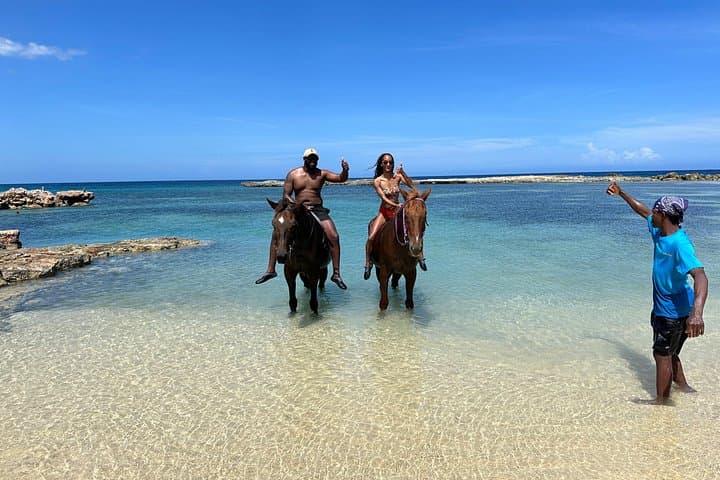
You feel it in the first few seconds: a small, steady vibration under your palms as the ATV idles, the humid air smelling of cut grass and salt. Guides check helmets and give practiced instructions while a line of locals and visitors trade nervous grins—this is the edge between everyday life and a two-hour flip into something wholly Jamaican. When the engines kick and hooves shuffle, the island seems to bend, offering a route that threads sugarcane farms, turmeric groves and a coastline that keeps its secrets until you’ve earned them. By the time you’re on horseback with water at your ankles, the Atlantic is no longer an idea on a map but a cool current daring you to go in.
This is the promise of the ATV and Horseback Ride n Swim Adventure Tour in Montego Bay: compressed intensity, family-friendly thrills and an uncomplicated way to meet Jamaica’s north coast from land and sea within roughly two hours. The itinerary is straightforward—depart from a safari ranch, spend about an hour tearing across rural tracks on an all-terrain vehicle, then switch tack to a guided horseback ride that ends with a splash—yet the landscape is what sticks. Fields that smell faintly of turmeric give way to narrow lanes lined with tamarind and towering guango trees, and small communities appear like stage sets where laundry flutters and children wave. The guides—often born and raised nearby—translate the place: which fruit tree provides what, where mangroves protect the shore, and why this ridge looks the way it does.
Montego Bay has layered histories—Maroon settlements, sugarcane plantations and a coast shaped by colonial trade routes—so even a short, focused outing can feel like a quick study. The north coast’s limestone skeleton and coastal terraces explain the abrupt drops to the sea and the little coves that make ideal swimming stops. You’ll pass farmland where yams and cassava still anchor the local diet and perhaps a small rum shop tucked behind a church: reminders that the island is lived-in, not staged for visitors.
Practicalities keep the trip grounded. The tour is a two-hour experience with an approximate one-hour ATV section; it’s priced from roughly $170 and usually includes all equipment and instruction, making it a convenient pick for families or mixed-skill groups. It’s sold as a private tour with instant confirmation in many booking systems, and departures typically leave from a local ranch or staging area reachable from Montego Bay resorts in under an hour depending on traffic. Guides handle the logistics—helmet checks, a short safety briefing and a cautious pace for beginners—so you spend less time worrying about technique and more time watching the coast unfold.
Safety is sensible, not alarmist. ATVs demand attention to braking and throttle control on wet ruts after a downpour; horseback rides require soft hands and a willingness to move with the animal. The swim at the end is the reward and a practical way to rinse dust off—bring a quick-dry towel and a sense of adventure. Wear closed-toe shoes for the ATV, bring a swimsuit beneath your clothes for the horse-to-sea transition, and slather on reef-safe sunscreen. Timing matters: mornings are cooler and often less dusty; late afternoons offer softer light for photos but one should watch for seaside winds.
Beyond the itinerary, there are little decisions that shape the day. Ask your guide about local produce—seasonal fruits or roadside vendors—and consider scheduling the tour early in your stay: it’s a good physical opener that also introduces riders to Jamaican rhythms, from music choices on the vehicle radios to the cadence of island speech. The cultural notes aren’t lecture-style; they’re embedded in the route—names of farms, the occasional gospel hymn from a passing neighbor, and the unforced hospitality when you pause at a viewpoint.
Sustainability is practical here too. Stick to the tracks your guide shows, avoid disturbing shoreline vegetation and bring water and waste back with you. The coastal swim is delightful, but fragile marine habitats can’t be treated as accessories; opt for biodegradable sunscreens and avoid stepping on coral.
If you’re the kind of traveler who loves variety—something fast, something quiet, and ultimately something that refreshes—this afternoon combination delivers. It pairs two motorized and equestrian traditions with the simple pleasure of the Caribbean, making the north Jamaican coast feel accessible without diluting its character. You leave with a clump of turmeric dust on your shoe, a photograph of a horse’s wet flank against a blue horizon, and the unmistakable satisfaction that you did more than visit: you rode, you listened, and then you swam.
Trail wisdom
Small choices, better day.
Wear Closed-Toe Shoes
ATV trails are dusty and rocky; sturdy shoes protect your feet during the ride and while mounting horses.
Bring a Swimsuit Under Clothes
You’ll likely end the horseback segment with a swim—wearing a quick-dry suit underneath saves time and modesty.
Go Early to Beat Heat
Morning departures are cooler, with better light and firmer trails after overnight drying.
Use Reef-Safe Sunscreen
Protect your skin and the nearshore environment by choosing biodegradable sunscreen.
Local knowledge
Read the place, not just the route.
Watch for native species including Green herons, Hummingbirds.
Keep an eye out for wildlife during the transition between areas and habitats. Respect distance guidelines.
Stick to designated tracks, avoid disturbing shoreline vegetation, and use biodegradable sunscreens to protect coastal marine life.
Follow the guide's instructions on size limits, ethical handling, and leave-no-trace practices.
Local roadside fruit stalls often sell seasonal fruits like soursop and naseberry for a fresh post-ride snack. Small coastal viewpoints off the main route provide uncluttered panoramas of the north shore
Locally recommended viewpoints and quiet spots known best to local operators.
Montego Bay’s north coast carries layers of history from indigenous Taino presence to colonial-era plantations; many rural routes follow paths used for centuries.
Maritime roots and regional tradition shape the waterways and working coasts.
Seasonal guide
Four versions of the same landscape.
Spring
Best formoderate temperatures · fewer tourists · lush greenery
Challengesoccasional showers · muddy trails after rains
Spring is warm and green with intermittent rains that can make ATV tracks slick—good for vibrant scenery but pack a light rain layer.
Summer
Best forwarm water swims · longer daylight · lively local events
Challengeshot afternoons · higher chance of tropical downpours
Summer brings heat and sudden showers; early starts and sun protection make the ride more comfortable.
Fall
Best forquieter trails · post-harvest local color · warm sea temperatures
Challengeshurricane season risk window · possible cancellations
Fall can be excellent but keep an eye on tropical weather forecasts—operators will often reschedule for safety.
Winter
Best fordry trails · cool breezes · clear views
Challengesslightly cooler water temperatures · higher tourist numbers around holidays
Winter is peak dry season—trails are reliable and the sea is clear, making it a dependable time to book.
Pack with intention
What to bring.
Good to know
Common questions.
The ATV segment is approximately one hour within the overall two-hour experience, allowing time for a horseback ride and a swim.
Plan the edges
The details that make the day easier.
Sangster International Airport (MBJ) in Montego Bay is one of Jamaica’s busiest international gateways, serving as a principal hub for north-coast tourism.
After the ride, head to a local jerk stand or seaside café for fresh-caught fish and an ice-cold Red Stripe; Montego Bay’s Hip Strip also offers craft stalls and reggae lounges for an evening unwind.
- trailhead
- Sangster International Airport (MBJ); Driving distance: typically 30–60 minutes from Montego Bay resorts; Cell service: generally good near towns but spotty on rural stretches; Permits: none typically required
Stay on marked tracks, avoid trampling shoreline plants and choose reef-safe sunscreen—these small choices protect fragile coastal habitats.
Explore by topic
Follow the threads.
Keep exploring
Make the story part of the trip.
 Related story
Less than two hours from Nairobi, Kereita Forest pairs hands-on canopy adventure with quiet montane trails and a sobering colonial history—perfect for families, teams, and curious travelers seeking a full-day pulse of nature.
Set out from Bass Harbor for a private, customizable day on Blue Hill Bay — lighthouses, puffins, seals, and the chance to feel Acadia from the water. Small groups, local captains, unforgettable views.
In four hours you can move from shaded canyon ferns to wind-scoured coastal ridgelines, guided by someone who knows where the light—and the hidden views—live. This private half-day hike on the Monterey Peninsula or Big Sur is compact, curated, and perfect for travelers who want depth without a multiday commitment.