
What the day feels like
You step off the shuttle at Bayside Marketplace with the salt air already threaded through the city noise—iced coffee, traffic hum, and the distant call of gulls. Within an hour you will be trading glass-and-steel skylines for a horizon of sawgrass and sky. This is a Miami day that pulls you in two directions at once: the manicured glamour of Biscayne Bay and the raw, slow-motion drama of the Everglades. The Everglades Airboat Adventure and Biscayne Bay Boat Tour stitches them together into one six-hour loop that’s equal parts wildlife theatre and coastal postcard. Book your spot here: https://app.advcollective.com/local-experts/everglades-airboat-adventure-and-biscayne-bay-boat-tour-from-miami-wildlife-skyline-views-and-alligator-encounters.
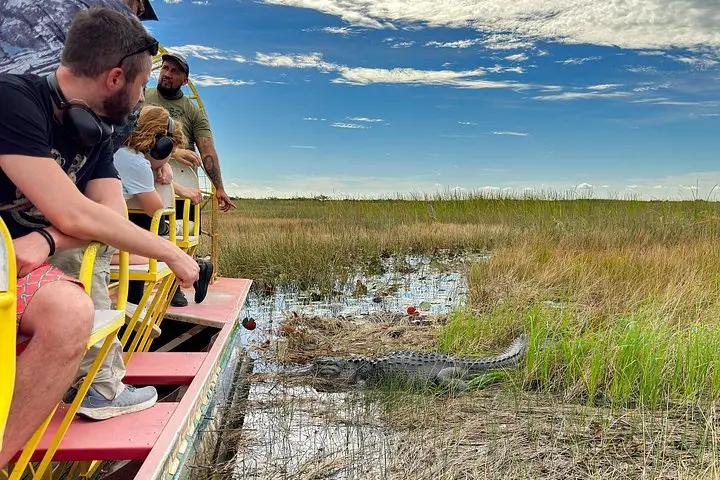
The morning kicks off with a 45–60 minute airboat ride that feels like a collision between old Florida and modern engineering. An airboat’s fan and flat hull let you skim places conventional boats can’t—miles of sawgrass, shallow tidal ponds, and braided channels where fish break the surface and great herons pivot like living compasses. Guides stop the motor in quiet spots and bring the landscape into close focus: fiddler crabs patrolling the mud, the diamond flash of sun on a turtle’s shell, and, if you’re lucky and patient, the slow, prehistoric roll of an American alligator sliding into the reed line. The operator’s short alligator presentation is candid—an up-close show that explains behavior, safety, and the conservation challenges these animals face.
Switch gears after the marsh. The tour delivers you back toward civilization for the 90-minute Biscayne Bay cruise: a low-slung boat perfect for skyline photos and close views of waterfront mansions. The bay’s narration (offered in English and Spanish) folds in Miami’s development story—how dredging and the rise of coastal architecture transformed the seafront—and points out ecological features like mangrove islands that act as nursery grounds for reef fish. From the water, the city’s geometry seems less aggressive; instead, the skyline becomes a foil for sunsets, pelicans, and the slow sweep of cargo vessels entering port.
History and habitat are braided here. The Everglades—an internationally recognized wetland—once covered a far larger portion of Florida before canals and development condensed its flow. Biscayne Bay is an urban estuary under constant pressure from boating, storm surge, and pollution. A guided combo tour like this one not only showcases the two ecosystems but underscores their link: the freshwater flow from the Everglades affects the salinity and health of Biscayne’s reefs and mangroves.
Practicalities matter. The full experience runs about six hours with pickup at Bayside Marketplace—a convenient downtown staging point near the Port of Miami. Expect roughly 45–60 minutes on the airboat and a 90-minute narrated Biscayne Bay tour. The tour is family-friendly and caters to casual travelers and first-time nature-seekers; it’s also efficient for visitors who want maximum variety in a single day. Prices start from around $128 and operator teams usually provide comfortable seating and expert narration throughout. Reserve in advance here: https://app.advcollective.com/local-experts/everglades-airboat-adventure-and-biscayne-bay-boat-tour-from-miami-wildlife-skyline-views-and-alligator-encounters.
What to know before you go: wear sun protection and a light long-sleeve shirt for the airboat, and pack a small waterproof camera or a dry pouch for your phone—wetland spray and bay breezes will find you. Bring binoculars for scanning the marsh and a telephoto lens if you want clean wildlife frames. The Everglades portion can be buggy in warmer months, so a modest insect repellent and timing your trip for mornings (cooler and calmer) will make a big difference. Operators usually provide commentary in English and Spanish and will handle logistics like parking and transit between the two components.
For travelers who like context with their thrills: ask your guide about current conservation measures—restoring freshwater flow, reef restoration projects, and how boater etiquette protects mangroves. The tour is a concentrated primer in Miami’s environmental story: how a sprawling metropolis and fragile coastal systems are mutually dependent.
Why go? It’s the contrast. The roar of an airboat, the slow stare of an alligator, and an hour later you’re photographing Biscayne’s skyline and waterfront life. The combo is efficient, photogenic, and insightful—ideal for travelers who want nature without a long drive and city exploration without sacrificing a nature day. If you leave with sand on your shoes and a better sense of where Miami’s water comes from, the tour has done its job. Book ahead and plan your camera settings: you’ll want both wide bay panoramas and tight wildlife portraits. Detailed booking and local expert information are available here: https://app.advcollective.com/local-experts/everglades-airboat-adventure-and-biscayne-bay-boat-tour-from-miami-wildlife-skyline-views-and-alligator-encounters.
Trail wisdom
Small choices, better day.
Start early
Morning departures have calmer water, better light for wildlife viewing, and fewer bugs on the airboat.
Bring a dry pouch
Protect phones and cameras from spray during the airboat and bay sections.
Dress in layers
A light long-sleeve blocks sun on the marsh; a windbreaker helps on the bay.
Binoculars help
A compact pair brings distant birds and marsh detail into focus—better than zooming on a phone.
Local knowledge
Read the place, not just the route.
Watch for native species including American Alligator, Brown Pelican.
Keep an eye out for wildlife during the transition between areas and habitats. Respect distance guidelines.
Operators are licensed to limit wildlife disturbance—avoid feeding animals, pack out trash, and ask guides about local reef and mangrove protection initiatives.
Follow the guide's instructions on size limits, ethical handling, and leave-no-trace practices.
Look for small mangrove keys in Biscayne Bay where herons and ospreys roost. Ask your guide about historic homesteads and canal systems that shaped South Florida’s landscape
Locally recommended viewpoints and quiet spots known best to local operators.
The Everglades was dramatically altered in the 20th century by canals and development; restoring freshwater flow is a major ongoing conservation effort.
Maritime roots and regional tradition shape the waterways and working coasts.
Seasonal guide
Four versions of the same landscape.
Spring
Best forMigratory birdwatching · Milder temps · Fewer storms
ChallengesOccasional rains late in season · Growing insect activity
Spring balances comfortable temperatures with active bird migration—good optics and bug spray are smart.
Summer
Best forLush wetland growth · Full marine life activity · Long daylight hours
ChallengesHigh heat and humidity · Frequent afternoon thunderstorms · More mosquitoes
Expect dramatic green marshes and active wildlife but plan for heat and frequent storms—early starts are key.
Fall
Best forCalmer waters after hurricane season · Warmer bay temperatures · Fewer crowds
ChallengesResidual storm risk early fall · Changing schedules
Fall offers warm water and thinning crowds; watch seasonal weather alerts during hurricane season.
Winter
Best forDry weather · Best visibility · Comfortable temps
ChallengesCooler mornings · Occasional strong winds on the bay
Winter is the peak season for clear skies and comfortable touring conditions—ideal for photography.
Operator details
What the booking data adds.
Included
- ✓Professional driver/guide
- ✓Biscayne Bay sightseeing boat tour
- ✓Everglades airboat ride
- ✓Wildlife and alligator show
- ✓Transportation to and from the Everglades
Not included
- —Food and drinks
- —Optional gratuities
Good to know
- ✓Public transportation options are available nearby
- ✓Infants are required to sit on an adult’s lap
- ✓Not recommended for travelers with poor cardiovascular health
- ✓Suitable for all physical fitness levels
Pack with intention
What to bring.
Good to know
Common questions.
The full experience lasts about six hours: roughly 45–60 minutes on the airboat and about 90 minutes on the Biscayne Bay cruise, plus transport and staging time.
Plan the edges
The details that make the day easier.
Everglades National Park is a UNESCO World Heritage site and an International Biosphere Reserve, recognized for its unique subtropical wetlands.
After your tour head back to Bayside Marketplace for waterfront tacos and cold beer, or drive a short distance to Little Havana for cafecito and a Cuban sandwich; for seafood lovers, seasonal menus at Miami Beach spots offer fresh catches and a bite of local culture.
- Closest airport
- Miami International Airport (MIA) ~15–30 minutes; Pickup: Bayside Marketplace (downtown Miami); Driving distance from nearest town: in-city pickup; Cell service: good in Miami and Biscayne Bay, limited in deeper Everglades; Permits: none required for tourists, but follow all guide instructions.
This tour visits sensitive wetland and bay habitats—respect distance guidelines for wildlife, avoid single-use plastics, and travel with operators who support reef and mangrove protection.
Explore by topic
Follow the threads.
Keep exploring
Make the story part of the trip.
 Related story
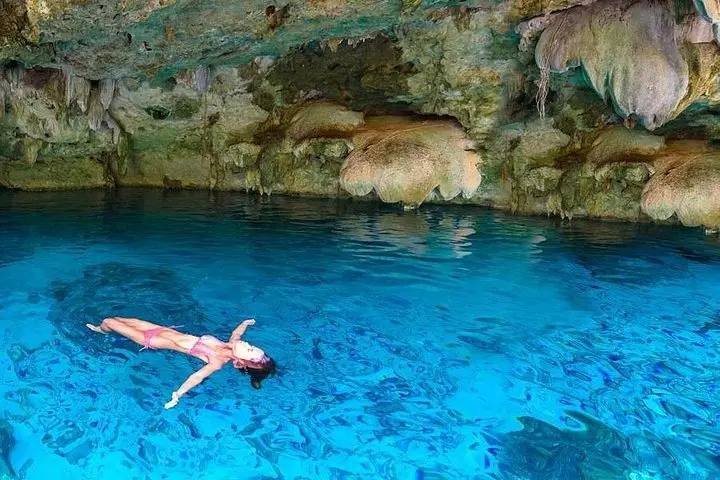
Dive into the Yucatán’s secret freshwater caverns and drift over the shallow reef gardens of Yalku Lagoon—an accessible, half-day snorkel pairing that blends geology, Mayan history, and vivid marine life.
 Related story
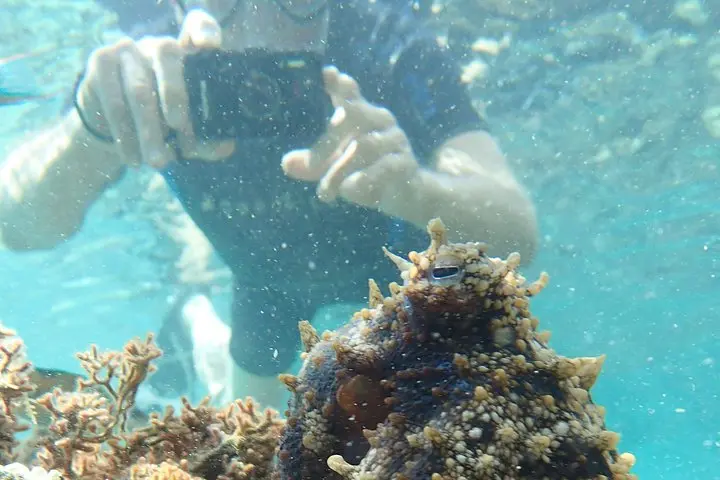
Slip beneath Porto Santo’s sunlit surface to find a mosaic of seagrass meadows, volcanic shelves, and playful schools of fish. This three-hour snorkeling tour pairs small-group access with local stewardship—ideal for travelers who value marine life over crowds.
 Related story
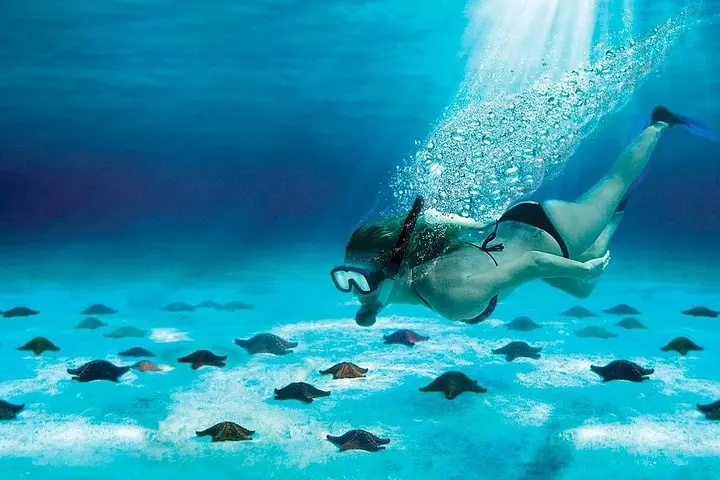
Spend a day on a high-speed boat exploring Cozumel’s famed reefs and the shallow sand flats of El Cielo. This full-day trip offers clear water, abundant marine life, and guided snorkeling at three prime sites—ideal for both first-timers and seasoned reef lovers.