
What the day feels like
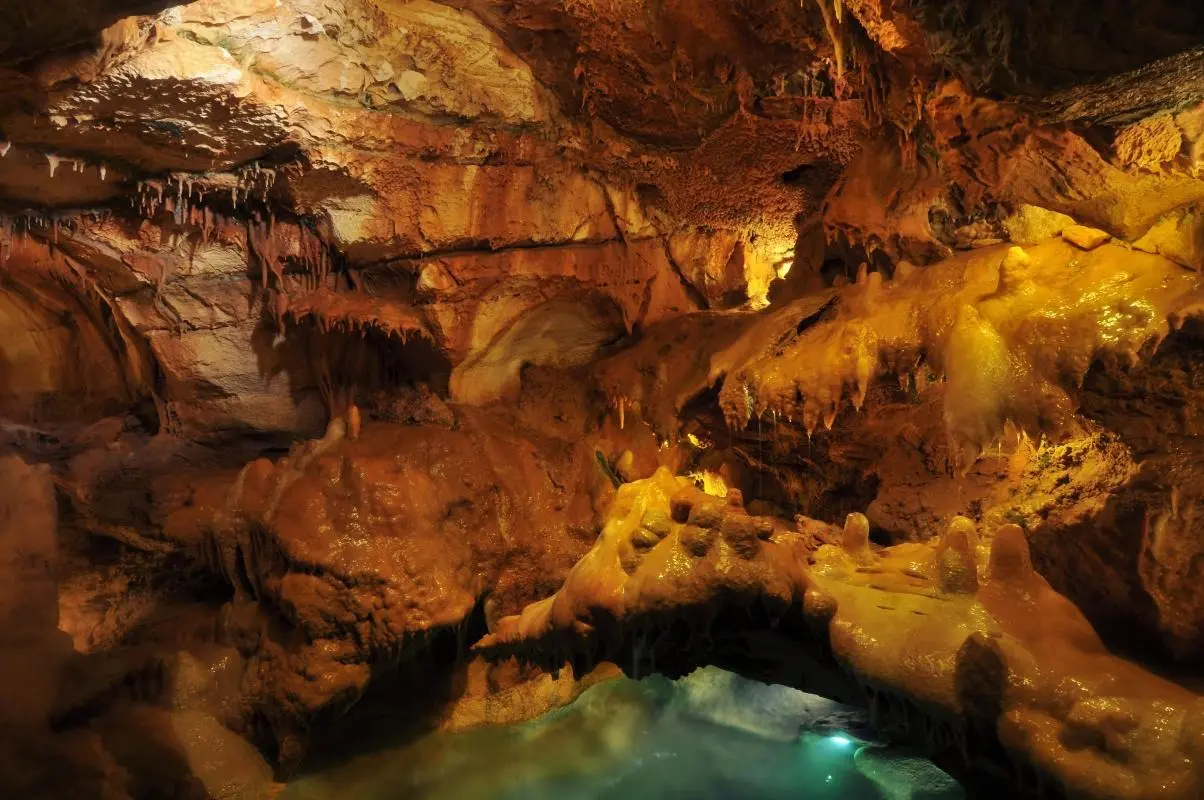
You descend into the belly of the island as light thins and the Atlantic wind above becomes a distant, impatient murmur. The path narrows, cool air brushing your face — the cave breathes like a living thing, a reminder that Madeira was once molten rock and movement. At São Vicente Caves & Volcanism Centre the geology is not an abstract lesson; it is tactile: striated walls, bulbous lava stalactites, and the echo of ancient flows. Outside, the island’s west unravels in cliffs and laurel forest, plateaus and black-sand coves. Inside, the tunnels map the violence and patience that built this place.
São Vicente sits on Madeira’s northern flank, a village shaped by the island’s volcanic past and the Atlantic’s appetite. The caves are lava tubes — tunnels carved as surface lava cooled into crust while molten rivers continued to run beneath, leaving hollow conduits when the eruption waned. The Volcanism Centre turns that raw science into a sensory story, with tactile exhibits that animate how magma, seawater and time sculpted the coastline you’ll visit on any of the region’s popular 4x4 circuits.
The real pull of the São Vicente experience is how the cave visit pairs with the rest of West Madeira. Jeep tours woven through the products here — the West 4x4 Experience, Porto Moniz Lava Pools circuit, private 4x4 safaris and wine-and-skywalk combos — stitch together a single day of dramatic contrasts: the hush of lava tubes, the glass-floored vertigo of Cabo Girão (about 589 meters), the wind-whipped plateau of Paúl da Serra (roughly 1,400 meters), and the black-sand beaches of Seixal. Each segment feels like a different hand of the same artist.
Geology and human history meet in local pockets of culture. Vineyards cling to terraces in sheltered valleys; artisans still fold local grapes into fortified Madeira wine, a colonial commodity that made the island famous. The laurel forest — Madeira’s Laurisilva — envelopes higher slopes and is a UNESCO World Heritage site, a green counterpoint to the island’s igneous drama. Villages like São Vicente retain a quiet, practical hospitality: small cafés serve warming soups and the sugar-fueled Poncha; fishermen still haul nets on the north coast where waves shape both rhythm and cuisine.
Practically, a visit here feels seamless if you plan around light and terrain. The caves themselves are cool and dim year‑round — bring a light layer — and paths through the caverns are mostly paved with steps and walkways, though there are uneven surfaces. Many of the jeep-based products combine short levada walks (relatively flat aqueduct trails), off-road stretches over red volcanic dirt, and cliffside viewpoints. Expect some short hikes of 20–60 minutes on variable surfaces; the private 4x4 options let you tailor those hikes to your fitness or swap walking for more viewpoints. Accessibility is a real plus here: there are wheelchair-friendly tours and equipment available for visitors with reduced mobility, making the island’s nature more inclusive than you might expect.
If you want to stitch a day together: start early with a guided cave tour (mornings are quieter), then climb into a 4x4 for the west loop. Stop at Seixal to stand on black volcanic sand and watch waves re-sculpt the coastline, then continue to Porto Moniz where natural lava pools ring the ocean — a uniquely Madeiran way to swim in volcanic geometry. Time a late-afternoon visit to Cabo Girão for softer light over Câmara de Lobos and the glass skywalk. For a different rhythm, the wine-tasting + dolphin-watching combo drops you in vineyards and then out on the water, pairing geology with marine life.
Preparation is straightforward and practical. Bring layered clothing (coastal breezes and cave coolness differ by 10–15°C), sturdy shoes with grip for wet lava rock, and a reusable water bottle — water stops are limited on longer tours. If you plan to swim in the lava pools, include a towel and footwear that can handle sharp volcanic rock. For photographers, the cave’s soft lighting and the skywalk’s backlit views both reward a small tripod and a mid-range zoom.
Respect the systems you travel through: walk only on marked trails, avoid touching fragile cave formations, and use reef‑safe sunscreen in natural pools. These landscapes were authored by time and heat; they’re resilient but not indestructible.
São Vicente is an invitation to experience geology as travel — where a single morning can take you from underground silence to ocean spray, and where local culture, wine and plate-shaped pools are part of the story. The island is compact enough to feel accessible and wild enough to keep you guessing. If you want a day that educates, thrills and centers you in elemental landscape, start with the caves and let the west of Madeira unfold from there.
Trail wisdom
Small choices, better day.
Dress in layers
Cave interiors stay cool while coastal viewpoints can be windy and warm—layering lets you adjust quickly.
Wear grippy shoes
Expect wet, uneven volcanic rock at pools and levada paths; shoes with good tread reduce slips.
Book a morning cave slot
Tours are calmer early; afternoons fill up and coastal glare makes photography harder.
Carry small change
Some viewpoints or local cafés charge small fees (e.g., Cabo Girão platform) and card acceptance can vary.
Local knowledge
Read the place, not just the route.
Watch for native species including Common bottlenose dolphin, Madeira firecrest (Regulus madeirensis) in the laurel forest.
Keep an eye out for wildlife during the transition between areas and habitats. Respect distance guidelines.
Respect marked paths, especially in the UNESCO-listed Laurisilva, and use reef-safe sunscreens when swimming in volcanic pools to reduce local impact.
Follow the guide's instructions on size limits, ethical handling, and leave-no-trace practices.
Poças das Lesmas — secluded lava-formed tide pools near Seixal. Short levada sections off Paúl da Serra with panoramic serra views (choose gentle stretches)
Locally recommended viewpoints and quiet spots known best to local operators.
Madeira’s landscape is the product of volcanic eruptions followed by centuries of human adaptation, including terraced vineyards and levada aqueducts that date to the island’s early settlement period.
Maritime roots and regional tradition shape the waterways and working coasts.
Seasonal guide
Four versions of the same landscape.
Spring
Best forwildflower displays · levada walks · moderate temperatures
Challengesoccasional rain · muddy levadas
Spring brings mild temps and blooming hedgerows, ideal for levada walks and exploring the laurel forest, though occasional showers can make tracks slick.
Summer
Best forsea swimming · dolphin watching · long daylight hours
Challengesbusy trails and viewpoints · strong sun near cliffs
Summer offers warm sea swims and more boat trips for dolphin watching; expect crowds at Porto Moniz and Cabo Girão and strong coastal sun.
Fall
Best forfewer crowds · clear vistas · wine harvest events
Challengesshorter days · unpredictable storms
Autumn balances pleasant daytime temperatures and harvest-time cultural events, but bring a windproof layer for cooler evenings and possible storms.
Winter
Best fordramatic seascapes · quieter tours · laurel forest ambience
Challengesheavier rains · rough seas limiting boat trips
Winter is quieter and atmospheric, great for photography and hiking lower routes; however, heavy rain can close levadas or cancel boat excursions.
Pack with intention
What to bring.
Good to know
Common questions.
Guided tours of the caves typically last about 45–60 minutes, including the Volcanism Centre exhibits.
Plan the edges
The details that make the day easier.
Madeira’s laurel forest (Laurisilva), which blankets parts of the island’s higher slopes, was inscribed as a UNESCO World Heritage Site for its unique subtropical forest ecosystem.
Taste Madeira: try poncha (local spirit), bolo do caco (garlic flatbread) and a fortified Madeira wine tasting at a small producer—many tours pair these with vineyard visits in the São Vicente valleys.
Stick to trails, avoid touching cave formations and support local guides who follow conservation practices; use reef-safe sunscreen in natural pools to protect marine life.
Explore by topic
Follow the threads.
Keep exploring
Make the story part of the trip.
 Related story
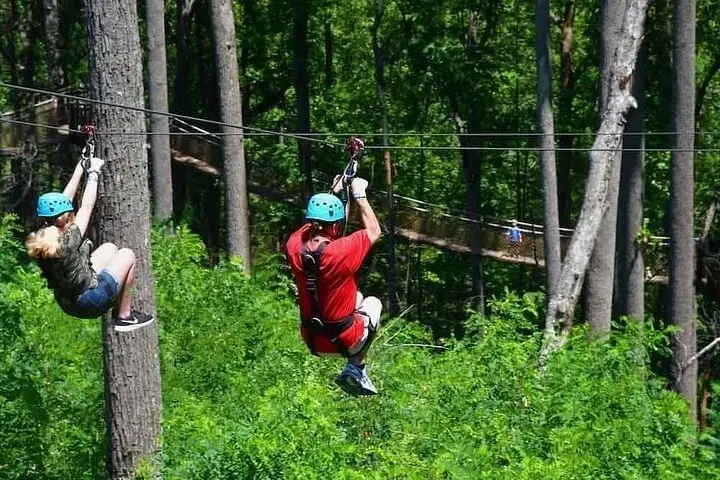
Less than two hours from Nairobi, Kereita Forest pairs hands-on canopy adventure with quiet montane trails and a sobering colonial history—perfect for families, teams, and curious travelers seeking a full-day pulse of nature.
 Related story
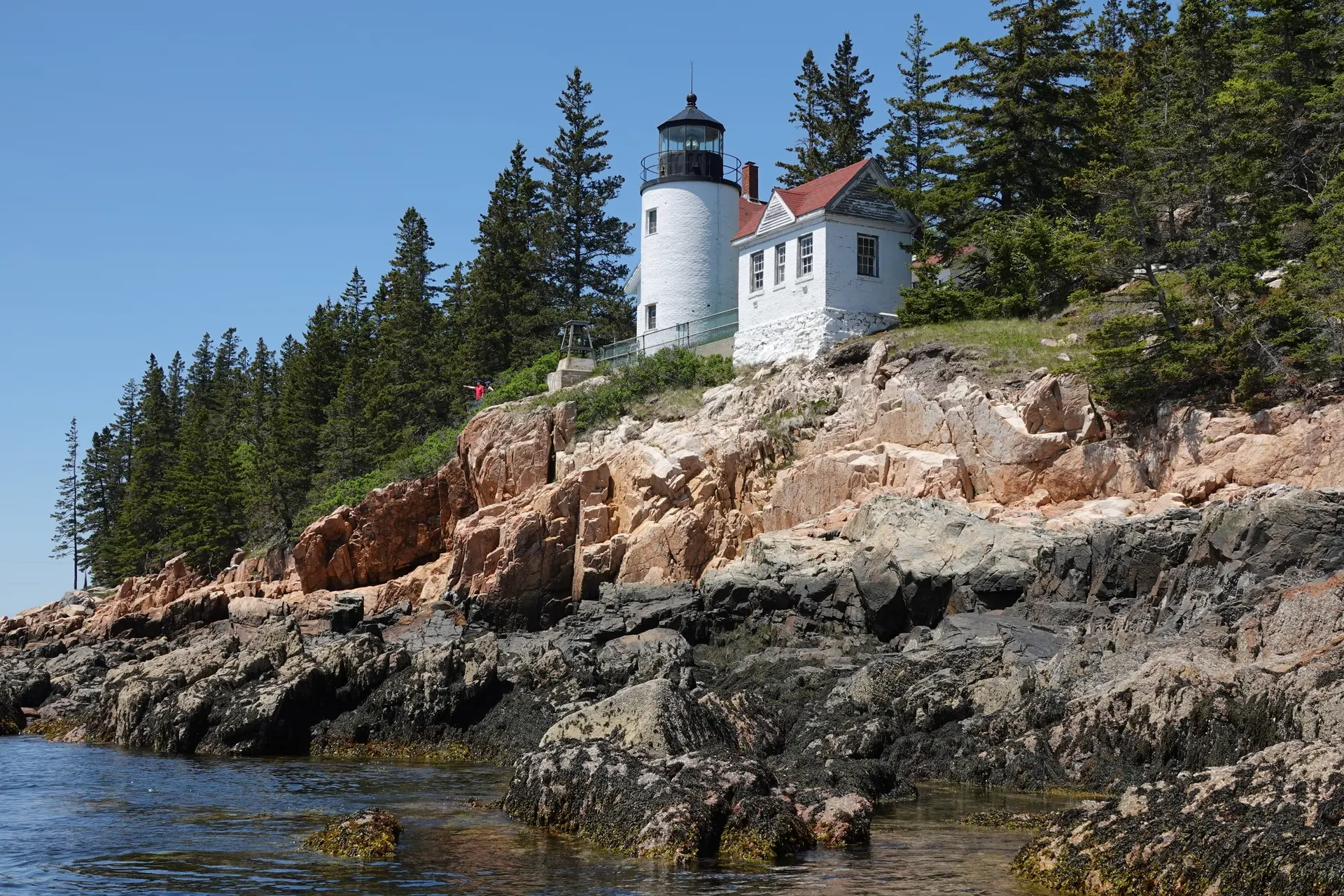
Set out from Bass Harbor for a private, customizable day on Blue Hill Bay — lighthouses, puffins, seals, and the chance to feel Acadia from the water. Small groups, local captains, unforgettable views.
 Related story
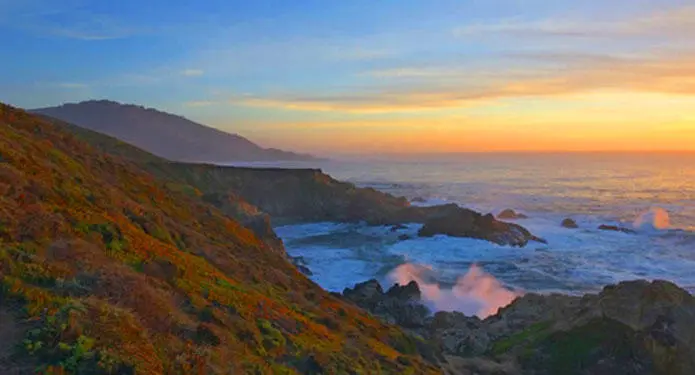
In four hours you can move from shaded canyon ferns to wind-scoured coastal ridgelines, guided by someone who knows where the light—and the hidden views—live. This private half-day hike on the Monterey Peninsula or Big Sur is compact, curated, and perfect for travelers who want depth without a multiday commitment.