
What the day feels like
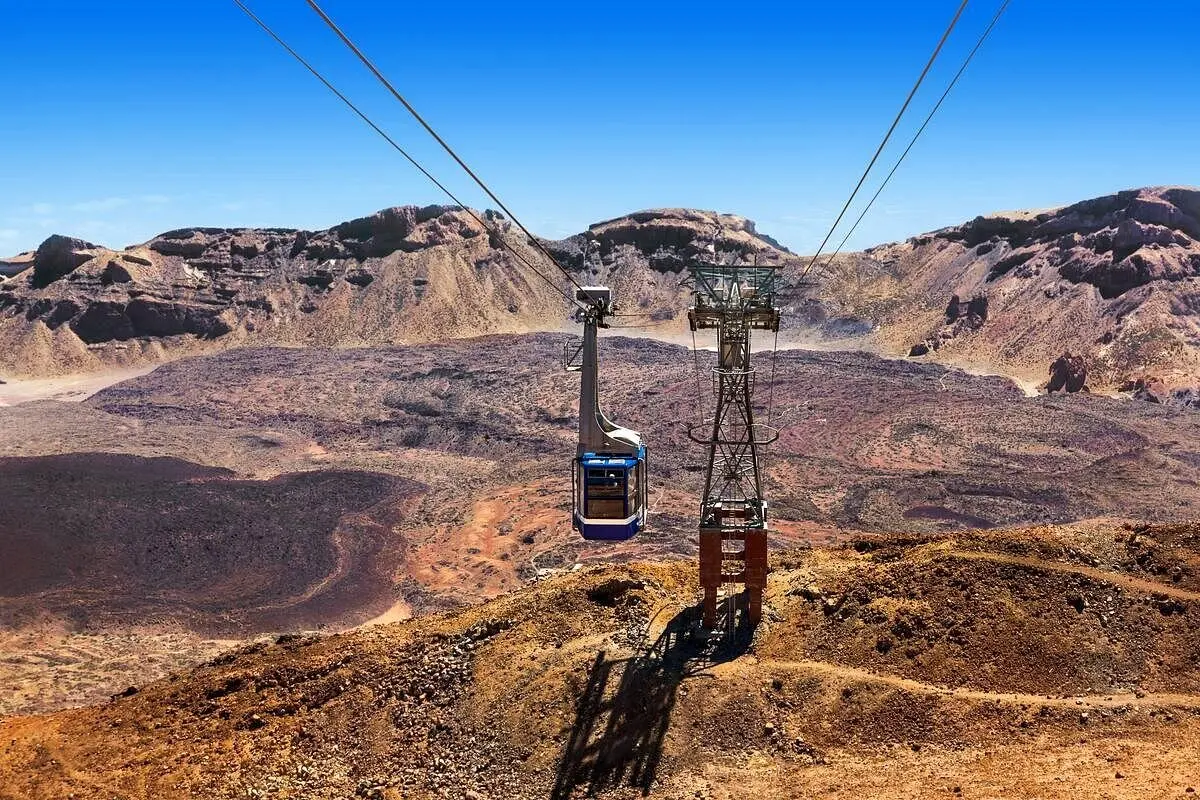
You climb out of the low-lying tourist strip and the island exhales: the air thins, pines give way to skeletal lava and the road corkscrews upward into a caldera that looks like another planet. At 2,000 meters the sky brightens to a clean, high-blue; at dusk the volcanic ridges slice into silhouette and, a little later, the stars arrive as if someone has slowly opened a vast black curtain. Mount Teide—Spain's highest peak at 3,718 m—dominates the park like an ancient sentry. It doesn't just sit on the landscape; it shapes it. The wind looks like it has a job to do here, rearranging pumice and urging you forward on the path.
Teide National Park is a study in contrasts: moon-like lava fields beside surprising patches of Canary pine; roped-off observation points next to informal pullouts where photographers wait for the exact moment the sun slides beneath the horizon. The park was declared a UNESCO World Heritage Site in 2007 and draws visitors for good reason—its geology reads like a natural history textbook, with layers of eruptions stacked over millions of years. Roques de García, a jagged spine of rock outcrops, is an instant postcard; Paisaje Lunar (the Lunar Landscape) lives up to its name, a place where the island’s volcanic past is most theatrical.
But Teide is more than grandeur. The Guanches—the indigenous inhabitants of Tenerife—regarded Teide as sacred and wove the peak into island myth. Scientists today treat it as an open-air laboratory; NASA has tested rover technology here because the terrain echoes parts of the Moon and Mars. That scientific curiosity translates into a different kind of night life: one of the best stargazing destinations in Europe. Low light pollution, stable air, and high altitude make the park a magnet for amateur and professional astronomers alike.
If you come prepared, the park rewards you with hands-on experiences. Short guided hikes trace trails through lava flows and meadows, while longer routes climb toward the upper ridges where the views open to the Canary archipelago. A 5.5 km sunset walk—one common offered hike—climbs roughly 200 m and finishes near 2,000 m, the altitude where evening colors deepen and the first stars shimmer. For a different rhythm, opt for a buggy or quad tour that threads quieter backroads and deposits you at lookout points where the volcano fills the skyline; these are designed for adrenaline with low technical demand, and they make the volcanic topography accessible to people who aren’t experienced mountaineers.
When night falls, guides with professional telescopes point out planets, nebulas, and the Milky Way. Some packages combine a three-course Canarian dinner with astrophotography, and others let you linger at a low-key viewpoint with a thermos of local wine. If you want closer access to the summit, the cable car drops you near the crater rim—but be aware there are permit requirements to enter the small summit path to the very top.
Practical edge: altitude changes are real here. Even a moderate hike at 2,000–3,000 m feels harder than one at sea level. Hydrate in advance, layer up—temperatures can swing 15–20°C between the coast and the upper park—and carry sun protection; UV intensifies with elevation. Good footwear is non-negotiable: volcanic scree is unforgiving on poor soles. Expect variable weather; cloud inversions are common—on some days you’ll be walking above a blanket of cloud with other islands floating like isles.
Where to base yourself depends on your travel style. Puerto de la Cruz and Los Cristianos are common staging points for guided departures; many operators offer hotel pickup. Tours vary from relaxed half-day drives that include stops at Roques de García, to 3–4 hour buggy circuits, to 2.5-hour sunset hikes that finish with a view and a short lava-tube visit.
For culture and flavor, plan time before or after your park visit to sample Canarian cuisine: papas arrugadas with mojo sauce, fresh seafood along the coast, and local wines—Tenerife produces surprisingly good volcanic reds. Respect the park’s protected status: stay on marked trails, avoid collecting geological curios, and follow Leave No Trace principles. Permits are required to access the true summit path; arrange these in advance if that’s your target.
Why you should go: Teide is both spectacle and classroom. It’s a place where geology, sacred history, and modern astronomy intersect. Whether you’re chasing a sunset from a rocky bluff, driving a dune buggy along a volcanic ridge, or setting up a tripod for long-exposure nightscapes, the park offers achievable adventure with an educational undercurrent. It’s exhilarating without being gratuitously dangerous—provided you prepare for altitude, carry the right gear, and pick the right season.
Bottom line: go for the otherworldly landscapes, stay for the sky. Treat the park with respect, book a guided stargazing night or a sunset hike, and plan to leave with photos that look like science fiction but feel very, very real.
Trail wisdom
Small choices, better day.
Acclimatize before you go
Spend a half-day at intermediate altitude or take a light hike the morning of your tour to reduce the risk of altitude headaches.
Layer up for rapid temperature change
Bring a windproof outer layer; temperatures can drop sharply after sunset and wind makes it feel colder at altitude.
Stay on marked trails
The volcanic surface is fragile and hazardous; follow paths and respect signage to protect the landscape and your safety.
Book summit permits early
If you want to reach the inner summit above the cable car, apply for the restricted permits well in advance—slots fill fast.
Local knowledge
Read the place, not just the route.
Watch for native species including Canary Island lizard (Gallotia galloti), Berthelot's pipit.
Keep an eye out for wildlife during the transition between areas and habitats. Respect distance guidelines.
The park is protected as a national park and UNESCO World Heritage Site—stick to trails, pack out waste and avoid removing rocks or flora to preserve fragile volcanic ecosystems.
Follow the guide's instructions on size limits, ethical handling, and leave-no-trace practices.
Paisaje Lunar viewpoint for late-afternoon light and dramatic rock forms. Nearby lava tubes and Cueva del Viento (in Icod area) for subterranean volcanic geology
Locally recommended viewpoints and quiet spots known best to local operators.
The Guanches regarded Teide as sacred; later scientific study has made the volcano a key natural laboratory for volcanology and planetary analog research.
Maritime roots and regional tradition shape the waterways and working coasts.
Seasonal guide
Four versions of the same landscape.
Spring
Best forwildflower bursts · moderate temperatures · clear days for hiking
Challengesvariable weather · cool nights at altitude
Spring brings milder daytime temperatures and wildflowers in lower zones—good for daytime hikes but pack warm layers for evenings.
Summer
Best forlonger daylight · stable skies for stargazing · buggy and quad tours
Challengeshigher daytime heat at low altitudes · possible haze on some days
Summer offers long days and excellent night-sky conditions; avoid midday on exposed routes and carry extra water.
Fall
Best forclear skies · crisp sunsets · fewer crowds
Challengescool evenings · shortening daylight hours
Fall combines clear atmospheric conditions ideal for photography and stargazing with comfortable hiking temperatures during the day.
Winter
Best forsnow-dusted peaks · dramatic contrasts · photography of clouds and frost
Challengescold, wind and occasional snow or ice on trails · short days
Winter can bring snow above ~2,500 m—spectacular but requiring warm gear and caution on icy sections.
Pack with intention
What to bring.
Good to know
Common questions.
Yes—access to the summit crater path above the cable car requires a timed permit; apply online in advance and plan an alternate if permits are full.
Plan the edges
The details that make the day easier.
Teide National Park was declared a UNESCO World Heritage Site in 2007 and Mount Teide is the highest point in Spain at 3,718 meters.
Pair a park visit with Canarian cuisine—try papas arrugadas with mojo, local goat cheese and volcanic-wine tastings in nearby mountain villages for a taste of island terroir.
- Nearest bases
- Puerto de la Cruz (north) and Los Cristianos
Support local guiding companies, stay on marked routes, avoid bringing single-use plastics and respect stargazing etiquette—minimize light and noise to protect the park’s dark-sky status.
Explore by topic
Follow the threads.
Keep exploring
Make the story part of the trip.
 Related story
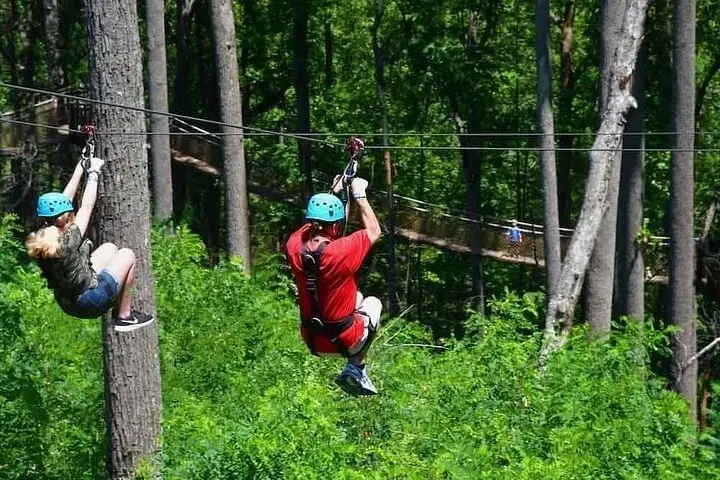
Less than two hours from Nairobi, Kereita Forest pairs hands-on canopy adventure with quiet montane trails and a sobering colonial history—perfect for families, teams, and curious travelers seeking a full-day pulse of nature.
 Related story
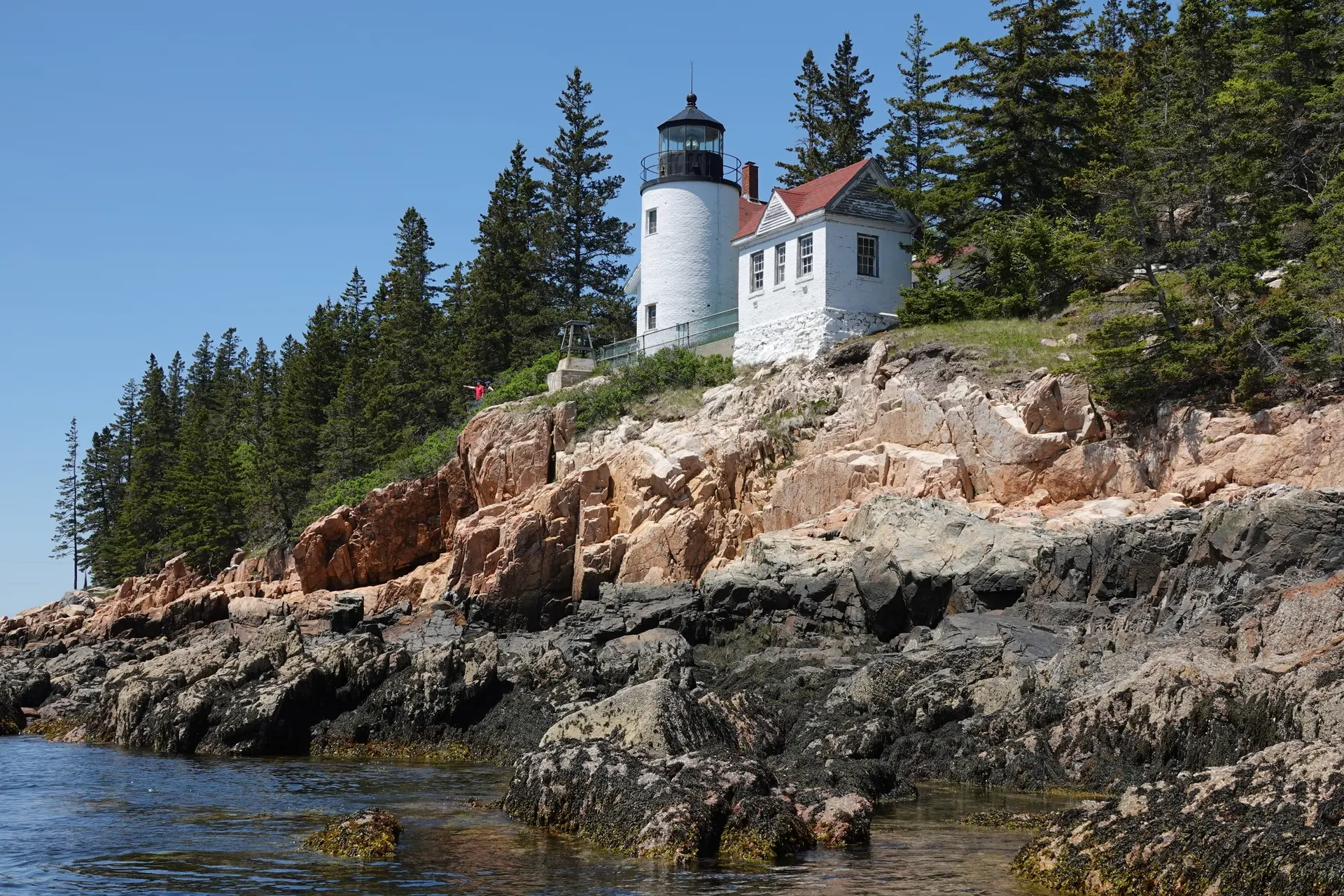
Set out from Bass Harbor for a private, customizable day on Blue Hill Bay — lighthouses, puffins, seals, and the chance to feel Acadia from the water. Small groups, local captains, unforgettable views.
 Related story
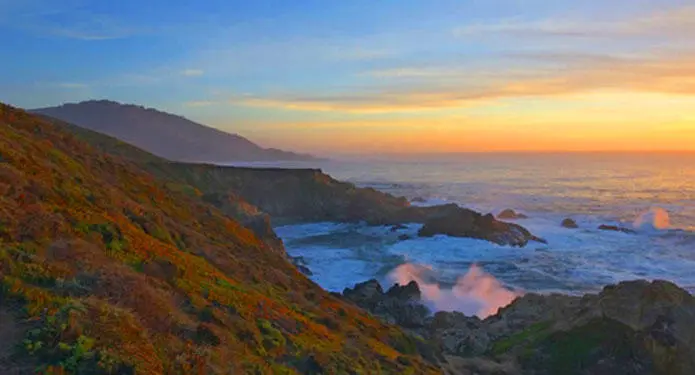
In four hours you can move from shaded canyon ferns to wind-scoured coastal ridgelines, guided by someone who knows where the light—and the hidden views—live. This private half-day hike on the Monterey Peninsula or Big Sur is compact, curated, and perfect for travelers who want depth without a multiday commitment.