
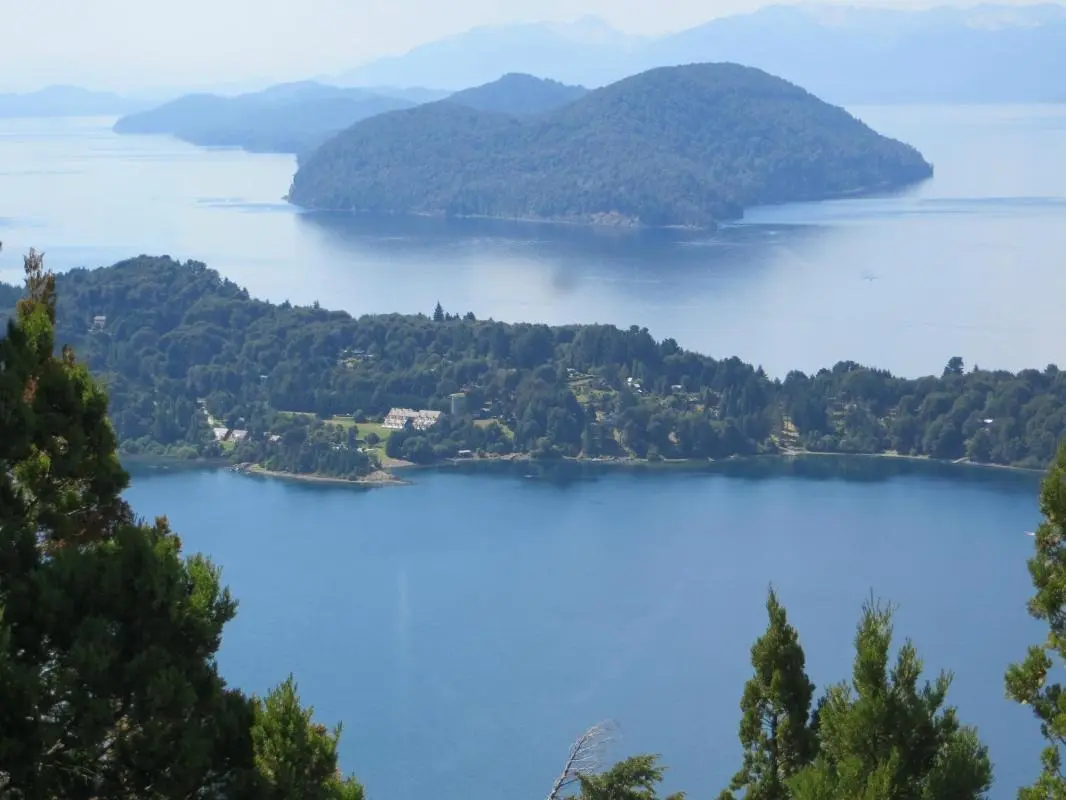
What the day feels like
The morning air off Nahuel Huapi Lake bites clean and cold as you climb the last handful of switchbacks to the crest of Belfry Hill—locally, Cerro Campanario. Pines scratch the sky on your right; below, the lake opens in impossible tiles of turquoise and ink, fringed by islands and serrated mountains that look like the spine of a sleeping giant. For a place you can summit in under an hour, Cerro Campanario has the theatricality of a longer climb: sweeping panorama, wind that seems to push you toward the viewpoint, and a bewildering sense of being both very small and very present on the southern edge of the Andes.
Cerro Campanario sits on the eastern shoulder of the Circuito Chico, the short scenic loop that defines Bariloche’s best roadside views. Geologically, it’s a serrated outcrop of pre-Andean granites and volcanic deposits sculpted by glacial activity during the last ice age; the glaciers carved deep basins that fill now with the Nahuel Huapi system of lakes. Culturally, this vantage has been a waypoint for travelers since the early 20th century, when mountain lodges and the famous Llao Llao Hotel began to draw seasonal visitors from across Argentina and beyond. Today, an easy network of trails and a short chairlift make the summit accessible to curious walkers and families, while photographers and sunset chasers treat the ridge like a private lookout.
What makes Belfry Hill feel special is the compactness of the experience: you get many of Patagonia’s signature elements—deep-water blues, ridgeline forest, island-dotted lakes, and distant peaks—within a 20–60 minute effort. The standard foot approach from the parking area to the summit is a short, steep trail of roughly 1–1.5 kilometers each way with about 150–200 meters of elevation gain. Underfoot the path alternates rocky switchbacks with packed soil and steps hewn into the hillside; it’s straightforward but can be brisk on the knees. If you prefer less exertion, a five-minute chairlift runs seasonal schedules to near the top, dropping visitors within a stone’s throw of the viewpoint.
Because the climb is short, timing matters more than fitness here. Sunrise and late afternoon light transform the lakes—Nahuel Huapi, Moreno, and Gutierrez—into layered sheets of color; clouds and light play across the valley with the speed of a weather system that is always passing through. In summer (December–March), the path is dry and the slopes are warm at mid-day; in shoulder seasons expect wind and sudden showers. Winter turns the hill into a frosted silhouette with snow-packed approaches and a quiet that muffles the boats far below.
Visitors usually experience Cerro Campanario as part of a Circuito Chico loop. The half-day loop combines Bahía López, Puerto Pañuelo, the Llao Llao Hotel, and a clutch of viewpoints—an excellent sampler of Bariloche’s forested shorelines and hotel-era architecture. Guides on the small-circuit tours point out endemic trees (coihue, ñire, and ciprés), local birdlife, and the history of early settlers who made this shoreline into a summer refuge. For travelers wanting a fuller day, the private full-day tours thread Cerro Campanario into a longer itinerary that includes the Cathedral area, Colonia Suiza craft fairs, and optional boat crossings to Victoria Island and the Arrayanes Forest.
Practical sense for a place this compact: pack light, leave early, and bring layers. On-trail footwear with solid grip will keep you confident on the steeper pitches and scramble sections; trekking poles are optional but helpful for the descent. Hydration is simple—there are nearby kiosks and vendors, but bring a refillable bottle if you plan to combine the hike with other Circuito Chico stops. The chairlift operates on a fee and schedule, so if you rely on it check times in high season. Accessibility is mixed: the lift makes most of the viewpoint accessible to those with limited mobility, but the very top lookouts require short steps.
Guidebook-style advice: aim for morning if you want clearer air and fewer people; late afternoon if you want softer light and a touch of drama. If you’re in Bariloche for more than a day, use Cerro Campanario as an orientation hike—its view helps you see where the lakes nestle and where later routes will take you. And remember the land has agency here: the wind can pick up without warning, fog can roll in like a tide, and a brief shower can turn a routine descent into a careful exercise in footing. Read the weather, and respect the hill.
Cerro Campanario is an exercise in economy: little distance, maximum payoff. It’s the kind of trail you recommend to someone who has only one day in Bariloche, and the kind you return to with new eyes. Stand at the rail, breathe the pine-and-water air, and you’ll get why generations of visitors have bookmarked this little hill as one of Patagonia’s most satisfying viewpoints.
Trail wisdom
Small choices, better day.
Start early for clear air
Morning light usually offers the clearest views and fewer visitors; afternoons can be windier and cloudier.
Bring grippy shoes
The trail is short but steep with rocky steps—trail runners or light hiking boots give better traction and ankle support.
Consider the chairlift
If you prefer less exertion or have limited time, the seasonal chairlift reaches near the summit for a small fee.
Watch sudden weather changes
Patagonian microclimates mean wind and showers can appear quickly—carry a windproof shell even on warm days.
Local knowledge
Read the place, not just the route.
Watch for native species including Andean condor, Magellanic woodpecker.
Keep an eye out for wildlife during the transition between areas and habitats. Respect distance guidelines.
Cerro Campanario sits within the broader Nahuel Huapi National Park system—stay on marked trails, pack out trash, and avoid feeding wildlife to protect fragile ecosystems.
Follow the guide's instructions on size limits, ethical handling, and leave-no-trace practices.
Punto Panorámico along the Circuito Chico for a quieter lakeside outlook. Laguna El Trébol—a small marshy lagoon tucked near the loop with good birdwatching opportunities
Locally recommended viewpoints and quiet spots known best to local operators.
The Circuito Chico and viewpoints around Nahuel Huapi grew in popularity in the early 20th century as Bariloche developed into a mountain resort, anchored by lodges like the iconic Llao Llao Hotel.
Maritime roots and regional tradition shape the waterways and working coasts.
Seasonal guide
Four versions of the same landscape.
Spring
Best forWildflower displays · Cool, clear hikes
ChallengesUnstable late snow patches · Variable weather
Spring (Sept–Nov) brings melting snow, bright wildflowers, and quickly changing weather—great for fresh air but carry layers for chill and rain.
Summer
Best forPanoramic clarity · Long daylight hours
ChallengesHigher visitor numbers · Strong sun
Summer (Dec–Mar) is the most popular time—warm days and clear vistas, but expect crowds and use sun protection.
Fall
Best forAutumn colors · Photographic light
ChallengesCooling temperatures · Shortening days
Fall (Apr–May) gilds the beech and ñire with color; temperatures drop quickly, making layered clothing important.
Winter
Best forSnow-dusted panoramas · Quiet trails
ChallengesSnow/ice on paths · Limited services
Winter (Jun–Aug) offers dramatic snow vistas; the ascent can be icy—check conditions and avoid the route without proper footwear.
Pack with intention
What to bring.
Good to know
Common questions.
From the main parking area the footpath is roughly 1–1.5 km each way with about 150–200 m of elevation gain; expect 30–60 minutes one way depending on pace and stops.
Plan the edges
The details that make the day easier.
Cerro Campanario’s summit sits at roughly 1,050 meters above sea level and is widely regarded as one of the most accessible viewpoints in the Nahuel Huapi region.
Bariloche blends alpine-style lodges, Swiss-inspired cuisine (think chocolate and cured meats), and Mapuche cultural influences—sample local smoked trout, regional artisanal chocolates, and stop at Colonia Suiza on weekends for curanto and crafts.
- Half-day friendly
- 1–2 hours on-site, short steep trail or chairlift option, small entrance
Support local guides, stick to established paths, minimize single-use plastics, and respect wildlife—Nahuel Huapi is a protected landscape that benefits from low-impact visitation.
Explore by topic
Follow the threads.
Keep exploring
Make the story part of the trip.
 Related story
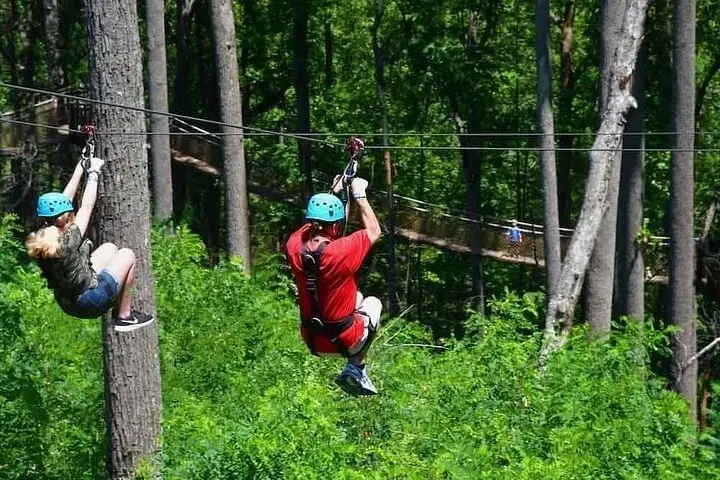
Less than two hours from Nairobi, Kereita Forest pairs hands-on canopy adventure with quiet montane trails and a sobering colonial history—perfect for families, teams, and curious travelers seeking a full-day pulse of nature.
 Related story
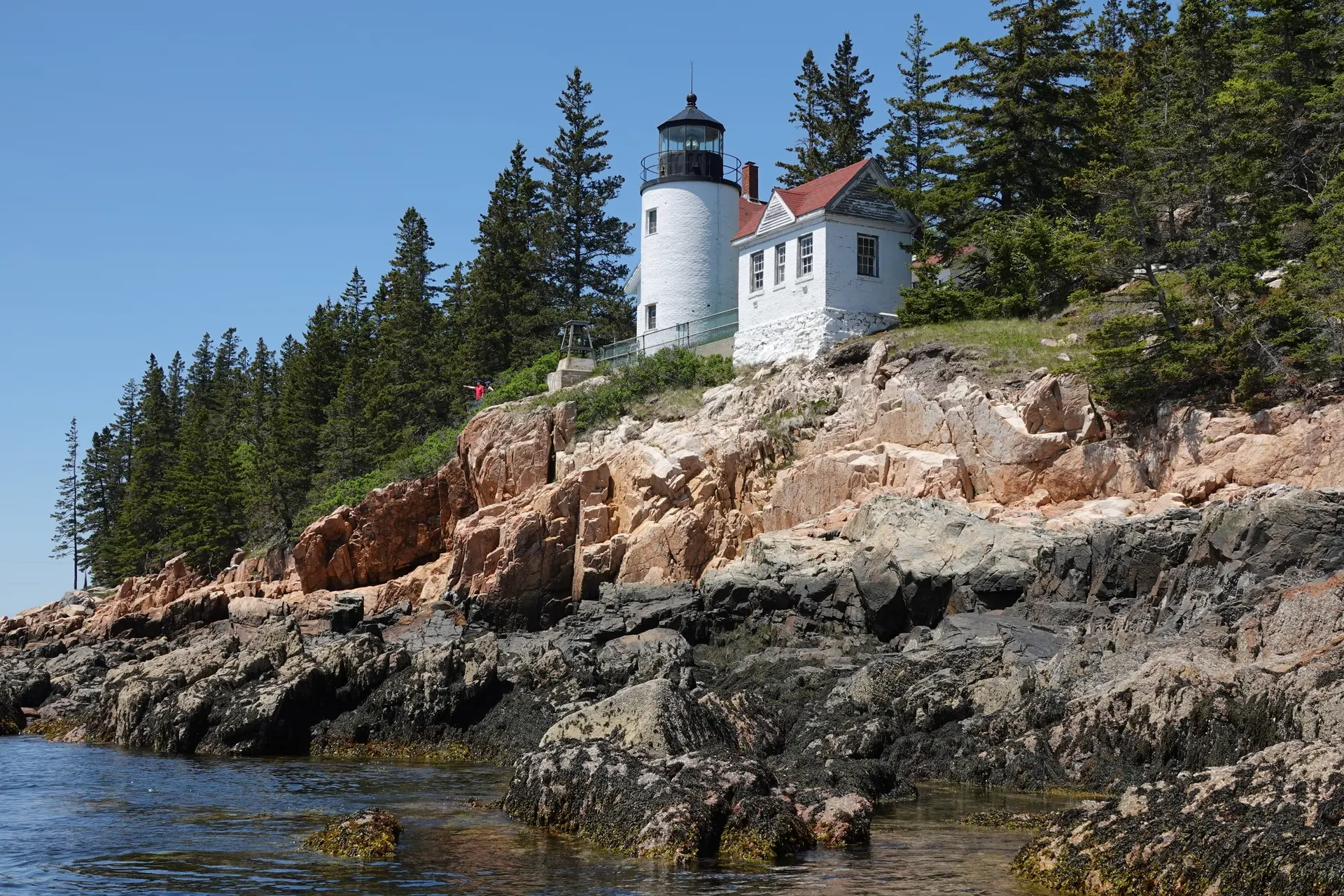
Set out from Bass Harbor for a private, customizable day on Blue Hill Bay — lighthouses, puffins, seals, and the chance to feel Acadia from the water. Small groups, local captains, unforgettable views.
 Related story
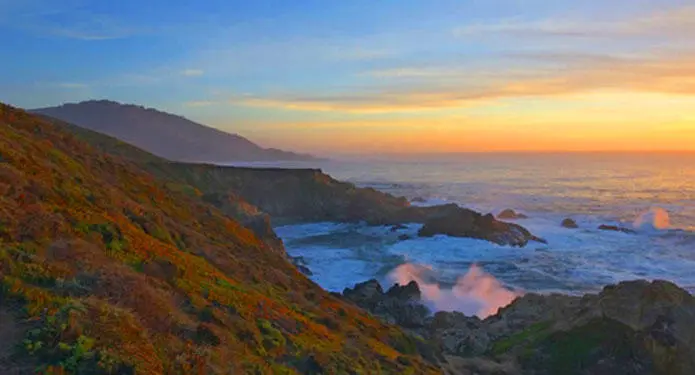
In four hours you can move from shaded canyon ferns to wind-scoured coastal ridgelines, guided by someone who knows where the light—and the hidden views—live. This private half-day hike on the Monterey Peninsula or Big Sur is compact, curated, and perfect for travelers who want depth without a multiday commitment.