
What the day feels like
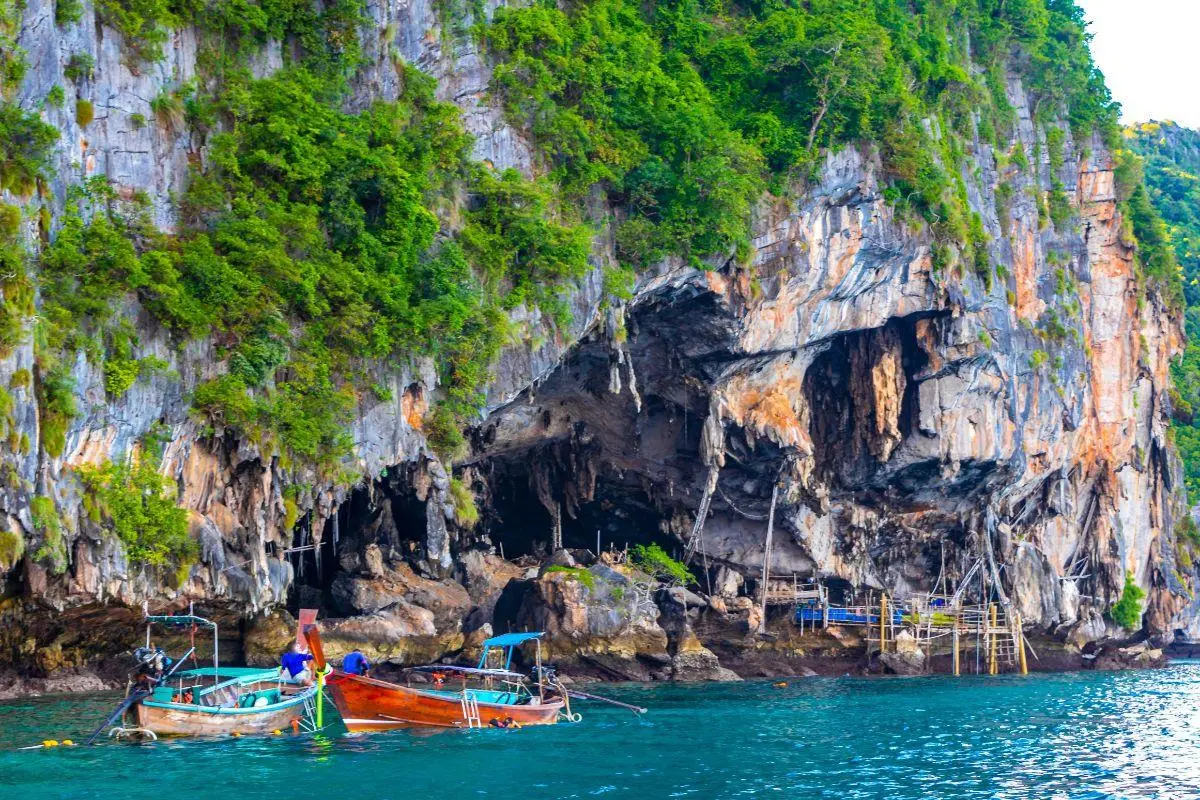
The speedboat drops off its wake and the limestone rises like a stacked city from the Andaman Sea — sheer, banded cliffs splintered with caves and splashed by turquoise. You steer closer, the hull whispering against the water and the first thing you notice is scale: a dark gash in the white rock the size of a cathedral, varnished with streaks of guano and a mural of an ancient ship carved into stone. This is Viking Cave, a short, arresting stop on every Phi Phi island circuit and one of the archipelago’s more complicated signatures: part geological wonder, part working landscape, and thoroughly theatrical from the deck of a boat.
Viking Cave sits on the northeastern flank of Phi Phi Leh. From the water the rock face reads like a weathered ledger — stratified limestone folded by tectonic patience and sculpted by waves and monsoons. The cave earned its name for the crude boat-shaped paintings inside; early visitors thought they resembled Viking vessels. Today those pale pictographs sit above an even more modern human story: the harvesting of edible swiftlet nests. For generations harvesters have scaled the slick cliffs to collect nests that fetch high prices in markets from Bangkok to Hong Kong. From a distance the process is both ritual and commerce — men poised mid-air on bamboo scaffolding, ropes humming, their silhouettes small against the cavern mouth.
On the visitor side, Viking Cave isn't a place you clamber into. The sea restricts entry and National Park rules and the operational nature of harvesting make the interior off-limits; your interaction is as a witness. Tourist boats glide past the cave’s yawning mouth so passengers can photograph the murals and watch the swiftlets peel in and out with insect-kicking precision. Guides narrate the life-cycle of the birds, the economics of bird’s nest soup, and the fragile balance between tradition and conservation. The cliffs nearby — Pileh Lagoon’s protected waters and the limestone walls around Maya Bay — make the spot feel less like a single attraction and more like a chapter in the archipelago’s story.
Geologically, Viking Cave is a study in karst. Rain, chemical erosion, and tidal forces have hollowed the cliffs over millennia. The cave’s high mouth suggests past sea levels and the layering gives clues to uplift events in southern Thailand. Culturally, the cave is as much an archive as it is a resource: the ship-like paintings are reminders of the region’s maritime past and of early visitors who tried to make sense of unfamiliar marks. Ecologically, the swiftlet colony is a keystone species for a human economy and a fragile ecosystem; over-harvesting and disturbance can hurt both birds and reefs.
If you go: Viking Cave is usually visited as part of a Phi Phi full-day boat tour from Phuket or Krabi, and these runs vary from budget speedboats to luxury yachts. Expect a long day on the water — many tours are four to eight hours, with multiple snorkeling stops and a lunch on Phi Phi Don. The cave itself is a quick stop; plan your expectations around viewing and photography rather than exploration. Bring reef-safe sunscreen (the reefs need it), a decent mask if you plan to snorkel at Pileh Lagoon, and a sun hat that won’t blow off when the boat rounds a headland.
Timing matters. The calmest waters are in the dry season (November–April), when Pileh Lagoon acquires a glassy, emerald tone ideal for snorkeling. Monsoon months bring chop and closures: Maya Bay has been periodically closed for rehabilitation, and operators will substitute other islands. Early starts are worth it — fewer boats at first light, softer light for photos, and cooler conditions while touring.
There’s a practical side to the romance. Viking Cave’s name and the nest trade make it a photo magnet; but resist the urge to press against the rock, chair a boat too close to skiffs working the nests, or feed the macaques when you stop at nearby Monkey Bay. Responsible operators will brief you on park rules, life jackets, and best practices for swimming over coral. If you’re keen on seeing the bioluminescent plankton that sometimes lights the bay after dark, book an evening trip but recognize that these runs are conditional on moon phase, tide, and plankton bloom.
Beyond the cave, the Phi Phi itinerary supplies a roster of experiences: Pileh Lagoon’s wind-sheltered water for snorkeling among compact coral gardens; Bamboo and Khai islands for white-sand lounging; and Monkey Bay’s cheeky long-tailed macaques. Pick a tour that matches your tolerance for crowds and activity: premium catamarans will give you space and fewer passengers; budget speedboats get you to more places faster but with more bodies on deck.
In short, Viking Cave is a porthole into the Andaman’s contradictions — sublime karst and busy commerce, ancient rock art and modern tourism. As you drift away, the cave shrinking to a dark tooth in the cliff, the archipelago feels less like a postcard and more like a living place: sometimes loud, sometimes quiet, and always demanding attention in the particular language of sea-sculpted stone.
Trail wisdom
Small choices, better day.
Choose the right boat
For more space and quieter viewing of Viking Cave, opt for a premium catamaran or small-group tour rather than a packed speedboat.
Use reef-safe sunscreen
The reefs around Pileh Lagoon are recovering; use mineral-based, reef-safe sunscreen to minimize damage.
Respect harvesting activity
If you see workers collecting nests, keep your distance, avoid loud noises and follow your guide’s instructions to prevent disturbance.
Pack a dry bag
Camera gear and phones should be stored in a dry bag — spray and sudden wakes are common when boats maneuver near caves.
Local knowledge
Read the place, not just the route.
Watch for native species including long-tailed macaques (at Monkey Bay and some Phi Phi Don beaches), green sea turtles around healthy reef patches.
Keep an eye out for wildlife during the transition between areas and habitats. Respect distance guidelines.
The area is within Hat Noppharat Thara–Mu Ko Phi Phi National Park; Maya Bay has been temporarily closed for reef rehabilitation, and responsible tourism practices are encouraged to protect reefs and nesting birds.
Follow the guide's instructions on size limits, ethical handling, and leave-no-trace practices.
Pileh Lagoon’s sheltered snorkeling channels (arrive early for best visibility). Khai Nok Island — a quieter sandbar escape often used as an alternate stop
Locally recommended viewpoints and quiet spots known best to local operators.
Viking Cave is named for boat-shaped paintings found on its walls; the cave has been part of local livelihoods for generations through edible-nest swiftlet harvesting.
Maritime roots and regional tradition shape the waterways and working coasts.
Seasonal guide
Four versions of the same landscape.
Spring
Best forcalmer seas · early-season snorkeling · fewer crowds than peak winter
Challengesoccasional showers late in season · warmer temperatures
Spring (March–May) means warm water and good visibility for snorkeling, though temperatures rise and afternoon showers become more common toward May.
Summer
Best forlow-season deals · uncrowded beaches · shorter ferry lines
Challengesmonsoon swells · reduced service and some closures
Summer (June–August) is the start of the rainy season; expect rougher water and possible itinerary changes — operators will substitute islands when necessary.
Fall
Best forshoulder-season rates · calmer transition to dry season · opportunity to see local harvests
Challengesunpredictable weather early in season · some closures for rehabilitation (e.g., Maya Bay)
Fall (September–November) is transitional: fewer tourists but weather can be variable until the dry season settles in.
Winter
Best forclear seas and visibility · ideal snorkeling · pleasant temperatures
Challengespeak-season crowds · higher prices and full bookings
Winter (December–February) offers the best sea conditions and visibility — book early to avoid sold-out tours.
Pack with intention
What to bring.
Good to know
Common questions.
No — Viking Cave’s interior is generally off-limits to visitors. Boats approach the cave mouth for viewing and photography, but entry is restricted due to conservation rules and ongoing nest-harvesting activity.
Plan the edges
The details that make the day easier.
Viking Cave is notable for edible-nest swiftlets; their saliva-based nests are harvested and sold as bird’s nest soup — a valuable product with deep cultural and economic roots in Southeast Asia.
Phi Phi Don’s waterfront village is a jumble of small seafood restaurants, Thai roadside stalls serving grilled fish and mango sticky rice, and long-tail skippers negotiating fares; try freshly grilled snapper and a local iced Thai tea after a day on the water.
- Where
- Phi Phi Leh (view from boat). Getting there: most visitors join a Phi Phi full-day tour from Phuket or Krabi (4–8 hours). Cost: varies by boat class — budget speedboats to luxury yachts. Accessibility: boat access only; interior of cave restricted. Permits: park regulations apply.
Support operators who use reef-safe practices, avoid single-use plastics on board, and follow guides’ instructions to minimize disturbance to swiftlets and coral habitats.
Explore by topic
Follow the threads.
Keep exploring
Make the story part of the trip.
 Related story
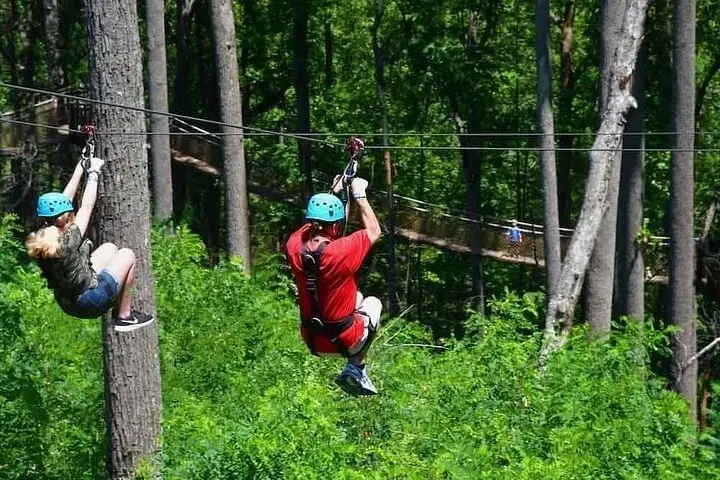
Less than two hours from Nairobi, Kereita Forest pairs hands-on canopy adventure with quiet montane trails and a sobering colonial history—perfect for families, teams, and curious travelers seeking a full-day pulse of nature.
 Related story
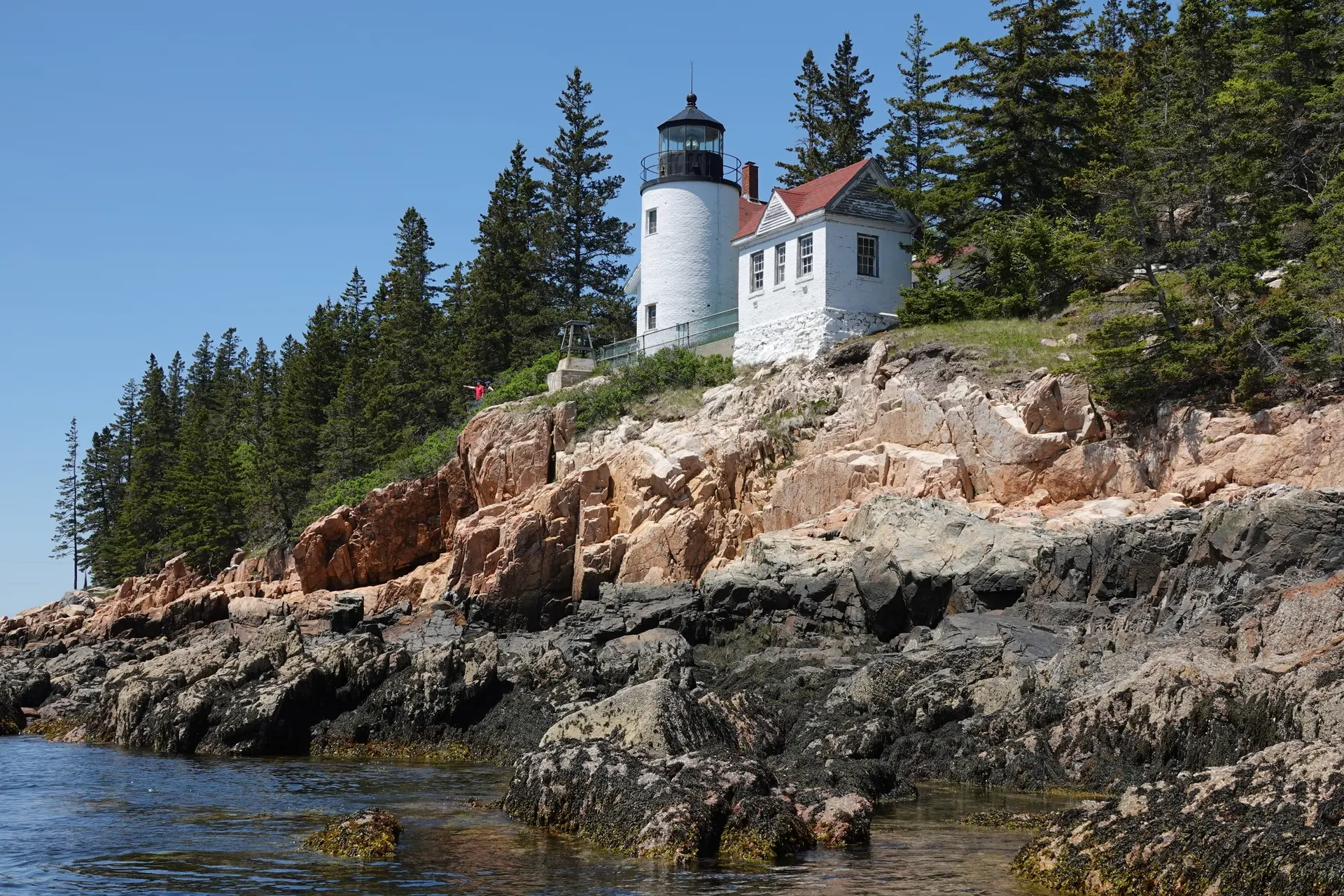
Set out from Bass Harbor for a private, customizable day on Blue Hill Bay — lighthouses, puffins, seals, and the chance to feel Acadia from the water. Small groups, local captains, unforgettable views.
 Related story
In four hours you can move from shaded canyon ferns to wind-scoured coastal ridgelines, guided by someone who knows where the light—and the hidden views—live. This private half-day hike on the Monterey Peninsula or Big Sur is compact, curated, and perfect for travelers who want depth without a multiday commitment.