
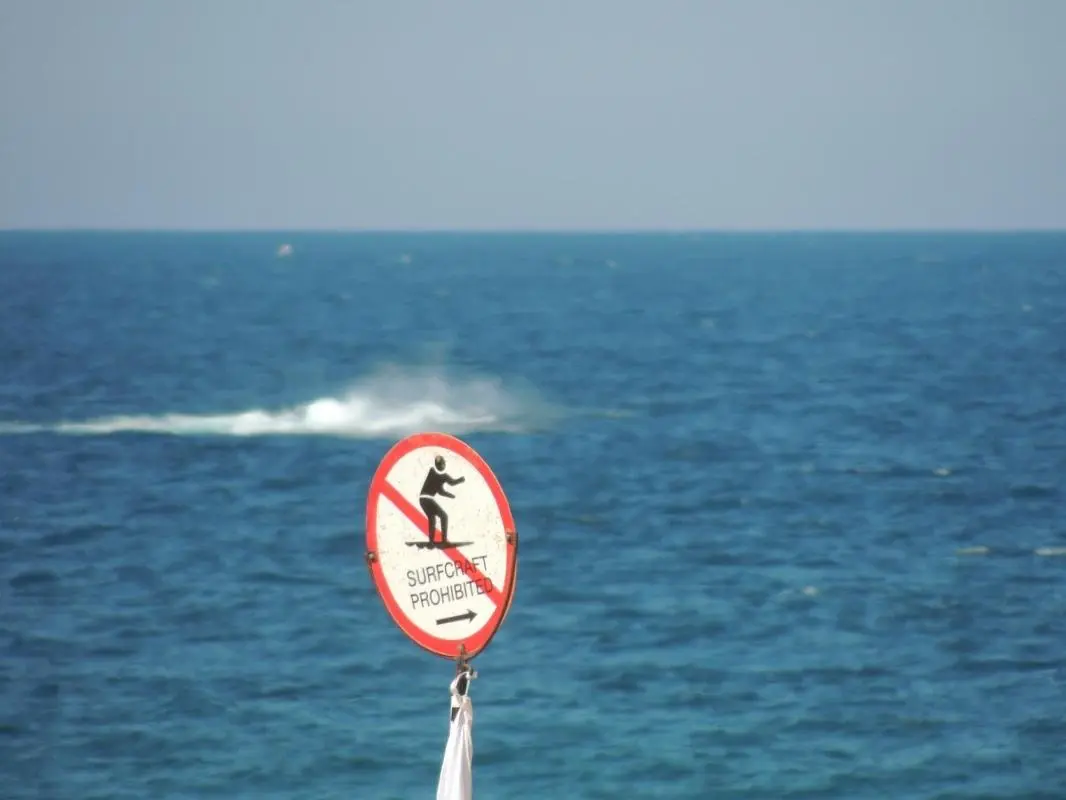
What the day feels like
The morning arrives at Whale Beach like a measured exhale — a long, low light that flattens the sand and gilds the cliffs. Surfers shoulder boards through froth, a lone jogger traces the wet line where the waves meet the shore, and gulls map the current with impatient wings. You can stand on the headland and feel the ocean push against you: not hostile, but insistently present. Whale Beach, 30–40 minutes north of central Sydney, is the kind of place where the coastline sets the rhythm and the rest of the world pauses.
This small arc of sand sits within Sydney’s Northern Beaches, a string of settlements and reserves that stitch together surf culture, country-song panoramas and deep Aboriginal presence. From the beach you can look along the coastline toward Palm Beach and Barrenjoey Headland — dramatic sandstone outcrops shaped by wind and waves over millions of years. Behind the surf, pockets of bushland slope into Ku-ring-gai Chase National Park, a landscape of sandstone escarpments, secluded inlets and rock engravings that speak to the area’s long human history.
Geologically the coast is a study in contrasts: soft sand carved by the Tasman Sea, and harder Hawkesbury sandstone that folds into coastal headlands. That geological tension makes for short, sharp viewpoints — cliff-top platforms with sweeping ocean panoramas and wind-swept shrubs clinging to crevices. Visitors often pair a beach morning with a few hours in Ku-ring-gai Chase to find Aboriginal rock art sites, or to follow coastal tracks that offer quieter perspectives of the same ocean you’ve been watching from the sand.
Culturally, the land is Gadigal and Guringai country (often referenced locally as Ku-ring-gai), and the national park preserves middens, engravings and traces of long occupation. The modern Northern Beaches culture is a mosaic of weekend surf rituals, family-run cafés, and the occasional sighting of television crews — Palm Beach’s Barrenjoey Head featured on “Home & Away,” and Whale Beach itself has its share of affluent waterside homes, surf clubs and community events.
Practically speaking, Whale Beach is accessible by car, public bus and small-group tours that thread together Narrabeen, Palm Beach and Ku-ring-gai Chase. The tours that depart Manly or include return ferry rides to Circular Quay are practical options if you’re short on time or ship-tied: they deliver a curated slice of coastal New South Wales without the logistics. For independent travelers, park early (spaces are limited) or plan to catch a bus to nearby Avalon or Palm Beach and walk the headland routes.
On the sand, the surf can be playful or forceful depending on swell and wind. The beach is patrolled seasonally by surf lifesaving clubs, and rips can form as the tide changes. For walkers and light hikers, coastal tracks offer short options that range from 20-minute headland strolls to half-day loops that link beaches and lookouts. Wear shoes that can handle sand, salt and sandstone crumb; bring layers for wind off the water.
If you time the visit between May and November you might spot migrating whales spouting south and north on their seasonal route — from the right headland vantage point the ocean looks like a living thing with a heartbeat. Photographers should aim for low-angle light at sunrise or the softer golden hour of late afternoon to capture the surf’s texture and the contrast of rock and sky.
Whale Beach is ideally suited for travelers who want a compact, coastal experience that blends ocean activity, short walks and cultural context. Family groups appreciate the gentle slope of the sand and the seasonal patrols; surfers find quality breaks that reward timing, while photographers and day-hikers prize the headland viewpoints. If you’re on a half-day schedule, book a small-group Northern Beaches and Ku-ring-gai tour that bundles Narrabeen, Palm Beach and a national park stop — it’s a practical way to compress the best of the region into a single, scenic loop.
How to make the most of it: arrive early for empty sand and clean light, bring reef-safe sunscreen and a refillable bottle (water sources are limited), and complement the beach with a short visit to Ku-ring-gai Chase to add rock art and bushwalking to the ocean narrative. Whether you’re chasing waves, whales or quiet coastal light, Whale Beach offers a concentrated taste of what makes Sydney’s northern shorelines feel both friendly and elemental.
Trail wisdom
Small choices, better day.
Check patrol hours before swimming
Whale Beach is seasonally patrolled — always swim between the flags and ask the lifesavers about current rips and conditions.
Carry reef-safe sunscreen and a refill bottle
Limited facilities mean you should pack sun protection and hydration to avoid buying single-use plastic on-site.
Plan for parking or public transit
Parking is limited in peak times; use public bus links via Avalon/Manly or join a small-group tour to avoid logistics.
Pair beach time with a short headland walk
Spend 20–40 minutes on the coastal track for elevated viewpoints and whale-watching vantage points in season.
Local knowledge
Read the place, not just the route.
Watch for native species including Australian pelicans, Migrating humpback whales (seasonal).
Keep an eye out for wildlife during the transition between areas and habitats. Respect distance guidelines.
The Northern Beaches council and park services focus on dune stabilization, native vegetation restoration and promoting reef-safe sunscreen to reduce marine impact.
Follow the guide's instructions on size limits, ethical handling, and leave-no-trace practices.
Short coastal walks east of the main headland for quieter viewpoints. Nearby Ku-ring-gai Chase rock engraving sites and small coves only reachable by foot or boat
Locally recommended viewpoints and quiet spots known best to local operators.
Whale Beach sits on the traditional lands of Guringai peoples; Ku-ring-gai Chase contains extensive Aboriginal sites and middens.
Maritime roots and regional tradition shape the waterways and working coasts.
Seasonal guide
Four versions of the same landscape.
Spring
Best forWhale watching · Wildflower blooms · Milder sea temperatures
ChallengesChangeable weather · Occasional southerly winds
Spring (Sep–Nov) brings whale migration and warmer days; mornings are calm but afternoons can shift to onshore winds.
Summer
Best forSwimming and surfing · Long daylight hours · Outdoor cafés
ChallengesCrowds and limited parking · Hot sun exposure
Summer is peak beach season—expect busy sands, patrolled swimming and strong sunlight; arrive early for a quieter experience.
Fall
Best forClear skies · Cooler ocean light for photography · Fewer tourists
ChallengesCooler water · Shorter daylight hours
Autumn offers stable weather and crisp light for photos, with smaller crowds and pleasant walking conditions.
Winter
Best forStorm watching · Quieter beaches · Possible whale sightings
ChallengesCold temperatures · Rough seas and unsafe swimming
Winter delivers dramatic seas and solitude; dress in warm layers and avoid swimming when surf is rough.
Pack with intention
What to bring.
Good to know
Common questions.
By car it’s roughly a 30–50 minute drive depending on traffic; public buses connect via Manly/Avalon, and many small-group tours depart Manly for a hassle-free visit.
Plan the edges
The details that make the day easier.
Whale Beach lies within the Northern Beaches region roughly 35 km north of Sydney CBD and sits adjacent to Ku-ring-gai Chase, one of Australia’s oldest national parks with significant Aboriginal heritage.
Local cafés and surf clubs keep the pulse casual: grab a flat white and a seed roll in Avalon or Manly, then sample seafood at Palm Beach — the community leans surf‑casual and conservation-minded.
- Nearest city
- Sydney (30–50 min drive); parking limited—use public transit or small-group tours; best seasonal window for whales: May–Nov; swim between the flags.
Use reef-safe sunscreen, pack out all trash, and stay on marked tracks to protect dunes and Aboriginal cultural sites in Ku-ring-gai Chase.
Explore by topic
Follow the threads.
Keep exploring
Make the story part of the trip.
 Related story
Less than two hours from Nairobi, Kereita Forest pairs hands-on canopy adventure with quiet montane trails and a sobering colonial history—perfect for families, teams, and curious travelers seeking a full-day pulse of nature.
 Related story
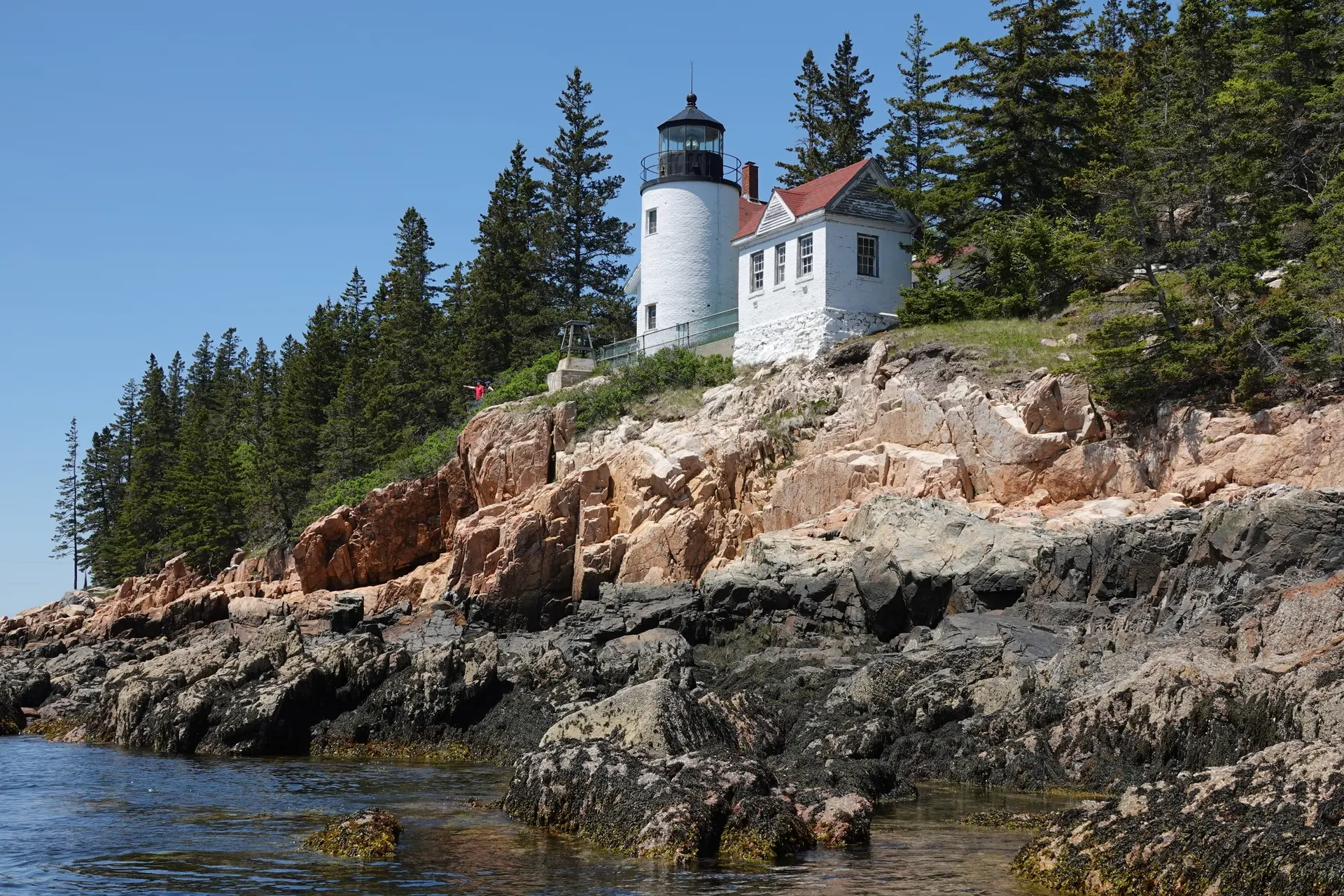
Set out from Bass Harbor for a private, customizable day on Blue Hill Bay — lighthouses, puffins, seals, and the chance to feel Acadia from the water. Small groups, local captains, unforgettable views.
 Related story
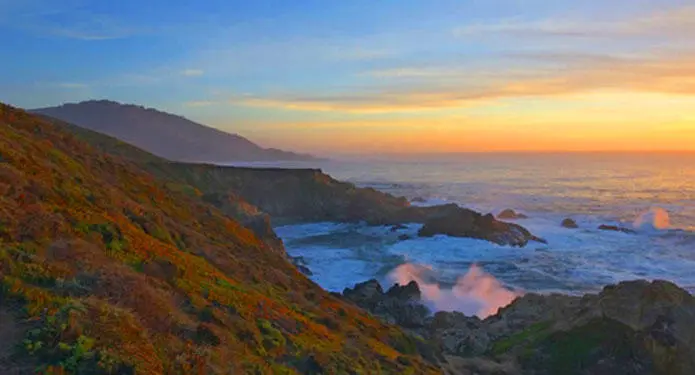
In four hours you can move from shaded canyon ferns to wind-scoured coastal ridgelines, guided by someone who knows where the light—and the hidden views—live. This private half-day hike on the Monterey Peninsula or Big Sur is compact, curated, and perfect for travelers who want depth without a multiday commitment.