
What the day feels like
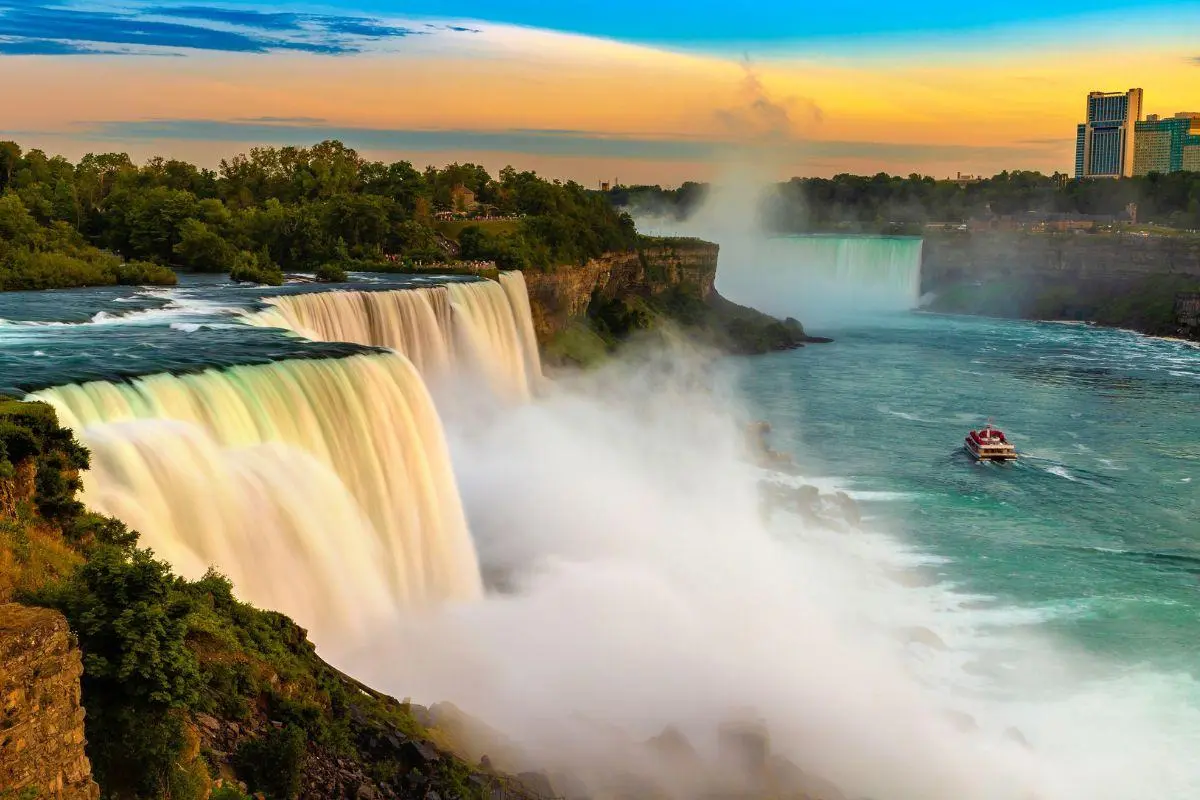
The mist finds you before the view does. You turn a corner on the rim of the gorge and the sound arrives first—a low, building thunder that rattles your teeth and rearranges your idea of scale. The Horseshoe Falls pours like a folded sheet of sky, edges ragged and luminous; the American and Bridal Veil Falls flank it in smaller, sharp currents that dart and flash. Water is not passive here. It stamps, it pulls, it dares you closer.
Niagara Falls is shorthand for spectacle, but it’s also a layered landscape of geology, industry and culture. The falls were born about 12,000 years ago at the end of the last Ice Age, when retreating glaciers released a torrent that carved the Niagara Gorge and revealed the resistant dolostone cap that gives the falls their dramatic lip. For millennia the area was—and remains—home to Indigenous nations, including the Haudenosaunee, for whom the gorge and river have spiritual and territorial importance. By the 19th century the rapids and cataracts had sparked an international tourism boom; daredevils, honeymooners and engineers all came to test themselves and harness the river’s power. Today the skyline is modern, the attractions frequent, and the energy both literal and metaphorical continues to pulse through the place.
What makes Niagara singular for travelers is how many ways it lets you be there. If you want immersion, take the boat. The Maid of the Mist and its Canadian counterpart, Hornblower Cruises, strap you into a plastic poncho and ferry you into the spray. The boat throttles forward, the roar crescendos, and suddenly you are beneath a curtain of water so dense it seems to have its own weather. On the American side, the Cave of the Winds drops you down wooden walkways to stand beside Bridal Veil Falls, where the torrents slap at the rail and the wooden planks shake with the current’s insistence. On the Canadian side, Journey Behind the Falls tunnels you to viewing portals carved behind the Cataract—an intimate, almost claustrophobic vantage where water becomes a white wall and the world is filtered through a prism of spray.
Beyond the plunge, the region is built for exploration. The Niagara Parks Commission maintains riverside paths that unfurl along the gorge, perfect for a reflective stroll or a morning run that finishes with coffee that smells faintly of ozone. For a different line on the map, the Niagara-on-the-Lake wine region is a 20-minute drive away: former battlefields and Georgian architecture give way to vineyards and tasting rooms. On the U.S. side, the Niagara Falls State Park—America’s oldest state park—offers quiet viewpoints and hiking routes that feel a world apart from the carnival lights of Clifton Hill.
Practicality guides the best visits. Timing is everything: early mornings, before the tour buses arrive, give you cleaner light and calmer viewing decks; evenings can be spectacular when the falls are lit with color and you skip the daytime crowds. Weather matters here in a visceral way—the river’s spray can soak you in seconds—so plan clothing and camera protection accordingly. Border logistics are another real consideration; you can visit both sides in a day if you have proper identification and time, but factor in possible waits at the crossing.
For first-timers, the classic loop is efficient and satisfying: a ride on the boat to feel the spray, a walk on the waterfront promenade, lunch with a view of the Horseshoe Falls, and then a descent into the Gorge for a different angle. If you’re chasing adrenaline, book a helicopter tour for an aerial perspective—seeing the falls from above converts the abstract idea of ‘volume’ into immediate geometry. If you want to slow down, take a bike ride along the Niagara River Recreation Trail or a sunset tasting in Niagara-on-the-Lake.
Safety and conservation are practical realities here. The falls are beautiful because of power, and power deserves respect—stay behind barriers, follow Ranger and Parks signage, and never try to climb on rocks in the spray. Be mindful of erosion-control measures and the ongoing work by Canadian and American authorities to balance tourism, hydroelectric needs, and environmental health.
How to plan: buy tickets ahead for peak-season boat runs, arrive early for the best light and smallest crowds, bring a waterproof layer and a plan for both sides if you want the full, cross-border narrative. And remember: the falls are not merely a photo op. They are a place that reminds you that landscape is active—that water can rearrange human plans, and occasionally, like the whirlpool rapids, takes on a character all its own.
Why go now? Niagara is accessible, immediate, and varied. You can stand shoulder-deep in spray on a wooden platform, taste ice wine half an hour later, and be airborne above the Cataract at sunset. It’s a short trip with immediate rewards, and for anyone who enjoys being reminded that the natural world can still astonish, it’s an essential, visceral visit.
Trail wisdom
Small choices, better day.
Come early or stay late
Mornings have the best light and smallest crowds; evenings offer illuminated falls and a different mood—plan around sunrise or after 7pm.
Wear a waterproof layer
Spray from the falls soaks through clothing quickly—pack a lightweight waterproof jacket or use ponchos provided for boat tours.
Bring ID for border crossing
If you plan to visit both the Canadian and U.S. sides in one day, carry a passport or approved travel documents to avoid delays.
Protect your camera gear
Use a weather-sealed body or a rain cover and microfiber cloths—spray will fog lenses fast.
Local knowledge
Read the place, not just the route.
Watch for native species including bald eagles, waterfowl and migratory ducks.
Keep an eye out for wildlife during the transition between areas and habitats. Respect distance guidelines.
Both Canadian and U.S. park authorities actively manage erosion and flow rates to balance power generation with preserving scenic values; stay on trails to protect fragile gorge habitats.
Follow the guide's instructions on size limits, ethical handling, and leave-no-trace practices.
Dufferin Islands—quiet, tree-lined isles with a creeklike feel away from the main promenade. Niagara Glen Nature Centre—rugged trails and geological overlooks below the falls for a different perspective
Locally recommended viewpoints and quiet spots known best to local operators.
The falls have been a transportation and industrial hub since the 19th century and were pivotal in the development of hydroelectric power on both sides of the border.
Maritime roots and regional tradition shape the waterways and working coasts.
Seasonal guide
Four versions of the same landscape.
Spring
Best forwater flow at peak · fewer crowds than summer
Challengescool temperatures · variable weather and choppy boat conditions
Spring brings powerful flows from snowmelt and early greenery along the gorge, but dress for wind and sudden showers.
Summer
Best forfull attractions open · evening illumination shows
Challengeslargest crowds · long waits for boat tours and viewing decks
Summer is peak season—expect busy promenades and plan reservations ahead for boats and helicopter tours.
Fall
Best forautumn color along the gorge · crisper light for photography
Challengescooling water spray and shorter daylight hours
Fall combines spectacular foliage with steady sightseeing; bring layers for chillier mornings and evenings.
Winter
Best fordramatic ice formations · fewer tourists and hotel deals
Challengescold, icy walkways and some closures of water-based attractions
Winter turns the falls into a frozen spectacle; many observation points remain open, but boats do not operate year-round.
Pack with intention
What to bring.
Good to know
Common questions.
No—boat tours generally run from late spring through early fall; winter operations are limited or replaced by land-based viewing experiences.
Plan the edges
The details that make the day easier.
Niagara Falls was formed roughly 12,000 years ago at the end of the last Ice Age when retreating glaciers carved the gorge and exposed the erosion-resistant dolostone cap that forms the falls' lip.
The Niagara region blends big-water spectacle with local food and wine—think ice wine tasting in Niagara-on-the-Lake, hearty pub fare on Clifton Hill, and cultural tours that acknowledge Indigenous history and the site's industrial heritage.
- Hours
- viewpoints open year-round; Boats: late spring–early fall; Cost: free park access, paid attractions (boat tours $25–$45); Accessibility: many viewpoints accessible; Border: passport required for cross-border visits.
Respect the gorge: stay on maintained paths, avoid single-use plastics when possible, support Niagara Parks and local conservation programs that help manage erosion and wildlife habitat.
Explore by topic
Follow the threads.
Keep exploring
Make the story part of the trip.
 Related story
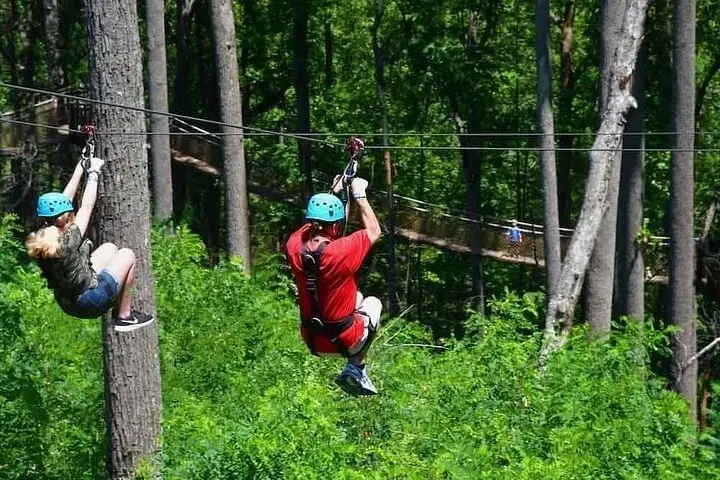
Less than two hours from Nairobi, Kereita Forest pairs hands-on canopy adventure with quiet montane trails and a sobering colonial history—perfect for families, teams, and curious travelers seeking a full-day pulse of nature.
 Related story
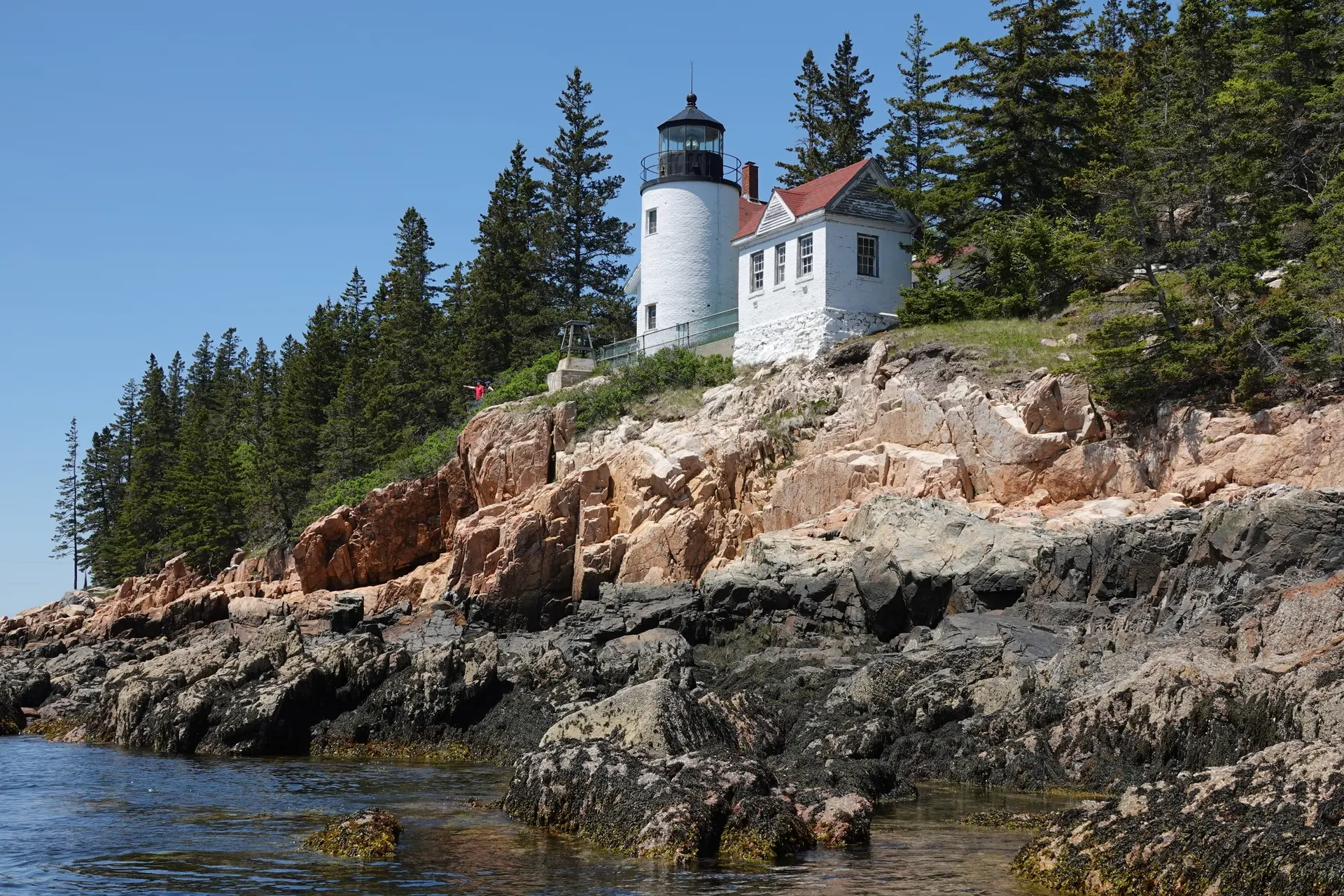
Set out from Bass Harbor for a private, customizable day on Blue Hill Bay — lighthouses, puffins, seals, and the chance to feel Acadia from the water. Small groups, local captains, unforgettable views.
 Related story
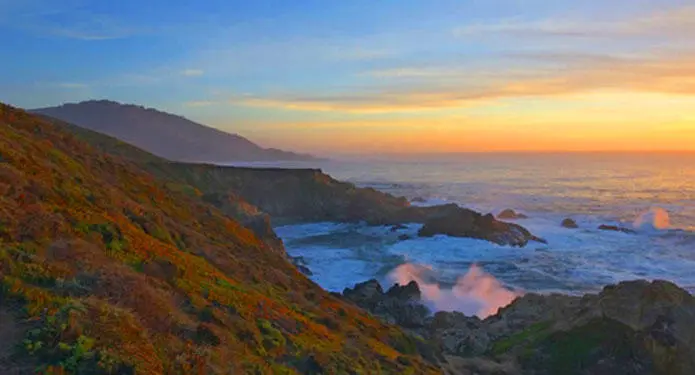
In four hours you can move from shaded canyon ferns to wind-scoured coastal ridgelines, guided by someone who knows where the light—and the hidden views—live. This private half-day hike on the Monterey Peninsula or Big Sur is compact, curated, and perfect for travelers who want depth without a multiday commitment.