
What the day feels like
You arrive in Jackson on a thin ribbon of highway that threads between sagebrush flats and the first, jagged suggestion of the Tetons. The National Museum of Wildlife Art announces itself quietly—a sandstone- and glass-wrapped building set on a bluff above the National Elk Refuge, its terraces and windows angling toward the Snake River valley. Step inside and the world changes: the hush of galleries, the way light pools on bronze, and the presence of animals rendered with an intimacy that feels like a hand extended and a story offered. For travelers who love both the outdoors and the human impulse to translate it into art, this is a destination where museum-going and nature-going meet.
The museum is less an isolated collection and more a hinge between two ways of seeing wildlife: scientific and artistic, close-up and panoramic. Its curatorial eye ranges from nineteenth-century natural history illustrations to contemporary studio sculpture, and the architecture performs the same translation—raw, local materials and a layout that keeps the valley in view. From many vantage points within the building you can watch elk move across the refuge, a reminder that these artworks are not abstractions but interpretations of a living landscape.
Jackson’s cultural and geological story is braided with the museum’s presence. This is valley country carved by ice and river: the Snake River and its braided channels have shaped the lowlands and nourished the cottonwoods that line the refuge. The human history here moves from Shoshone stewardship to mountain men, then to 20th-century conservation efforts that set aside the Elk Refuge and encouraged a local appreciation for the landscape—an appreciation that, by decade’s end, fed ambitions to preserve wildlife through art. The museum’s collections reflect that trajectory: portraits of species that are both local residents and icons of a broader North American wild.
Beyond the galleries, the museum’s outdoor spaces are part of the experience. A short sculpture trail skirts the bluff—an accessible, paved loop of roughly half a mile—where bronzes and stone pieces punctuate sweeping views. In winter, those same outlooks become arenas for watching thousands of elk that migrate and winter on the refuge; in summer, the valley hums with birdsong and the distant grumble of bikes on Teton Park Road. The juxtaposition is useful: you can study a life-sized bronze bison inside and then, minutes later, pick out a living herd against the sagebrush.
For planners and practical travelers, think of a visit as a compact, layered adventure. Allow 1–2 hours for galleries, another 30–60 minutes to walk the outdoor loop and photograph the view, and more time if you take a docent-led tour or attend a special exhibition. The terrain around the museum is friendly—paved paths, low-grade climbs, benches placed for the view—so the outing suits families, older travelers, and anyone wanting to combine cultural time with light outdoor activity.
Timing matters. Early morning light is soft on the valley and favors wildlife sightings on the refuge; late afternoon brings warmer tones on wood and stone and often more dramatic shadows across the museum’s façades. If you’re in Jackson for more ambitious hiking or rafting, slot the museum visit as a restorative half-day: a morning on a trail and a museum afternoon pairs well with a dinner of elk or trout back in town.
Practicalities: the museum’s orientation toward both art and wildlife makes a few simple preparations worthwhile. Bring binoculars for the refuge view, a lightweight jacket for sudden valley winds, and a camera with a short telephoto to compress the valley scene. Comfortable walking shoes are sufficient—no trail gear needed for the museum loop. If you’re visiting in winter, dress in insulated layers; Jackson winters are emphatically cold and the viewing terraces will deliver the full mountain climate.
The museum is also a learning center. Rotating exhibitions and educational programming deepen the story beyond pretty pictures—topics range from wildlife conservation to the technical craft of taxidermy, and hands-on workshops for kids are common. For photographers and artists, the collection offers both reference and inspiration: study how different eras rendered fur, feather, and muscle, and you’ll return to the trail with new questions about the animals you see.
The National Museum of Wildlife Art is not a wilderness substitute; it’s a complement. It slows you down, refocuses attention on individual species and stories, and makes the Jackson landscape legible in ways that a map or guidebook cannot. Leave with a sense not only of the valley’s scenic sweep but of the long human endeavor to honor, study, and protect the animals that live here. Whether you come for the bronzes, the paintings, the view, or the quiet education, you’ll find a place that respects the wild without sentimentalizing it—an antidote to the rush of activity in town and a thoughtful stop on any Jackson Hole itinerary.
Trail wisdom
Small choices, better day.
Binoculars for the Bluff
Bring a compact pair to pick out elk and raptors across the National Elk Refuge from the museum terraces.
Combine Inside and Out
Plan 90–150 minutes to tour the galleries and walk the 0.5-mile outdoor sculpture loop for photos and views.
Dress in Layers
Valley winds can be sharp even on sunny days—pack a windbreaker or insulated layer for the terraces.
Check Exhibits & Programs
Look up temporary exhibitions or docent tours before you go—these add context and often only run on select days.
Local knowledge
Read the place, not just the route.
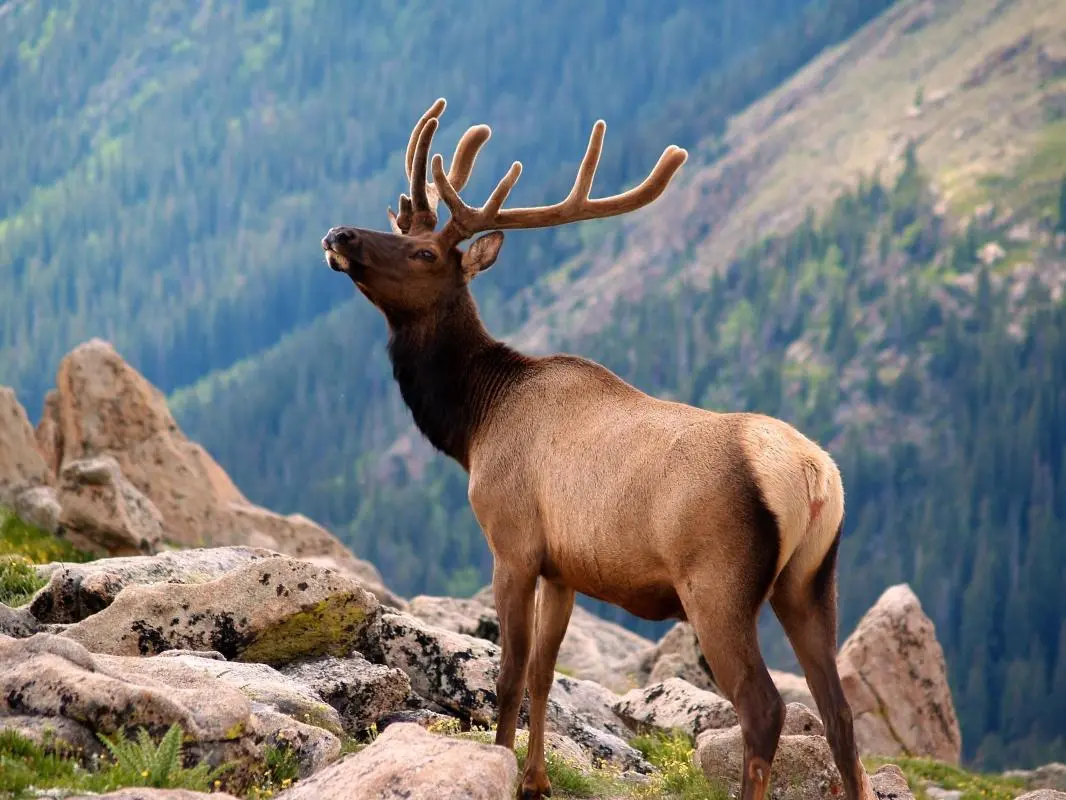
Watch for native species including Elk, Bald eagles.
Keep an eye out for wildlife during the transition between areas and habitats. Respect distance guidelines.
The museum supports public education about habitats and partners with regional conservation efforts; visitors are encouraged to view wildlife responsibly and follow refuge guidelines.
Follow the guide's instructions on size limits, ethical handling, and leave-no-trace practices.
Rungius Sculpture Trail—small bronze works sited to frame specific valley views. Lower terraces at dusk—a quiet spot for silhouette photos of elk against the Tetons
Locally recommended viewpoints and quiet spots known best to local operators.
The museum was established to showcase art that interprets wildlife and sits intentionally above the National Elk Refuge, linking cultural collection with living landscape.
Maritime roots and regional tradition shape the waterways and working coasts.
Seasonal guide
Four versions of the same landscape.
Spring
Best forMigratory birdwatching · Quieter galleries · Early-season wildflower views
ChallengesUnpredictable weather · Snowmelt mud in surrounding areas
Spring offers fewer crowds and active birdlife; expect variable conditions and bring waterproof layers for the outdoor loop.
Summer
Best forLong daylight for combined outdoor activities · Family-friendly workshops · Clear valley views
ChallengesPeak tourist season · Afternoon thunderstorms
Summer provides easy access, full program schedules, and reliable views—visit early or late in the day to avoid crowds and heat.
Fall
Best forElk rut viewing on the refuge · Crisp light for photography · Cool, comfortable touring
ChallengesShorter daylight hours · Variable cold snaps
Fall is optimal for wildlife sightings and dramatic light; layer up for chilly mornings and plan around sunset for photos.
Winter
Best forWatching large elk herds on the refuge · Snow-dusted landscapes · Lower off-season museum crowds
ChallengesCold temperatures · Icy terraces and roads
Winter delivers unforgettable elk encounters and stark scenery—dress warmly and allow extra time for winter driving and parking.
Pack with intention
What to bring.
Good to know
Common questions.
Plan 1–2 hours for the galleries and another 30–60 minutes to walk the outdoor sculpture loop and take photos; audio tours or special exhibitions may extend your visit.
Plan the edges
The details that make the day easier.
The National Museum of Wildlife Art overlooks the National Elk Refuge, where thousands of elk winter and graze—allowing museum visitors a rare combination of curated art and living wildlife views.
Jackson Hole pairs rugged outdoor culture with refined western arts—after the museum, walk into town for elk sausage at a local bistro, browse western galleries on the town square, or catch live music at a local saloon.
Respect wildlife viewing distances and refuge regulations; support the museum’s conservation programs by attending interpretive talks and following leave-no-trace principles on the grounds.
Explore by topic
Follow the threads.
Keep exploring
Make the story part of the trip.
 Related story
Aksla is the small mountain that makes Ålesund legible: 418 steps, sweeping panoramas, and a short tour that threads architecture and coastline into 90 minutes of memorable sightlines. Perfect for anyone who wants a quick, high-reward encounter with Norway’s west coast.
 Related story
The New York Public Library’s Main Branch is more than a photo stop—it's a civic living room, an architectural landmark, and a waypoint for walking tours that stitch together Midtown’s history, films, and holiday rituals. Here's how to make the most of a visit.
 Related story
Five miles of riverfront walking that reveal NYC’s quieter rhythms—Riverside Park pairs easy urban hiking with history, birdlife and a front-row view of the city’s climate resiliency efforts. Walk a stretch or follow the Greenway; either way, the Hudson makes its presence felt.