
What the day feels like
The van hums to life before dawn in downtown Anchorage. Coffee in hand, you ease into a leather seat in a new Sprinter van and watch the city thin to the long, scalloped shoreline of Turnagain Arm. Mountains rise like a folded map to the south — the Chugach range raw and close — and the highway arcs along a coast that alternates between glassy tide flats and sudden, spray-swept cliffs. This is the rhythm of the Glacier View & Wildlife Anchorage Adventure Tour: a seven-hour, small-group loop that stitches together beluga-viewing points, glacier walkouts, and guaranteed encounters with Alaska’s largest rescued mammals, all narrated by a local guide who reads the landscape like a map.
There’s an economy to this itinerary. Rather than committing to a multi-day trek, you get concentrated doses of what makes Southcentral Alaska electrifying. First, the scenic stops — Beluga Point and Turnagain Arm — introduce the geology. The arm itself is an extension of Cook Inlet carved by repeated glaciations; tides here are dramatic and currents ambitious, and they give the shoreline a raw, exposed feel. Virgin Creek Falls is the kind of sudden vertical surprise you can stand under and feel the spray on your face; it’s an intimate introduction to the water that still shapes everything around you.
A self-guided walk on the Byron Glacier Trail (often listed in tour notes as Explorer or Byron viewpoints) compresses the conversation between ice and rock. The trail is short — roughly 1–2 miles roundtrip depending on the stopping points — with modest elevation changes, but it delivers the sensory essentials: the metallic tang in the air, the groan of distant ice when the wind finds a crevasse, and the wide, braided streams that carry milky glacial flour to the sea. Geologically, you’re standing where retreating ice once scoured valleys, leaving behind a mosaic of moraines and kettle ponds. It’s a landscape that still moves, albeit on a human scale slower than a heartbeat but undeniably alive.
The human history here adds texture. The Dena’ina people have lived in these coastal valleys for millennia, harvesting salmon and reading the tides. In the 20th century the construction of the Alaska Railroad and later the Seward Highway opened this corridor to industry and tourism; now small family-run tour companies stitch those historical nodes into modern-day discovery.
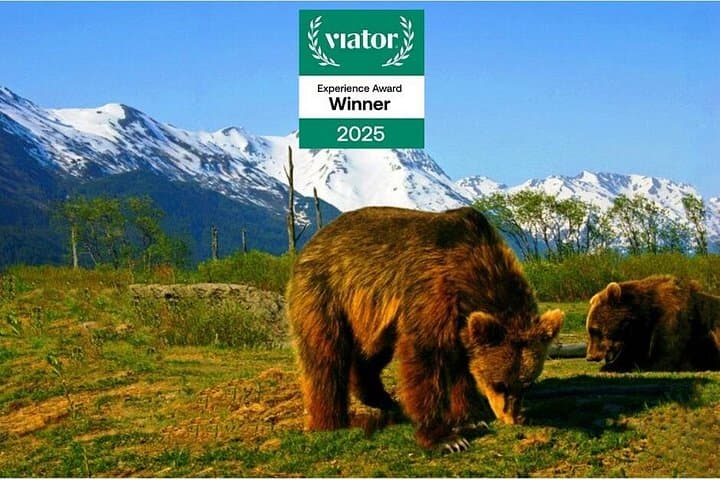
Midday brings the Alaska Wildlife Conservation Center, where the tour promises “guaranteed” wildlife encounters. This is different from the adrenaline-fueled animal spotting you hope for in the wild; it’s a thoughtful, educational investment in species recovery and rehabilitation. You’ll see orphaned bears, solitary moose, and sometimes wolves, careful behind enclosures that mimic natural habitat. Guides here give context — why some animals can’t be re-released, how rehabilitation works, and what responsibly managed wildlife viewing looks like in a landscape with grizzlies and humans sharing the same margins.
Practical pleasures are part of the package: a cap on group size keeps views uncrowded, your local driver-guide knows every pullout and the timing for the best light, and a Sprinter van means comfort on the Seward Highway’s sometimes long stretches. That comfort doesn’t dilute the rawness of the place; it foregrounds it. You get out where it matters — a trailhead, a waterfall, a viewpoint — and your guide fills in the why.
For photographers and planners, timing matters. Midday light on glaciers can be flat; golden hour (early morning or late afternoon) sculpts ridgelines and highlights crevasses. Summer is the sweet spot for accessibility — trails are drier, daylight is long, and the AWCC is in full swing — but shoulder seasons offer fewer people and moodier skies if you’re prepared for cooler temps.
This tour is practical, not aspirational. It doesn’t promise a mountaineering victory or long glacier traverse; instead it packages a well-paced sampler of what makes this section of Alaska memorable: coastal drama, accessible glacier views, and close-up wildlife education. For travelers with a single day and a craving for variety — families, photographers, or anyone who prefers concentrated exposure to a region rather than one-hour glimpses — it’s an efficient and satisfying way to connect with Alaska’s elemental forces.
If you go, come with good boots, layers you can shed or add within minutes, and a willingness to lean on local knowledge. The trip rewards curiosity: ask about the Dena’ina stories of the land, the mechanics of glacial melt, and the AWCC’s work. Leave space in your itinerary afterward; Anchorage makes a civilized counterpoint to the day’s wildness with fresh seafood, craft beer, and a lively local scene. The Glacier View & Wildlife Anchorage Adventure Tour doesn’t try to be everything — it chooses the most essential pieces and presents them without fuss. That clarity is the tour’s strength: in seven hours it gives you a readable, honest sense of place.
Trail wisdom
Small choices, better day.
Layer for changeable weather
Temperatures can swing quickly between coastal wind and sheltered trail; wear a breathable base layer and a waterproof shell.
Bring a telephoto lens
Wildlife sightings at the Conservation Center are close, but you’ll want reach for candid animal portraits and distant beluga sightings.
Time your restroom stops
Facilities are available at major pullouts and the AWCC, but not at every roadside viewpoint—plan accordingly.
Respect wildlife boundaries
Stay on designated paths and follow guide instructions; proximity doesn’t mean permission with wild animals.
Local knowledge
Read the place, not just the route.
Watch for native species including Moose, Black and Brown Bears (at the Alaska Wildlife Conservation Center and occasionally in the wild).
Keep an eye out for wildlife during the transition between areas and habitats. Respect distance guidelines.
The Alaska Wildlife Conservation Center operates as a non-profit focused on rehabilitation and public education; visitors support conservation by following viewing rules and choosing responsible operators.
Follow the guide's instructions on size limits, ethical handling, and leave-no-trace practices.
Drive an extra 10 minutes to Girdwood for the scenic tram at Alyeska Resort and mountain views. Stop at a small pullout near Potter Marsh for concentrated birdlife and surprisingly easy viewing of shorebirds
Locally recommended viewpoints and quiet spots known best to local operators.
This coastal corridor was shaped by repeated glaciations and has been home to the Dena’ina people for thousands of years; the Seward Highway later opened it to modern travel and trade.
Maritime roots and regional tradition shape the waterways and working coasts.
Seasonal guide
Four versions of the same landscape.
Spring
Best forSnowmelt landscapes · Bird migration · Quieter trails
ChallengesCold mornings · Variable trail conditions
Spring thaws open glacier viewpoints and bring active rivers; expect cool temps and patchy snow on higher approach trails.
Summer
Best forLong daylight · Accessible trails · Peak wildlife viewing
ChallengesMore tourists at popular stops · Glare from ice and water
Summer is the most reliable season for the full itinerary — longer days and accessible trailheads make this the optimal window for most travelers.
Fall
Best forAutumn color · Fewer crowds · Moose activity
ChallengesShortening days · Earlier snow at higher elevations
Fall offers crisp air and dramatic light; pick earlier departure times to maximize daylight and animal activity.
Winter
Best forSnowscapes · Aurora potential · Off-season solitude
ChallengesLimited accessibility · Icy roads and closures
Winter tours are possible with adjustments, but some stops may be inaccessible; dress for sub-freezing temperatures and limited daylight.
Operator details
What the booking data adds.
Included
- ✓Snacks & Water
- ✓Binoculars
- ✓Clean Vans with Heat & AC
- ✓All Entrance Fees
- ✓Local Alaskan Guide
Not included
- —Lunch – guests pay individually
- —Guide Gratuity – never expected, always appreciated
Good to know
- ✓Infants and small children can ride in a pram or stroller
- ✓Service animals allowed
- ✓Public transportation options are available nearby
- ✓Specialized infant seats are available
- ✓Suitable for all physical fitness levels
Pack with intention
What to bring.
Good to know
Common questions.
The tour lasts approximately seven hours and includes hotel pickup in Anchorage, guided stops along Turnagain Arm, a self-guided walk to a glacier viewpoint, admission to the Alaska Wildlife Conservation Center, and transportation in a Sprinter van.
Plan the edges
The details that make the day easier.
Turnagain Arm can experience tidal changes up to around 40 feet (12 meters), creating dramatic tidal flats and a tidal bore that historically shaped the coastline.
After the tour, head back to Anchorage for fresh halibut or salmon at Glacier Brewhouse, a local brew at Anchorage Brewing Company, or a hearty breakfast at Snow City Cafe; nearby Girdwood offers cozy mountain lodges and locally sourced fare for those extending their stay.
- Closest airport
- Ted Stevens Anchorage International Airport (ANC). Typical driving: 45–75 minutes from central Anchorage to Turnagain Arm pullouts depending on traffic. Cell service: reliable in Anchorage, intermittent along Turnagain Arm and at trailheads. Permits
- passes
- No special permits for Byron Glacier Trail; admission to the Alaska Wildlife Conservation Center is usually included or covered by the tour.
This tour visits sensitive coastal and glacial environments—pack out trash, stay on designated trails, and support operators who fund local conservation and wildlife rehabilitation efforts.
Explore by topic
Follow the threads.
Keep exploring
Make the story part of the trip.
 Related story
Less than two hours from Nairobi, Kereita Forest pairs hands-on canopy adventure with quiet montane trails and a sobering colonial history—perfect for families, teams, and curious travelers seeking a full-day pulse of nature.
Set out from Bass Harbor for a private, customizable day on Blue Hill Bay — lighthouses, puffins, seals, and the chance to feel Acadia from the water. Small groups, local captains, unforgettable views.
In four hours you can move from shaded canyon ferns to wind-scoured coastal ridgelines, guided by someone who knows where the light—and the hidden views—live. This private half-day hike on the Monterey Peninsula or Big Sur is compact, curated, and perfect for travelers who want depth without a multiday commitment.