
What the day feels like
First light slips into Bar Harbor like a whisper, and the harbor answers back with the clink of halyards and the gulls’ heckling chorus. The Friendship V hums at the dock, a steady heartbeat against the morning tide. You step aboard with a thermos of coffee and a jacket zipped to your chin, and the Atlantic meets you with a cool breath that wakes every sense. Ahead lies eight and a half hours of granite headlands, candy-striped towers, and a sea that never sits still. This is Downeast Maine on its own terms: tides that command, fog that decides, and lighthouses that stand their ground.
The <a href="https://app.advcollective.com/local-experts/bold-coast-canada-grand-slam-lighthouse-cruise">Bold Coast & Canada Grand Slam Lighthouse Cruise</a> stakes out a big day with a simple promise—follow the lights. From Bar Harbor’s busy pier, the route arcs along the Downeast coast and out to Grand Manan Island in the Bay of Fundy, threading past seabird islands and cold-water currents that tug the hull as if to test your nerve. The ocean has personality here. It nudges you away from shoals, throws a shoulder into the bow, then calms to a mirror long enough to scan for fins. On deck, your field guide plays out in real time: Atlantic puffins tilt like wind-up toys over ledges; razorbills and common murres stitch the dark water with sharp wingbeats; gannets spear the surface in brilliant white dives. Shearwaters skim like messengers of the wind. Wilson’s storm petrels foot-patter along the swells, daring you to keep them in your binoculars.
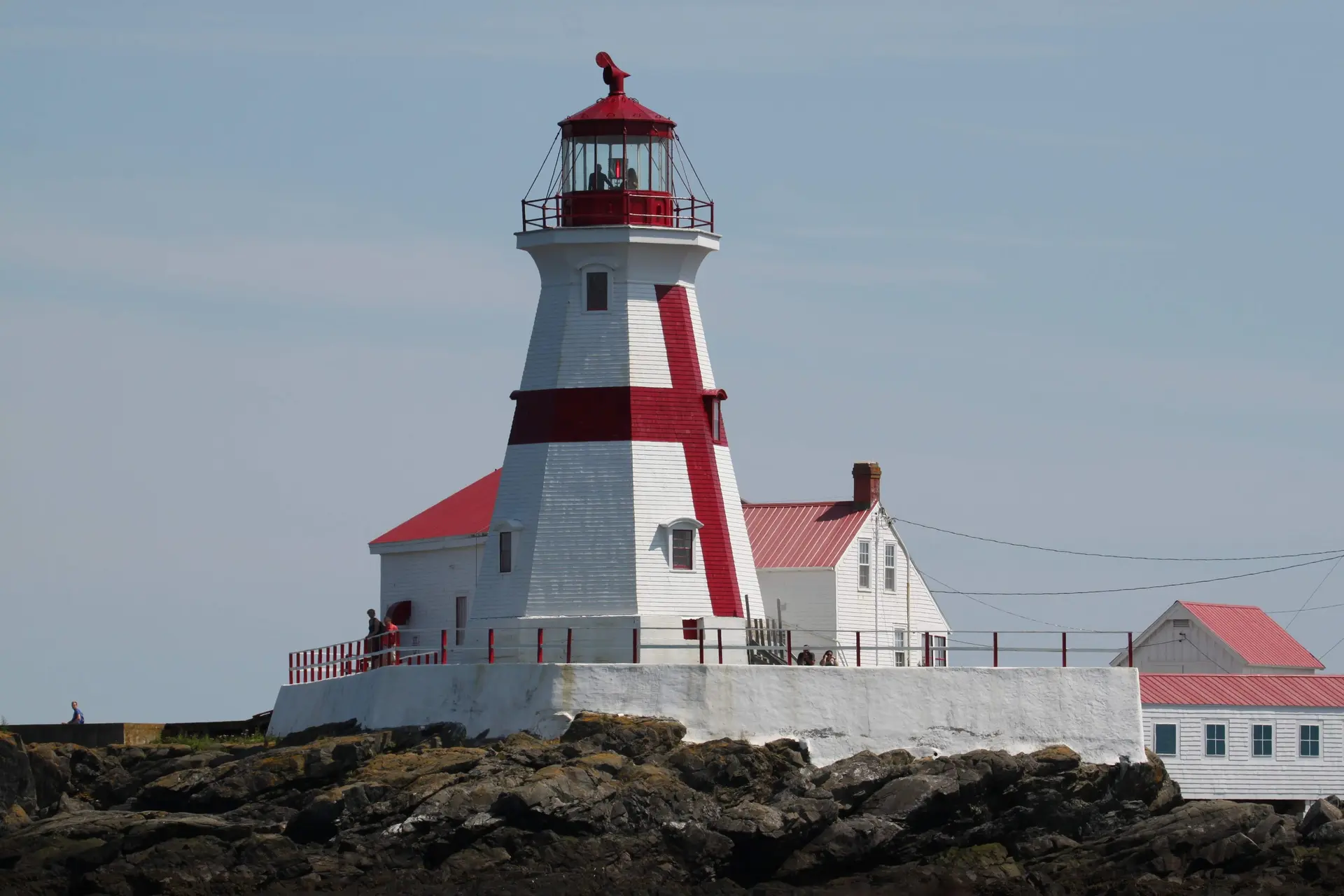
If you’re here for the lighthouses, you’ll get your fill—and then some. Depending on conditions, the lineup may include Winter Harbor, Prospect Harbor, Petit Manan, Ponds Island, Nash Island, Moose Peak, Libby Island, Little River, West Quoddy, and Lubec Channel on the U.S. side, plus Mulholland Point (tide willing), Head Harbor/East Quoddy, Long Eddy, Swallowtail, Long Point, Gannet Rock, and Southwest Head across the border, with Great Duck Island and Machias Seal rounding out the narrative of keepers, storms, and stubborn light. Each station still speaks: West Quoddy’s red-and-white stripes cut through fog with festive defiance; Head Harbour/East Quoddy perches on a pocket of rock where currents chew and swirl like a living thing; Swallowtail on Grand Manan throws its gleam over a channel that has swallowed more than a few careless hulls.
The stories that rise with these lights are as salty as the spray. On board, lighthouse historians and naturalists—names like Chris Mills, a former Canadian lightkeeper and author, and Bob Trapani Jr. of the American Lighthouse Foundation—bring the legends ashore, so to speak. Their tales are practical and unvarnished: lamp oil hauled by hand, winter gales rattling lantern panes, fog that eats sound. You’ll hear how this coast was navigated by grit and beam, and how mariners learned to trust a light the way climbers trust a rope. Guide Zack Klyver and team add the living layer: seabirds reclaiming islands after restoration, seals surfacing like curious neighbors, and the occasional minke, humpback, or porpoise drawing a line through the water.
It’s not all romance. The Bay of Fundy sets its own schedule, flexing the highest tidal range on Earth—up to 50 feet in places—and those tides can make or break a plan. The captain may tune the route for comfort and safety; some lights are tide-dependent. There’s no island landing on this excursion; everything is viewed from the boat, with time at each station to line up your shot. Bring binoculars (rentals are available on board) and a camera you can handle one-handed. Salty air leaves its mark; a lens cloth earns its keep.
Practicality keeps the day smooth. Arrive 45–60 minutes early to sort parking and settle in. The galley runs on cash—hot drinks, cold drinks, and simple snacks—so plan accordingly or bring a soft cooler with your own lunch. Dress like the sea might change its mind. Offshore wind runs colder than Main Street by a full season, so layers are essential: base layer, midlayer, windproof shell, warm hat, and gloves you can still use with a camera. If you get seasick, take your aid an hour before departure and stick to water over sugar. The vessel is wheelchair accessible, with indoor and outdoor seating, and there are restrooms on board.
As the Friendship V pushes east, the coast tells its story in rock. Granite ledges shoulder up from the sea in burnt-umber cuts, and spruce-studded islands hunker low against the wind. You pass Prospect Harbor’s sentinel, then Petite Manan’s tall tower standing like a metronome for the swells. Past Machias waters, the shoreline grows bolder—cliffs taking a firmer stance, currents muscling between headlands. The lights here didn’t just warn; they brokered survival, anchoring a maritime economy that once rang with sardine canneries and herring weirs from Jonesport to Lubec. You glimpse that history in shingled houses and weathered fish shacks, then cross invisible lines to Canada where Grand Manan rises, green and sheer-backed, and Swallowtail Lighthouse greets you with its clipped, confident profile.
The moment that stays might be small: a puffin arrowing home with a bill of silver sand lance, or a bald eagle riding a thermal above Lubec Channel. Or maybe it’s the sound—the low, rinsing thunder of tide against rock—that returns later when you pour salt from your camera bag. These lights aren’t museum pieces. They still work. And on a day like this, you feel why.
If the call of the coast is getting louder, consider booking early; space is limited and weather calls the shots. The company keeps a clean safety record and adheres to wildlife viewing guidelines—respectful distance, measured approach. You’ll get the view you came for without crowding the life that lives here. To plan your passage, start with the operator’s page for the <a href="https://app.advcollective.com/local-experts/bold-coast-canada-grand-slam-lighthouse-cruise">Bold Coast & Canada Grand Slam Lighthouse Cruise</a>, then watch the forecast and give yourself wiggle room—there’s no rain date, and fog can cancel even the best-laid plans.
Back at the dock, Bar Harbor feels brighter. The harbor has loosened its grip, and the town is all patios and ice cream lines. You walk a little saltier and a lot more aware that every light you saw today is part of a larger, breathing coast. The tide keeps moving. The lights keep shining. And the ocean, as always, keeps you honest.
Ready to chase the beam? Learn more and reserve your spot on the <a href="https://app.advcollective.com/local-experts/bold-coast-canada-grand-slam-lighthouse-cruise">lighthouse cruise from Bar Harbor to the Bay of Fundy</a> and let the tides set the tempo.
Trail wisdom
Small choices, better day.
Dress a Season Colder
Offshore winds make it feel 10–20°F cooler than town. Wear layers with a windproof, waterproof shell.
Binoculars Make the Day
Bring your own or rent on board—puffins, porpoises, and distant light details are best appreciated magnified.
Preempt Seasickness
Take your chosen remedy at least an hour before departure and avoid sugary snacks; stick to water and light foods.
Cash for the Galley
The onboard galley is cash-only. Pack a soft cooler with lunch if you prefer and leave hard coolers at home.
Local knowledge
Read the place, not just the route.
Watch for native species including Atlantic puffin, Harbor porpoise.
Keep an eye out for wildlife during the transition between areas and habitats. Respect distance guidelines.
Seabird islands are protected sanctuaries. The operator follows regional marine mammal guidelines—keep a respectful distance and never feed or harass wildlife.
Follow the guide's instructions on size limits, ethical handling, and leave-no-trace practices.
Bar Island sand bar at low tide—walk from the waterfront when the bay steps aside. The Shore Path at sunrise for working harborside light and quiet harbor views
Locally recommended viewpoints and quiet spots known best to local operators.
West Quoddy Head Light has guarded the easternmost point in the contiguous U.S. since 1808; these stations guided a maritime economy of fishing, canneries, and coastal trade for centuries.
Maritime roots and regional tradition shape the waterways and working coasts.
Seasonal guide
Four versions of the same landscape.
Spring
Best forMigrating seabirds · Brisk, crowd-free decks
ChallengesCold winds · Frequent fog · Choppy seas
Expect changeable weather and dramatic light. Wildlife activity ramps up, but fog can delay or cancel departures.
Summer
Best forPeak wildlife viewing · Calmer seas
ChallengesFull sailings · Strong sun and glare
The most reliable conditions and the broadest species diversity, from puffins to porpoises. Book early and bring sun protection.
Fall
Best forCrisp visibility · Fewer crowds
ChallengesCooler temps · Shorter daylight
Autumn brings sharp horizons and migrating birds. Layer up—decks run cold as days shorten.
Winter
Best forStorm watching from shore · Quiet coastal towns
ChallengesLimited or no departures · Severe weather
Most operators scale back or pause trips; if a special sailing runs, expect frigid temps and a high chance of weather cancellations.
Pack with intention
What to bring.
Good to know
Common questions.
No. All lighthouses and wildlife are viewed from the boat, with time to observe and photograph at each stop.
Plan the edges
The details that make the day easier.
The Bay of Fundy has the highest tidal range in the world, reaching up to 50 feet (15–16 meters) in parts of the bay—powerful currents that shape navigation and marine life along the Bold Coast.
Back on shore, walk to Sunrise Café on the dock for a post-cruise chowder or breakfast sandwich. For dinner, Side Street Cafe dishes lobster rolls and local brews in a casual setting. Beer lovers should detour to Atlantic Brewing Midtown for tastings, and ice cream at Mount Desert Island Ice Cream seals the day.
- Closest airports
- Hancock County–Bar Harbor (BHB, 12 mi) and Bangor International (BGR, ~50 mi). Departure: Bar Harbor Whale Watch dock, 1 West St, Bar Harbor. Driving: ~1 hr 15 min from Bangor; ~3 hr from Portland. Cell service: Solid in town, spotty offshore. Permits: None; no passport required as you do not disembark in Canada. Weather can cancel departures—no rain date.
This route skirts sensitive seabird islands and marine mammal habitats. Follow crew guidance, keep gear secure, pack out all trash, and use reef-safe sunscreen to reduce runoff impacts.
Explore by topic
Follow the threads.
Keep exploring
Make the story part of the trip.
 Related story
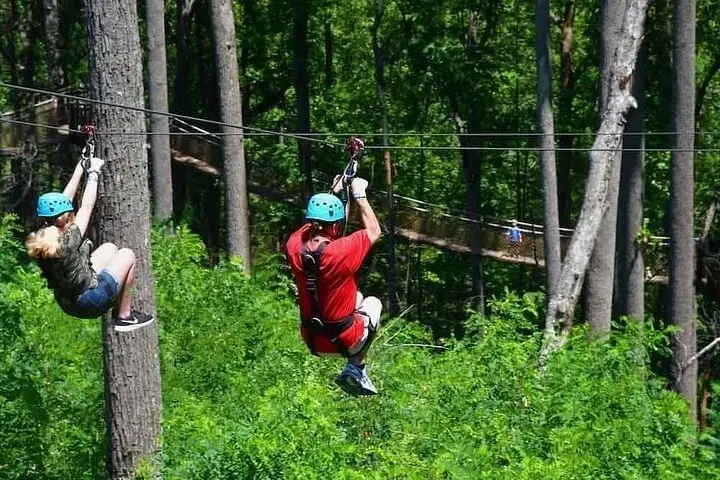
Less than two hours from Nairobi, Kereita Forest pairs hands-on canopy adventure with quiet montane trails and a sobering colonial history—perfect for families, teams, and curious travelers seeking a full-day pulse of nature.
 Related story
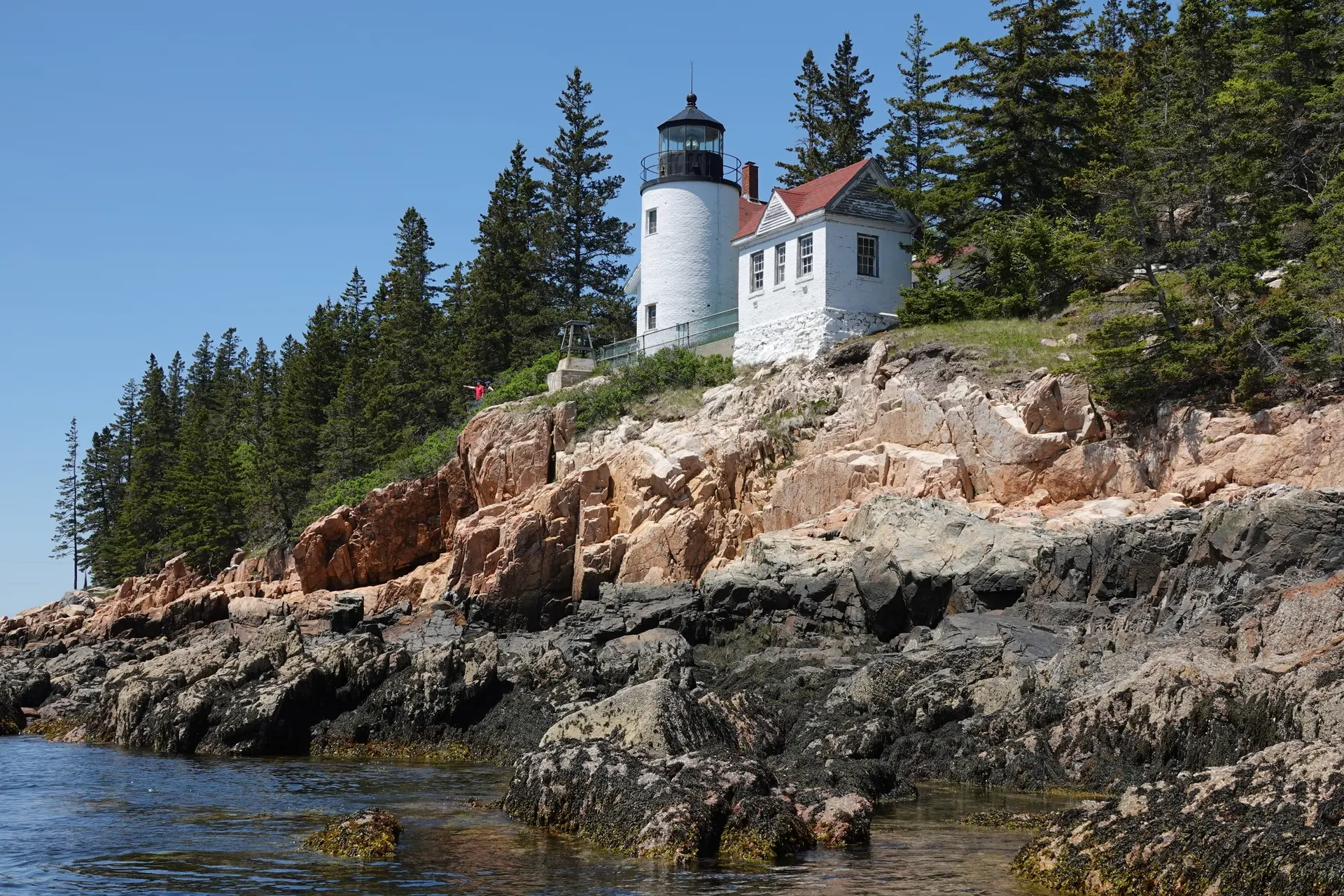
Set out from Bass Harbor for a private, customizable day on Blue Hill Bay — lighthouses, puffins, seals, and the chance to feel Acadia from the water. Small groups, local captains, unforgettable views.
 Related story
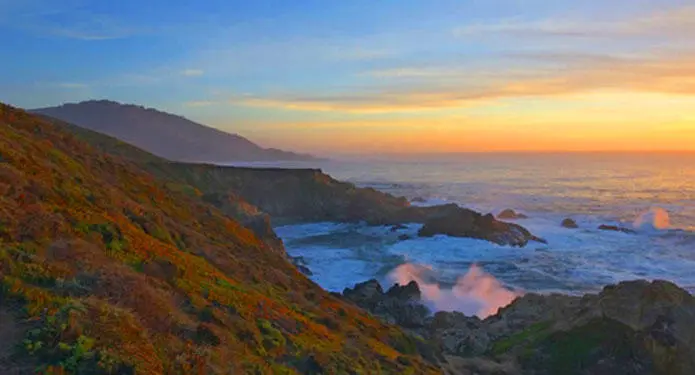
In four hours you can move from shaded canyon ferns to wind-scoured coastal ridgelines, guided by someone who knows where the light—and the hidden views—live. This private half-day hike on the Monterey Peninsula or Big Sur is compact, curated, and perfect for travelers who want depth without a multiday commitment.