
What the day feels like
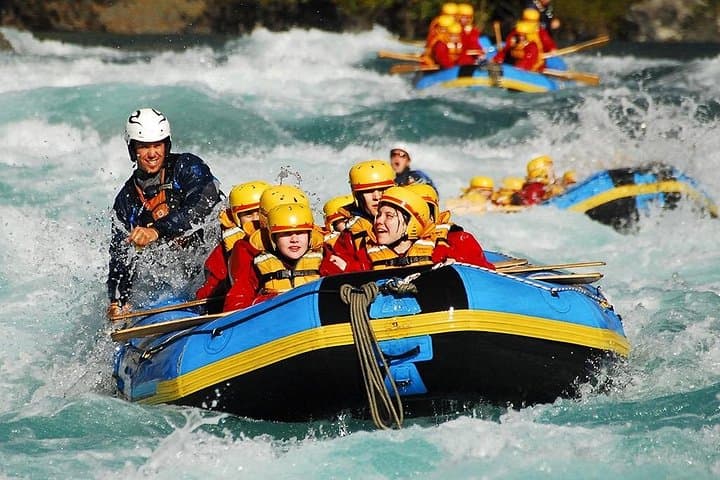
By mid-morning the valley narrows and the Trishuli stops being a distant soundtrack and starts demanding attention. The river pushes itself into the gorge with the confidence of a thing that knows its way—cold, wide-mouthed, and threaded with standing waves that dare you to lean in. On the riverbank, terraced fields and low concrete houses blink past; above them the Himalaya’s foothills wear a patchwork of scrub and pine. For a traveler leaving Kathmandu’s bustle behind, the Trishuli is an immediate, accessible proof that Nepal’s wild is not only far-off trekking peaks but a single-day trip of whitewater and local color.
This is classic Nepal rafting: big-volume water born of Himalayan snowmelt, fun but not extreme, and threaded with village life. The Viator day tour runs from Charaudi Red House, roughly 81 kilometers from Kathmandu, and finishes at River Fun Beach Resort, with route options of about 22 kilometers or the longer 46-kilometer stretch. Expect six to eight hours on a typical day—transport, river time, and the post-raft cup of tea. Rapids sit in the Class III+ range, which makes the run lively enough to thrill first-timers and technical enough to keep intermediates involved. Your guide runs the boat; you paddle, grunt, laugh, and let the river set the tempo.
Geology and hydrology explain the ride. The Trishuli (also spelled Trisuli) drains a Himalayan catchment where seasonal snow and monsoon rains swell flow. The river’s gradient through the rafting corridor offers a steady mix of riffles and punchy drops. Under the surface you’ll find boulders gondolined with moss and jumbled bedrock carved by centuries of meltwater and sediment. On quieter stretches, the river widens and reveals gravel bars where local families may graze cattle or dry maize; in tighter sections it threads narrow chutes that create the surfable waves rafters prize.
Culturally, the river valley is stitched tightly to everyday Nepali life. Small towns like Charaudi and Trishuli Bazaar are logistical hubs—markets filled with fruit sellers, teashops that pour steaming milky chai, and roadside stalls selling peanuts and samosas. The river’s name itself—Trishuli—recalls Hindu myth: a trident, or trishula, tied to the god Shiva. Villagers and pilgrims have long seen these waters as part of an animating landscape where nature and culture overlap.
Why go? For starters, the Trishuli is one of the most convenient whitewater experiences near Kathmandu. It’s accessible enough for families and novice rafters yet chunky enough to satisfy adrenaline seekers. Because flows are typically reliable outside the peak monsoon, you can plan a day and return to the city the same evening without feeling cheated. It’s also a great primer for longer Himalayan river trips, teaching you how to read currents, brace, and work in a paddling team.
Practicalities matter out here. Be prepared for a full day: travel time from Kathmandu takes roughly two to three hours depending on traffic and road conditions, and the shuttle back can be tired but content. On the water, the combination of spray and sun is deceptive—pack a light waterproof layer, sunscreen, and a hat that can be secured. Wear closed, quick-draining shoes; flip-flops don’t stay on when you take a surprise spill. Guides provide life jackets and helmets; pay attention to their briefings and the command calls for forward, back, and brace.
Timing is everything. The best days are clear autumns and cool springs when flows are lively but manageable. Monsoon brings higher, technical water and variable access; winter will cool the water drastically but can offer crisp skies. Hydration is crucial—being cold doesn’t mean you won’t sweat—and many operators include a simple riverside lunch or tea at a beach resort at the end of the run.
Safety and sustainability go hand-in-hand here. Respect the riverbanks: avoid leaving trash on gravel beaches, and keep noise low where fishermen and wildlife are present. Rafters work with local boatmen whose livelihoods depend on steady, respectful tourism; tipping and choosing operators that employ community members helps keep that ecosystem healthy.
For photographers, the river is a moving theatre—early light, village life, and the sudden sculpted drama of the rapids. For the casual traveler, the trip is a full-senses day: the hop of the raft, the cold slap of spray, the taste of roadside tea, and the soft thud of heels on wet gravel at the takeout.
If you’ve only come to Nepal for trekking, add this one-day river trip to diversify your itinerary. It won’t compete with ten days on the Annapurnas, but it will reframe how you think about Nepal: a country where the mountains meet water and ordinary days include sharp kinds of joy. For many visitors the Trishuli is exactly that—accessible wildness, a manageable dose of risk, and a solid reminder that adventure is often just a morning’s drive from the city.
Trail wisdom
Small choices, better day.
Wear secure footwear
Closed, quick-drying shoes with good tread keep your feet protected on slippery takeout rocks and when you swim.
Hydrate and layer
Bring a small hydration bladder and a lightweight waterproof layer—the spray is cold even on warm days.
Listen to your guide
Follow paddle commands and safety briefings closely; they navigate both rapid and rescue scenarios.
Protect electronics
Use a small dry bag for phones and cameras, or leave them with shore staff to avoid losing them in the rapids.
Local knowledge
Read the place, not just the route.
Watch for native species including Himalayan river otter (occasionally), Various waterfowl and kingfishers.
Keep an eye out for wildlife during the transition between areas and habitats. Respect distance guidelines.
Choose operators that employ local boatmen and practice leave-no-trace policies; avoid single-use plastics and respect shoreline habitats.
Follow the guide's instructions on size limits, ethical handling, and leave-no-trace practices.
River Fun Beach Resort’s riverside lawns for an afternoon chai. A short walk upstream to find gravel bars where locals fish and sun-dry crops
Locally recommended viewpoints and quiet spots known best to local operators.
The Trishuli corridor has long been a trade and transit route between Kathmandu and the western valleys, with riverside towns serving as caravan and trading points.
Maritime roots and regional tradition shape the waterways and working coasts.
Seasonal guide
Four versions of the same landscape.
Spring
Best forStable snowmelt flows · Clear skies for photos
ChallengesCool water temperatures · Occasional higher flows early season
Spring brings reliable snowmelt-fed water and comfortable weather, but the river can still run chilly—dress in layers.
Summer
Best forLush valley scenery · Warmer air temperatures
ChallengesMonsoon rains increase flow and debris · Road access may be affected
Monsoon season makes the valley green but can push flows into higher, more technical ranges and disrupt logistics.
Fall
Best forClear, stable weather · Peak visibility of Himalayan foothills
ChallengesHigher demand from travelers · Cooler mornings
Autumn is ideal—stable flows, crisp air, and the best visibility for mountain and river views.
Winter
Best forLower crowds · Crisp blue skies
ChallengesVery cold water and air · Shorter daylight hours
Winter offers clear days but cold conditions; a dry suit or warm layers are recommended if you plan to swim.
Operator details
What the booking data adds.
Included
- ✓4 Hours rafting in Main Adventure part
- ✓Safety Kayak, through the bag, lifeline, Camera Barrel, etc.
- ✓A bottle of drinking water
- ✓Buffet lunch with unlimited Tea/Coffee in River Fun Beach Resort
- ✓Expedition series rafting boat, Lifejacket & Helmet
- ✓Transportation to and from Charaudi ( Kathmandu to Charaudi by Tourist bus and return by Local Bus )
- ✓Rafting Photo/ Video
Not included
- —Personal Expenses and Tips
- —The services which are not found in our 'What is Included' section.
Good to know
- ✓Public transportation options are available nearby
- ✓Suitable for all physical fitness levels
- ✓Recommended For all.
Pack with intention
What to bring.
Good to know
Common questions.
Most sections are Class III+—exciting with punchy waves and straightforward technical moves. Guides run lines suitable for beginners and intermediates.
Plan the edges
The details that make the day easier.
The Trishuli River is named for the trident (trishula) associated with the Hindu god Shiva; local legend holds that the deity’s trident once marked the river’s power and sacredness.
After the run, settle at River Fun Beach Resort or a roadside teashop for dal bhat and sweet milk tea; in nearby Trishuli Bazaar try fried momo and fresh sugarcane juice and talk with local boatmen about river life.
- Closest airport
- Tribhuvan International Airport (Kathmandu). Driving distance to put-in: ~81 km
- 2–3 hours from Kathmandu (depends on traffic). Cell service
- Intermittent along river; expect calls at towns. Permits: None typically required for day trips; operator handles logistics.
This river corridor relies on community-run tourism—pack out trash, use refillable water bottles, and book operators who hire local guides and practice leave-no-trace.
Explore by topic
Follow the threads.
Keep exploring
Make the story part of the trip.
 Related story
Less than two hours from Nairobi, Kereita Forest pairs hands-on canopy adventure with quiet montane trails and a sobering colonial history—perfect for families, teams, and curious travelers seeking a full-day pulse of nature.
Set out from Bass Harbor for a private, customizable day on Blue Hill Bay — lighthouses, puffins, seals, and the chance to feel Acadia from the water. Small groups, local captains, unforgettable views.
In four hours you can move from shaded canyon ferns to wind-scoured coastal ridgelines, guided by someone who knows where the light—and the hidden views—live. This private half-day hike on the Monterey Peninsula or Big Sur is compact, curated, and perfect for travelers who want depth without a multiday commitment.