
What the day feels like
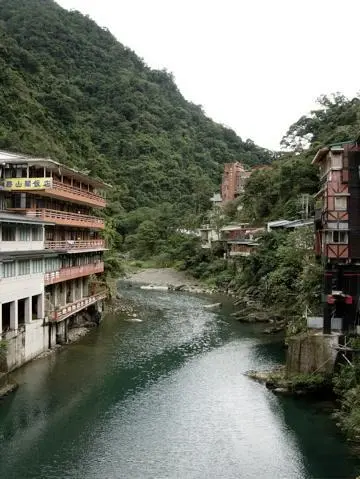
You step off the slow, clattering scenic train and the city’s pressure peels away. The air in Wulai tastes like moss and river stones; a steam-softened warmth hangs low where hot springs seep from the earth. Downriver, the main trail narrows and the Wulai Waterfall announces itself in a single, long roar—water scoring the rock face and throwing mist that dares you to come closer. This is the kind of place that rearranges your day: 27 kilometers from Taipei, but a small country apart.
Wulai is a layered place. At the most immediate level it’s a wilderness throat cut by a fast river and ringed by steep, green slopes. Walk a few minutes from the old street and you’ll find boardwalks and wooden bridges threading through fir and broadleaf canopy, trails that make the forest feel alive—branches that reach like hands, streams that push you forward. The area’s geology is blunt and theatrical: Taiwan’s active uplift produces narrow valleys, hard schist cliffs and vertical drops that give the falls their drama. Neidong (Neidong National Forest Recreation Area) sits upstream with its moss-furred walkways and smaller waterfalls, perfect for a restorative forest-bathe.
But Wulai is also a cultural place. The Atayal people, one of Taiwan’s largest indigenous groups, have lived in these valleys for generations. Wulai Old Street is not just a tourist strip: it’s a living storefront for Atayal craft, food and daily life. You’ll find roasted boar, millet wine, woven bags and carved wooden masks, and if you time it right there are dance demonstrations and folk performances that make the village feel less curated and more communal. A stop at the Wulai Forestry Living Museum helps stitch together the story of logging, river transport and the transition to conservation and cultural tourism that has shaped the valley over the last century.
How you mix the place is up to you. One easy loop for a half-day trip in Wulai starts with the scenic train ride into town, a slow passage along the river. From the station, the short walk to Wulai Waterfall is immediate—the main fall is steep and photogenic, accessed via tiered platforms. Give it forty-five minutes to an hour if you linger at the viewpoints. From there, Old Street is a logical next stop: grab a bite (roasted wild boar or sticky millet cakes) and shop the crafts. If you’ve got a little more time, take a taxi or guided tour up to Neidong National Forest Recreation Area for a mellow three-to-five kilometer loop of wooden boardwalks and smaller cascades, or book a local afternoon tour that includes a push-car ride, Swallow Lake and an aboriginal cultural show.
Practical edge: the terrain ranges from easy paved promenades to damp, rooted singletrack and stair-heavy viewpoints. Most visits don’t require technical gear, but sturdy shoes with good grip are essential—wet stones and stair runs are common. Bring cash for vendors on Old Street; many stalls don’t accept cards. And if you’re visiting in winter, pack a swimsuit—Wulai’s hot springs are a genuine draw and best enjoyed after hiking when muscles want to uncoil.
Timing matters. Spring brings cherry blossoms and a softer light that makes the valley glow; weekends fill with locals from Taipei. Winter shifts the focus to hot springs; the steam and scent of wet earth make the town feel like a natural spa. Rain can make trails slippery and the river loud; when the rains come, the falls are at their most theatrical but access can be restricted. Summer is lush and green but humid, with sudden showers; bring a breathable rain shell.
For people who want more than a turnstile visit, Neidong’s forest trails offer quieter water and the chance to watch Formosan butterflies and the wary Formosan rock macaque at a distance. Guided tours—private forest trail tours, aboriginal tribe afternoons, and combined waterfalls-and-old-street itineraries—add cultural context and smooth logistics if you’re short on Mandarin or time. They also tend to include local insights: where to catch the sunset light on the waterfall, which vendor makes the best millet wine, and how to respectfully observe a dance performance.
Respect is part of the itinerary. Wulai’s revival as a tourism hub has brought prosperity but also pressure—stay on trails, leave no trace, and ask before photographing people, particularly in cultural performance settings. Support local businesses and Indigenous-run operations when you can; it’s the most direct way to ensure the valley benefits from the influx of visitors.
If you want an uncomplicated half-day escape from Taipei that still feels like a full, restorative day away, Wulai is the right kind of dislocation: short transit, big atmosphere. The river will dare you forward and the forest will welcome you in, and you’ll leave with a clearer pulse and probably a bag of snacks to prove it.
Trail wisdom
Small choices, better day.
Arrive early to beat crowds
Weekend afternoons fill quickly—aim for first light or late morning to enjoy quieter trails and better photo light.
Bring slip-resistant shoes
Trails and stairways can be wet and slick near the waterfall and in the forest; shoes with good tread are essential.
Carry cash for Old Street vendors
Many food stalls and craft sellers are cash-preferred; small bills make transactions smoother.
Respect cultural spaces
Ask before photographing people or performances and follow guidance from local hosts during cultural shows.
Local knowledge
Read the place, not just the route.
Watch for native species including Formosan rock macaque (look from a distance), native butterflies and forest birds.
Keep an eye out for wildlife during the transition between areas and habitats. Respect distance guidelines.
Stay on marked trails, avoid single-use plastics, and support Indigenous-run enterprises to reduce tourism strain on the valley.
Follow the guide's instructions on size limits, ethical handling, and leave-no-trace practices.
Wulai Forestry Living Museum — concise exhibits about logging and cultural history. Neidong National Forest Recreation Area — quieter cascades and mossy boardwalks upstream
Locally recommended viewpoints and quiet spots known best to local operators.
Wulai has long been home to the Atayal people; logging once drove the valley’s economy before a shift toward conservation and cultural tourism.
Maritime roots and regional tradition shape the waterways and working coasts.
Seasonal guide
Four versions of the same landscape.
Spring
Best forcherry blossoms · waterfall viewing · forest walks
Challengescrowds on weekends · cool mornings
Spring brings cherry blossoms and mild temperatures—ideal for hiking and photography, but expect more visitors on weekends.
Summer
Best forlush greenery · butterfly watching · longer daylight
Challengesheat and humidity · afternoon showers
Summer’s dense green canopy is beautiful but prepare for humidity and sudden rain; pack a light rain shell.
Fall
Best forclear river views · cooler hikes · fewer tourists
Challengesvariable weather · shorter days
Fall is crisp and less crowded—great for hiking and hot-spring evenings as temperatures dip.
Winter
Best forhot springs · moodier waterfalls · off-season tranquility
Challengescooler temperatures · possible trail closures after storms
Winter draws hot-spring seekers; trails are quieter but bring layers for chilly mornings and evenings.
Pack with intention
What to bring.
Good to know
Common questions.
From Taipei, take the MRT to Xindian (Xindian Line) then transfer to the Green 849 or 849A bus, or book a direct tour; driving takes roughly 40–60 minutes depending on traffic.
Plan the edges
The details that make the day easier.
Wulai is one of the closest aboriginal villages to Taipei and is renowned for its Atayal cultural displays and hot springs—many tours highlight cherry blossoms in spring and hot-spring visits in winter.
Wulai’s culinary scene centers on Atayal flavors—roasted boar, wild greens and millet wine—and craftsmanship like woven bags and carved wood. Seek out Indigenous-run eateries and ask about the stories behind each dish.
- Distance
- ~27 km from Taipei; Time: 40–60 min by car; Access: MRT to Xindian + bus or guided tours; Essentials: cash, good shoes, swimwear for hot springs.
Support local businesses and Indigenous guides, avoid off-trail walking, pack out trash, and opt for small-group tours to minimize environmental impact.
Explore by topic
Follow the threads.
Keep exploring
Make the story part of the trip.
 Related story
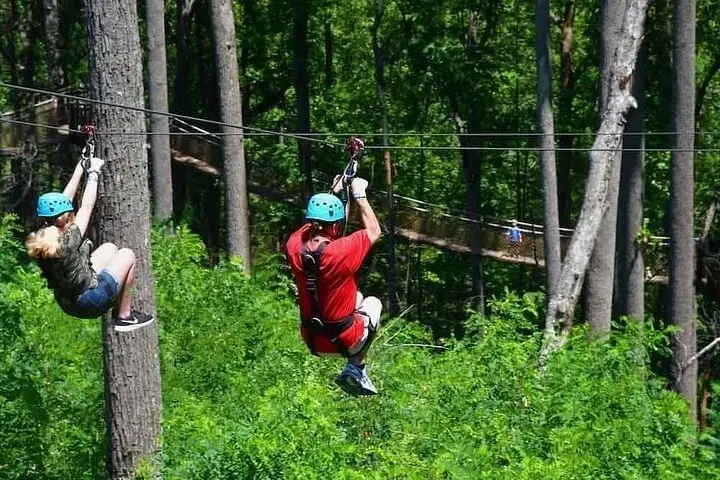
Less than two hours from Nairobi, Kereita Forest pairs hands-on canopy adventure with quiet montane trails and a sobering colonial history—perfect for families, teams, and curious travelers seeking a full-day pulse of nature.
 Related story
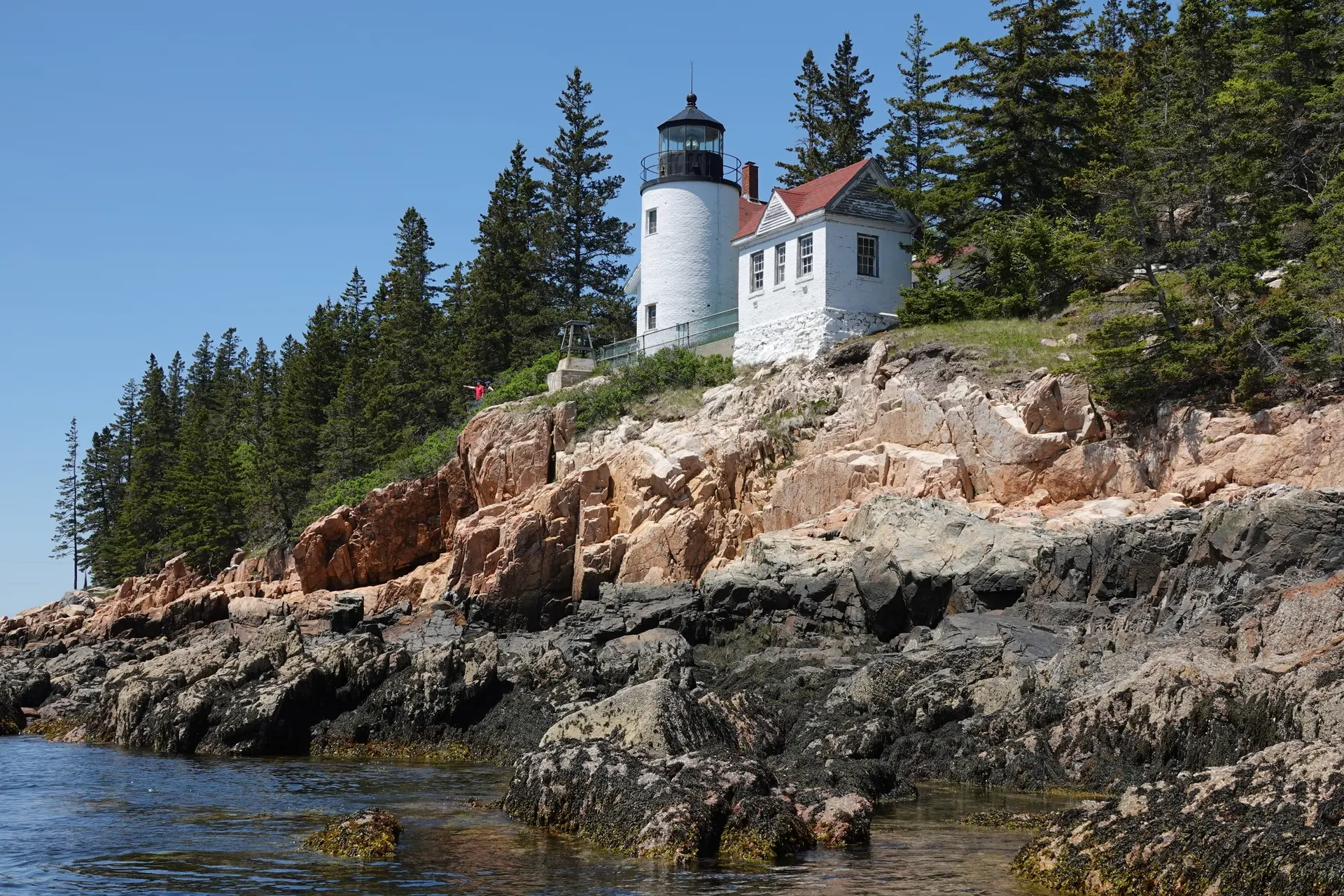
Set out from Bass Harbor for a private, customizable day on Blue Hill Bay — lighthouses, puffins, seals, and the chance to feel Acadia from the water. Small groups, local captains, unforgettable views.
 Related story
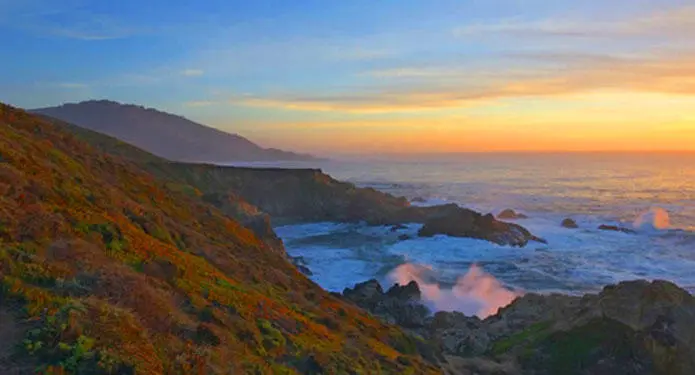
In four hours you can move from shaded canyon ferns to wind-scoured coastal ridgelines, guided by someone who knows where the light—and the hidden views—live. This private half-day hike on the Monterey Peninsula or Big Sur is compact, curated, and perfect for travelers who want depth without a multiday commitment.