About this landmark
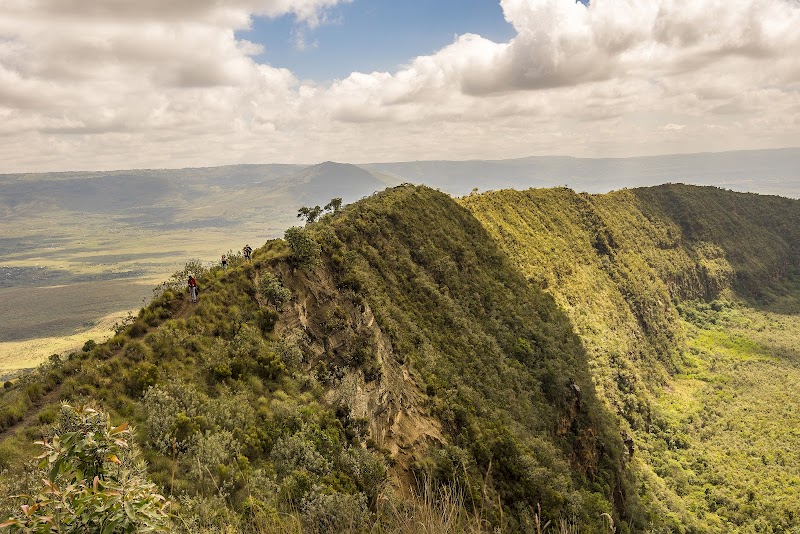
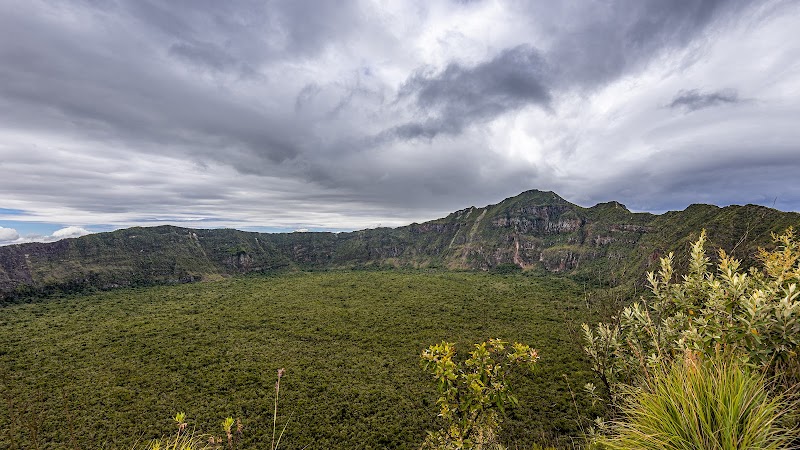
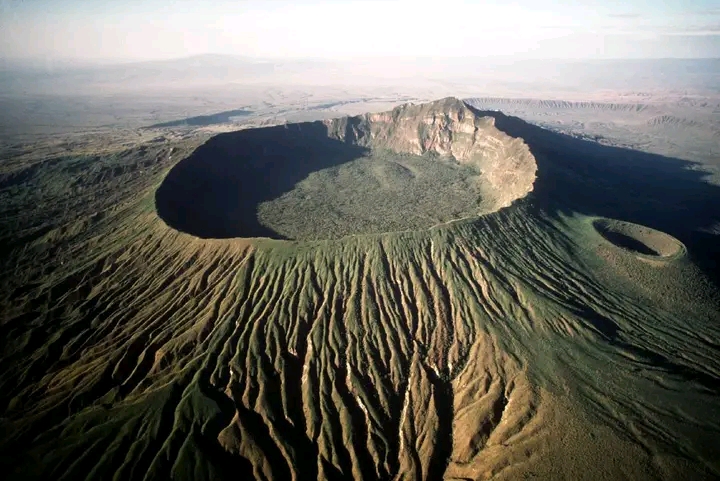
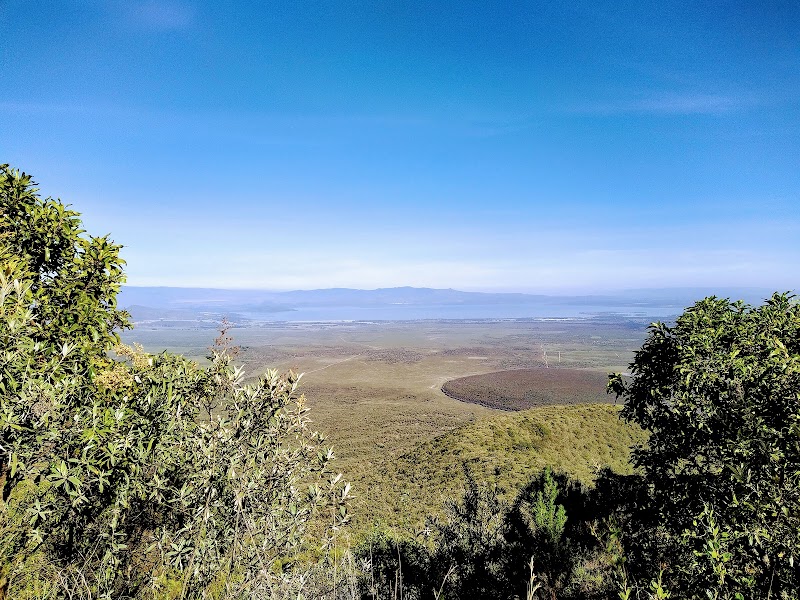
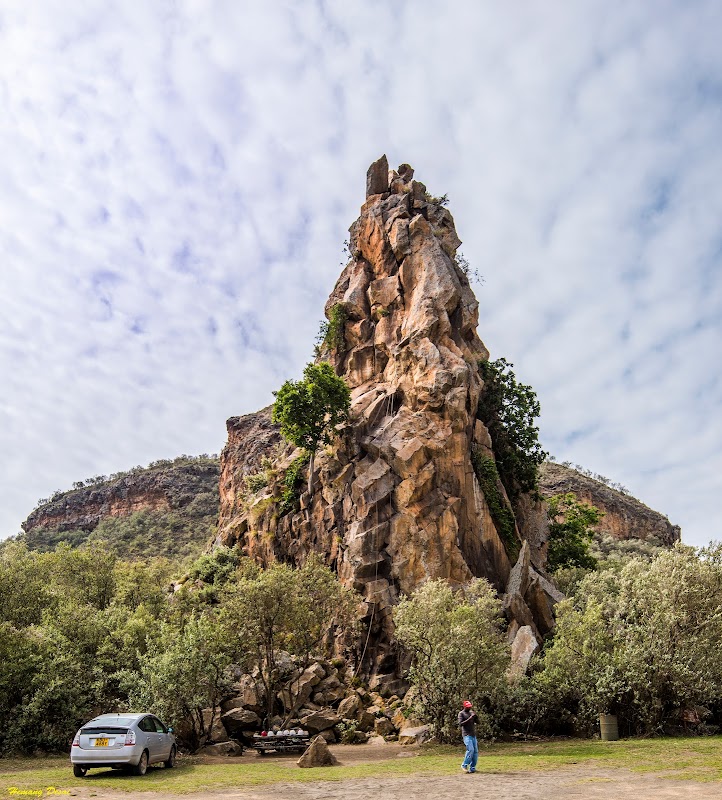
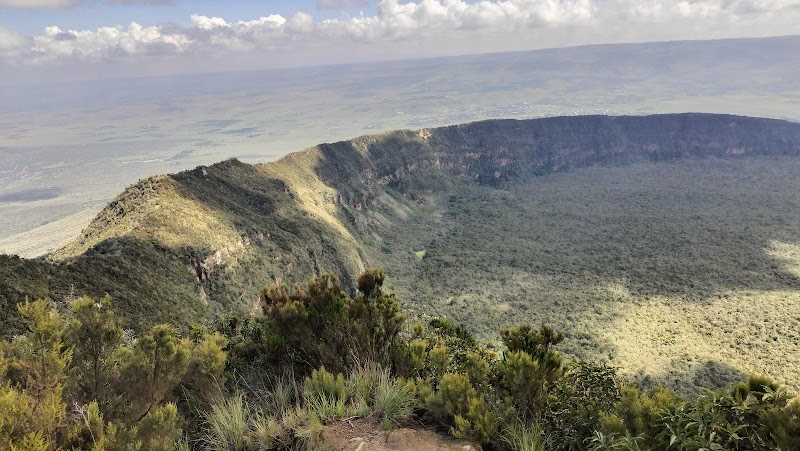
Located in Kenya's Great Rift Valley, Mount Longonot National Park is a striking destination for those seeking a taste of adventure and natural beauty. Just a short drive from Nairobi, the dormant stratovolcano of Mount Longonot stands as a key highlight. The crater rim offers panoramic views of the surrounding landscape, characterized by deep gorges and expansive plains. The park's diverse ecosystem hosts unique flora and fauna, including thick forests on the higher slopes and an abundance of wildlife such as giraffes, zebras, and buffalo.
Declared a national park in 1983, Mount Longonot is a remarkable feature of the East African Rift, a geological phenomenon that shapes the region. Visitors are captivated by the sense of wilderness and tranquility as they trek towards the crater's edge. The ascent might be challenging but is immensely rewarding, providing not only a sense of accomplishment but also breathtaking vistas.
This destination is special not only for its geological significance but also for the vibrant life it supports and the stunning views it offers. It's a must-visit for nature enthusiasts and those looking to experience the rugged charm of the Kenyan landscape.
Adventure Guide
Adventure Guide to Mount Longonot National Park
1. Crater Rim Hiking
- What Makes It Special: The hike to the crater rim provides astonishing views of the Great Rift Valley and Lake Naivasha.
- Key Features: Steep but navigable trails and a chance to walk around the crater.
- Local Insights: Longonot means 'Mountain of Many Spurs' or 'Steep Ridges' in Maasai.
- Visitor Tips:
- Best time: Early morning to avoid the midday heat.
- Bring: Comfortable hiking boots, water, and sunscreen.
- Directions: Approximately 90 minutes from Nairobi by car.
2. Wildlife Viewing
- What Makes It Special: Spotting magnificent wildlife amidst scenic backdrops.
- Key Features: Giraffes, zebras, and various bird species thrive in the park.
- Local Insights: The park supports a diverse ecosystem, offering a glimpse into the unique fauna of the region.
- Visitor Tips:
- Bring binoculars for better viewing.
- Visit during the dry season for more animal activity.
3. Camping
- What Makes It Special: Experience the park’s tranquility under a canopy of stars.
- Key Features: Campsites are available, allowing for an overnight stay close to nature.
- Local Insights: Enjoy a peaceful night with distant animal sounds.
- Visitor Tips:
- Ensure all camping gear is prepared for cooler nights.
- Follow park rules to preserve the natural environment.
Visitor Tips
- Best Times:Dry Season for favorable conditions and optimal lighting.
- What to Bring:Plenty of water, sun protection, a camera, and respectful Leave-No-Trace mindset.