
What the day feels like
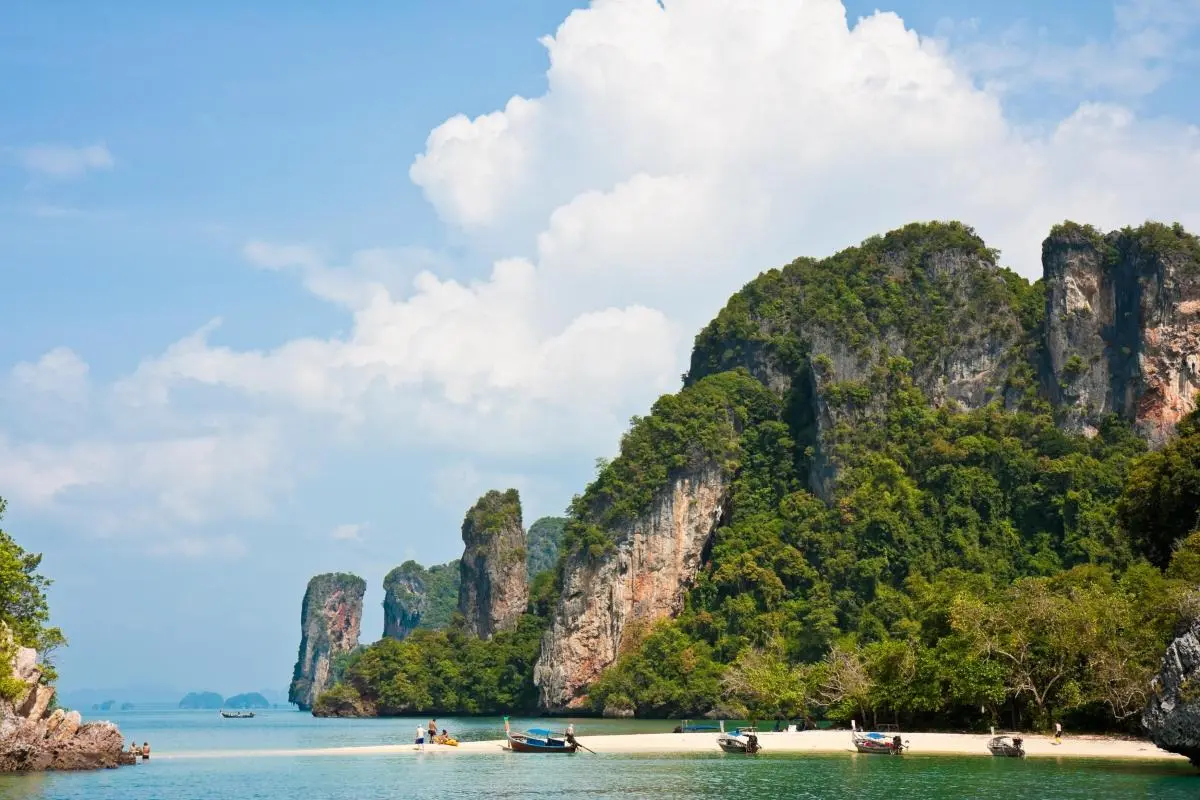
The first longtail slips out of the marina before sunrise and the bay receives you like an old friend — cool, briny air, a low mist that softens the limestone towers until they look like inked ghosts emerging from the Andaman Sea. Ao Phang Nga National Park is less an island and more a stanza of vertical rock: steep cliffs of karst limestone, jungle crowns, secret caves and mangrove canals threaded like combed hair across the water. You cut a wake, the cliffs watch, and the day becomes a series of small revelations—boat-maneuvered lagoons where the sea is glass, a floating Muslim village balanced on stilts, and the famous silhouette of Khao Phing Kan, the so-called James Bond Island, jutting from the bay like a storybook prop.
What draws travelers here is cinematic scenery and a variety of ways to move through it. Ao Phang Nga National Park is a patchwork of sea and sky carved by millions of years of erosion. The towers are fossilized reef and coral rock, uplifted and then sculpted by acidic rain and the sea into pinnacles, caves and narrow archways. In sheltered arms of the bay mangroves choke the shallows, their tangled roots holding nurseries for fish and shrimp; the tidal plays here are literal, exposing hidden beaches at low tide and turning passages into tranquil lagoons at high.
The park sits like a neighbor to Phuket — most boat tours leave from the island’s eastern piers — but it belongs to a different rhythm. Small operators run everything from longtail boat trips to private speedboat charters and power catamaran excursions; options in the park range from a six-hour James Bond Island and Khai Islands day trip to full-day itineraries that pair kayaking through Hong Island’s hidden caves with a floating-village lunch at Panyi.
History here is layered. Fishing communities have worked these waters for generations; they adapted architecture to the tides, building stilt houses and floating markets that still feel like solutions to the same, unchanged problem: how to live when the sea shapes everything. The relatively recent fame of Khao Phing Kan, a dramatic stack immortalized in the 1974 film The Man with the Golden Gun, drove a surge of visitors, prompting park managers and tour operators to develop etiquette and limited-access plans to shield fragile reefs and bird nesting sites from the crush of cameras.
This is also a hands-on landscape. Kayaking lets you thread sea caves and paddle mangrove canals at eye-level with birds and hidden pools; snorkeling reveals shallow reefs where angelfish and parrotfish graze soft coral. Tours to nearby Phi Phi and the Khai Islands, commonly paired with Ao Phang Nga itineraries, offer classic snorkeling stops and white-sand beaches if you want to combine karst drama with reef time. Note: some popular sites like Maya Bay on Phi Phi are seasonally closed for rehabilitation, so operators will route you to comparable lagoons when closures apply.
Practicalities are simple but important. Day tours commonly run 6–9 hours from pickup to return; speedboats shrink transit time while longtail boats give a more elemental, slower experience. Kayak circuits around Hong Island are typically 1–2 hours and range from relaxed to technical depending on tides and sea state. The park’s weather follows the Andaman pattern: best conditions in the cool, dry months from November through February, very hot in late spring, and monsoon-affected from May through October when seas can be choppy and some routes curtailed.
Prepare for sun, salt and short-term exposure. Reef-safe sunscreen, a light long-sleeve rashguard, water shoes and a dry bag transform a good day into a comfortable one. If you’re photographing, sunrise and late afternoon light are softer and the waters go glassy; midday delivers the clearest snorkeling visibility but also the biggest crowds. If you want quieter coves, book a private speedboat or an early departure and aim for tidal windows that carry you into hidden lagoons at high tide.
Conservation matters here. Guides now emphasize reef-respect briefings: no touching coral, no feeding fish, and mindful anchoring. Many operators include park fees and explain seasonal closures; a responsible route choice will balance iconic stops with lesser-visited bays so the experience feels generous without contributing to overuse. Support the local economy by buying a meal in Panyi Village or a handcrafted item sold by community groups here rather than from mass-market vendors on the mainland.
Why go? Ao Phang Nga is an environment that rewards curiosity and small decisions: the choice to paddle into a mangrove arm rather than circle an island; the quiet slot canyon where you can feel the stone; a lunch of grilled fish at a floating village that tastes like the place. For photographers it’s a lesson in scale; for families it’s a day of shallow snorkeling and easy kayak learning; for seasoned adventurers it’s a landscape to read — tides, wind, and the interplay of rock and water.
Getting there is straightforward: most Phuket hotels offer pickups tied to pier departures, or you can start from Phang Nga town for shorter water transits. Book with operators who include safety briefings, sanitized equipment and multilingual guides if needed. And leave time to sit on a quiet sandbar with a drink as the karsts push back to silhouette and the sea, patient and insistent, invites you to come again.
Trail wisdom
Small choices, better day.
Book an early departure
Morning departures offer calmer seas, softer light for photos and fewer tour boats at the park’s popular sites.
Choose reef-safe sunscreen
Protect coral by using only reef-safe sunscreen and reapplying in a shaded spot rather than in the water.
Pack a dry bag and water shoes
A 5–10L dry bag keeps electronics safe; water shoes give traction on wet limestone and rocky shorelines.
Confirm tide-dependent routes
Ask your operator about tide windows—some caves and lagoons only open at high tide and sea state affects kayak difficulty.
Local knowledge
Read the place, not just the route.
Watch for native species including White-bellied sea eagles, mangrove mudskippers and juvenile reef fish.
Keep an eye out for wildlife during the transition between areas and habitats. Respect distance guidelines.
Park regulations and seasonal closures aim to protect coral and nesting birds; operators emphasize no-touch reef policies and proper anchoring to reduce impact.
Follow the guide's instructions on size limits, ethical handling, and leave-no-trace practices.
Hong Island’s interior lagoons—accessible only by kayak at certain tides. Less-visited islets east of Khao Phing Kan where small coves offer solitude
Locally recommended viewpoints and quiet spots known best to local operators.
Local fishing communities and the floating village of Panyi reflect centuries of adaptation to tidal life; Khao Phing Kan rose to international fame after appearing in a 1974 film.
Maritime roots and regional tradition shape the waterways and working coasts.
Seasonal guide
Four versions of the same landscape.
Spring
Best forWarm sea temperatures · Good snorkeling visibility · Fewer rainy interruptions than monsoon peaks
ChallengesHot midday sun · Occasional pre-monsoon squalls later in season
Spring brings hot, clear days and warm water, making snorkeling excellent—bring sun protection and start early to avoid heat.
Summer
Best forLush green scenery · Lower accommodation rates · Off-peak crowd levels
ChallengesMonsoon rains and choppy seas · Some routes or tours suspended
Summer overlaps Thailand’s wet season; expect unpredictable rain and rougher seas, and check operator cancellations.
Fall
Best forQuieter bays in shoulder season · Good deals on private charters · Bird migration viewing
ChallengesHeavy rains possible through September and October · Reduced visibility for snorkeling
Fall can be wet but offers quiet conditions late in the season; tours resume as seas calm toward November.
Winter
Best forCalm seas and clear skies · Best snorkeling visibility · Comfortable daytime temperatures
ChallengesHigher visitor numbers and booked-out tours · Higher prices during peak travel months
Winter is the prime window for predictable weather, glassy water and the most reliable sea conditions for kayaking and island hopping.
Pack with intention
What to bring.
Good to know
Common questions.
Most day tours run 6–9 hours from hotel pickup to return; private charters can be shorter or customized.
Plan the edges
The details that make the day easier.
Ao Phang Nga National Park was designated a national park in 1981 and includes Khao Phing Kan, which became globally famous after the 1974 film The Man with the Golden Gun.
A visit to Ao Phang Nga pairs scenic exploration with local culture—don’t miss the floating village of Koh Panyee for a meal of fresh seafood and an example of community life adapted to tidal rhythms.
- Departure
- Phuket piers; Duration: 6–9 hours; Transport: speedboat, longtail or catamaran; Book: reserve in high season; Essentials: reef-safe sunscreen, water shoes, dry bag.
Choose operators that brief guests on reef etiquette, use mooring buoys rather than anchors, and support community-run services in Panyi Village to ensure revenue stays local.
Explore by topic
Follow the threads.
Keep exploring
Make the story part of the trip.
 Related story
Stand in City Hall Park and feel the city breathe around an 1812 Federal-style landmark. This is a walking experience that pairs architecture, history, and Lower Manhattan’s lived-in streets—ideal for curious travelers who love stories with their sidewalks.
 Related story
Step beyond Canal Street and into a dense, sensory world where food, language, and history overlap. This is Chinatown: compact, storied, and urgently alive. Learn how to move through it like a neighbor — and why every corner tells a story.
 Related story
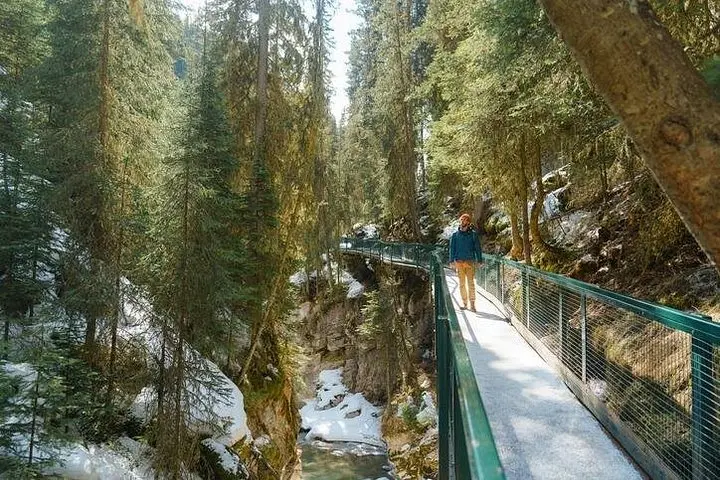
In eight efficient hours, experience the turquoise drama of Lake Louise and the cathedral-like icefalls of Johnston Canyon. This guided shuttle day trip from Banff/Canmore combines easy access, crisp winter scenery, and practical guidance for a high-reward Rockies outing.