
What the day feels like
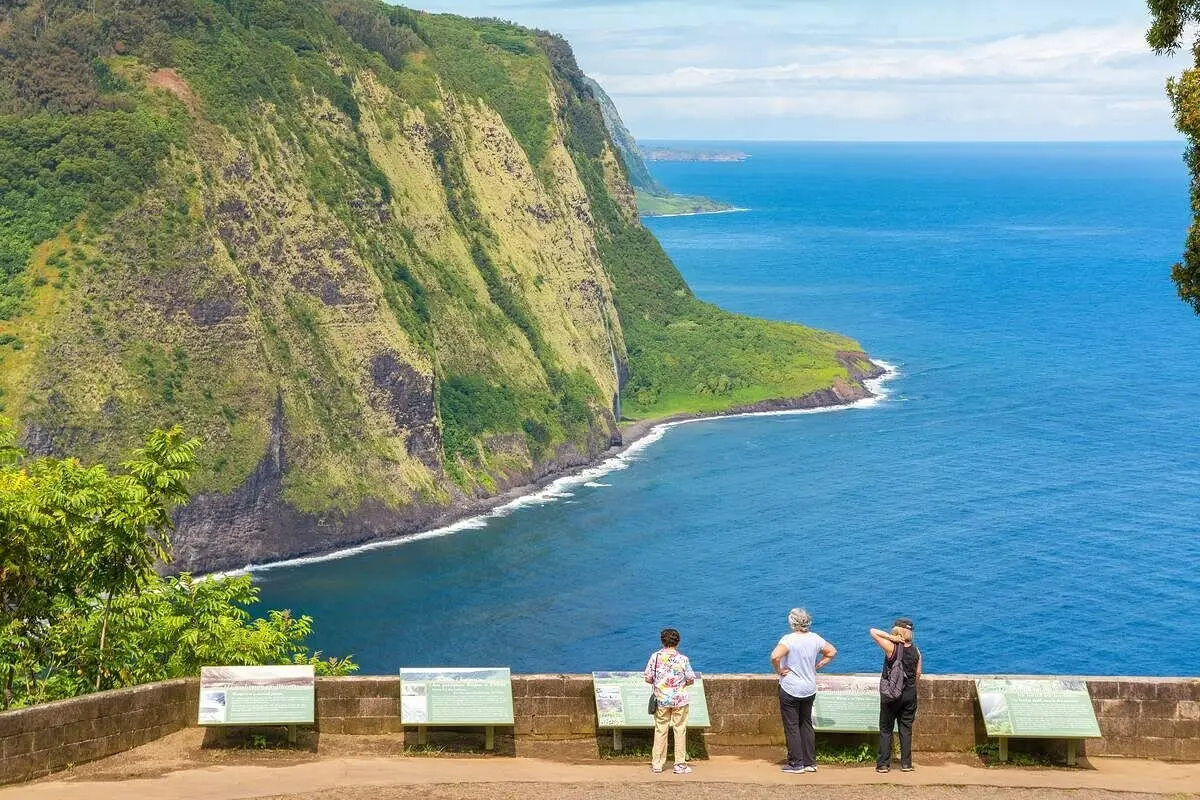
At the Waipio Valley lookout the island seems to fold inward: a horseshoe of emerald cliffs, a ribbon of black sand, and waterfalls that hesitate for a moment before dropping straight into mist. You feel the scale before you take a step—a vertical green wall that once hid chiefdoms, now shows braided streams and taro patches like a quilt. The wind here has an opinion; it carries salt and the damp smell of wet earth, and it pushes you forward as if daring you to descend into a place that still answers to old names.
Waipio’s story reads as much in stone as in chant. Known in Hawaiian as Puʻu o Waipiʻo, the valley was a seat of power in pre-contact Hawai‘i—often called the Valley of the Kings—where ali‘i (chiefs) maintained lo‘i kalo (taro terraces) fed by freshwater streams. Geologically, it’s a textbook of island processes: sea cliffs and a steep axial valley carved by streams, renewed by frequent rains and nourished by volcanic soils. Hi‘ilawe Falls, one of the valley’s signature cascades, plunges from the cliff rim—its name and presence a reminder of the valley’s mythic humidity and relentless motion.
What pulls travelers now is not only history but scale and contrast. From the lookout on the rim you can book into experiences that layer perspectives. On the ground, the Big Island Waterfalls Tour with Swimming and Botanical Garden and the Big Island Private Tour Waipio Valley Volcanoes Waterfalls center the valley in a broader island narrative—pairing rainforest hikes, botanical gardens, and black-sand beaches with the view from the Waipio lookout. From the air, the Hamakua Coast & Valleys Safari, Kohala Coast Volcano Waterfalls-90 Min Heli Tour (doors off or on), and Luxury Picnic Volcanoes & Waterfalls: Private Helicopter Tour give Waipio the sweep it deserves: long, thin waterfalls spooling down cliffs, sea fog clinging to coastal ridges, and the valley’s contour like a hand cupped against the Pacific.
On foot, descending Waipio Road is an exercise in humility. The lane drops steeply to the valley floor; it is undulations and mud in wet weather, and in dry spells a raw channel of packed earth and exposed roots. Once down, the valley opens into taro fields and a quiet that deadens the traffic on the rim. Walk the black-sand shoreline and you’ll find logs polished by surf, evidence of seasonal storms, and—if you’re lucky—the slow roll of Hawaiian green sea turtles at Richardson Ocean Park further east. If your aim is Hi‘ilawe, know it’s less a marked trail and more a route through the valley and up along streams; it can be wet, slippery, and route-finding intensive.
For a different vantage, helicopter tours turn the valley into a relief map—the ridgelines read like fingerprints against the ocean. The Kohala Coast Volcano Waterfalls flight ties Waipio’s waterfalls into a grander volcanic sequence: Mauna Loa’s flank, Mauna Kea’s summit, and coastlines shaped by lava and sea. The Luxury Picnic option transforms the panorama into a private ritual—champagne and Ka‘ū chocolates hovering somewhere between indulgence and reverence.
Practicality keeps the delight intact. Waipio Road requires caution: private vehicles should be capable 4WD and drivers comfortable with steep, narrow descents; many opt to park at the lookout and hire local guides or 4x4 shuttles. Cell service can be unreliable below the rim. There are no food vendors on the valley floor, and respect for private property and lo‘i is essential—stay on trails, don’t walk on taro patches, and ask before photographing people who live or work there.
Timing matters. Early morning or late afternoon brings softer light into the valley bowl; mid-day sun beats on the rim and sand. Winter and spring deliver the loudest waterfalls, but also the muddiest trails. If swimming is on the agenda—guided waterfall tours like the Big Island Waterfalls Tour with Swimming and Botanical Garden combine safe swimming spots with local botanical knowledge. For those who want context with their scenery, private full-day tours (Big Island Private Tour Waipio Valley Volcanoes Waterfalls) let you thread Waipio into stops at Akaka Falls, Rainbow Falls, and even Volcanoes National Park for a single, coordinated day.
A visit to Waipio is an exercise in layered respect: for natural forces, for residents, and for a landscape that’s still alive with old stories. If you’re planning to go, let the valley set your pace.
Getting there: The nearest base is Honokāa, a small town a short drive east with cafés, galleries, and a historic plantation feel. Most visitors drive from Hilo or Kona; factor in narrow coastal roads and slower transit. For aerial options, book in advance—doors-off flights fill quickly on clear days.
What to expect and how to prepare: wear grippy shoes, bring quick-dry clothing, and pack layers—the valley floor is cooler and damper than the rim. Carry reusable water, a rain shell, and waterproof phone protection. If you plan to descend Waipio Road in your vehicle, make sure it’s rated for steep-grade gravel, and have a backup plan to park and hike if conditions are bad.
Waipio remains one of the Big Island’s most direct encounters with Hawaiian landscape and history. It rewards patience: the sights are dramatic, but the texture of the valley—the sound of water, the resilience of lo‘i, the way the cliffs collect cloud—lingers after you leave. Whether by foot, by guided waterfall tour, or from the hush of a helicopter, Waipio obliges a small recalibration: that travel can be both an act of seeing and an act of listening.
Trail wisdom
Small choices, better day.
Drive or Park—Know Waipio Road
Waipio Road is extremely steep and often muddy; use a 4WD vehicle if you plan to drive down, otherwise park at the lookout and arrange a local shuttle or guide.
Mind the Taro
Taro terraces are cultural and agricultural sites—stay on designated paths and avoid walking through lo‘i under any circumstance.
Water Safety
If swimming near waterfalls or along the black-sand beach, watch for strong currents and sneaker waves; avoid swimming alone and heed local guidance.
Start Early for Light and Parking
Arrive at the lookout early to secure parking and catch softer light for photos and cooler conditions for descending into the valley.
Local knowledge
Read the place, not just the route.
Watch for native species including Hawaiian green sea turtle (honu), Native seabirds such as ‘iwa (frigatebird).
Keep an eye out for wildlife during the transition between areas and habitats. Respect distance guidelines.
Respect for lo‘i kalo and private farms is crucial; stick to trails, avoid disturbing taro patches, and support local guides and businesses to sustain community stewardship.
Follow the guide's instructions on size limits, ethical handling, and leave-no-trace practices.
Morning mist at the southern end of the black-sand beach—quiet and good for photography. Small roadside stands near Honokāa selling local sweet bread and taro-based snacks
Locally recommended viewpoints and quiet spots known best to local operators.
Waipio Valley was a major center of power and agriculture in ancient Hawai‘i, historically referred to as the Valley of the Kings where ali‘i maintained taro terraces and ceremonial sites.
Maritime roots and regional tradition shape the waterways and working coasts.
Seasonal guide
Four versions of the same landscape.
Spring
Best forfull waterfalls · lush valley hikes · wildflowers
Challengesmuddy trails · stream crossings · variable weather
Spring delivers the valley’s fullest waterfalls and the greenest taro terraces, but expect wet trails and occasional stream crossings.
Summer
Best forclear aerial views · beach walks · fewer storms
Challengeslower waterfall flow · hotter valley floor · sporadic vog (volcanic haze)
Summer offers clearer flying conditions and beach time, though falls can be reduced and the valley floor warms up.
Fall
Best forfewer crowds · dramatic light at golden hour · comfortable hikes
Challengesintermittent rain · shorter daylight
Fall is a quiet shoulder season—good light and pleasant hiking, with the chance of evening showers.
Winter
Best forbig waterfalls · dramatic surf · storm-washed landscapes
Challengesvery muddy trails · higher surf and dangerous currents · possible road closures
Winter brings the most dramatic water and surf but also the most hazardous trail and road conditions—plan accordingly.
Pack with intention
What to bring.
Good to know
Common questions.
Waipio Road is steep, uneven, and often muddy; 4WD is strongly recommended. Many visitors park at the lookout and use local 4x4 shuttles or guides.
Plan the edges
The details that make the day easier.
Waipio Valley is often called the 'Valley of the Kings' because it was a traditional seat of ancient Hawaiian chiefs and an important agricultural center for taro cultivation.
Honokāa’s plantation-era Main Street offers local bakeries, shave ice, and farmers’ markets where you can try poi, fresh banana bread, and meet guides who run Waipio shuttles.
- Nearest town
- Honokāa (15–20 min). Parking: limited at lookout—come early. Cell signal: unreliable below the rim. Access: 4WD recommended; guided shuttles available.
Support local guides, avoid stepping on taro lo‘i, pack out litter, and don’t remove sand or artifacts—these actions help protect Waipio’s cultural and ecological integrity.
Explore by topic
Follow the threads.
Keep exploring
Make the story part of the trip.
 Related story
Stand in City Hall Park and feel the city breathe around an 1812 Federal-style landmark. This is a walking experience that pairs architecture, history, and Lower Manhattan’s lived-in streets—ideal for curious travelers who love stories with their sidewalks.
 Related story
Step beyond Canal Street and into a dense, sensory world where food, language, and history overlap. This is Chinatown: compact, storied, and urgently alive. Learn how to move through it like a neighbor — and why every corner tells a story.
 Related story
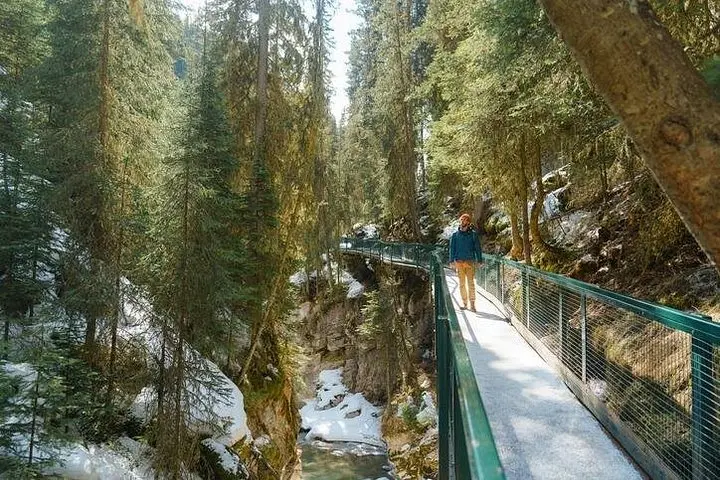
In eight efficient hours, experience the turquoise drama of Lake Louise and the cathedral-like icefalls of Johnston Canyon. This guided shuttle day trip from Banff/Canmore combines easy access, crisp winter scenery, and practical guidance for a high-reward Rockies outing.