
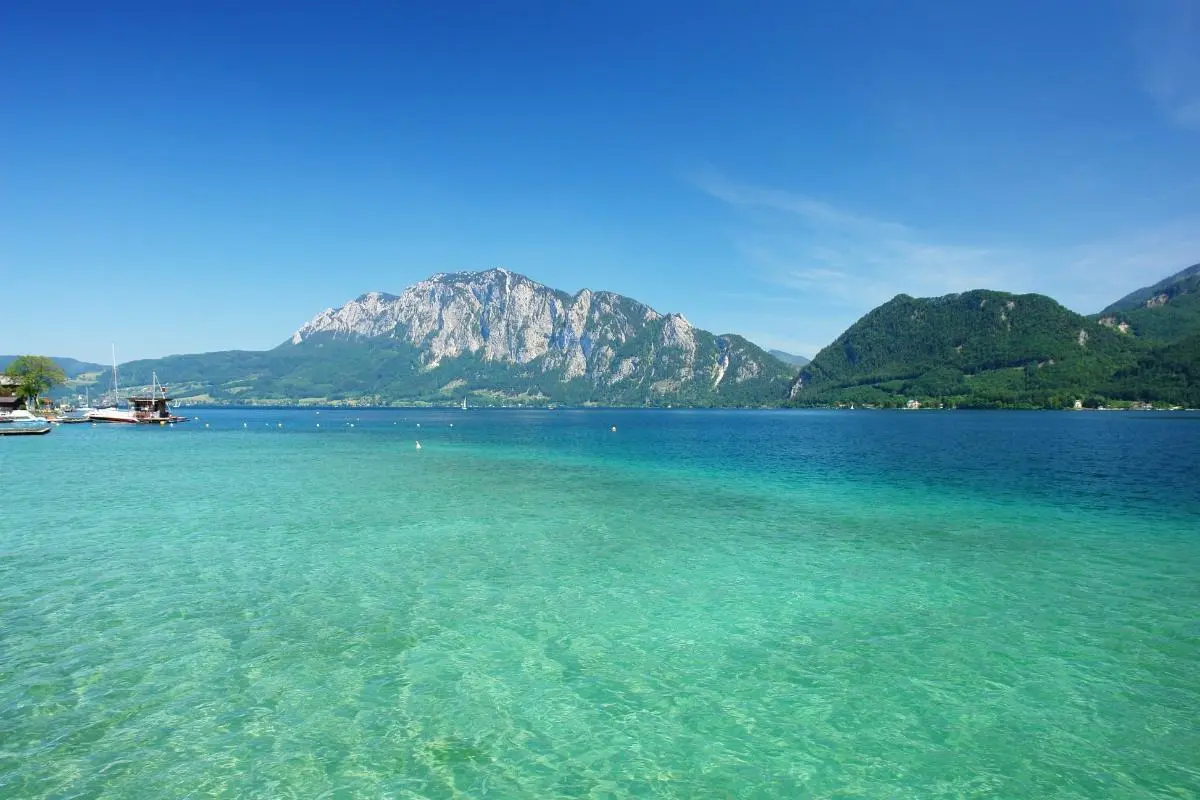
What the day feels like
A wind like a page-turner ruffles the surface of Lake Attersee as you step off the rickety wooden pier in the village of Attersee am Attersee. The water answers with a soft slap against your kayak hull; the mountains around the bay lift themselves deliberately—blue, and then green, and then rock-bare—as if assembling a backdrop for whatever you choose to do next. Boats purr past, their wakes momentary calligraphy across an expanse that, on clear days, frames itself in a near-perfect mirror of sky and shore.
Attersee is not flashy; it does not demand attention. It persuades you instead. Painters once came here and left behind canvas after canvas; Gustav Klimt found in these shores his palette of light. Local fishermen still cast lines from tiny wooden skiffs while cyclists loop the lake’s quiet roads. The place encourages an unhurried kind of motion—paddling, swimming, hiking, or simply sitting with a coffee and letting the lake decide the pace.
Geology and history have shaped Attersee’s character. The lake lies in the Salzkammergut, a karst-scored basin carved by ice and water, its floor plunging deep beneath the surface—Attersee is one of Austria’s deepest lakes. Settlements around the shore have traded salt, fish, and stories for centuries; the lake’s villages are pocketed with 18th- and 19th-century facades, steeples, and lakeside promenades that still feel lived in rather than staged for postcards.
Culture here is braided into the landscape. The Sound of Music tours and Mozart tours come through the same roadways that link lakes and towns, but Attersee retains a quieter identity than Mondsee or Hallstatt. It’s where Austrians go to swim in a way that feels unconcerned with international buzz—families, artists, and weekend sailors. Visitors who arrive on guided day trips from Vienna or Salzburg—many itineraries include Attersee as a scenic pause—often find they want to linger instead of reboarding the coach.
Outdoor options are straightforward and satisfying. Water is the axis of most adventures: rent a stand-up paddleboard or kayak and explore coves; join a boat charter for a slow cruise that emphasizes conversation over speed; or swim where the water is clear enough to see the pebbles shift below you. For land-based movement, a near-flat cycling loop around the lake offers an accessible 40–50 km day ride, broken into shorter sections if you prefer. Hikers can climb the nearby Gahberg ridge—short, steep sections reward with panoramic views over the entire basin—or follow quieter shoreline trails that move between farms, linden trees, and tiny guesthouses.
Practicalities matter. The best months run from late May through September when the water is warm enough for comfortable swims and most services are open. Expect water temperatures in summer to be refreshing rather than tropical; bring a wetsuit if you plan long swims early or late in the season. Footwear should be adaptable: riverside pebbles argue for sandals with grip, while forested trails appreciate low-cut hiking shoes with some ankle support. If you're paddling, a waterproof phone case and a small dry bag for snacks and a wind layer will make half-day outings more pleasant.
The lake also invites low-key learning: chat with a local captain about fishing practices and what’s biting; peek into the painted histories at small parish churches; ask which coves were favorite subjects for Klimt. Many guided tours—small-group day trips from Vienna or private drives between Salzburg and the lake—pack in Hallstatt and Mondsee as well; use those visits as a primer, then plan a return to spend longer at Attersee itself.
Safety and etiquette are simple: keep distance from swimmers when boating, respect private shores, and follow local signage for protected areas. Austrian lakes can be deceptively cold below the sun-warmed surface; if you’re not a strong swimmer, stick to supervised beaches or join a guided boat. For overnight stays, small guesthouses and family-run pensions are the norm—book early in summer.
If you want an active day: launch early and paddle a quiet bay, stop for pastries at a lakeside bakery, then ride a bicycle section along the shore to a hilltop viewpoint for late-afternoon light. If you want slow and contemplative: choose a bench, watch the alpine glow move across the water, and plan the next trip.
Lake Attersee is an invitation to measure time by light and movement rather than by schedules. It rewards modest curiosity: follow a shoreline trail, take off your shoes, get in the water, and notice how the lake returns the favor—cooling you, reflecting you, and leaving something slow and steady behind that you’ll find yourself missing when you return to the road.
Trail wisdom
Small choices, better day.
Start early for calm water
Wind picks up in the afternoon; launch kayaks or stand-up paddleboards before 9 AM for mirror-flat conditions and better visibility in the water.
Layer for alpine microclimate
Even summer mornings can be cool on the water—pack a lightweight wind layer you can stow in a dry bag.
Respect private shores
Many coves and boathouses are private—anchor only at designated public areas and use marked beaches for entry.
Hydrate and snack on the move
Shoreline services are sporadic between villages; bring electrolyte water and high-calorie snacks for longer loops.
Local knowledge
Read the place, not just the route.
Watch for native species including Common merganser (goosander), European otter (occasionally spotted at dawn).
Keep an eye out for wildlife during the transition between areas and habitats. Respect distance guidelines.
Local groups monitor water quality and regulate shoreline development; visitors are asked to avoid single-use plastics and to use marked access points to protect fragile littoral habitats.
Follow the guide's instructions on size limits, ethical handling, and leave-no-trace practices.
The quiet cove near Unterach for clear-water swims away from main beaches. Local guesthouse terraces that serve afternoon kaiserschmarrn with lake views
Locally recommended viewpoints and quiet spots known best to local operators.
The Salzkammergut region was shaped by salt trade and alpine agriculture; Attersee’s shoreline villages grew as fishing and salt-transport hubs in the 18th and 19th centuries.
Maritime roots and regional tradition shape the waterways and working coasts.
Seasonal guide
Four versions of the same landscape.
Spring
Best forWildflower walks · Quiet paddles · Photography of melting snow lines
ChallengesCool water temperatures · Unpredictable weather
Late spring brings blooming meadows and fewer crowds, but the water is still cold and boat services may run limited hours.
Summer
Best forSwimming and boating · Cycling the lake loop · Outdoor festivals and markets
ChallengesHigher visitor numbers · Occasional afternoon winds
Summer is peak season—warmest water and full services, but plan early starts to avoid afternoon breeze and crowds.
Fall
Best forHiking with autumn color · Photography · Quiet cultural visits
ChallengesShorter daylight hours · Some services close for the season
Fall’s light is crisp and the tourist traffic thins—ideal for hiking and photography, with cool evenings.
Winter
Best forSnow-dusted views · Nearby alpine skiing · Peaceful off-season stays
ChallengesCold water—no swimming · Reduced water activity services
Winter turns Attersee into a dramatic, still landscape—great for scenic drives and nearby skiing but not for water recreation.
Pack with intention
What to bring.
Good to know
Common questions.
Attersee is one of the largest and deepest lakes in Austria, with a surface area of approximately 46 km² and a maximum depth around 169 meters.
Plan the edges
The details that make the day easier.
Gustav Klimt painted several landscapes around Lake Attersee between 1900 and 1916; the light and color of the lake inspired numerous works now celebrated in Austrian collections.
Taste regional trout at family-run Gasthäuser, sample apricot schnapps from nearby orchards, and look for lakeside music evenings where locals gather for simple, convivial concerts.
- Nearest major hubs
- Salzburg (45–60 min drive), Vienna (3 hr+ drive). Public transport connects villages but is less frequent in shoulder seasons; book rentals and guesthouses in July–August.
Choose non-motorized activities when possible, use marked public access points, avoid anchoring in protected littoral zones, and patronize locally owned guesthouses to support the lake’s year-round economy.
Explore by topic
Follow the threads.
Keep exploring
Make the story part of the trip.
 Related story
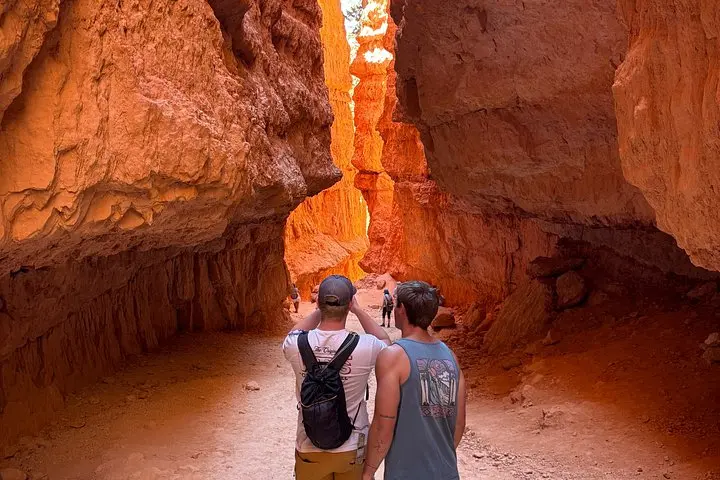
A guided sunrise hike down the Navajo Loop turns Bryce Canyon’s hoodoos from postcard scenery into an intimate geology lesson. Three miles, expert narration, and unforgettable light—this tour is the quickest way to understand how ice, time, and wind carved a city of stone.
 Related story
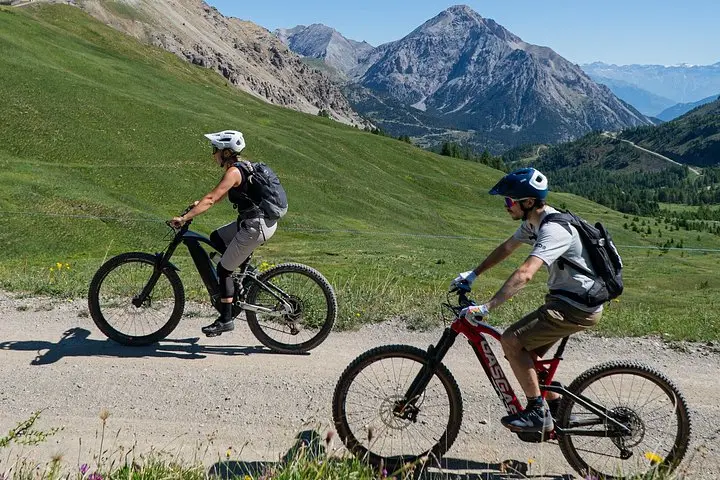
A three-hour guided mountain-bike tour that threads alpine lakes, Roman passes and timbered ridges on the Italy–France border—perfect for riders who want a scenic, accessible taste of high-Alpine adventure.
 Related story
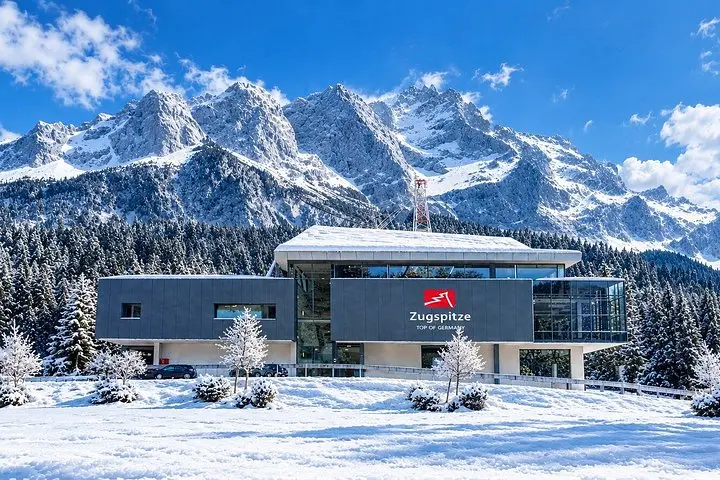
A single-day private tour from Munich that moves from Zugspitze’s wind-scoured summit to the glassy shores of Eibsee, across Austria’s Highline179 suspension bridge, and finishes beneath the turrets of Neuschwanstein. Efficient, scenic, and full of photo moments—here’s how to make the most of it.