
What the day feels like
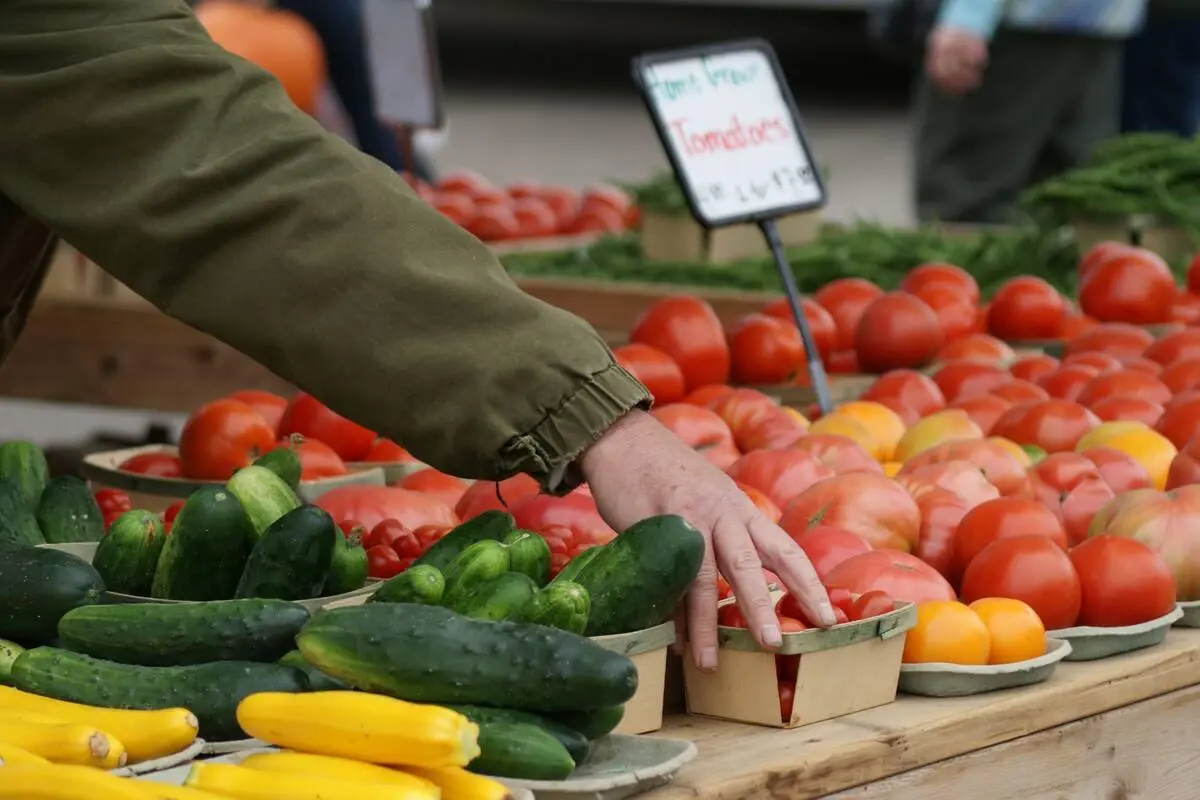
By the time the first light hits downtown Dallas, the market shifts from a sleepy collection of concrete and brick into a humming, fragrant stage. Vendors raise awnings, ice clinks in coolers, and the air fills with the citrus sharpness of Texas grapefruit, the earth-sweet scent of new-season tomatoes, and coffee so strong it seemed to wake the city itself. This is Dallas Farmers Market—an honest, walkable hub where city rhythms and regional agriculture meet. Whether you arrive on foot after a nearby museum visit, roll in on an e-scooter, or glide past on a hop-on hop-off trolley, the market feels like the place Dallas shows you when it’s trying to be itself: practical, tasty, and a bit proud.
The market sits at the edge of downtown, within easy reach of the Arts District and Klyde Warren Park. It’s not a sanitized tourist experience; it's the kind of market where you’ll see chefs collecting last-minute herbs beside office workers picking up a week's worth of greens. The laid-back charisma here is part of its appeal. Stalls are clustered under a large open-air shed and in an adjacent indoor hall, splitting the difference between year-round reliability and the breezy seasonal energy of open markets.
Dallas’ history is writ in its streets: oil money, rail lines, and a stubborn ambition to grow big and fast. The Farmers Market is part of that civic story—an urban marketplace that’s evolved as the city’s neighborhoods have densified and diversified. Recent decades have layered new culinary ventures and small-batch producers onto a backbone of long-standing growers. The result is a market that reads like a neighborhood biography: old-school produce tables next to modern bakeries, Mexican tortillerias alongside craft coffee bars.
Geology matters here in small ways: the soils of North Texas favor hearty greens, onions, and root vegetables in cool seasons and heat-loving peppers and squash when the mercury climbs. That seasonality is at the core of the market’s rhythm. Vendors bring what’s thriving now, which keeps the experience one part treasure hunt and one part dependable utility. Local chefs prize the place for that reason; the market is where menus often pivot according to what’s been picked that morning.
For travelers, the market doubles as a short urban adventure. It’s an easy half-day detour from better-known Dallas sites—Dealey Plaza, the JFK Memorial, and the Arts District are all within a guided tour or a short ride. Multiple local operators include the market on e-scooter tours and open-air Cruizer excursions; hop-on hop-off trolleys drop near the market too, making it a natural stop on a condensed city itinerary. These options are useful if you want to stitch the market into a broader city exploration without losing time to parking and logistics.
When you get there, let the market dictate the pace. Start with a slow sweep of the stalls—notice the proximity between farmers and the people who buy from them; exchange a few questions about varieties and you’ll learn more about local growing cycles than any brochure can teach. Pull a seat at a counter for a fresh-made taco or try a sample of artisan cheese. If you’re shopping to cook, vendors will often recommend complementary items and how long things will keep; they’re used to city buyers who don’t have a root cellar, and their advice is practical.
Practicalities matter: mornings are best for the full produce spread and the most vendor variety. Weekends are lively—more food trucks and families—but if you value lower crowds and better selections, aim for a weekday morning. The market is largely flat and stroller- and wheelchair-friendly in its main corridors, but bring comfortable shoes: you’ll do more walking than you expect. Cash is still handy for smaller vendors, though most accept cards; bring a reusable bag for groceries and a small cooler if you plan to take fragile items home.
Safety and comfort are straightforward. Dallas sun can be unforgiving in summer; a hat, sunscreen, and water will keep the experience pleasant. In cooler months, the indoor market building offers warmth and a concentrated set of vendors, while the shed still hums with baked goods and preserves. Many visitors build a market stop into a morning that includes a nearby museum or a guided e-scooter tour—there’s an easy flow between curated city sightseeing and the unscripted pleasures of the market.
Why go? Because the Dallas Farmers Market provides a grounded look at the city that’s both local and accessible. It’s where you taste the produce patterns of North Texas, meet people shaping the city’s food scene, and nestle into a morning that’s part chore and part delight. For travelers who want to feel the daily life of a place—who prefer a bowl of local peaches over another landmark selfie—the market is one of the best small investments of time in Dallas.
Plan to spend 60–120 minutes if you’re sampling and shopping, more if you linger over coffee and conversation. Pair a market visit with an e-scooter or Cruizer tour to cover other downtown highlights without backtracking. And bring curiosity: ask where that heirloom tomato came from, why that bakery uses a particular flour, or what folks cook with the hot peppers on the table. Those answers are the market’s most useful export—local knowledge that will follow you through your stay and into your kitchen later on.
Trail wisdom
Small choices, better day.
Go early for the best picks
Arrive in the first two hours after opening to find the widest selection of produce and the least crowded aisles.
Bring a cooler or insulated tote
If you’re buying delicate items (cheese, seafood, cut herbs), a small cooler will keep them fresh while you continue exploring.
Carry small bills
Most vendors accept cards, but smaller stands may prefer cash for quick transactions and change.
Combine with a downtown tour
Book an e-scooter or open-air Cruizer tour that includes the market to cover more ground without parking hassles.
Local knowledge
Read the place, not just the route.
Watch for native species including Urban songbirds (mockingbirds, sparrows), Squirrels in adjacent green spaces.
Keep an eye out for wildlife during the transition between areas and habitats. Respect distance guidelines.
Many vendors focus on seasonal, locally grown produce which reduces food miles; bring reusable bags and buy what you’ll use to minimize waste.
Follow the guide's instructions on size limits, ethical handling, and leave-no-trace practices.
The Shed’s early weekday stalls often have rarer seasonal picks and allow for quieter conversations with growers.. Nearby indoor market hall vendors rotate daily—look for a rotating bakery or specialty jam maker behind the main row.
Locally recommended viewpoints and quiet spots known best to local operators.
The Dallas Farmers Market has long been a central urban marketplace connecting North Texas growers with city shoppers; its current configuration mixes an open-air shed with an indoor market hall.
Maritime roots and regional tradition shape the waterways and working coasts.
Seasonal guide
Four versions of the same landscape.
Spring
Best forfresh greens · farm-to-table dining · mild weather
Challengesafternoon showers · variable vendor schedules
Spring brings abundant greens and herbs; mornings are crisp and ideal for wandering the sheds and stalls.
Summer
Best fortomatoes and peppers · early-morning markets · cold beverages
Challengesheat and humidity · shorter vendor stock windows
Summer offers heat-loving produce—visit early to beat the sun and enjoy cool, refreshing street food.
Fall
Best forsquashes and pumpkins · hearty root vegetables · farm-to-chef events
Challengesweekend crowds for festivals · shorter daylight hours
Fall is peak flavor season, with robust vegetables and a lively weekend atmosphere for special vendors.
Winter
Best forroot vegetables · indoor vendor stalls · holiday specialty items
Challengesreduced outdoor stall count · chillier mornings
Winter shifts activity indoors—fewer outdoor stalls but reliable offerings from indoor merchants and bakeries.
Pack with intention
What to bring.
Good to know
Common questions.
Hours vary by vendor and season; many vendors open early in the morning—plan for a morning visit and check the market’s official site or social channels for current hours.
Plan the edges
The details that make the day easier.
The Dallas Farmers Market includes a large open-air 'Shed' and an adjacent indoor market hall that together support year-round vendors and seasonal farmers.
The market reflects Dallas’ culinary blend—Tex-Mex staples, barbecue-influenced vendors, and contemporary bakeries coexist, making it a perfect stop for sampling regional flavors.
- Best time
- weekday mornings; parking: nearby lots or public transit; expected visit: 1–2 hours; accessibility: mostly flat and stroller-friendly.
Support local growers to reduce food miles, bring reusable bags, and buy only what you’ll use; many vendors use minimal packaging and seasonal sourcing.
Explore by topic
Follow the threads.
Keep exploring
Make the story part of the trip.
 Related story
Stand in City Hall Park and feel the city breathe around an 1812 Federal-style landmark. This is a walking experience that pairs architecture, history, and Lower Manhattan’s lived-in streets—ideal for curious travelers who love stories with their sidewalks.
 Related story
Step beyond Canal Street and into a dense, sensory world where food, language, and history overlap. This is Chinatown: compact, storied, and urgently alive. Learn how to move through it like a neighbor — and why every corner tells a story.
 Related story
In eight efficient hours, experience the turquoise drama of Lake Louise and the cathedral-like icefalls of Johnston Canyon. This guided shuttle day trip from Banff/Canmore combines easy access, crisp winter scenery, and practical guidance for a high-reward Rockies outing.