
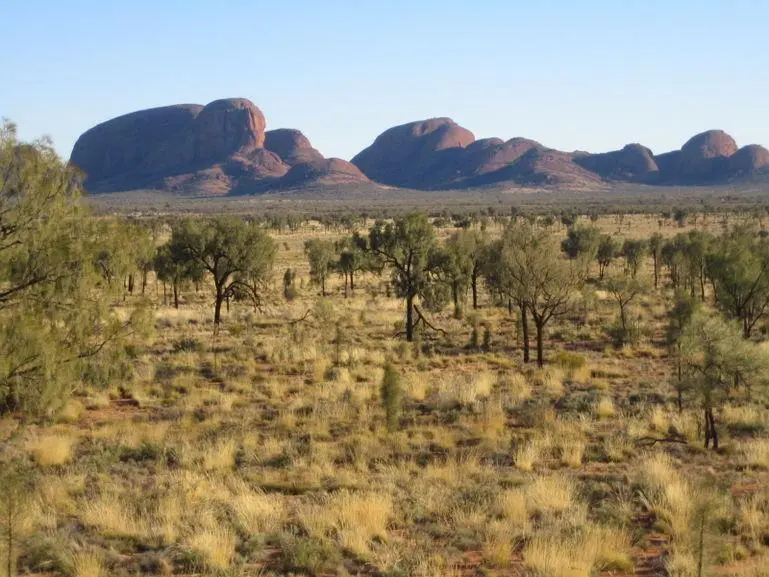
What the day feels like
At first light the rock is a tight, smoldering ember on the flat saltbush plain — a shape both impossibly monolithic and intimately familiar. You stand at the viewing platform, coffee cooling in your hand, and watch Uluru change like a slow-turning film: rust to orange, orange to a burnished purple. The air is dry and cool; the horizon is a precise line. This is a place that keeps its secrets and offers rewards to those who move with patience rather than speed.
Uluru-Kata Tjuta National Park is a compact, elemental landscape in Australia’s Red Centre where geology, culture, and weathered solitude meet. Uluru (Ayers Rock) and Kata Tjuta (the Olgas) rise from the plain not as solitary curiosities but as the physical anchors of a landscape shaped by time: Uluru’s iron-rich sandstone stands 348 meters above the plain with a circumference of about 9.4 kilometers, while Kata Tjuta is a cluster of domed rock formations cut by narrow gorges. The park’s story is as much human as it is geological — Anangu people have been the custodians of these places for millennia, and their cultural narratives and land management practices are woven through trails, rock art, and interpretive walks.
Walking here is the best way to understand scale and reverence. The Uluru Base Walk is a roughly 10.6-kilometer loop that keeps you close to the rock’s variegated skin: lichens, waterholes, cave paintings, and stalwart ghost gums. It’s not a technical hike — the path is well-marked and mostly flat — but it invites a slower gait and deliberate attention. At Kata Tjuta, the Valley of the Winds trail (the full circuit is about 7.4 kilometers) cuts through wind-carved domes, delivering sudden drops in temperature and vistas that expand like breath; the trail climbs and descends sections that demand sure footing and steady legs.
Cultural context is essential here. Uluru is a living cultural landscape for the Anangu people. Since the handback of the land in 1985, the park has been jointly managed by Anangu and Parks Australia, and there’s a clear expectation of respect: some sites are off limits to photography, and climbing Uluru has been permanently closed. Guided Anangu walks and ranger-led Mala Walks offer more than surface facts — they provide the stories, the law (Tjukurpa), and the relational frame that connects people to country.
Practical planning matters in the Outback. Weather swings hard: winter mornings (June–August) are crisp and perfect for long walks; summer days can be dangerously hot and storm-prone. The park requires an entry pass (available online or at the park), and most visitors base themselves in Yulara (Ayers Rock Resort) about 10–15 minutes’ drive from the park boundary. Sunrise and sunset viewing areas are busy; arrive early for the best light and a quieter experience.
How to choose your experiences: if you want the classic intimacy with Uluru, commit to the Base Walk at sunrise and take the afternoon to visit the cultural centre and join an Anangu-led talk. For dramatic topography and more strenuous hiking, head to Kata Tjuta’s Valley of the Winds — aim for the morning to avoid heat and to catch the light slanting across the domes. If you prefer a different perspective, consider a helicopter flight or a small-plane aerial tour to feel the scale from above; for an unforgettable night, book the Field of Light installation or a stargazing session to see a sky so bright with stars it rewrites how you think about distance.
Safety and comfort are straightforward but non-negotiable. Carry at least 2–3 liters of water per person for any multi-hour walk, wear sunproof clothing and a wide-brim hat, and keep to marked trails. Footwear should be sturdy—trail runners suffice for the Base Walk, but hiking shoes are better for the rougher terrain at Kata Tjuta. Mobile reception is patchy; download maps and park information before you go. Respect wildlife from a distance — you may see red kangaroos at dawn or perentie monitors basking on rocks.
Beyond the walks, the park’s quieter offerings are worth seeking. Early-evening cultural tours can include dot-painting workshops and explanations of bush foods. Photography opportunities are plentiful but require restraint: some places and stories are not for public capture out of respect for cultural protocols. And while Uluru’s silhouette is the obvious star, spending time at smaller waterholes, caves, and rock art sites rewards the walker with human-scale narratives.
For the practical traveler: plan at least two days here. Sunrise at Uluru, a midday rest back in Yulara, and an afternoon hike at Kata Tjuta is a comfortable rhythm. Book guided cultural experiences in advance, and if you’re visiting in peak season (winter), reserve viewing platform parking early in the morning.
Uluru-Kata Tjuta isn’t a place to rush. Its value is found in measured steps, attentive listening, and the willingness to see a landscape as both a natural wonder and a living cultural archive. When you walk the base, you’ll feel the rock’s patient presence and understand why this place draws travelers who want their adventures to be both wide-open and deeply grounded.
Trail wisdom
Small choices, better day.
Start at sunrise
Begin the Uluru Base Walk before first light to avoid heat and to catch dramatic color shifts on the rock.
Bring 2–3L water
Carry ample water per person for multi-hour hikes, especially at Kata Tjuta where shade is sparse.
Respect cultural requests
Observe signage and ranger guidance; some sites are culturally sensitive and photography may be restricted.
Leave no trace
Stick to marked paths, take all rubbish with you, and avoid removing rocks or plant materials.
Local knowledge
Read the place, not just the route.
Watch for native species including Red kangaroo, Perentie (monitor lizard).
Keep an eye out for wildlife during the transition between areas and habitats. Respect distance guidelines.
The park operates under a joint management plan that balances visitor access with Indigenous cultural protocols; entry fees support conservation and cultural programs.
Follow the guide's instructions on size limits, ethical handling, and leave-no-trace practices.
Kuniya Walk to Mutitjulu Waterhole — an intimate site with rock art and seasonal water. Walpa Gorge at Kata Tjuta — less crowded, dramatic rock-walled corridor
Locally recommended viewpoints and quiet spots known best to local operators.
Anangu have maintained connections to Uluru and Kata Tjuta for tens of thousands of years; the land was returned to Anangu in 1985 and is jointly managed with Parks Australia.
Maritime roots and regional tradition shape the waterways and working coasts.
Seasonal guide
Four versions of the same landscape.
Spring
Best forWildflower displays · Comfortable hiking · Clear skies
ChallengesOccasional dust storms · Temperature swings
September–November brings wildflowers and warming days; mornings are cool and hikes are pleasant, but be ready for sudden windy conditions.
Summer
Best forLong daylight for early starts · Less crowded dawn views · Night sky
ChallengesExtreme heat · Thunderstorms and flash flooding
December–February can be very hot; plan only early-morning walks and be prepared to shelter during midday storms.
Fall
Best forStable weather · Clear air for photography · Comfortable daytime temps
ChallengesCool nights · Higher visitor numbers
March–May is an excellent shoulder season with clear skies and manageable temperatures; evenings begin to cool noticeably.
Winter
Best forCrisp mornings and sunsets · All-day hiking · Stargazing
ChallengesCold mornings and nights · Busy viewing platforms
June–August is peak visiting season for good walking weather and excellent light, but arrive early to beat crowds at sunrise.
Pack with intention
What to bring.
Good to know
Common questions.
No — climbing Uluru has been permanently closed out of respect for Anangu cultural beliefs; visitors are asked to honor the site by not attempting to climb.
Plan the edges
The details that make the day easier.
Uluru is listed on the UNESCO World Heritage List for its cultural and natural values and its base measures approximately 9.4 kilometers in circumference.
Taste bush flavors at local eateries in Yulara, explore Anangu art at the Cultural Centre, and sample camel-bred products; local artists sell traditional and contemporary works tied to Tjukurpa.
- Nearest accommodation
- Yulara (~15 min drive). Park pass required. Best light at sunrise
Support Anangu-led experiences, stay on marked trails, pack out waste, and avoid buying products that exploit Indigenous imagery without proper provenance.
Explore by topic
Follow the threads.
Keep exploring
Make the story part of the trip.
 Related story
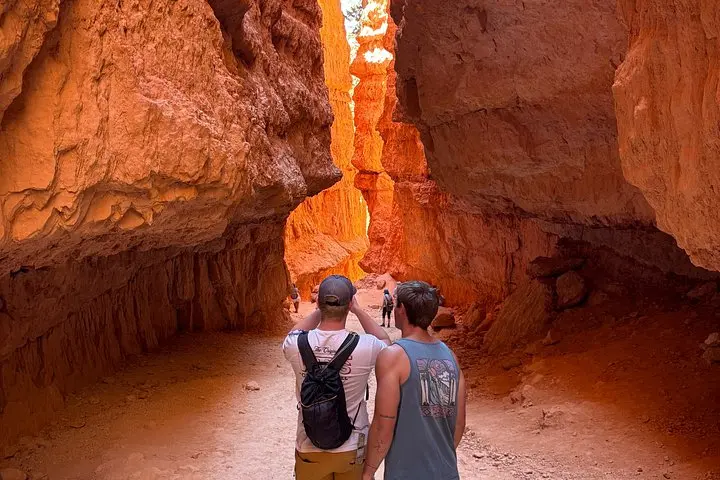
A guided sunrise hike down the Navajo Loop turns Bryce Canyon’s hoodoos from postcard scenery into an intimate geology lesson. Three miles, expert narration, and unforgettable light—this tour is the quickest way to understand how ice, time, and wind carved a city of stone.
 Related story
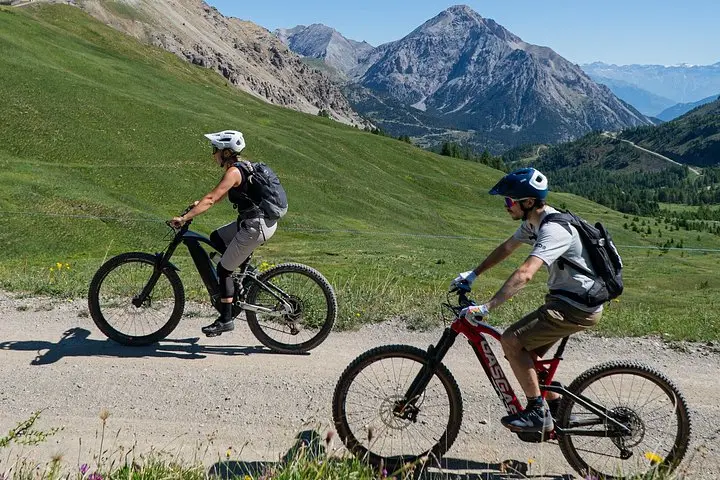
A three-hour guided mountain-bike tour that threads alpine lakes, Roman passes and timbered ridges on the Italy–France border—perfect for riders who want a scenic, accessible taste of high-Alpine adventure.
 Related story
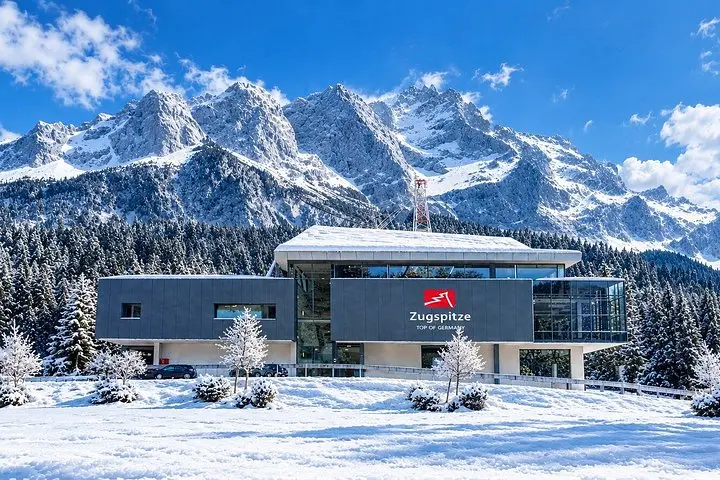
A single-day private tour from Munich that moves from Zugspitze’s wind-scoured summit to the glassy shores of Eibsee, across Austria’s Highline179 suspension bridge, and finishes beneath the turrets of Neuschwanstein. Efficient, scenic, and full of photo moments—here’s how to make the most of it.