
What the day feels like
A cold breath of Anatolian air lifts the dust as the sky turns a pale apricot. Below, a dozen hot-air balloons hang like slow planets over a mottled moonscape—then drift past, their wicker baskets full of people doing the one thing nearly every traveler to Cappadocia now expects: watching the valley reveal itself from above. But if you want to meet Cappadocia on foot, to feel the scale of its chimneys and run your fingertips over carved cell doors, start at Monks Valley (Pasabag Vadisi). It’s where legend and geology touch, and the landscape stubbornly refuses to be tidy.
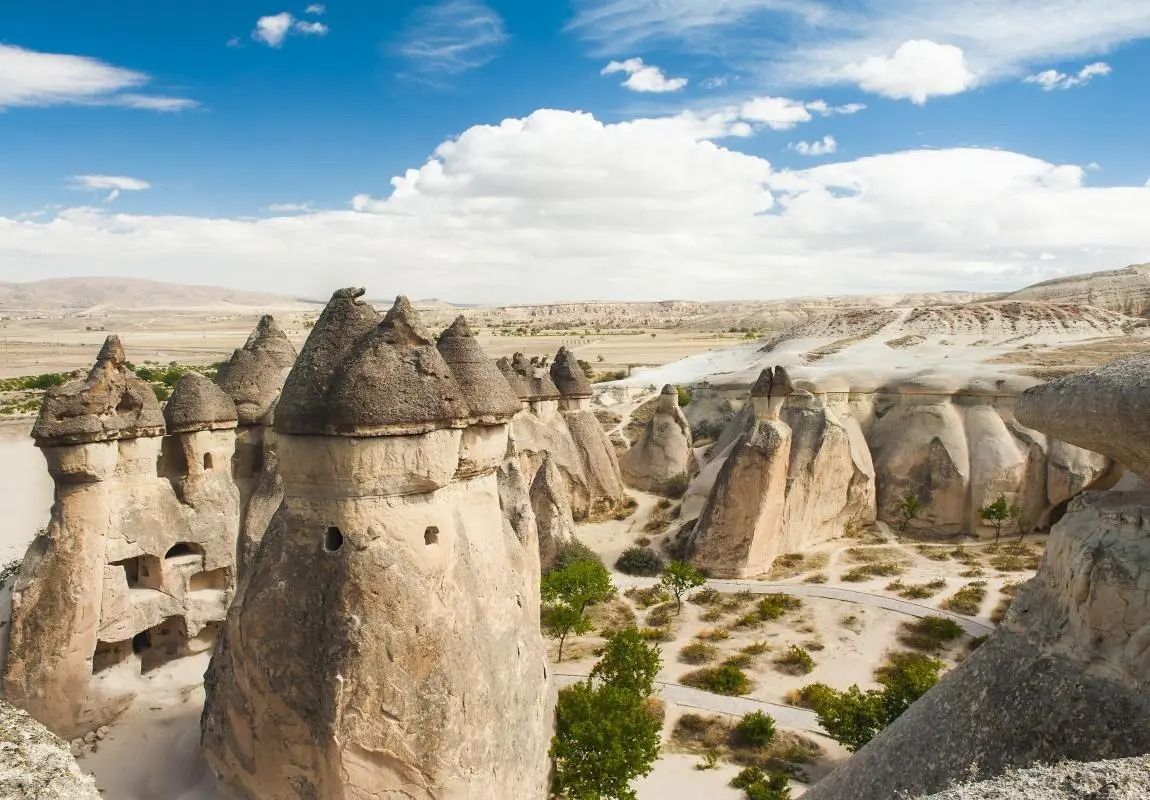
The valley unspools just north of Göreme, a compact walk of twisting dirt paths that thread between the region’s most iconic hoodoos—tall pillars of volcanic tuff capped by harder basalt. Walk slowly and you’ll find the mushroom-shaped formations loom like sentries; stand close and you can make out tiny windows and doorways—the cellars and chapels hermit monks hollowed centuries ago. The trail is intimate and immediate: a roughly 1–1.5 km loop that gains no more than 50–100 m, mostly on compact earth with short stone steps and loose scree in spots. It’s accessible for casual hikers but feels cinematic in every direction.
Geology does most of the talking here. Millennia ago, eruptions from the now-dormant Erciyes and Hasan volcanoes laid down thick layers of ash that consolidated into tuff—soft enough for human hands to carve, but topped by denser basalt that weathered more slowly. Over time wind and rain sculpted the tuff into cones; the basalt caps protected the pillars under them and gave the fairy chimneys their characteristic hats. Human history layered on top: monks and ascetics moved into the chimneys during the Byzantine era, carving small hermitages, altars and frescoed chapels inside. That interplay—fire, wind, and faith—is what gives Monks Valley its atmosphere.
Culture here is tactile. Close by is Göreme, a town built into the same stone, where cave hotels offer rooms hollowed from tuff and mornings start with strong Turkish coffee. Avanos, five kilometers downstream on the Kızılırmak River, has been a pottery center since Hittite times; a stop at a local workshop makes a fine complement to the valley’s rockwork—one is shaped by fire and ash, the other by hands and wheel.
The area exists within the orbit of several practical experiences that make a visit easy and rich. The classic Red and Green Cappadocia tours converge here: half-day highlights, full-day private circuits, and multi-day packages that include flights from Istanbul and cave-hotel nights all pass through Pasabag. If you arrive with a small-group or private highlights tour you’ll get context—a guide pointing out the earliest monk cells and the names pilgrims coined for the chimney formations. For slower travelers, pair a dawn balloon flight with a sunrise walk through Monks Valley: the balloons give you the panorama; the valley gives you the story.
Practical guidance matters. Time your visit for early morning or late afternoon to avoid the mid-day crush: the valley is one of Cappadocia’s most photographed, and tour buses arrive in waves. Shoes matter more than you think—grippy hiking shoes or trail runners will keep you stable on loose scree and the short switchbacks. Bring sun protection; shade is scarce. Carry at least 1 liter of water for a short walk, more if you’re combining multiple valleys and viewpoints. Respect the carved interiors: many chapels are fragile, and climbing on chimneys is both unsafe and illegal.
If you want to extend the day, the trail network in the area connects neatly to Devrent Valley, Zelve Open-Air Museum, and the Göreme Open-Air Museum—ideal for a Red Tour route. A Highlights of Cappadocia private tour can compress these into a single, well-paced day. Longer itineraries—two- or three-day tours from Istanbul—let you sleep in a cave hotel and split activities between walking, pottery lessons in Avanos, and a subterranean visit to one of Cappadocia’s underground cities.
Where to find solitude: leave the main path and explore the smaller side gullies where fewer tour groups follow and where the light slants into alcoves and carved niches. Look for the small chapels with residual plaster and faint frescoes in protected recesses; they are stripped but still evocative.
Safety and etiquette are straightforward. The rock is fragile and ancient; don’t chip, carve, or climb. Follow posted paths and keep to small-group behavior—voices carry in the amphitheaters formed between the chimneys. If you’re visiting during shoulder seasons, layer up—the altitude (around 1,200–1,400 m above sea level) cools mornings sharply.
Monks Valley is a compact paradox: intimate enough to touch yet vast if you let your attention widen. It’s here the region’s core narrative—volcanic ferocity tempered by patient erosion, human need answered with delicate stone architecture—comes into focus. Pair a walking visit with one of the local guided tours to connect geological time to human stories, and you’ll leave with the crisp memory of columns and caps framed against an Anatolian sky, and the satisfying confidence of having walked where centuries of pilgrims and hermits once did.
Trail wisdom
Small choices, better day.
Go early or late
Visit at sunrise or late afternoon to avoid tour-bus crowds and get the best light for the chimneys.
Wear grippy shoes
Trails include loose scree and short stone steps—trail runners or hiking shoes provide necessary traction.
Respect the rock
Do not climb or chip the formations; many contain fragile hermit cells and frescoes.
Combine smartly
Pair your walk with nearby Devrent or Zelve, or add a pottery workshop in Avanos for cultural context.
Local knowledge
Read the place, not just the route.
Watch for native species including Eurasian hoopoe (occasionally), Rock-dwelling lizards and local passerines.
Keep an eye out for wildlife during the transition between areas and habitats. Respect distance guidelines.
Visitor impact is managed via marked paths and signage; avoid climbing or touching carved interiors to protect fragile frescoes and rock structures.
Follow the guide's instructions on size limits, ethical handling, and leave-no-trace practices.
Small side gullies around the main loop with quieter alcoves. Pottery workshops in Avanos for hands-on demos and local insight
Locally recommended viewpoints and quiet spots known best to local operators.
Monks Valley earned its name because hermit monks inhabited the pillars during Byzantine times, carving cells and chapels into the tuff.
Maritime roots and regional tradition shape the waterways and working coasts.
Seasonal guide
Four versions of the same landscape.
Spring
Best forWildflower accents · Mild hiking temperatures · Balloon flights with stable mornings
ChallengesOccasional wind · Cool mornings and nights
Spring is ideal for comfortable walking temperatures and flowering valleys—bring layered clothing for chilly starts.
Summer
Best forLong daylight hours · Combining multiple valleys in one day · Evening photography
ChallengesHigh sun exposure · Crowded trails and tour buses
Summer offers long days but strong sun; schedule walks early and carry extra water and sun protection.
Fall
Best forGolden light on rock · Cooler hiking conditions · Fewer crowds than summer
ChallengesVariable weather · Shortening daylight hours
Autumn’s clear skies and warm light make for great photos; layers are useful as temperatures shift.
Winter
Best forSnow-capped chimney contrasts · Quieter trails · Dramatic skies
ChallengesCold temperatures · Icy patches on slopes
Winter brings unique contrasts—if you go, wear insulated layers and traction for icy sections.
Pack with intention
What to bring.
Good to know
Common questions.
The main loop is short—about 1–1.5 km—and typically takes 45–90 minutes depending on stops and detours.
Plan the edges
The details that make the day easier.
Pasabag is named for its association with hermit monks; many of the chimney dwellings date to Byzantine-era hermits who carved cells and chapels into the tuff.
Pair the walk with a pottery lesson in Avanos and a night in a cave hotel; break for black tea and gözleme to taste local culture.
- Location
- 10–15 minutes by car from Göreme; Duration: 1–2 hours; Difficulty: easy–moderate; Facilities: small visitor area and restrooms near parking; Best time: sunrise or late afternoon.
Stick to marked trails, avoid touching fragile interiors, and support local guides and workshops to ensure visitor income sustains conservation.
Explore by topic
Follow the threads.
Keep exploring
Make the story part of the trip.
 Related story
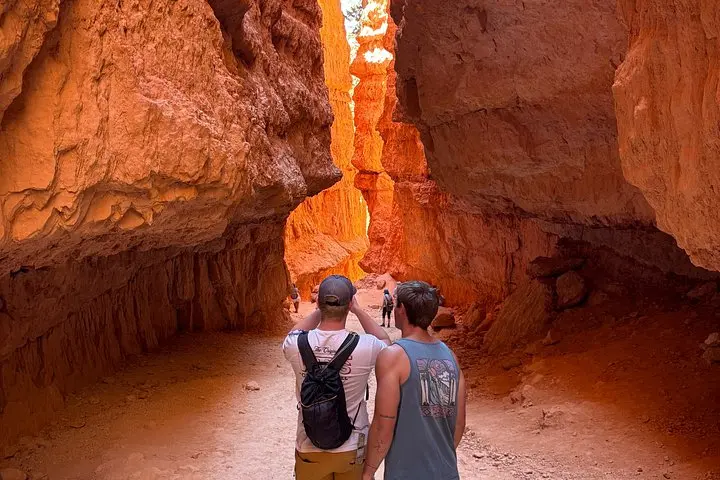
A guided sunrise hike down the Navajo Loop turns Bryce Canyon’s hoodoos from postcard scenery into an intimate geology lesson. Three miles, expert narration, and unforgettable light—this tour is the quickest way to understand how ice, time, and wind carved a city of stone.
 Related story
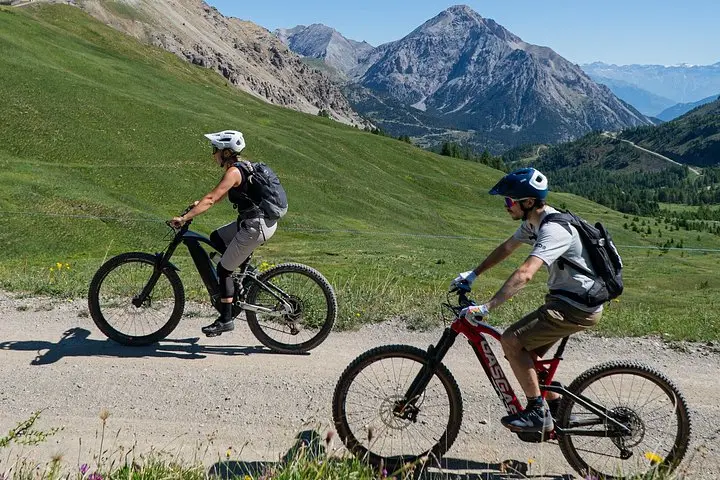
A three-hour guided mountain-bike tour that threads alpine lakes, Roman passes and timbered ridges on the Italy–France border—perfect for riders who want a scenic, accessible taste of high-Alpine adventure.
 Related story
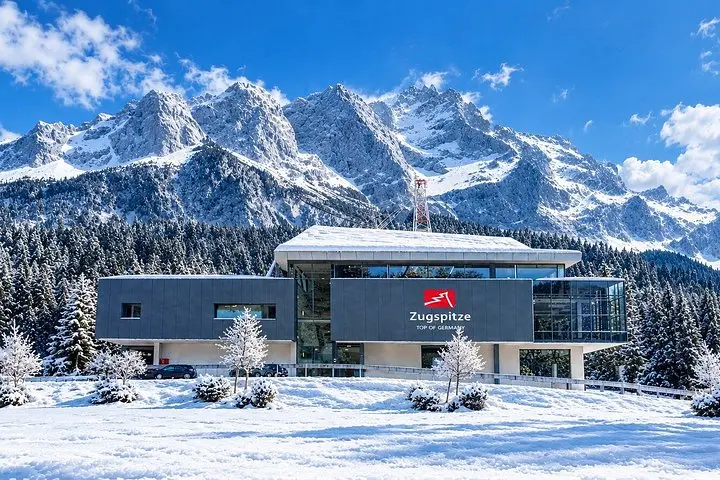
A single-day private tour from Munich that moves from Zugspitze’s wind-scoured summit to the glassy shores of Eibsee, across Austria’s Highline179 suspension bridge, and finishes beneath the turrets of Neuschwanstein. Efficient, scenic, and full of photo moments—here’s how to make the most of it.