
What the day feels like
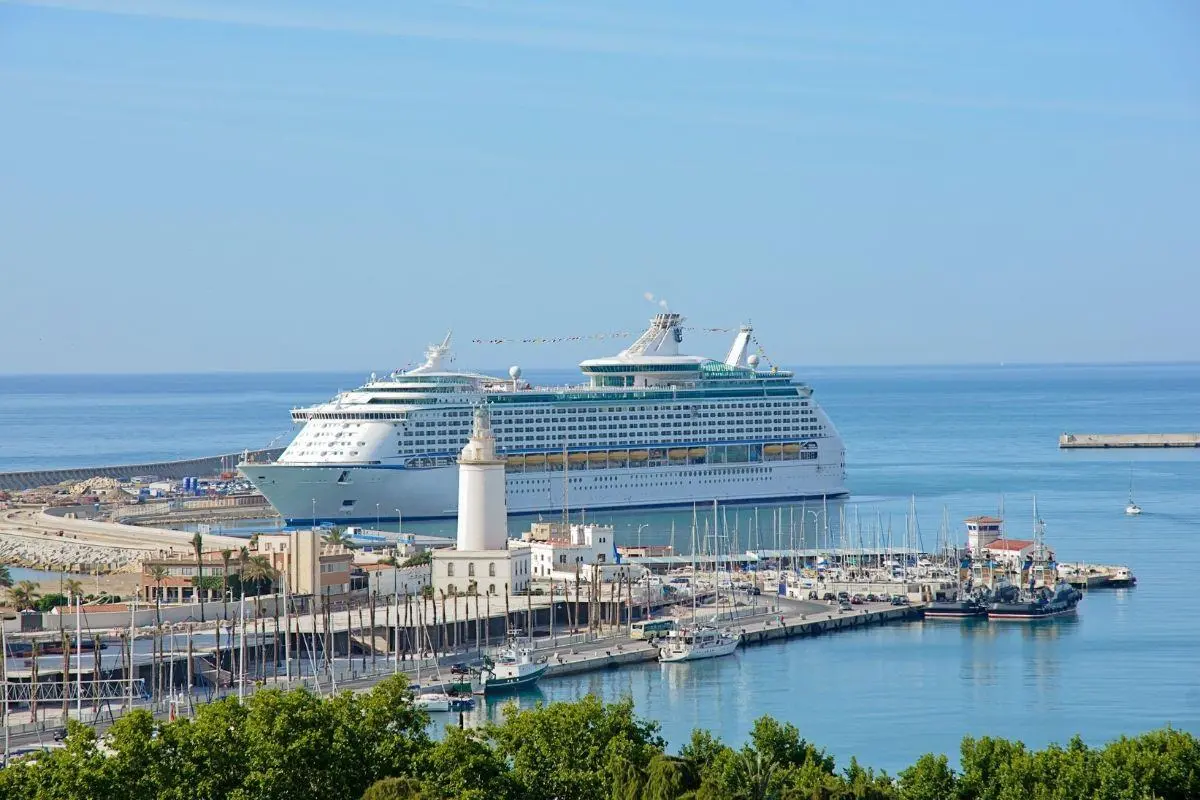
The gangway hums with the soft drag of luggage wheels, and a marine breeze—salt-bright and warm—threads through the steel ribs of Malaga Cruise Port. From Pier 1 the city unfolds in a compact panorama: the pale curve of La Malagueta beach, the ochre bulk of Gibralfaro Castle perched on a pine-scented hill, and the gleam of the Pompidou Centre’s glass face catching light like a ship’s lantern. Here, the port is less a terminus than a threshold—an active waterfront where Mediterranean days begin on deck and unwind on shore.
Board one of the eco-catamarans that slide out of the port and the city takes on a new grammar. From the bow you read landmarks as if on a stitched map: the Roman Theatre’s stones tumble down toward the Alcazaba, the Iberian skeleton of the bullring anchors the seafront, and the Costa del Sol’s skyline runs like a ribbon of white hotels and palm-lined promenades. The sea pushes gently against the hull with the patient insistence of an invitation. On a sunset cruise the horizon burns orange, then deep purple; night removes the outskirts and leaves only the stepped lights of Málaga and the constellations that have guided mariners for millennia.
But the port is also a crossroads for the inland. E-bike tours thread from the waterfront up into the Gibralfaro forest, where the climb rewards with a balconied view over the bay and the curved sweep of the Paseo del Parque below. Walking tours begin at the quay and lead through the old town’s narrow lanes—past tapas bars perfumed with frying oil and grilled sardines, through plazas where locals argue and laugh, and up to viewpoints that make the city’s layered history legible in stone: Phoenician and Roman foundations, Moorish fortifications and 19th-century bullrings.
Málaga’s story is written in maritime terms. Founded by the Phoenicians around 770 BCE, the port has long been a gateway to trade, conquest and cultural exchange. Its modern cruise facilities sit beside ancient stones; the juxtaposition is part of the city's charm. Geologically, the coast is the edge of the Betic Cordillera, where limestone and shale fold down to meet the Mediterranean. From sea level the skyline rises abruptly to Gibralfaro and beyond to the Montes de Málaga—small mountains that keep the sea and city in close conversation.
Culture lives in the small details: the fishermen on the promenade flipping sardines into skewers—espetos—that smoke over cedar embers; the museums concentrated in the port area, including a branch of the Pompidou; and the festivals that pulse through the season, most notably the Feria de Málaga in August when the city fills with fairs, flamenco and late-night revelry. Local hospitality is unhurried—expect conversation, recommendations for a hidden chiringuito, and a willingness to talk about Picasso, who was born here and whose influence shapes Málaga’s artistic identity.
Practicality is part of the pleasure. Catamaran cruises typically last 1.5–2 hours for bay loops and up to 2.5 hours for sunset trips; they’re ideal early in the day or as the light softens. E-bike excursions run from two to three hours when guided and can stretch into a full-day rental if you wish to explore the coast toward Pedregalejo and El Palo—fishing neighborhoods known for their beachfront restaurants. Walking tours around the old town and Alcazaba usually take two to three hours and work well timed for late afternoon when the heat softens.
For planning: book cruises and popular e-bike tours in advance during summer, and arrive at Pier 1 at least 30 minutes early for boarding and security checks. If you’re prone to seasickness, choose a mid-morning cruise when the sea is typically calmer, and sit mid-ship where motion is least. Language is no barrier—English is common in tour operators—but bring a phrasebook for neighborhood chiringuitos where English may be sparse. Budget time to detour: the port is an excellent launching point for a day trip to Ronda, a high-and-dry Andalusian town about 100 km inland famous for its dramatic gorge and 18th-century bridge.
Safety and comfort matter: wear sturdy shoes for cobbles and castle steps, bring layers for cooling sea breezes after the sun sets, and pack reef-safe sunscreen to protect the Mediterranean’s delicate ecosystems. Opt for operators that advertise eco credentials—many catamaran lines emphasize low-emission sailing and responsible anchoring that avoids seagrass beds.
The port’s rhythm is simple: depart, look, taste, and return. But those four acts—sailing, cycling, walking and eating—compose the most honest introduction to Málaga. Whether you’re counting museum stops or simply timing the next glass of wine to coincide with gold-hour light, the cruise port delivers a small but complete landscape of Andalusia: salt on your lips, history underfoot, and mountains keeping watch in the distance.
If you arrive hungry for layered experiences—sea, city and hillside—start at the pier. Take a two-hour catamaran to see the bay from the water, switch to an e-bike and climb Gibralfaro for a different vantage, and end with a paseo through the old town where a plate of espetos and a chilled glass of sweet Málaga wine feel, somehow, inevitable. For travelers who want a compact adventure that mixes motion and culture, Malaga Cruise Port is less a place to pass through and more a place to begin.
Trail wisdom
Small choices, better day.
Arrive early for boarding
Allow at least 30 minutes before departure for check-in and security at Pier 1; lines can form in high season.
Sit mid-ship if prone to seasickness
Choose a central seat on the catamaran where motion is gentler and keep hydrated to reduce nausea.
Bring cash for chiringuitos
Small beachfront restaurants sometimes prefer cash for quick purchases of espetos and drinks.
Reserve e-bike tours in summer
E-bike groups are popular; book ahead and pick a morning slot to avoid afternoon heat.
Local knowledge
Read the place, not just the route.
Watch for native species including Common dolphins off the Costa del Sol, Mediterranean gulls and cormorants around the piers.
Keep an eye out for wildlife during the transition between areas and habitats. Respect distance guidelines.
Operators increasingly avoid anchoring on posidonia seagrass beds and promote reef-safe sunscreen; choose eco-certified cruises to minimize impact.
Follow the guide's instructions on size limits, ethical handling, and leave-no-trace practices.
Pedregalejo’s beachfront chiringuitos for authentic espetos. Mirador de Gibralfaro at sunset—arrive early for clear views
Locally recommended viewpoints and quiet spots known best to local operators.
Málaga traces its founding to Phoenician settlers around 770 BCE; the port has functioned as a maritime hub through Roman, Moorish and modern eras.
Maritime roots and regional tradition shape the waterways and working coasts.
Seasonal guide
Four versions of the same landscape.
Spring
Best formild sailing conditions · wildflower views on Gibralfaro · comfortable city walking tours
Challengesoccasionally windy on the bay · cooler evenings
Spring offers pleasant temperatures for both catamaran cruises and e-bike climbs, with blooming hillsides and manageable crowds.
Summer
Best forlong daylight for evening sails · beach time after tours · extended e-bike rental
Challengeshigh heat and crowds · higher prices and sold-out tours
Summer is peak season—book early, start activities early or late in the day, and prioritize shade and hydration.
Fall
Best forwarmer sea for swims · sunset cruises · less crowded cultural sites
Challengesshortening daylight · sporadic autumn storms
Fall is an ideal compromise: warm water and thinning crowds make for relaxed sailing and city exploration.
Winter
Best forquiet port walks · museum visits · discounted tours
Challengescooler temperatures and choppier seas · reduced service schedules
Winter is quieter and easier on the wallet, but dress in layers and check weather before booking sea trips.
Pack with intention
What to bring.
Good to know
Common questions.
Most bay cruises run 1.5–2 hours; sunset or night cruises can be 2–2.5 hours—check the specific itinerary before booking.
Plan the edges
The details that make the day easier.
Málaga is the birthplace of Pablo Picasso (born 1881), and the city’s port has been a trading hub since its founding by Phoenician settlers around 770 BCE.
Dig into espetos de sardinas at a beachfront chiringuito, sip a glass of sweet Málaga wine, and wander the Paseo del Parque where orange trees scent the air—Málaga pairs maritime life with relaxed Andalusian hospitality.
- Boarding
- Pier 1 (Málaga Cruise Port). Typical cruise: 1.5–2 hours. Popular tour times: morning and sunset. Nearest train: Málaga María Zambrano (~3 km). Languages: Spanish and English common. Book: advance in summer.
Choose operators that advertise eco credentials, avoid single-use plastics, use reef-safe sunscreen, and respect protected marine habitats like posidonia meadows when swimming or anchoring.
Explore by topic
Follow the threads.
Keep exploring
Make the story part of the trip.
 Related story
Stand in City Hall Park and feel the city breathe around an 1812 Federal-style landmark. This is a walking experience that pairs architecture, history, and Lower Manhattan’s lived-in streets—ideal for curious travelers who love stories with their sidewalks.
 Related story
Step beyond Canal Street and into a dense, sensory world where food, language, and history overlap. This is Chinatown: compact, storied, and urgently alive. Learn how to move through it like a neighbor — and why every corner tells a story.
 Related story
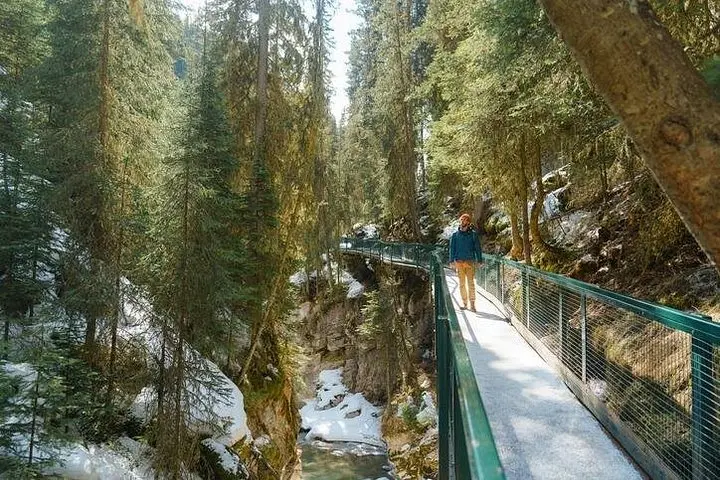
In eight efficient hours, experience the turquoise drama of Lake Louise and the cathedral-like icefalls of Johnston Canyon. This guided shuttle day trip from Banff/Canmore combines easy access, crisp winter scenery, and practical guidance for a high-reward Rockies outing.