About this landmark
Discover Didinga Hills
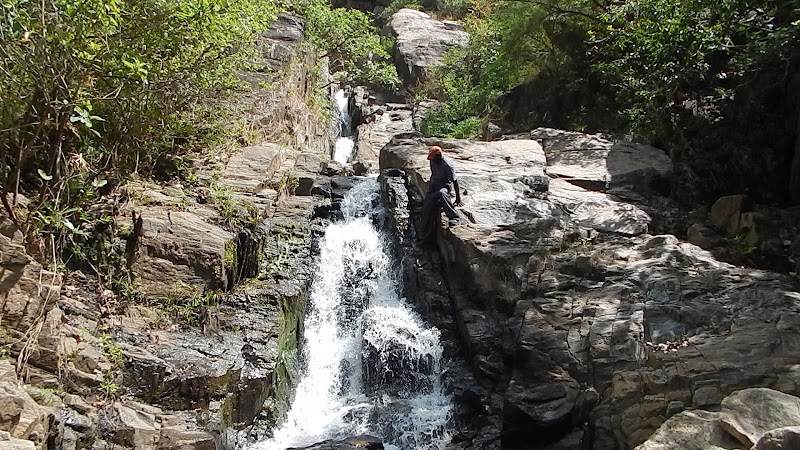
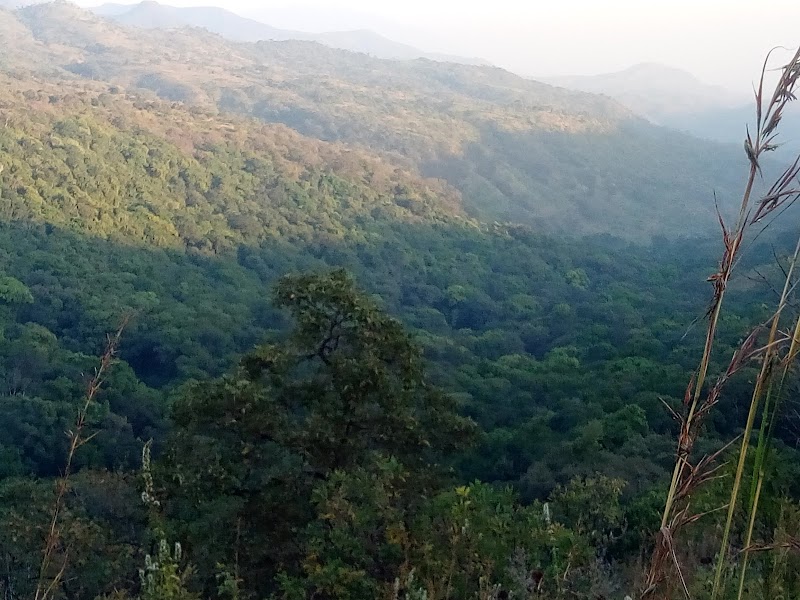
Didinga Hills, nestled in the heart of South Sudan, offers travelers a breathtaking escape into nature's beauty. These rolling hills, rich with lush greenery and diverse ecosystems, present a picturesque landscape that captures the essence of African wilderness. The region is known for its scenic vistas and unique biodiversity, making it a haven for nature enthusiasts.
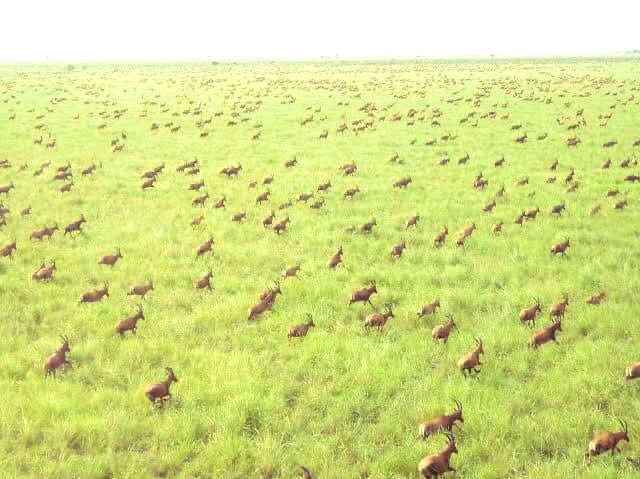
A standout feature of Didinga Hills is its verdant forests, which are home to a wide variety of flora and fauna. Visitors might spot rare bird species or catch glimpses of local wildlife. The area is also characterized by its rugged terrain, offering a beautiful contrast to the dense canopy of greenery.
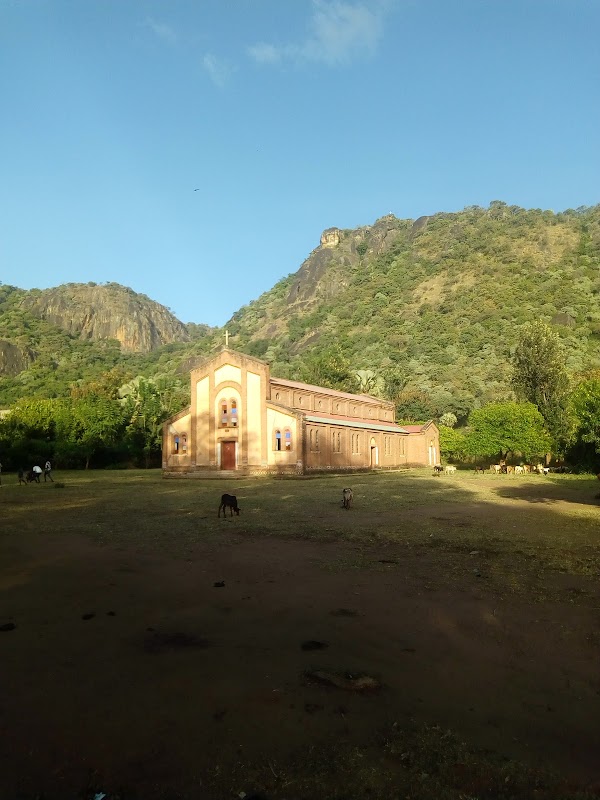
Adding a cultural layer to the experience, the hills are inhabited by the Didinga people, who have a rich heritage and deep connection to the land. Their presence adds a fascinating element to any visit, as travelers can learn about the local customs and traditions.
Feel the rhythm of the hills and let the serene landscapes capture your imagination. Didinga Hills awaits, promising unforgettable memories and natural wonders.
Adventure Guide to Didinga Hills
Hiking Trails
- Special Features: Majestic views and diverse terrains.
- Amenities: Guided tours available.
- Local Insights: Trails range from easy to challenging, catering to all hiking enthusiasts.
- Visitor Tips: Visit during the dry season (November to March) for the best conditions. Bring sturdy boots and plenty of water.
Bird Watching
- Key Features: Spot rare and exotic bird species.
- Local Insights: Early mornings provide the best chance to see a variety of birds.
- Visitor Tips: Bring binoculars and a bird guidebook. Dress in muted colors to blend with surroundings.
Cultural Interaction
- Special Elements: Engage with the Didinga community.
- Local Insights: Discover the culture through storytelling and traditional crafts.
- Visitor Tips: Respect local customs. Consider bringing small gifts as a gesture of goodwill.
Travel Tips
- Best Time: Dry season (November to March).
- Essentials: Hiking boots, binoculars, water, and sunscreen.
- Directions: Accessible by road from Juba, approximately a 6-hour drive.
Visitor Tips
- Best Times:Dry season (November to March) for favorable conditions and optimal lighting.
- What to Bring:Plenty of water, sun protection, a camera, and respectful Leave-No-Trace mindset.