
What the day feels like
The morning arrives in Mendoza like a held breath: cool, thin air moving off the high peaks, sunlight lacing the serrated ridgelines above Potrerillos. You leave the city behind in a modern transfer—compact, private, and punctual—winding west on Route 7 until vineyards give way to scrub and then to the gravel tone of the foothills. The Potrerillos reservoir appears like a cut of sky in the earth, a wide blue mirror catching the first flares of sun and the blunt silhouettes of glacier-carved mountains. It’s here, at this shift between cultivated valley and high-Andean spine, that the day opens into possibilities—hiking, scrambling, paddling, or simply letting the current and the view do the work.
The tour’s value is less in a single summit conquered than in the variety it offers. In the span of 7–9 hours (the operator lists 420–540 minutes), you’ll sample the potpourri of outdoor options that make Potrerillos a weekend ritual for Mendocinos: cratered cliffs and arroyo corridors, a reservoir fed by snowmelt and spring floods, and the low, dry scrub that gives way to lusher riparian strips along the river. Depending on the itinerary and the season, a walk along the dam’s rim can segue into a shoreline scramble to hidden viewpoints, or into more active options like lake paddling and riverside trails. The terrain is honest—rocky tracks, sandy shores, and short, steep pitches that reward simple navigation and steady legs.
Geology tells why this place feels like it’s been stitched to the mountains. These valleys are the work of repeated glacial and fluvial forces: seasonal snows melt into torrents that cut through shale and granite, depositing rounded boulders and forming terraces where human hands later planted grapevines. The Potrerillos dam itself is a modern intervention—its reservoir manages water for irrigation and moderates seasonal flooding—and its presence has recalibrated local recreation patterns. The nearby town and ranching communities have adapted, offering guided outings and the occasional weekend market selling mate and empanadas to day-trippers.
Culturally, Potrerillos is an extension of Mendoza’s wine-country ethos. The region’s sense of place is distilled in its food and the relaxed, outdoors-first mindset of locals. You’ll hear Spanish conversation that drifts into Italian and indigenous Quechua words—an echo of the layered human history here. Guides on the tour often double as local interpreters: they’ll talk about how snowpack variations affect irrigation downstream, or where to find a hidden pool for a quick dip after a dusty climb.
For practical travelers, the advantages are clear. The private-transfer format makes logistics seamless: you’re picked up at a city address, rotated through a short orientation, and staged near the water’s edge or trailhead. The day’s pace is yours to a degree: short hikes and viewpoint stops are built into the itinerary, and more active options—kayaking, easy scrambling, or technical activities if offered—are added based on skill level and weather. Expect 6–12 kilometers of walking if you string together the lakeside and hillside trails, with elevation gains up to about 300–500 meters on the more adventurous detours. The footing ranges from packed dirt to loose scree; good trail shoes and attention to footing make all the difference.
Hydration, sun management, and layering are the practical pillars of a successful day here. The siting at the foothills means the sun is fierce by midday even when the alpine air feels cool; bring water and a hat. If your visit is spring or late summer, be prepared for sudden changes—afternoon thunderstorms can build quickly off the Andes and send slick runoff down the arroyo channels.
Why should you book this kind of day? Potrerillos is a compact introduction to the varied landscapes that define the eastern flank of the High Andes. In one sweep it provides lake time, river corridors, and rocky vantage points; for photographers it’s an especially kind morning light and dramatic backdrop. For families or mixed-ability groups, the private, flexible nature of the tour keeps pace humane while allowing for adventure. And for anyone coming from Mendoza’s urban grid, it’s a reminder of scale: how the mountains remain patient and immutable, daring you to test a new route.
Practical tips: arrive with layered clothing (a wind shell is non-negotiable), carry 2–3 liters of water, and check seasonal river conditions if you plan any water activity. Respect the reservoir’s edges and avoid disturbing irrigation infrastructure. If you’re traveling in Argentina’s high summer, schedule the day early to miss the hottest hours and the most unpredictable storms.
At its best, this day feels like negotiation: you with the slope, the breeze with the water, and the land with your own curiosity. There’s no single summit to claim, only the steady accumulation of small wins—a vantage point reached, a cool dip taken, a conversation with a guide about snowpack and grape harvests. For travelers who value variety as much as challenge, a full day in Potrerillos is both a primer and a promise: an accessible way into the Andes that leaves you wanting more.
Trail wisdom
Small choices, better day.
Start early
Begin before 9 a.m. to avoid midday winds and afternoon thunderstorms common in the foothills.
Layer for changeable weather
Bring a breathable base layer, a warm mid-layer, and a waterproof shell—mountain weather flips fast.
Hydrate for altitude
Carry 2–3 liters of water and sip steadily—snowmelt-fed air is dry and can mask dehydration.
Mind your footing
Expect rocky and sandy sections; trail shoes with good tread reduce slips on loose scree.
Local knowledge
Read the place, not just the route.
Watch for native species including Andean condor (seen thermalling above ridgelines), Mara and local rodents in scrubby flats.
Keep an eye out for wildlife during the transition between areas and habitats. Respect distance guidelines.
The reservoir and river corridors are sensitive to pollution and erosion—stick to trails, avoid single-use plastics, and follow guide instructions to protect riparian habitats.
Follow the guide's instructions on size limits, ethical handling, and leave-no-trace practices.
Small mirador trails above the reservoir for panoramic photos. Riverside pools reached by short, less-marked paths where locals cool off
Locally recommended viewpoints and quiet spots known best to local operators.
The Potrerillos area has long been a transit corridor for Andean communities and later a focus for water engineering projects that reshaped irrigation and recreation in the Mendoza valley.
Maritime roots and regional tradition shape the waterways and working coasts.
Seasonal guide
Four versions of the same landscape.
Spring
Best forWildflower viewing · Stable water flows · Cool hiking
ChallengesLate snowmelt runoff · Chilly mornings
Spring (Sept–Nov) brings steady snowmelt that fills the reservoir and fuels creeks—great for waterfalls and fresh rivers, but wear a warm layer for mornings.
Summer
Best forPaddling and swimming · Long daylight hours
ChallengesAfternoon thunderstorms · Strong sun/UV
Summer (Dec–Feb) is warm and ideal for water activities; plan early starts and bring sun protection to avoid hot midday conditions.
Fall
Best forCrisp hiking days · Golden slopes · Lower mosquito activity
ChallengesCooler nights · Variable winds
Fall (Mar–May) offers stable weather and dramatic light—expect cooler evenings and layering opportunities for comfortable daytime outings.
Winter
Best forSnow-capped vistas · Quieter trails
ChallengesCold temperatures · Higher elevation snow on some routes
Winter (Jun–Aug) can deliver stunning snow-framed peaks; stick to lower trails and check access if recent storms occurred.
Operator details
What the booking data adds.
Included
- ✓Menu 3 steps with 1 non-alcoholic drink, lunch on the main course includes flame rib
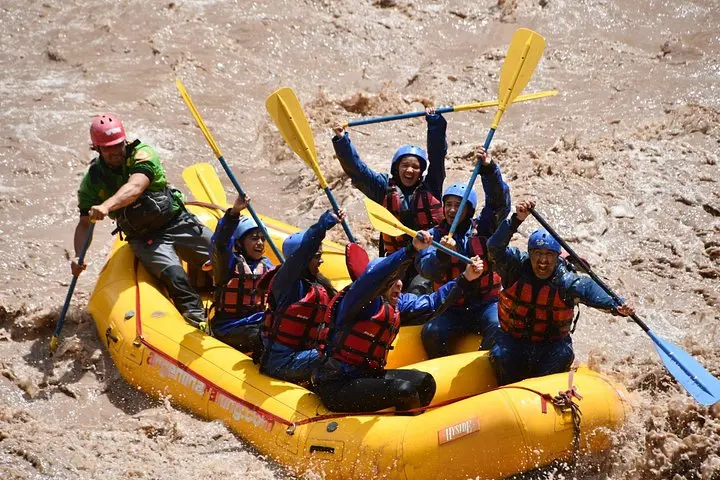
- ✓In the rafting activity they will be given a wetsuit, life jacket, helmet and water shoes.
- ✓Pick up and drop off from selected Mendoza accommodations.
- ✓Insurance for activities
- ✓Wetsuit, helmet, life jacket and water shoes.
- ✓1 Non-alcoholic drink
Not included
- —Does not include photo service and alcoholic beverages during, both are optional lunch
- —Unspecified tips or activities
Good to know
- ✓Not recommended for travelers with spinal injuries
- ✓Not recommended for pregnant travelers
- ✓Not recommended for travelers with poor cardiovascular health
- ✓Travelers should have at least a moderate level of physical fitness
Pack with intention
What to bring.
Good to know
Common questions.
The tour runs about 7–9 hours and typically includes transfers from Mendoza, shoreline walks or short hikes, viewpoint stops, and optional water or low-impact adventure activities depending on the itinerary and season.
Plan the edges
The details that make the day easier.
Potrerillos reservoir is fed primarily by Andean snowmelt, making spring runoff a key source of water for irrigation and hydropower in the Mendoza region.
After the day, head back toward Mendoza for a late lunch of grilled provoleta and a glass of Malbec at a bodegón or visit Luján de Cuyo wineries for a tasting—the region’s food and wine pair beautifully with mountain air.
- Closest airport
- Mendoza (MDZ)
- Trailhead drive
- ~45–75 minutes from Mendoza city
- Cell service
- intermittent near reservoir and in ravines
- Permits
- none required for day visitors, private tour and transport included
Pack out all trash, avoid using soaps in shoreline areas, and follow guide directions to minimize erosion and disturbance to riparian zones.
Explore by topic
Follow the threads.
Keep exploring
Make the story part of the trip.
 Related story
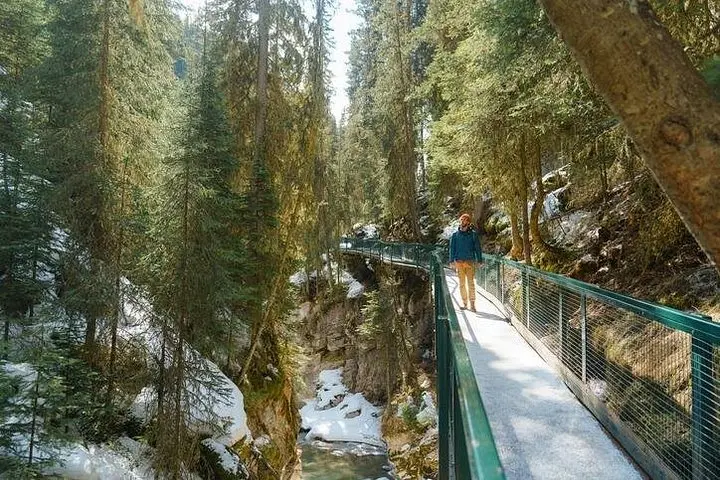
In eight efficient hours, experience the turquoise drama of Lake Louise and the cathedral-like icefalls of Johnston Canyon. This guided shuttle day trip from Banff/Canmore combines easy access, crisp winter scenery, and practical guidance for a high-reward Rockies outing.
 Related story
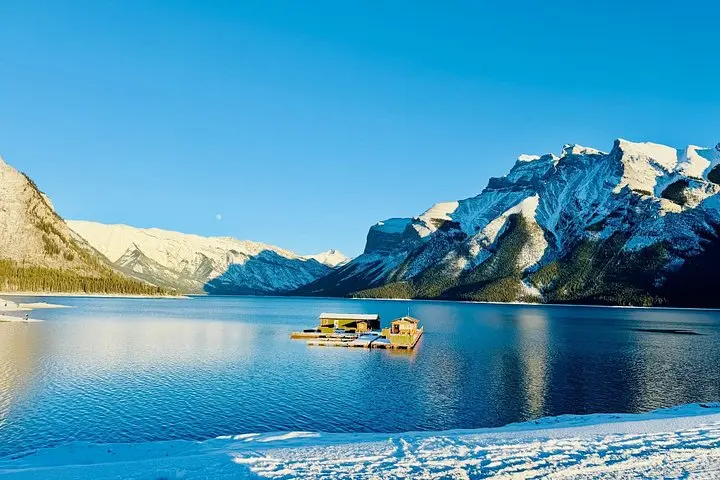
See Banff’s signature overlooks and hidden lakes in one compact, expertly guided 2.5-hour loop. Perfect for short-stay travelers who want big scenery without the driving.
 Related story
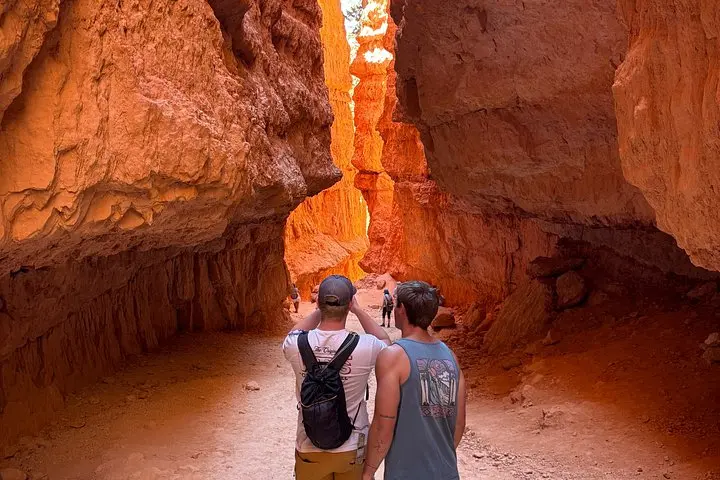
A guided sunrise hike down the Navajo Loop turns Bryce Canyon’s hoodoos from postcard scenery into an intimate geology lesson. Three miles, expert narration, and unforgettable light—this tour is the quickest way to understand how ice, time, and wind carved a city of stone.