
What the day feels like
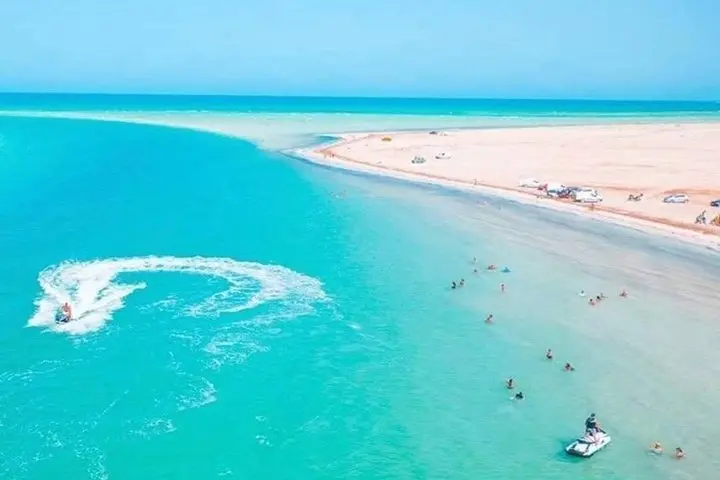
The boat rises and falls like a small, confident animal—nose lifting, then dipping as the Mediterranean spits a silver spray across the bow. You lean into the wind; it tastes of salt and herb. From the shore of Djerba, the silhouette of the island thins and the mainland becomes a distant smear. Seagulls trail the boat as if to make sure you won’t leave without them. In sixty minutes of sun and chop, the coast rearranges itself into a narrow cove and a handful of bungalows clustered at the water’s edge: Hessi Jerbi.
This is a day trip that reads simply on a booking confirmation—boat ride, beach time, grilled fish lunch—but the sequence of small, exact pleasures is what makes it memorable. The ride across the Mediterranean is bright and open; the water dares you forward, luring you away from the hotel room and into a slowed rhythm. On arrival, the sand is coarse, warmed by the sun. The bungalow porch faces the sea. You can strip down, wade, swim, read under a parasol, or walk the low shoreline where the tide leaves knotted seaweed and small shells like gifts.
Hessi Jerbi sits on the sun-baked edge of Tunisia’s Djerba archipelago, an island that has long been a crossroads of Mediterranean cultures. The island’s history folds in Phoenician traders, Roman outposts and nomadic Berber communities; the local cuisine is a direct lineage of those encounters—olive oil, citrus, fresh fish, and intense, aromatic spices. The grilled fish lunch served just steps from the waves is simple, locally caught, and charred over wood coals until the skin crimps and the flesh flakes away with a fork. Expect briny sweetness, lemon, and a dusting of harissa for heat. A glass of mint tea or a chilled local beer makes it a meal designed to be eaten slowly.
Geologically, Djerba and its satellites are sedimentary and coastal formations—sandbars, lagoons and wind-shaped dunes shaped by millennia of currents from the Gulf of Gabes. The coastline around Hessi Jerbi is gentler than the rocky north; sand shelves into the sea, and the shallow water warms quickly in summer months. For many travelers, the appeal is not dramatic cliffs or alpine views but an atmosphere of quiet, Mediterranean heat and horizon—wide, uncomplicated, and honest.
The trip is accessible—most operators run it as a shared airboat or small-motor craft outing, and round-trip transfers from Djerba or Zarzis are commonly included. The typical outing lasts about six hours, enough time for a scenic crossing, a long lunch, and a lazy return. That rhythm is why this is a favorite for families and couples who want both motion and pause in a single day: a short, maritime adventure that ends with sun, salt, and a simple, excellent meal.
Practical details matter here. Wear sturdy sandals or reef shoes—the shoreline is sandy but can cloak sharp bits of shell. Sunscreen and a wide-brim hat aren’t optional; Mediterranean sun in summer is intense. The boat can be windier than you expect, so a light windbreaker or cover-up is useful for the trip out. Bring some cash for staff gratuities and small purchases; many independent beach bungalows operate informally.
Timing is a quiet secret of this trip. Midday brings the warmest water and the most sunlight; late afternoon returns offer glancing golden light that softens the landscape and cools the crossing. For a swim and a long lunch, aim for mid-morning departures and a return in the late afternoon. If you prefer fewer people, choose shoulder seasons (spring or fall) when temperatures are pleasant and the beaches are less crowded.
The culture you meet at Hessi Jerbi is unhurried—fishermen mending nets, cooks preparing the day’s catch, and proprietors keeping a tidy, low-key beachfront. This is not a luxury resort experience. It’s an honest, local day by the sea: bring curiosity, leave rapid expectations ashore. Ask how the fish was caught; listen to the method and the names of nets and boats. Tip the staff who handle the transfer and the meal; it’s appreciated in a setting where margins are thin.
If you like to plan, note these specifics: the average outing shown on booking platforms runs about six hours and often includes round-trip transfers from hotels in Djerba or Zarzis. Prices start affordably (the listed rate begins around USD 50 per person). The excursion requires little technical ability—swimming is optional but rewarding—and is family friendly. Cell service is generally available at the more populated departure points and on the island; at the bungalow itself, coverage can be patchy.
For photographers and quiet observers, Hessi Jerbi rewards the small attentions: focus on the texture of the sand after the tide, the flaking skin of a grilled fish, the way sunlight threads through a fishing net. The boat ride offers open-water vistas and little coves where light and shadow find each other in complex ways.
Why go? Because it’s a day that rearranges your expectations of what ‘‘beach’’ can be: not a manicured resort panorama but a human-scale sea day with real local food, honest coastal scenery and a slow, sensory pace. You get the motion of an open-water crossing, the tactile satisfaction of salt and sun, and one of the simplest pleasures travel can offer—a good meal eaten by the sea. For travelers based in Djerba or Zarzis who want a short, restorative escape from town life, this trip delivers a compact, memorable Mediterranean afternoon—without fuss, but with a lot of presence.
Trail wisdom
Small choices, better day.
Protect your skin
High SPF sunscreen and a wide-brim hat are essential—there’s little shade on the beach and the midday sun is intense.
Bring reef shoes
Shallow water can hide sharp shells and rocks; reef shoes make swimming and shoreline walks more comfortable.
Carry small cash
Have Tunisian dinar on hand for tips, drinks, or small souvenirs—some beach bungalows operate informally.
Choose departure time wisely
Morning departures give warm water and a long lunch; late-afternoon returns offer softer light and cooler crossings.
Local knowledge
Read the place, not just the route.
Watch for native species including Mediterranean gulls, Small coastal fish and crabs in the shallows.
Keep an eye out for wildlife during the transition between areas and habitats. Respect distance guidelines.
Coastal habitats here are fragile—avoid trampling dune vegetation, remove all trash, and support local operators who follow sustainable fishing practices.
Follow the guide's instructions on size limits, ethical handling, and leave-no-trace practices.
Wander small back lanes of nearby villages for pottery and artisan stalls. Ask your host about morning fish markets where local fishermen sell their catch
Locally recommended viewpoints and quiet spots known best to local operators.
Djerba has been a maritime crossroads for millennia—Phoenicians, Romans and Berber communities have all shaped its culture and cuisine, and small fishing villages like Hessi Jerbi retain traditional coastal livelihoods.
Maritime roots and regional tradition shape the waterways and working coasts.
Seasonal guide
Four versions of the same landscape.
Spring
Best forMild swimming · Fewer crowds · Wildflower coastal walks
ChallengesVariable wind · Cooler mornings
Spring brings comfortable temperatures and quieter beaches—ideal for long lunches and walks, though mornings can be breezy.
Summer
Best forWarm sea for swimming · Consistent sunshine · Long daylight hours
ChallengesHigh sun exposure · Busier beaches · Heat around midday
Summer offers reliably warm water and sun; protect yourself from intense midday heat and plan shade breaks.
Fall
Best forWarm water late into season · Calmer seas · Good late-season light
ChallengesOccasional storms · Shortening days
Autumn keeps the sea warm but brings fewer tourists—great for relaxed photo light and long swims before winter.
Winter
Best forQuiet beaches · Cool, clear days · Local fishing activity
ChallengesChillier water · Some services may be limited
Winter is quiet and evocative if you don’t need to swim; expect cooler water and a pared-back local scene.
Operator details
What the booking data adds.
Included
- ✓Small boat ride
- ✓Access to the large shared beach cabin
- ✓Lunch
- ✓Air-conditioned vehicle
- ✓Free time at the beach
Not included
- —Drinks
- —Personal expenses
- —Tips
- —Small private payote/cabin on the beach
Good to know
- ✓Wheelchair accessible
- ✓Infants and small children can ride in a pram or stroller
- ✓Specialized infant seats are available
- ✓Suitable for all physical fitness levels
Pack with intention
What to bring.
Good to know
Common questions.
The excursion typically lasts about six hours, including round-trip transfers, the boat crossing, and time on the beach for swimming and lunch.
Plan the edges
The details that make the day easier.
Djerba is home to El Ghriba synagogue, one of the oldest Jewish shrines in Africa—a mark of the island’s long, multicultural history.
After a day on the water, sample local plates like brik (fried pastry with egg) or grilled fish with lemon and harissa at a waterfront café; seek out a small family-run establishment for mint tea and homemade dates.
- Closest airport
- Djerba–Zarzis International Airport (DJE). Typical driving time from Houmt Souk: 20–45 minutes depending on hotel. Cell service: generally available near departure points; limited on remote beaches. Permits: None required for the day trip.
Respect coastal habitats—pack out all trash, avoid single-use plastics, and choose operators that source seafood locally and sustainably.
Explore by topic
Follow the threads.
Keep exploring
Make the story part of the trip.
 Related story
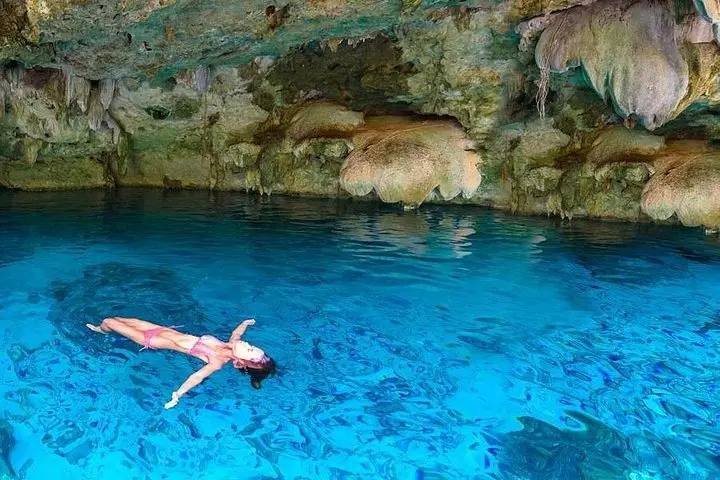
Dive into the Yucatán’s secret freshwater caverns and drift over the shallow reef gardens of Yalku Lagoon—an accessible, half-day snorkel pairing that blends geology, Mayan history, and vivid marine life.
 Related story
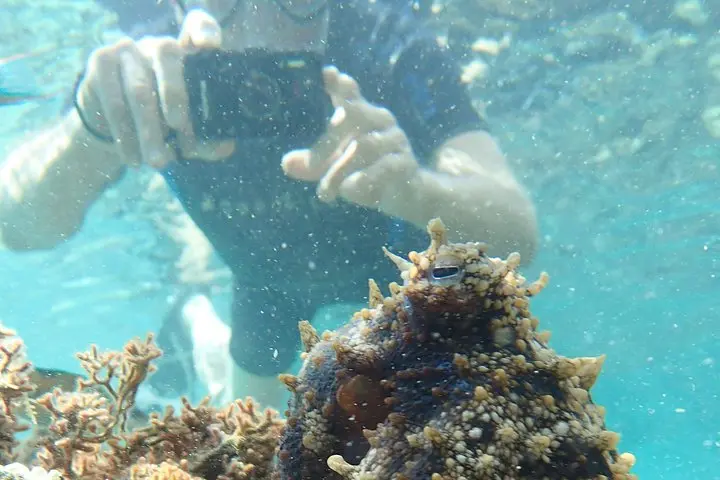
Slip beneath Porto Santo’s sunlit surface to find a mosaic of seagrass meadows, volcanic shelves, and playful schools of fish. This three-hour snorkeling tour pairs small-group access with local stewardship—ideal for travelers who value marine life over crowds.
 Related story
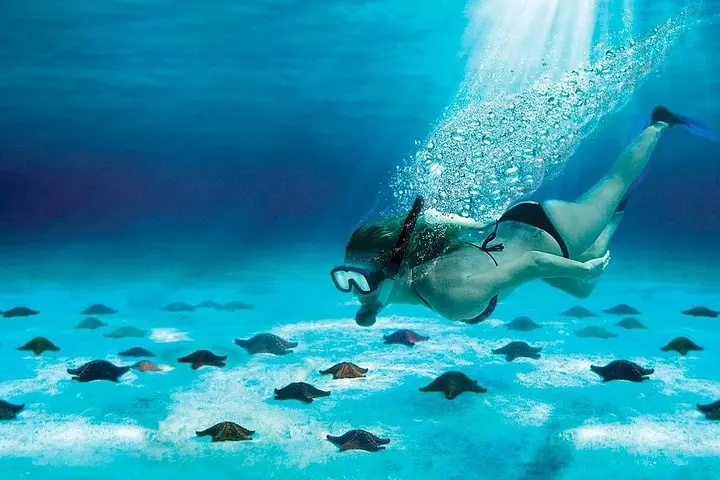
Spend a day on a high-speed boat exploring Cozumel’s famed reefs and the shallow sand flats of El Cielo. This full-day trip offers clear water, abundant marine life, and guided snorkeling at three prime sites—ideal for both first-timers and seasoned reef lovers.