
What the day feels like
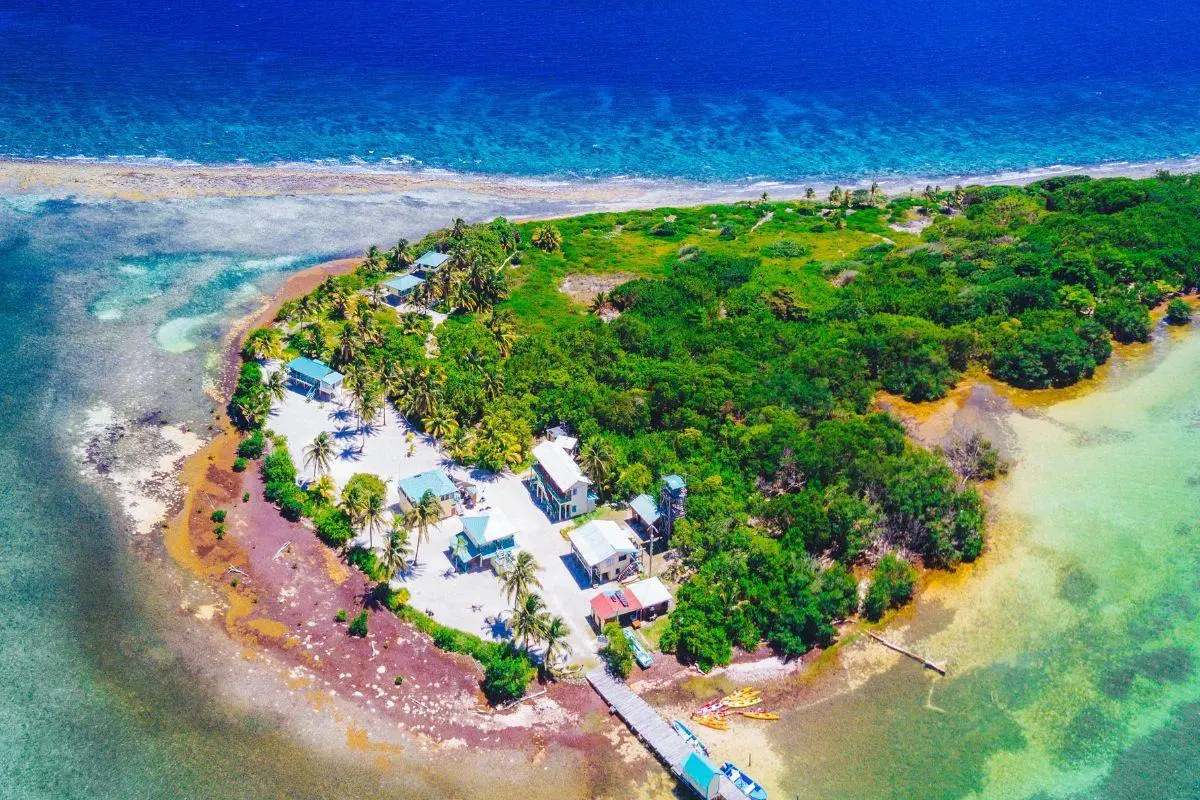
The boat thumps awake before dawn, each engine beat sending a fine mist of ocean spray across plywood benches. Hopkins—still dreaming beneath the low hills of coastal Belize—recedes in a ribbon of palm trees, and the horizon opens to a flat, blue plain. By the time the sun has found its shoulders in the east, the line of the atoll appears: a low, scalloped rim of reef holding a shallow lagoon like a glass eye. This is Glover’s Reef, a living necklace of coral and channel-cut teeth, and the moment you pass from mainland shadows into its circled light, the sea alters its voice. It is sharper here, louder with fish and current, and it dares you to come closer.
Glover’s Reef is not a single dramatic cliff or a booming waterfall; its drama is patient and layered. The atoll sits off Belize’s southern coast—reachable from Hopkins in a boat ride that commonly ranges from 30 to 60 minutes depending on the boat and sea state—and is part of the Belize Barrier Reef Reserve System. The atoll’s outer edge drops into deep water and is scoured by currents that keep the coral thriving; inside, a shallow lagoon pocked with sandbanks, seagrass and patch reefs shelters juvenile fish and turtles. For visitors the appeal is twofold: the clarity and immediacy of snorkeling in waist-deep lobster grounds, and the submarine exhilaration of a drift dive along the reef crest where groupers lurk under coral overhangs and eagle rays lift like sails.
Geologically, Glover’s Reef is an atoll in miniature—formed by corals building upward and outward around a subsiding platform. Over millennia, ringed growth built the rim you now hug in a skiff, and channels running through the rim focus currents that feed coral gardens. That circulation gives the atoll its character: sheer walls and knife-edge ledges where pelagic life sometimes passes, versus calm sand flats hosting conch and juvenile fish. The reef is also a living archive of human use: Maya communities once fished these waters, and more recently Glover’s Reef has been managed as a protected area with research stations and restricted zones intended to balance local livelihood with ecological health.
Hopkins is the logical staging town—an easygoing Garifuna village where mornings smell of strong coffee and cassava bread. The culture of the coast threads into the sea: fishers from Hopkins and neighboring villages still set lobster traps and hand-lines, and sustainable-tourism operators run day trips, snorkel safaris and guided scientific excursions to the atoll. Trip operators often combine glass-bottom boat tours for non-swimmers, guided snorkeling for families, and scuba dives for certified divers who want to drop along the reef face. Fishing charters and bonefish flats excursions are available nearby; Glover’s lagoon itself is a nursery where small-bodied species are most common, while deeper channels bring the game fish into play.
Practical terrain and timing: typical day-trip itineraries include two to three snorkel or dive stops. Surface intervals in the shallow lagoon allow photographers to hunt for macro subjects—blennies, cleaner gobies, and seahorses—while an outer-reef drift can deliver thumping currents and richer big-fish sightings. Depths vary: lagoon patches are often under 10 meters, reef crests sit in the 5–20 meter range, and wall drops happen abruptly beyond that. Boats range from small skiffs to 30-foot pangas; choose the larger craft if you’re prone to seasickness or expecting rough seas.
Preparation is straightforward but not trivial. Bring reef-safe sunscreen (avoid oxybenzone and octinoxate), a well-fitted snorkel mask, and reef booties if you plan to enter through rubble. If you’re diving, verify your certification and stick to operators who maintain clear dive-brief protocols, surface-marker-buoy usage, and conservative dive profiles—currents can be deceiving. Timing a trip with the tides matters for some channels: slack tide is the safest window for drift dives and for entering narrow passes. For comfort, mornings tend to be glassier and cooler; afternoons can thicken with wind and squalls in the wet season.
Sustainability is woven into the atoll experience. Glover’s Reef is part of conservation programs that restrict certain areas to research or no-take zones—those limits help protect conch and lobster populations important to local economies. Responsible visitors will practice the basics: don’t touch or stand on coral, carry out any trash, and support local guides and community-run lodges. On the more adventurous side, consider booking a guided conservation tour or joining a citizen-science snorkel where data on coral health or fish counts is collected.
What to expect ethically and logistically: your day will likely begin with a handshake and a boat brief in Hopkins, followed by a 30–60 minute transit. Expect three main experiences—shallow-lagoon snorkeling, a patch-reef exploration, and an outer-reef drift or wall dive—interspersed with a lunch on board or on a sandbank. Operators provide gear for a fee, but if you’re serious about photography or fit you’ll want your own equipment. Pack water and seasickness prevention, and remember cash for marina fees or small local purchases back in Hopkins.
Glover’s Reef doesn’t shout; it intrigues. Its winners are the curious diver who wants to watch a green turtle chew seagrass, the family that wants a glass-bottom explanation of reef ecology, and the angler who wants to move offshore toward teethier water. It rewards patience: the best encounters—spotted eagle rays from the drop-off, a nurse shark asleep in an overhang, the flash of a tarpon—come when you’ve slowed down enough to let the reef decide to reveal itself.
Leave room for the human side of the trip. Back in Hopkins, choose a Garifuna-run restaurant for lunch, hear the throbbing drums of a late-afternoon practiсe if you’re lucky, and consider extending your stay to sample the coastline’s quiet beaches and paddle its mangroves. Glover’s Reef is an invitation to see a reef system less dominated by crowds and more by careful stewardship; it’s not only a destination, but a test of how small communities, science and visitors can share an ocean.
If you go: time your visit for calm seas, choose operators who emphasize conservation and safety, and prepare like you’re entering a living museum—because you are. The atoll will do the rest, in subtle, salty ways: a parrotfish grinding at dusk, a current tugging at your fins, the sun striking coral like stained glass. It’s quiet work, reef work, but it stays with you long after the engines have cooled.
Trail wisdom
Small choices, better day.
Book a morning trip
Mornings usually offer calmer seas and better visibility—aim for early departures to maximize glassy water and wildlife activity.
Use reef-safe sunscreen
Choose mineral-based sunscreen or wear a UV shirt—chemical sunscreens can harm coral.
Bring your own mask
A well-fitted snorkel mask reduces fogging and lets you stay in the water longer and see more.
Know your currents
Ask guides about slack tide windows for drift dives and narrow channels—conditions change rapidly.
Local knowledge
Read the place, not just the route.
Watch for native species including Green sea turtles, Spotted eagle rays.
Keep an eye out for wildlife during the transition between areas and habitats. Respect distance guidelines.
The atoll includes protected zones and research stations—visitors are encouraged to support management fees and local conservation programs to maintain reef health.
Follow the guide's instructions on size limits, ethical handling, and leave-no-trace practices.
Sandbank lunches inside the atoll where rays and juvenile fish gather. Nearby mangrove creeks for quiet kayaking and birding
Locally recommended viewpoints and quiet spots known best to local operators.
Glover’s Reef has long supported coastal communities and is part of the Belize Barrier Reef Reserve System, managed with a mix of local stewardship and scientific research.
Maritime roots and regional tradition shape the waterways and working coasts.
Seasonal guide
Four versions of the same landscape.
Spring
Best forcalmer seas · clear snorkeling · turtle sightings
Challengesintermittent rains · variable winds
Late spring often delivers warm water and good visibility, though short tropical showers can develop in the afternoons.
Summer
Best forwarmer water · macro photography in lagoons · fewer crowds
Challengeshigher humidity · seasonal storms
Summer brings warm, productive seas but increases the risk of squalls and reduced long-range visibility.
Fall
Best formigratory fish sightings · calmer post-storm windows · better lighting for photography
Challengeshurricane season peaks · choppy sea days
Early fall can be excellent between storm systems, but hurricane season requires flexible travel plans.
Winter
Best fordry conditions · excellent visibility · comfortable onshore temps
Challengescooler mornings · higher demand from tourists
Dry-season months offer the most reliably clear water and comfortable travel conditions; book ahead.
Pack with intention
What to bring.
Good to know
Common questions.
Typical boat transfers range from about 30 to 60 minutes depending on the vessel, sea conditions and the exact site within the atoll.
Plan the edges
The details that make the day easier.
Glover’s Reef is part of the Belize Barrier Reef Reserve System, which is recognized as a UNESCO World Heritage Site for its ecological importance.
Hopkins is a Garifuna village where drum, fish and cassava bread are central—pair your reef day with a shore lunch of fresh snapper and cassava, and look for local-led cultural evenings.
- From Hopkins
- 30–60 min boat; bring reef-safe sunscreen; operators provide gear rentals; reserve in dry season; support local guides.
Choose operators who follow no-anchoring policies, use mooring buoys, and participate in local conservation fees—small choices help protect coral and local livelihoods.
Explore by topic
Follow the threads.
Keep exploring
Make the story part of the trip.
 Related story
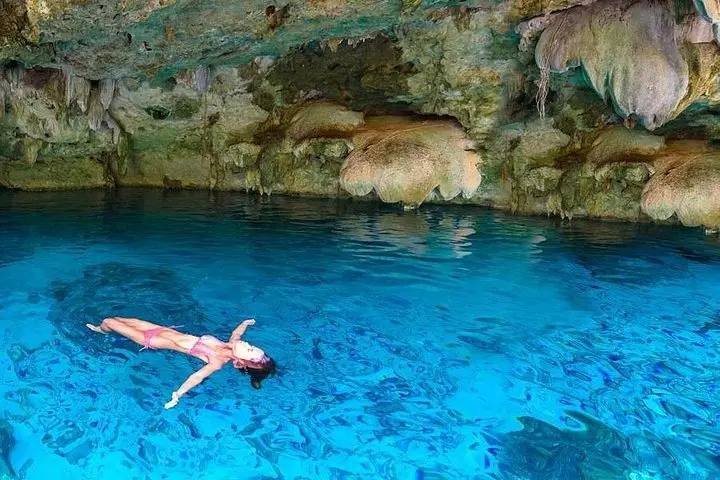
Dive into the Yucatán’s secret freshwater caverns and drift over the shallow reef gardens of Yalku Lagoon—an accessible, half-day snorkel pairing that blends geology, Mayan history, and vivid marine life.
 Related story
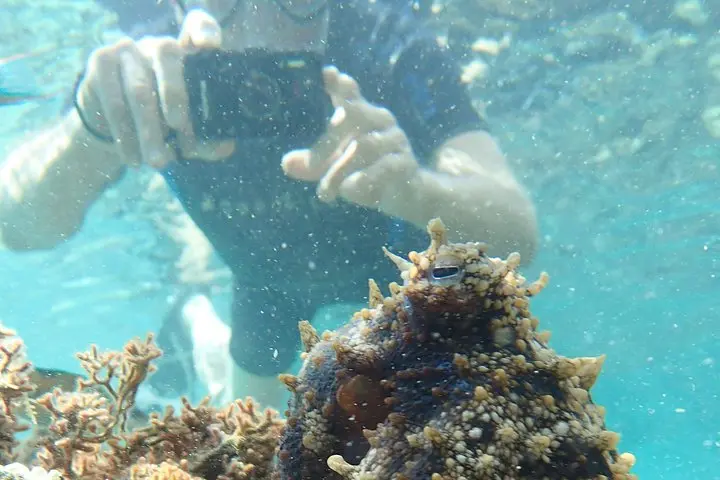
Slip beneath Porto Santo’s sunlit surface to find a mosaic of seagrass meadows, volcanic shelves, and playful schools of fish. This three-hour snorkeling tour pairs small-group access with local stewardship—ideal for travelers who value marine life over crowds.
 Related story
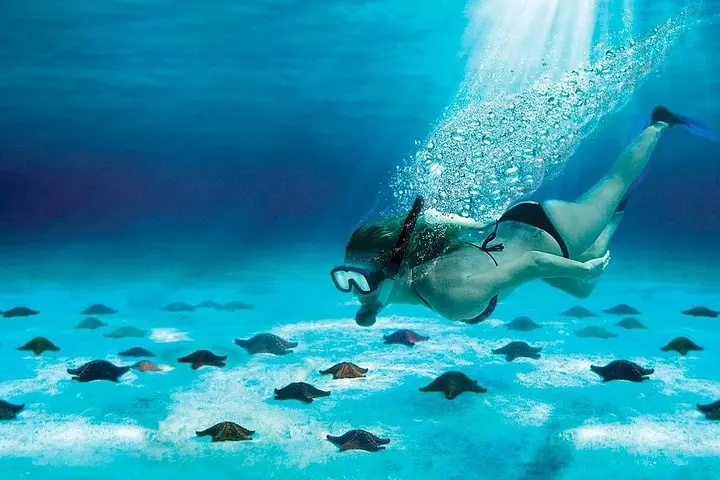
Spend a day on a high-speed boat exploring Cozumel’s famed reefs and the shallow sand flats of El Cielo. This full-day trip offers clear water, abundant marine life, and guided snorkeling at three prime sites—ideal for both first-timers and seasoned reef lovers.