
What the day feels like
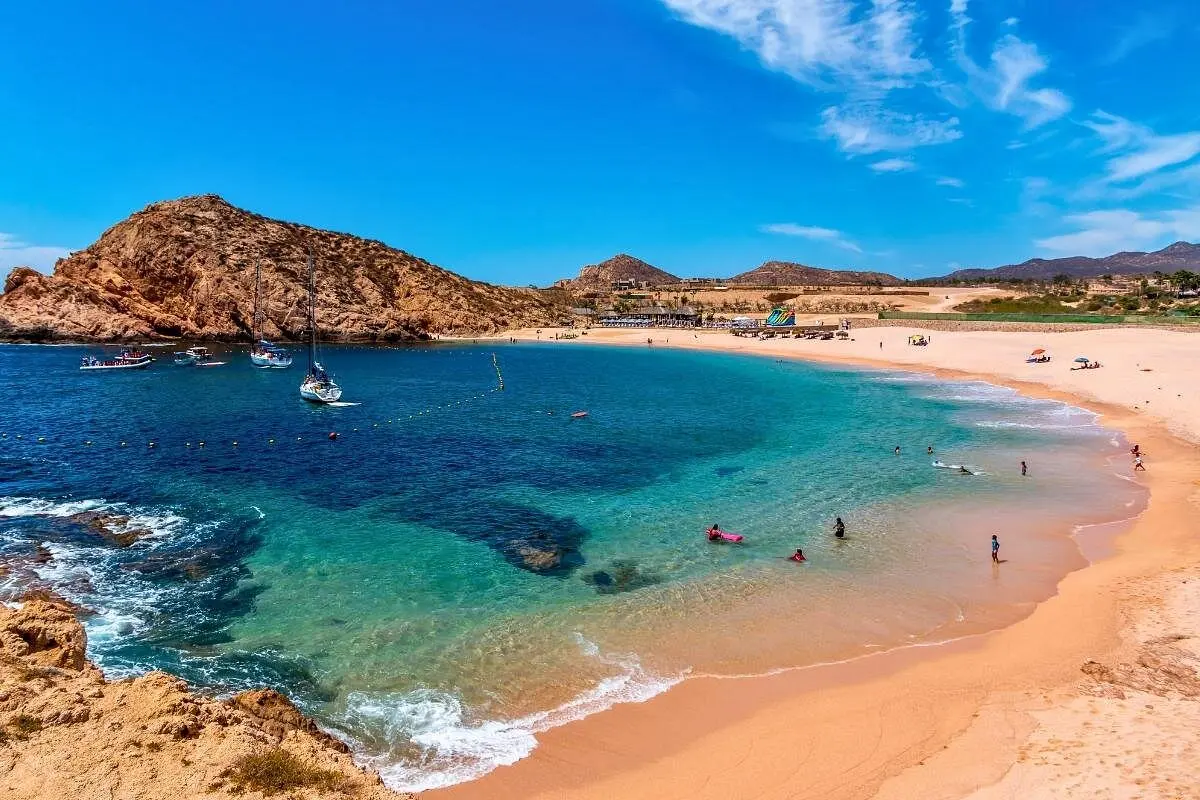
You step off the Zodiac and feel the bay’s hush—an immediate contrast to the wind-ruffled Sea of Cortez beyond the reef. Santa Maria’s arc of sand is cradled by ochre cliffs that rise like a theatre set, framing water so lucid it looks polished. Tropical fish weave through fingers of coral close enough to count scales; a ray glides like a shadow under the sun, and a sea turtle breezes by as if checking the tide charts. This is Santa Maria Beach—one of Los Cabos’ quiet, protected coves where the water invites you in and the reef obliges with an abundance of life.
Santa Maria sits on the Tourist Corridor between Cabo San Lucas and San José del Cabo, a geological seam where Baja’s arid desert meets the Sea of Cortez. Those cliffs are the residue of ancient uplift and erosion: friable volcanic and sedimentary rock carved into coves and rock fingers that shelter calm waters and finger reefs. Historically this coastline was home to the Pericú, the indigenous people who navigated these waters long before cruise ships and catamarans began threading the bays. Today local fishing communities and marine scientists share stewardship of the area—many tours emphasize education and low-impact access, because Santa Maria’s reef remains both fragile and remarkably resilient.
The bay has a practical appeal that matches its beauty. Unlike open Pacific beaches to the west, Santa Maria’s orientation and submerged reef create a bathtub of gentle waves, making it one of the safest snorkeling sites in Los Cabos. Depths in the snorkel zone are forgiving—often waist-to-chest deep near shore, dropping to 15–20 feet at the reef’s outer edge—so even new snorkelers can watch parrotfish, angelfish, and schools of sergeant majors without the vertigo of deep water. Guides from multiple operators run short, efficient itineraries here: Zodiac trips that put you in the water in thirty minutes, luxury catamarans that pair snorkeling with lunch and an open bar, and glass-bottom kayak options that let you glide above the reef if you prefer a drier perspective.
Why visit? The answer is simple and practical. Santa Maria combines accessibility with quality snorkeling: clear water, abundant fish, easy entry, and a sheltered shore for post-swim relaxation. It’s also one of a handful of Blue Flag-recognized beaches in the region—an international nod to clean water and conservation efforts—so your visit supports a place that’s managed with environmental intent. If you want to pair movement with discovery, book a two-bay snorkel tour (Santa Maria plus Chileno Bay) or a kayak-splash to add paddling, tide pools, and a closer look at the rock formations.
Planning your day: aim for calm mornings. Wind increases in the afternoon, which can stir surface chop and drop visibility. Sea temperatures range from about 70–80°F depending on the season—bring a thin wetsuit or rashguard in early winter; summer is warm and comfortable. Tours vary: small-group Zodiac trips offer the most flexible access to shallow reefs and smaller crowds; catamarans deliver extra deck space, food, and beverage service. If you value silence and a slower pace, a private kayak or small guided snorkel keeps the reef experience intimate.
Practical gear and habits matter. Use reef-safe sunscreen and avoid standing on coral—both courtesy and conservation. If you’re prone to seasickness, take something the evening before and again an hour before departure; glass-bottom kayak and shore-entry options minimize open-water time. For photography, an underwater point-and-shoot or small action camera yields the best close-up marine shots—the reef sits close enough for crisp color and texture without needing a long lens.
Safety is straightforward but non-negotiable: wear a life vest if you’re not a strong swimmer, heed guides’ briefings, and stay within roped or instructed areas. Tides and currents are mild in Santa Maria, yet conditions change—pay attention to guide updates and don’t push out past the reef in choppy conditions. Onshore facilities are limited; bring refillable water, snacks, and shade if you intend to linger on the sand.
The human element completes the trip. Local guides are storytellers as well as safety officers: they’ll point out the ways fishermen have read these waters for generations, explain reef ecology, and, in some tours, thread cultural history into your time in the water. After snorkeling you can stroll the narrow beach, buy a fresh ceviche from a palapa vendor, or simply sit in the sun while pelicans patrol the offshore rocks.
If you only have one morning in Los Cabos for marine time, Santa Maria is an ideal pick: efficient snorkeling, predictable conditions, and a quiet atmosphere that lets the sea do the talking. Whether you choose a guided small-boat snorkel, a luxury catamaran with lunch, or a glass-bottom kayak, the bay rewards curiosity. The reef will keep its secrets if you don’t hustle—linger, look slowly, and you may find a trumpetfish tucked sideways against a coral branch or a shy green turtle taking a breath. The water seems to move with intent here, inviting you to slow your breathing, follow the fish, and let the bay remind you why protected places still matter.
Trail wisdom
Small choices, better day.
Go early for glassy water
Morning tours and self-launch entries encounter calmer seas and better visibility before afternoon winds pick up.
Choose reef-safe sunscreen
Wear mineral-based sunscreen or a UV rashguard to protect both your skin and the coral reef.
Bring a guide if you’re new
Local guides know the best shallow reefs, current windows, and where turtles are likely to appear.
Protect your camera
Use a waterproof housing or float strap—close reef shots are common but so is accidental splashing.
Local knowledge
Read the place, not just the route.
Watch for native species including Green sea turtles, Southern stingrays.
Keep an eye out for wildlife during the transition between areas and habitats. Respect distance guidelines.
Santa Maria is part of a managed marine area and holds Blue Flag recognition—local operators emphasize no-touch snorkeling and reef-safe products to protect coral and fish populations.
Follow the guide's instructions on size limits, ethical handling, and leave-no-trace practices.
Tidal pools east of the bay at low tide—good for spotting starfish and eels. A short coastal walk to small rocky coves where pelicans roost and photographers find dramatic profiles
Locally recommended viewpoints and quiet spots known best to local operators.
The bay lies within the traditional territory of the Pericú people; Spanish contact in the 16th century changed coastal lifeways but local communities retain fishing and maritime traditions.
Maritime roots and regional tradition shape the waterways and working coasts.
Seasonal guide
Four versions of the same landscape.
Spring
Best forWhale watching (Dec–Apr overlap) · Mild water temps · Clear visibility
ChallengesHigher visitor numbers · Variable winds in late spring
Spring balances comfortable sea temperatures with strong marine activity; mornings remain calm and visibility is often excellent.
Summer
Best forWarmer water · Long daylight · Abundant tropical fish
ChallengesHigher sun exposure · Occasional afternoon winds
Summer brings warm, pleasant water and great snorkeling, but bring strong sun protection and plan for heat onshore.
Fall
Best forFewer crowds · Good water clarity · Calmer beaches
ChallengesPossible tropical storms (rare) · Warmer evening temps
Fall sees fewer visitors and reliable snorkeling conditions, though monitor tropical forecasts during peak late-season months.
Winter
Best forWhale watching offshore · Cooler temperatures · Low humidity
ChallengesCooler water temps · Shorter daylight
Winter offers the chance of nearby whale sightings; bring a thin wetsuit for longer swims as water can be brisk.
Pack with intention
What to bring.
Good to know
Common questions.
The snorkel zone is typically shallow—waist-to-chest deep near shore and 10–20 feet around the outer reef—making it friendly for beginners.
Plan the edges
The details that make the day easier.
Santa Maria Beach has been recognized with Blue Flag status for its water quality and conservation management—making it one of the region’s protected beaches.
Stop at a roadside palapa for grilled fish tacos or ceviche after snorkeling; local fishers still supply many restaurants in Cabo San Lucas, and artisanal glass-blowing studios and tequila tastings in town provide cultural pairings to a day on the water.
- Access
- 20–40 minutes from Cabo San Lucas along the Corridor; Entry: public beach, limited facilities; Tours: Zodiac, catamaran, kayak, private yachts; Best time: morning for calm water; Permits: none for casual visitors, but respect protected-area rules.
Choose operators who practice no-touch snorkeling, use reef-safe sunscreen, dispose of waste responsibly, and contribute to local conservation efforts to keep the bay healthy for future visitors.
Explore by topic
Follow the threads.
Keep exploring
Make the story part of the trip.
 Related story
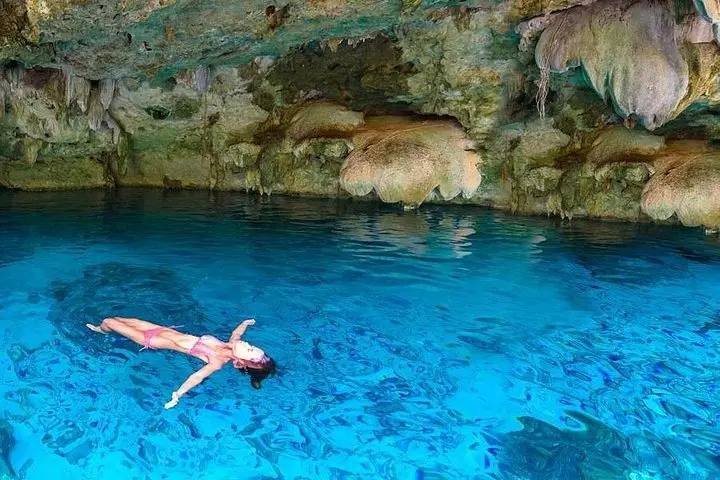
Dive into the Yucatán’s secret freshwater caverns and drift over the shallow reef gardens of Yalku Lagoon—an accessible, half-day snorkel pairing that blends geology, Mayan history, and vivid marine life.
 Related story
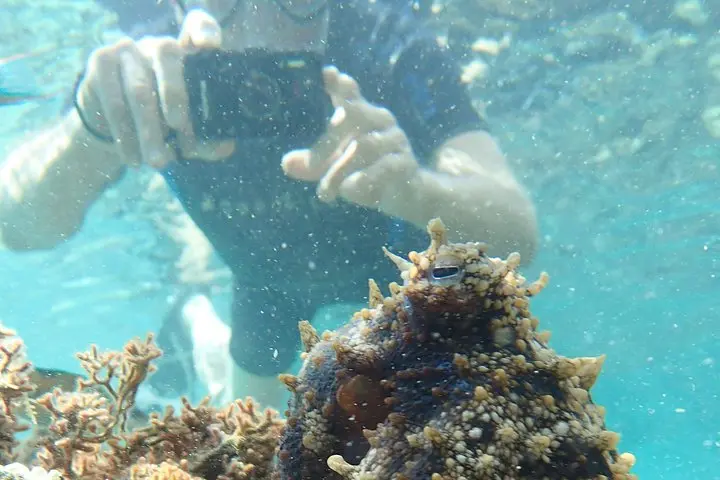
Slip beneath Porto Santo’s sunlit surface to find a mosaic of seagrass meadows, volcanic shelves, and playful schools of fish. This three-hour snorkeling tour pairs small-group access with local stewardship—ideal for travelers who value marine life over crowds.
 Related story
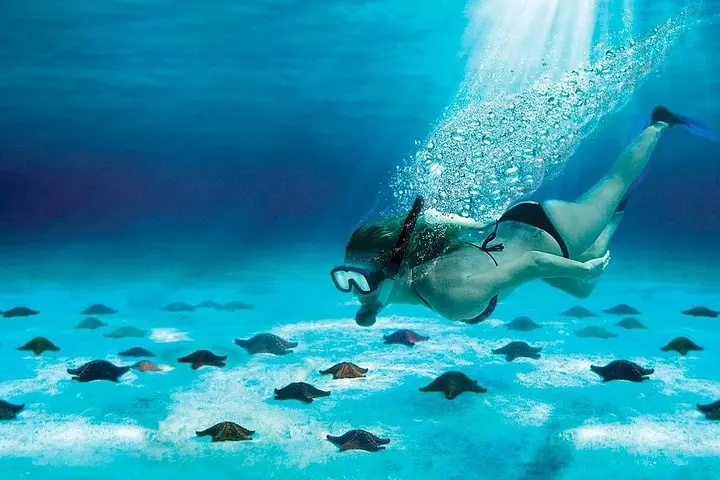
Spend a day on a high-speed boat exploring Cozumel’s famed reefs and the shallow sand flats of El Cielo. This full-day trip offers clear water, abundant marine life, and guided snorkeling at three prime sites—ideal for both first-timers and seasoned reef lovers.